
Green Colored Pet Birds: Species Guide & Care
Discover stunning green pet bird species, their characteristics, and expert care tips.
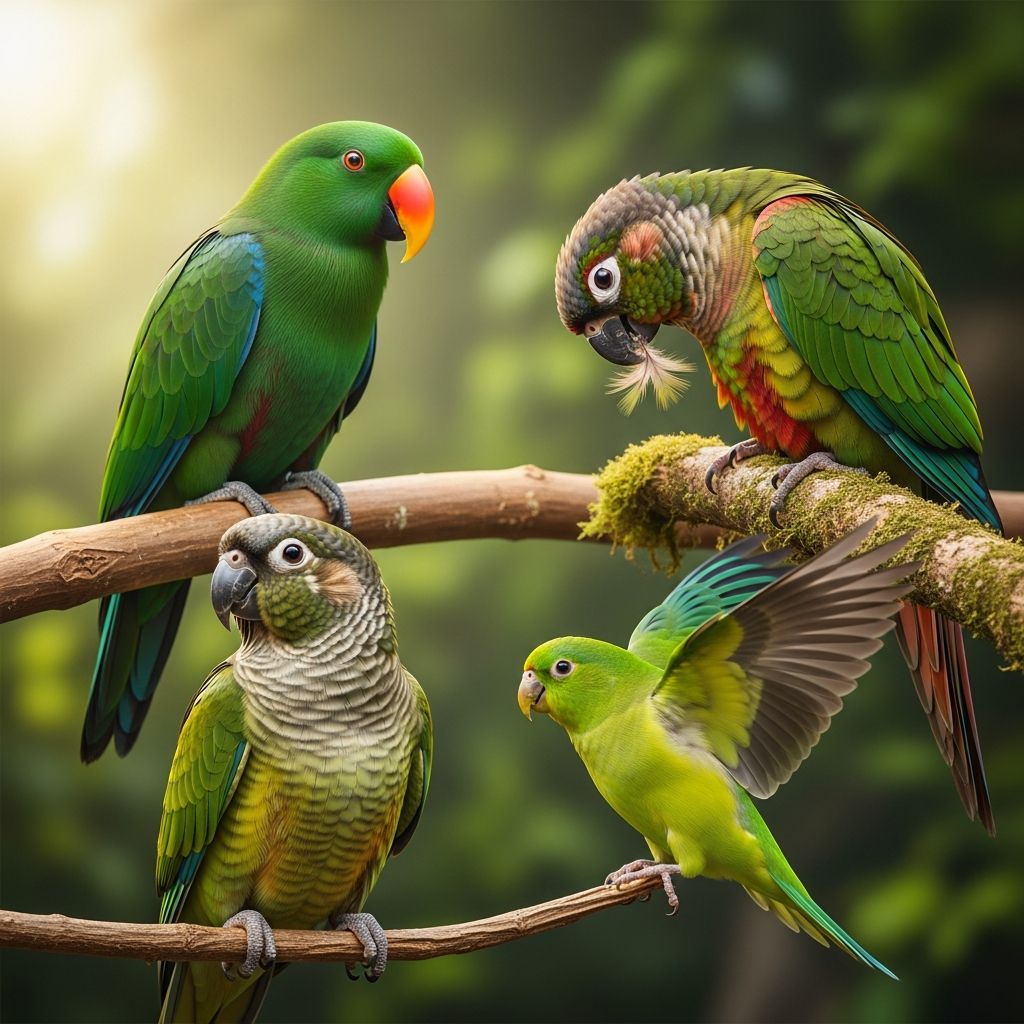
Green Colored Pet Birds: A Comprehensive Guide
Green-colored birds represent some of the most vibrant and captivating avian companions available to pet enthusiasts today. From small, playful conures to majestic macaws, green birds offer diverse personalities, varying sizes, and unique care requirements. Whether you’re a novice bird owner or an experienced aviculturist, understanding the characteristics and needs of green bird species is essential for providing optimal care and building a lasting bond with your feathered companion.
The appeal of green birds extends beyond their stunning plumage. These birds are known for their intelligence, social nature, and ability to interact meaningfully with their human families. Green-colored birds span multiple species and size categories, making them accessible to a wide range of living situations and experience levels.
Popular Green Bird Species
The world of green pet birds encompasses numerous fascinating species, each with distinct characteristics and requirements. Understanding these differences helps potential owners select the right bird for their lifestyle and commitment level.
Green-Cheeked Conures
The green-cheeked conure stands as one of the most popular small parrot species for pet ownership. These charming birds are particularly favored by novice bird owners due to their relatively low price, small stature, manageable temperament, and comparatively low noise levels compared to larger conure relatives. Green-cheeked conures typically measure around 10 inches in length, making them ideal for apartment dwellers or those with limited space.
These birds come in a variety of color mutations beyond their standard green plumage. The “pineapple” mutation features yellow and cinnamon coloring, while the “turquoise” and “yellow-sided” varieties showcase stunning color variations. The “cinnamon” mutation displays lime green with lighter, paler coloring. Green-cheeked conures are often mistaken for maroon-bellied conures due to their similar appearance, though green cheeks typically display slightly brighter coloration.
Lifespan: Green-cheeked conures can live up to 25 years or more with proper care, making them long-term companions requiring sustained commitment from owners.
Personality: These birds are natural comedians, often hanging upside-down and clamoring along cage bars seeking interaction. They are mischief-makers by nature, so constant supervision is recommended. Green cheeks are particularly good for families with children, as their small size accommodates little hands, and they generally display good-natured dispositions. However, like all birds, they can bite, and caution should always be exercised around young children.
Vocalization: Green-cheeked conures are appreciated for their relative quietness compared to other conure species. While they will produce some noise and have been known to learn words, they are not prized for talking abilities and are significantly less vocal than their larger parrot cousins.
Green-Winged Macaws
Green-winged macaws, known as “red and greens” in South America, represent one of the most magnificent large parrot species. These impressive birds have become the focus of significant conservation efforts. The Buraco das Araras sanctuary in Brazil demonstrates remarkable success in macaw conservation and population recovery. Once a garbage dumpsite, this location was transformed into a thriving macaw paradise, with the population growing from approximately 30 pairs in 2012 to an estimated 60 pairs today.
Green-winged macaws inhabit natural cliff dwellings where they nest in holes along arid canyon walls. Their presence at Buraco das Araras represents one of the most successful macaw reintroduction and conservation projects, showing that dedicated conservation efforts can reverse environmental degradation and restore natural populations.
Other Green Bird Species
Beyond conures and macaws, numerous other species display green plumage. These include various parakeet species, green amazons, and other tropical parrots. Each species brings unique characteristics, size considerations, and behavioral traits to the pet bird world.
Physical Characteristics and Variations
Green birds display remarkable diversity in size, ranging from small conures weighing mere ounces to massive macaws weighing several pounds. Color variations within green species add to their visual appeal and individual distinctiveness.
Size Categories
Green pet birds fall into distinct size categories affecting cage requirements, dietary needs, and space considerations:
- Small birds: Green-cheeked conures and similar species weighing under 5 ounces, suitable for apartment living
- Medium birds: Mid-sized conures and parakeets requiring moderate cage space and more substantial perching
- Large birds: Macaws and amazons requiring spacious aviaries, robust perching structures, and significant environmental enrichment
Color Mutations
Selective breeding has produced numerous color mutations within green species, particularly among conures. These mutations offer visual variety while maintaining the birds’ essential behavioral and health characteristics. Breeders continue developing new color variations, appealing to collectors and enthusiasts seeking unique individuals.
Care and Housing Requirements
Proper care forms the foundation of a green bird’s health, longevity, and behavioral well-being. Housing, environmental conditions, and daily interaction significantly impact these birds’ quality of life.
Cage and Perching Considerations
Green-cheeked conures require spacious cages that allow movement and climbing, with horizontal bar arrangements supporting natural climbing behaviors. Cage size increases proportionally with bird size, with macaws requiring substantial flight-capable aviaries rather than traditional cages.
Perching diversity is essential, featuring natural wood branches of varying diameters to promote foot health and prevent pressure sores. Multiple perch heights simulate natural roosting behaviors and provide environmental enrichment.
Social Interaction and Handling
Green birds are highly social creatures requiring substantial daily interaction with their human families. Hand-raised, people-socialized green birds make excellent family pets, but only for owners capable of providing consistent attention. Green-cheeked conures, despite their paired compatibility, will maintain pet quality through regular daily attention from their owners.
Tame green birds should be handled daily, with consistent interaction strengthening bonds and maintaining their social nature. The amount of time matters less than consistency and quality of engagement.
Environmental Enrichment
Green birds love play and appreciate good rotation of toys and enrichment items. These birds have busy beaks and benefit from destructible toys, foraging opportunities, and varied perching arrangements that simulate natural environments. Mental stimulation prevents behavioral problems and promotes psychological well-being.
Nutrition and Dietary Requirements
Proper nutrition directly influences green birds’ health, feather quality, energy levels, and longevity. A balanced diet differs significantly from the seed-only diets sometimes offered to pet birds.
Primary Diet Components
A green-cheeked conure should receive a nutritionally balanced manufactured diet as the foundation, supplemented with fresh vegetables, fruits, and healthy table foods. High-quality pellet diets provide essential nutrients in consistent proportions, preventing nutritional imbalances common with seed-based diets.
Lafeber offers specialized foods designed for conures’ chewing needs, including Avi-Cakes, Pellet-Berries, and Nutri-Berries that combine nutrition with behavioral enrichment through the natural chewing action required for consumption.
Vegetable and Fruit Supplementation
Fresh produce supplements pellet-based diets, offering variety, additional nutrients, and enrichment through foraging and chewing behaviors. While leafy greens are commonly recommended, many green birds show reduced interest in leafy greens compared to other vegetables. Nutrient-dense options like kale and Swiss chard provide superior nutritional profiles compared to many alternative greens.
Dandelions and other wild greens offer excellent nutritional value and natural foraging opportunities when sourced from pesticide-free environments.
Dietary Considerations
A loose seed mix represents an inadequate diet lacking nutritional balance and leading to deficiency diseases. Proper pellet-based diets, whether traditional pellets or Lafeber’s foraging foods, provide the consistent nutrition green birds require for optimal health.
Dietary variety prevents boredom while maintaining nutritional adequacy. Many green birds thrive on Harrison’s adult lifetime formula or similar high-quality pellet options supplemented with fresh produce and occasional table foods.
Behavioral Characteristics
Understanding green bird behavior enables owners to address natural needs and prevent behavioral problems before they develop.
Social and Affectionate Nature
Green-cheeked conures are intensely affectionate birds requiring owners capable of providing substantial time outside the cage. These birds form strong bonds with their human families and can experience behavioral issues, including hormonal behaviors, when social needs remain unmet.
Compatibility with Other Birds
Green-cheeked conures generally coexist peacefully with conures of similar size, though they will not readily tolerate smaller birds and might face aggression from larger species. Pairing a green cheek with a maroon-bellied conure is possible but breeding should be prevented.
Larger green species, like the green-winged macaws at Buraco das Araras, actively defend their territories from other macaw species. These territorial behaviors reflect natural instincts and demonstrate that even in sanctuary settings, green birds maintain species preferences and hierarchies.
Playful and Mischievous Tendencies
Green-cheeked conures are natural performers, constantly seeking attention through antics and interactive play. Their playful nature makes them entertaining companions but requires vigilant supervision to prevent destructive behaviors or accidental injury.
Health and Veterinary Care
Regular veterinary care ensures green birds maintain optimal health throughout their lives. Annual examinations by avian veterinarians help identify health issues early before they become serious problems.
Pet insurance for birds offers financial protection against unexpected veterinary expenses, particularly valuable for long-lived species like green-cheeked conures that may experience health issues over their 25+ year lifespan.
Conservation and Wild Populations
Many green bird species face habitat loss and environmental pressures in their native ranges. Conservation efforts, like those at Buraco das Araras, demonstrate that dedicated work can restore populations and protect natural habitats.
The Buraco das Araras project includes tree propagation nurseries providing additional food and nesting sources for the growing macaw population. Recent initiatives include planting Pindó palm trees and securing planting rights on neighboring cattle ranch property, creating expanded habitat corridors while protecting birds from agricultural activities.
Supporting conservation organizations working to protect green bird populations in their natural habitats ensures these magnificent species survive for future generations.
Selecting a Green Bird as a Pet
Choosing a green bird requires honest assessment of available time, space, financial resources, and long-term commitment. Green-cheeked conures suit novice owners with adequate daily interaction capabilities, while larger species like macaws require experienced handlers and substantial resources.
Hand-raised, people-socialized green-cheeked conures from reputable breeders, specialty stores, or adoption organizations make excellent family pets for appropriate households. Adoption from avian rescue organizations provides homes for birds needing second chances while supporting conservation-minded rescuers.
Frequently Asked Questions
Q: How long do green-cheeked conures live?
A: Green-cheeked conures can live up to 25 years or more with proper diet, healthcare, and environmental conditions. Their long lifespan requires significant long-term commitment from owners.
Q: Are green-cheeked conures good for beginners?
A: Green-cheeked conures are excellent for novice bird owners compared to larger species, though some prior small bird experience is beneficial. They require daily interaction, proper nutrition, and veterinary care like all pet birds.
Q: Do green birds require special lighting or temperature conditions?
A: Green birds benefit from natural light cycles and consistent room temperatures between 65-80 degrees Fahrenheit. Providing light therapy or natural sunlight exposure supports circadian rhythms and feather health.
Q: Can green-cheeked conures live together?
A: Yes, paired green-cheeked conures can coexist peacefully, though they still require regular individual interaction with their owners to maintain pet quality and prevent behavioral problems.
Q: What should I do if my green bird shows behavioral problems?
A: Behavioral issues often result from inadequate social interaction, improper diet, insufficient enrichment, or hormonal imbalances. Consulting with avian behavior specialists and veterinarians helps identify underlying causes and develop corrective strategies.
References
- Brazil’s Green-Winged Macaws – Lafeber’s Parrot Conservation Spotlight September 2025 — Lafeber Co. 2025-09-15. https://lafeber.com/pet-birds/lafebers-parrot-conservation-spotlight-september-2025-brazils-green-winged-macaws/
- Green-Cheeked Conure Personality, Food & Care — Lafeber Company. 2025-01-01. https://lafeber.com/pet-birds/species/green-cheeked-conure/
- Green Colored Pet Birds Species Library — Lafeber Co. 2025-01-01. https://lafeber.com/pet-birds/color/green/
- Translating Parrot 14: Beyond the Bowl – Creating a Diet for Your Bird — Lafeber Pet Birds Webinar Series. 2016-01-15. https://www.youtube.com/watch?v=6dvXhUTmR0o
- Picky Parrot Webinar – Feeding Greens to Your Pet Bird — Lafeber Company. 2025-01-01. https://lafeber.com/pet-birds/questions/picky-parrot-webinar-feeding-greens/
Similar Articles








Read full bio of Sneha Tete


