

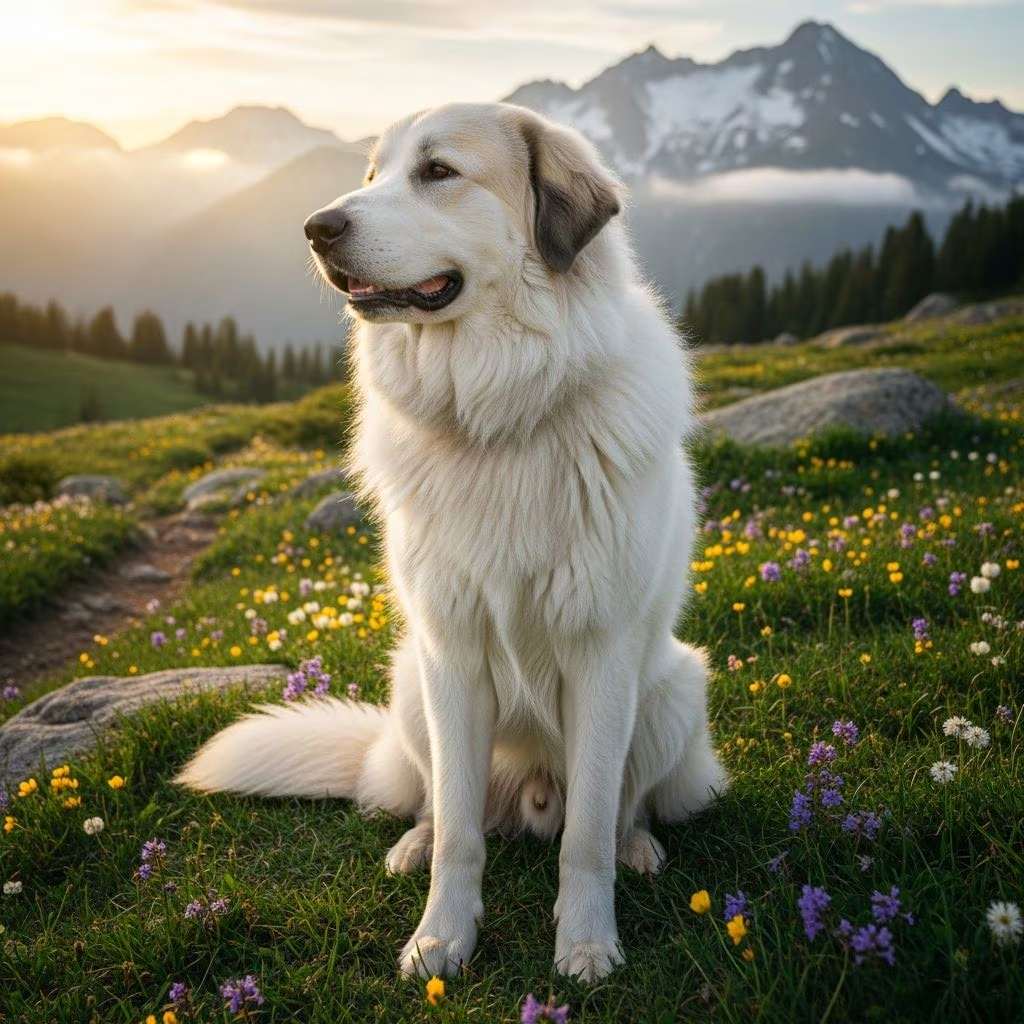
The Great Pyrenees, often called the Pyr, stands as a symbol of power, grace, and unwavering loyalty. This large breed originated in the rugged Pyrenees mountains between France and Spain, where it was selectively bred over centuries to protect livestock from predators like wolves and bears. Today, these dogs blend their ancient guardian instincts with a calm, affectionate nature, making them cherished companions for homes with space and experienced handlers.
Origins and Historical Role
The breed’s roots trace back thousands of years to the Pyrenean Mountain Dog lineage, known in France as the Patou or Chien de Montagne des Pyrénées. Archaeological evidence and historical records suggest these dogs accompanied shepherds through harsh mountain terrains, enduring extreme weather while vigilantly defending flocks. Their white coat served as camouflage among sheep, allowing them to blend seamlessly during nighttime patrols.
By the 17th century, the Great Pyrenees gained favor among European nobility, with King Louis XIV of France adopting them as royal guardians. This elevated status helped standardize the breed, leading to its recognition by organizations like the American Kennel Club (AKC). Unlike smaller herding dogs, Pyrs work independently, patrolling vast areas with a patient, observant demeanor rather than constant activity.
Physical Characteristics and Breed Standards
Great Pyrenees dogs exude elegance and strength, with males typically standing 27-32 inches at the shoulder and weighing 100-160 pounds, while females measure 25-29 inches and 85-125 pounds. Their principally white coat, which may include badger, gray, or tan markings, is weather-resistant and double-layered, providing insulation against cold.
Key features include:
- Head and Face: Rounded skull with a keen, intelligent expression in dark brown eyes; V-shaped ears that drop close to the head.
- Body Build: Medium substance with strong bone and muscle beneath the fluffy coat; deep chest and straight back for endurance on steep slopes.
- Tail: Long and feathery, carried low at rest but plume-like when alert.
- Feet: Large, oval-shaped with double dewclaws on the hind legs, a hallmark trait essential for mountain traction.
According to official standards, deviations like excessive size or poor proportioning are faults, emphasizing balance for their guarding purpose. Their majestic gait reflects coordination bred for long hours of patrol.
Temperament and Personality Traits
Renowned as gentle giants, Great Pyrenees possess a confident, patient, and tolerant nature. They form deep bonds with family, showing affection and loyalty, yet remain reserved with strangers—a remnant of their protective heritage. Independent thinkers, they assess situations thoughtfully rather than reacting impulsively.
| Trait | Description |
|---|---|
| Gentle & Affectionate | Devoted to family, tolerant with children when supervised. |
| Protective | Fearless guardians, territorial but composed. |
| Independent | Strong-willed, requires firm leadership. |
| Calm & Patient | Low-energy once mature, thrives on routine. |
Pyrs bark to alert rather than aggress, making them vigilant watchdogs. Their tolerance extends to livestock and smaller pets if socialized early.
Training and Socialization Essentials
Due to their size, intelligence, and autonomy, Great Pyrenees demand early, consistent training. Positive reinforcement works best, establishing the owner as a confident leader from puppyhood. Begin obedience basics like sit, stay, and recall around 8 weeks, exposing pups to diverse stimuli to curb guarding instincts.
Key training tips:
- Use ‘Nothing in Life is Free’ methods: Reward calm behavior with attention or treats.
- Socialize widely: Introduce to people, dogs, and environments to build confidence.
- Exercise patience: Daily sessions reinforce bonds without force.
- Address barking: Train ‘quiet’ commands for controlled alerts.
First-time owners may find their willful streak challenging; experienced handlers excel with this breed.
Care Requirements for Optimal Health
Exercise Needs
Moderate exercise suits adult Pyrs—daily walks of 30-60 minutes plus yard roaming suffice. Puppies require controlled activity to protect growing joints. They adapt to spacious homes or farms but dislike hot climates due to their thick coat.
Grooming Routine
Their dense coat sheds seasonally; brush 2-3 times weekly with a pin brush to manage undercoat. Bathe sparingly, check ears monthly, and trim nails regularly. Drooling is minimal compared to other giants.
Nutrition Guidelines
High-quality, large-breed food supports their frame—about 4-6 cups daily, split into meals. Monitor for bloat risk; feed elevated bowls and avoid exercise post-meals. Fresh water is crucial.
Health Considerations and Lifespan
Great Pyrenees live 10-12 years with proper care. Common issues include hip dysplasia, elbow dysplasia, and osteochondritis dissecans—screen breeding stock via OFA certifications. Heart conditions and bloat (gastric dilatation-volvulus) warrant vigilance; annual vet checks are vital.
Preventive measures:
- Joint supplements for seniors.
- Weight management to ease skeletal stress.
- Regular dewclaw checks to prevent tears.
Is the Great Pyrenees Right for Your Family?
Ideal for experienced owners with yards, older kids, or livestock. They bond well with supervised children and smaller animals but may view unfamiliar large dogs as threats. Not suited for apartments or novice handlers due to size and independence.
Pros:
- Low-maintenance exercise.
- Exceptional loyalty.
- Natural protectors.
Cons:
- Shedding and barking.
- Training commitment.
- Space requirements.
Frequently Asked Questions (FAQs)
Are Great Pyrenees good with kids?
Yes, they are gentle with older, respectful children but supervise around toddlers due to size.
Do they get along with other pets?
Well-socialized Pyrs tolerate cats and small dogs; caution with dominant breeds.
How much do they bark?
Frequently at night to patrol; training mitigates excess.
Are they easy to train?
Intelligent but stubborn; consistent, positive methods yield results.
What’s the best climate for them?
Cooler areas mimic their mountain origins; avoid heat.
Bringing Home a Great Pyrenees Puppy
Select from reputable breeders emphasizing health testing. Puppies thrive on structured routines, crate training, and gradual independence. Adult rescues offer proven temperaments for guardians.
In summary, the Great Pyrenees rewards dedicated owners with profound companionship, blending majestic presence with tender devotion.
References
- Great Pyrenees Official Standard — Great Pyrenees Club of America. Accessed 2026. https://greatpyrenees.club/great-pyrenees-official-standard/
- Great Pyrenees Dogs: Size, Temperament, Breed — Brown Veterinary Hospital. Accessed 2026. https://brownvethospital.com/blog/great-pyrenees-dogs/
- Great Pyrenees Breed: Characteristics, Care & Photos — Chewy.com. 2025-12-15. https://www.chewy.com/education/dog-breeds/great-pyrenees
- Great Pyrenees Breed Guide — Cascade Veterinary Clinics. Accessed 2026. https://www.cascadevetclinics.com/services/dogs/breeds/great-pyrenees
- Pyrenean Mountain Dog — Wikipedia (for breed standards reference). Accessed 2026. https://en.wikipedia.org/wiki/Pyrenean_Mountain_Dog
- Know the Breed — Great Pyrenees Club. Accessed 2026. https://nationalpyr.org/know-the-breed/
- Great Pyrenees Dog Breed Information — American Kennel Club. Accessed 2026. https://www.akc.org/dog-breeds/great-pyrenees/



