

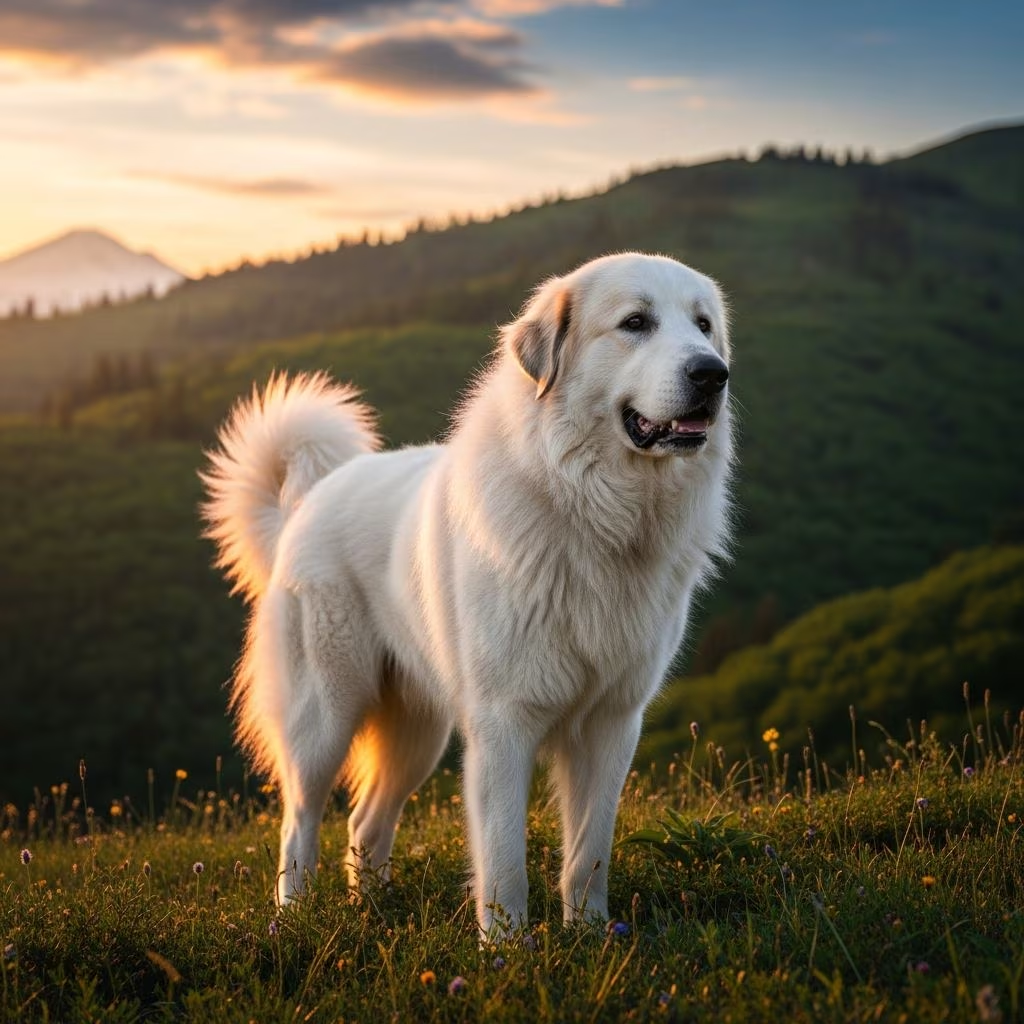
Great Pyrenees Dog Breed Overview
The Great Pyrenees, also known as the Pyrenean Mountain Dog, is a majestic giant breed with a rich history spanning centuries. These dogs were originally bred on the snowy mountaintops of the Pyrenees Mountains to guard sheep and protect them from predators like wolves and bears. Today, they remain one of the most beloved large dog breeds, known for their striking white coat, gentle temperament, and unwavering loyalty to their families.
The breed’s origins trace back to the mountain valleys of the Pyrenees, where they developed their independent nature and strong guarding instincts. These characteristics remain deeply ingrained in the breed today, making them excellent guardians while also requiring experienced dog owners who understand their unique needs.
Physical Characteristics and Appearance
The Great Pyrenees is an impressively large breed that commands attention with its elegant bearing and striking appearance. These dogs convey a distinct impression of beauty combined with great overall size and majesty.
Size and Weight
Great Pyrenees are substantial dogs that require adequate space in the home. Male Great Pyrenees typically stand between 27 and 32 inches tall and weigh a minimum of 100 pounds, with some individuals reaching up to 160 pounds. Female Great Pyrenees are slightly smaller, ranging from 25 to 29 inches in height and weighing a minimum of 85 pounds. Despite their impressive size, these dogs possess medium substance with a well-balanced frame that combines elegance with strength.
Coat and Color
One of the most distinctive features of the Great Pyrenees is their luxurious double coat. The coat consists of a long, coarse outer layer and a dense, wooly undercoat that provides protection from harsh mountain weather. The breed is predominantly white, though they may have markings of badger, gray, or varying shades of tan, typically on the head and ears. More abundant fur grows around the neck and shoulders in males to form an impressive ruff or mane.
Facial Features
The head of a Great Pyrenees is not heavy in proportion to their body size and features a slightly rounded crown with a wedge shape. Their medium-sized, almond-shaped eyes are set slightly obliquely and are rich dark brown in color, giving them an intelligent and contemplative expression. The nose is black and round, while their small to medium-sized V-shaped ears are rounded at the tips and hang flat to the head. The breed’s overall facial structure conveys intelligence, kindliness, and a regal demeanor.
Temperament and Personality
The temperament of the Great Pyrenees is characterized by confidence, gentleness, and affection. These dogs are known as “gentle giants” because of their calm, well-mannered nature combined with their impressive size. When properly trained and socialized, Great Pyrenees are intelligent, composed, and incredibly devoted to their families.
Family Compatibility
Great Pyrenees are generally friendly and well-suited to family life. They tend to be patient and affectionate with children who are taught to respect the dog’s space and boundaries. These dogs developed their patience from their ancestors’ long hours watching sheep in mountain valleys, a trait that translates well to family environments. They are typically gentle and trustworthy with well-behaved children and make wonderful family companions.
Social Behavior with Other Pets
When well trained and socialized, Great Pyrenees typically do well with other dogs, especially those smaller than themselves. Their ancestry as flock guardians means they are naturally inclined to coexist peacefully with other animals. They are particularly good with cats and smaller dogs that have been properly introduced. However, they may occasionally perceive large, powerful, untrained dogs as threats due to their protective instincts.
Reserved Nature with Strangers
Great Pyrenees tend to be reserved around strangers, which reflects their independent heritage. While they are affectionate with family members, they maintain a watchful attitude toward unfamiliar people. This protective tendency makes early socialization and exposure to various people, places, and situations crucial for developing a well-rounded dog that can distinguish between normal situations and genuine threats.
Independent and Strong-Willed
These dogs are strong-willed and independent, traits inherited from their origins as autonomous guardians. Unlike breeds bred for eager obedience, Great Pyrenees think for themselves and will make decisions based on what they perceive as threats. This independence can make training more challenging and requires patience, consistency, and a confident handler.
Training and Socialization
Training a Great Pyrenees requires a different approach than training breeds bred for eager obedience. Early training and socialization are absolutely essential for this breed.
Starting Early
Begin basic obedience training as soon as you bring your Great Pyrenees puppy home. Use positive reinforcement methods that reward good behavior rather than punishing mistakes. These intelligent dogs respond well to consistency and clear expectations. Training sessions should be kept relatively short and engaging, as this breed can become bored with repetitive exercises.
Socialization Importance
Exposing your Great Pyrenees puppy to a wide variety of environments, people, animals, sights, and sounds is critical. This early exposure prepares your dog to be confident and calm in any situation and helps moderate excessive protectiveness. Proper socialization during puppyhood can prevent fear-based aggression and territorial overprotectiveness in adulthood.
Managing Barking Tendencies
Great Pyrenees have a natural instinct to bark, inherited from their guarding heritage. They will alert you to activity around the house and neighborhood, and this trait cannot be completely eliminated. However, with training and management, you can teach them to respond appropriately to commands and reduce excessive barking. Understanding that barking is natural for this breed helps set realistic expectations.
Training Challenges
Expect that a Great Pyrenees will not necessarily win obedience championships. Their independent nature means they may not comply with every command, especially if they perceive a situation differently than their handler. Patience during training is absolutely essential, and owners should accept that this breed operates partly on its own judgment.
Exercise and Activity Needs
Great Pyrenees require moderate exercise appropriate to their size and temperament. These dogs were bred to work all day in mountain valleys, but modern Great Pyrenees living in family homes need regular activity to maintain health and happiness.
Daily Activity Recommendations
Regular walks and outdoor time are important for Great Pyrenees, though they don’t require the intense exercise demands of some other large breeds. A combination of daily walks, free time in a securely fenced yard, and mental stimulation through training and play helps keep them healthy and content.
Climate Considerations
Climate plays a significant role in an ideal environment for these dogs. Great Pyrenees were initially bred on snowy mountain tops, meaning they are accustomed to lower temperatures and don’t do well in hot weather. In warm climates, it’s essential to provide shade, fresh water, and air-conditioned spaces, and to avoid strenuous exercise during the hottest parts of the day.
Health and Nutrition
Great Pyrenees are fairly hardy dogs that generally do well on high-quality dog food. They are not extremely prone to food allergies or intolerances, though these can occur occasionally. Maintaining appropriate nutrition helps support their large frame and active lifestyle.
Common Health Considerations
As with all large dog breeds, Great Pyrenees can be prone to certain health conditions. Regular veterinary checkups, maintaining a healthy weight, and providing appropriate exercise help prevent many common problems. Working with a veterinarian familiar with large breed dogs ensures your Great Pyrenees receives appropriate preventive care and screening for breed-specific conditions.
Grooming and Coat Care
Despite their striking appearance and thick double coat, Great Pyrenees are relatively low maintenance when it comes to grooming compared to many other large breeds. Their coat is designed to shed dirt and debris naturally, particularly when it dries. However, regular brushing helps manage shedding and keeps the coat healthy. During shedding seasons, more frequent brushing prevents excess fur around the home. Occasional baths help keep the coat clean and fresh, though over-bathing can strip natural oils from the skin.
Living Arrangements and Environmental Needs
Great Pyrenees thrive best in suburban or rural areas where they can enjoy quiet time and a predictable, orderly routine. These dogs prefer having adequate space to spread out and roam, making them less suited to apartment living than smaller breeds. They are natural guardians that appreciate secure fencing and clear boundaries of their territory.
Ideal Home Environment
The ideal home for a Great Pyrenees is one where owners lead a fairly placid life and can provide a calm, stable environment. These dogs don’t require constant entertainment or interaction and actually prefer a peaceful household. Families with active, chaotic lifestyles may find the breed’s need for calm and routine challenging.
Space Requirements
A securely fenced yard is highly recommended for Great Pyrenees, as it provides them space to exercise and patrol their territory. A minimum lot size should allow them adequate room to move and explore. These dogs are not designed for high-rise apartments or very small living spaces.
Is a Great Pyrenees Right for You?
The Great Pyrenees is an excellent choice for families that have prior experience with similar guarding breeds and can meet their specific needs. These dogs are wonderful companions for the right household, but they require commitment to proper training, socialization, and understanding of their independent nature.
Ideal Owner Profile
Potential owners should be confident, patient individuals who understand and respect the breed’s independent heritage. First-time dog owners may find the breed’s strong will and guarding instincts challenging to manage. Experienced dog owners who appreciate the breed’s unique characteristics and have the space and lifestyle to accommodate them make the best match.
Key Considerations
Before bringing a Great Pyrenees into your home, consider the following:
- Do you have adequate space in a suburban or rural setting?
- Can you commit to early training and ongoing socialization?
- Do you live in a climate that suits a cold-weather breed?
- Are you prepared for a dog that thinks independently and barks?
- Can you provide a calm, stable home environment?
- Do you have prior experience with large or guardian breeds?
Breed Maturity and Development
Great Pyrenees reach physical maturity earlier than behavioral maturity. While these dogs are considered adults at 1 year of age, they can take up to 2 years to mature behaviorally. During this extended development period, continued training, socialization, and patient guidance help shape them into well-adjusted adults. Understanding that adolescent Great Pyrenees may test boundaries and push limits helps owners maintain appropriate expectations during this phase.
Frequently Asked Questions
Q: How much space does a Great Pyrenees need?
A: Great Pyrenees thrive best in suburban or rural areas with adequate yard space. They require a secure fence and room to roam, making them better suited to larger properties than apartments or small homes.
Q: Are Great Pyrenees good with children?
A: Yes, Great Pyrenees are generally gentle and patient with children when properly socialized. However, their large size requires supervision, and children should be taught to respect the dog’s boundaries.
Q: How much exercise do Great Pyrenees need?
A: Great Pyrenees require moderate exercise including daily walks and outdoor time. They don’t need intense activity but benefit from regular physical and mental stimulation.
Q: Can Great Pyrenees live in hot climates?
A: Great Pyrenees struggle in hot climates due to their mountain heritage and heavy coat. They require shade, air conditioning, and limited activity during hot weather.
Q: Do Great Pyrenees bark a lot?
A: Yes, Great Pyrenees have a natural instinct to bark as part of their guarding heritage. Training can help manage excessive barking, but some barking is inherent to the breed.
Q: Are Great Pyrenees easy to train?
A: Great Pyrenees are intelligent but independent, making them more challenging to train than breeds bred for eager obedience. Early socialization and consistent, patient training are essential.
References
- Great Pyrenees Official Standard — Great Pyrenees Club. 2024. https://greatpyrenees.club/great-pyrenees-official-standard/
- Great Pyrenees Breed: Characteristics, Care & Photos — Chewy. 2025-06-04. https://www.chewy.com/education/dog-breeds/great-pyrenees
- Great Pyrenees Dogs: Size, Temperament, Breed Information, and Health — Brown Vet Hospital. 2024. https://brownvethospital.com/blog/great-pyrenees-dogs/
- Great Pyrenees Dog Breed — Hill’s Pet Nutrition. 2024. https://www.hillspet.com/dog-care/dog-breeds/great-pyrenees
- Pyrenean Mountain Dog — Wikipedia. 2024. https://en.wikipedia.org/wiki/Pyrenean_Mountain_Dog
- Great Pyrenees Dog Breed Information — American Kennel Club. 2024. https://www.akc.org/dog-breeds/great-pyrenees/



