Great Pyrenees Aggression Myth: 3 Truths To Know
Unravel the truth about Great Pyrenees temperament: gentle guardians or aggressive giants? Discover facts on their protective nature.
Great Pyrenees Aggression Myth
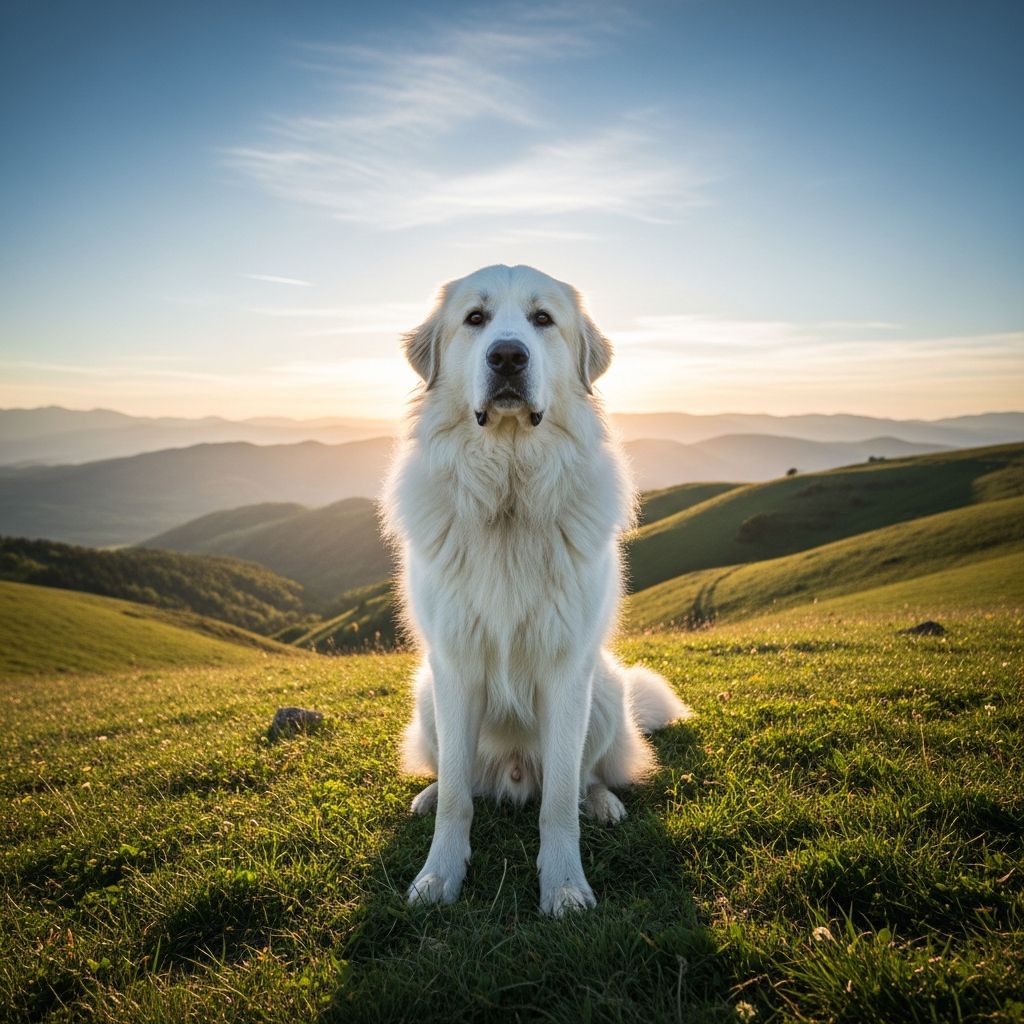
The Great Pyrenees, often called Pyrs, are majestic livestock guardians renowned for their serene demeanor rather than unprovoked aggression. Far from being inherently aggressive, these dogs exhibit a calm, patient temperament when raised with proper socialization and training, primarily channeling their protective instincts toward family and property.
Origins and Purpose of the Breed
Originating from the rugged Pyrenees Mountains between France and Spain, Great Pyrenees were selectively bred over centuries to safeguard flocks from predators like wolves and bears in harsh, isolated terrains. This historical role shaped their independent nature and vigilant guarding behavior, emphasizing quiet watchfulness over offensive attacks.
Breed standards highlight their elegant stature and white coat, designed for camouflage in snowy landscapes. Males typically stand 27-32 inches tall and weigh over 100 pounds, while females measure 25-29 inches and start at 85 pounds. Their double coat—coarse outer layer and fine undercoat—provides insulation against extreme weather.
Understanding Their Temperament Profile
Great Pyrenees possess a confident, gentle, and affectionate personality, marked by quiet composure and tolerance. They remain patient with family members, including children, but display reserved caution toward strangers, a trait rooted in their livestock protection heritage.
- Calm and Patient: Pyrs are known as gentle giants, thriving in predictable routines and exhibiting low energy indoors.
- Loyal Protectors: Fearless loyalty drives them to defend their “flock,” which they extend to human families.
- Independent Thinkers: Bred to work autonomously, they can appear stubborn during training sessions.
Contrary to aggression myths, their demeanor stays composed unless a genuine threat arises. They bark frequently to deter intruders, a vocal rather than physical defense mechanism.
Do Great Pyrenees Show Aggressive Tendencies?
No evidence supports claims of inherent aggression in well-bred, properly raised Great Pyrenees. Their protective responses stem from instinct, not malice—deploying only when perceiving danger to their charges. Poor socialization can amplify wariness into overprotectiveness, but this is preventable.
| Trait | Great Pyrenees | Common Misconception |
|---|---|---|
| Temperament | Gentle, patient, affectionate | Aggressive attacker |
| Response to Strangers | Reserved, observant | Immediate hostility |
| With Children | Tolerant, protective | Unsafe around kids |
| Training Needs | Early, consistent socialization | Impossible to train |
Statistics from breed clubs and veterinary sources confirm low bite incident rates compared to more reactive breeds, attributing rare issues to neglect or abuse rather than genetics.
Guarding Instincts vs. True Aggression
The distinction lies in intent: guarding involves deterrence through presence and barking, while aggression implies unprovoked harm. Pyrs prioritize de-escalation, using their size and deep bark effectively. They tolerate provocations patiently, intervening decisively only for real threats.
This instinct makes them exceptional watchdogs for rural or suburban homes with large yards, where they patrol boundaries independently. In urban settings, their barking may require management to avoid neighbor complaints.
Training Strategies for Optimal Behavior
Success with Great Pyrenees hinges on early, positive reinforcement training starting at puppyhood. Their intelligence demands patient, firm leadership to counter independence.
- Socialization Exposure: Introduce diverse people, animals, sounds, and environments from 8 weeks to build confidence.
- Obedience Basics: Teach commands like sit, stay, and recall using treats and praise, avoiding force.
- Boundary Setting: Define protected areas and acceptable responses to visitors.
- Consistency: Daily short sessions prevent boredom-induced resistance.
Professional trainers experienced with guardians recommend leash walking in public from young ages to reinforce calm demeanor around stimuli. Maturity at 1-2 years means ongoing reinforcement is key.
Compatibility with Families and Other Pets
Great Pyrenees excel as family companions, showing remarkable gentleness with children who respect their space. They view kids as flock members to nurture.
With other animals:
- Small Dogs/Cats: Generally harmonious, especially if introduced early.
- Large Dogs: Cautious; supervision needed to prevent territorial disputes.
- Livestock: Ideal, reverting to ancestral role seamlessly.
First-time owners may struggle with their size (up to 160 pounds) and willpower, suiting experienced handlers best.
Care Essentials for a Balanced Life
Exercise and Living Space
Moderate daily walks (30-60 minutes) suffice, supplemented by yard roaming. They dislike intense heat due to thick coats, preferring cooler climates. Avoid apartments; spacious, fenced properties are essential.
Grooming Routine
Weekly brushing manages shedding, especially during seasonal blows. Baths quarterly; check ears and nails regularly.
Nutrition and Health
High-quality large-breed food supports joint health. Monitor for hip dysplasia, a common genetic concern. Lifespan: 10-12 years.
Common Myths Debunked
- Myth: Pyrs are vicious. Fact: Protective, not vicious.
- Myth: Untrainable. Fact: Respond well to patient methods.
- Myth: Poor with kids. Fact: Naturally gentle.
Frequently Asked Questions
Are Great Pyrenees good for first-time owners?
Not ideal due to size and independence; experienced owners fare better.
Why do they bark so much?
Barking deters threats; train to distinguish normal from alert sounds.
Can they live in hot climates?
Struggle with heat; provide shade and cool water.
How to stop protective aggression?
Early socialization and desensitization training.
Are female Pyrs less aggressive?
No significant gender difference; both protective.
Choosing and Preparing for Your Pyr
Select from reputable breeders emphasizing health testing. Prepare with secure fencing (6 feet minimum), training tools, and commitment to lifelong socialization. These dogs reward dedication with unwavering devotion.
In summary, Great Pyrenees embody nobility and gentleness, dispelling aggression fears through informed ownership. Their legacy as steadfast guardians continues in modern homes willing to invest in their needs.
References
- Great Pyrenees Official Standard — Great Pyrenees Club of America. Accessed 2026. https://greatpyrenees.club/great-pyrenees-official-standard/
- Great Pyrenees Dogs: Size, Temperament, Breed Information — Brown Vet Hospital. Accessed 2026. https://brownvethospital.com/blog/great-pyrenees-dogs/
- Great Pyrenees Dog Breed — Hill’s Pet Nutrition. Accessed 2026. https://www.hillspet.com/dog-care/dog-breeds/great-pyrenees
- Great Pyrenees Breed: Characteristics, Care & Photos — Chewy. 2025-12-15. https://www.chewy.com/education/dog-breeds/great-pyrenees
- Great Pyrenees Breed Guide — Cascade Veterinary Clinics. Accessed 2026. https://www.cascadevetclinics.com/services/dogs/breeds/great-pyrenees
- Pyrenean Mountain Dog — Wikipedia (informational, primary standards referenced). Accessed 2026. https://en.wikipedia.org/wiki/Pyrenean_Mountain_Dog
- Great Pyrenees — American Kennel Club. Accessed 2026. https://www.akc.org/dog-breeds/great-pyrenees/
Similar Articles







Read full bio of Sneha Tete