

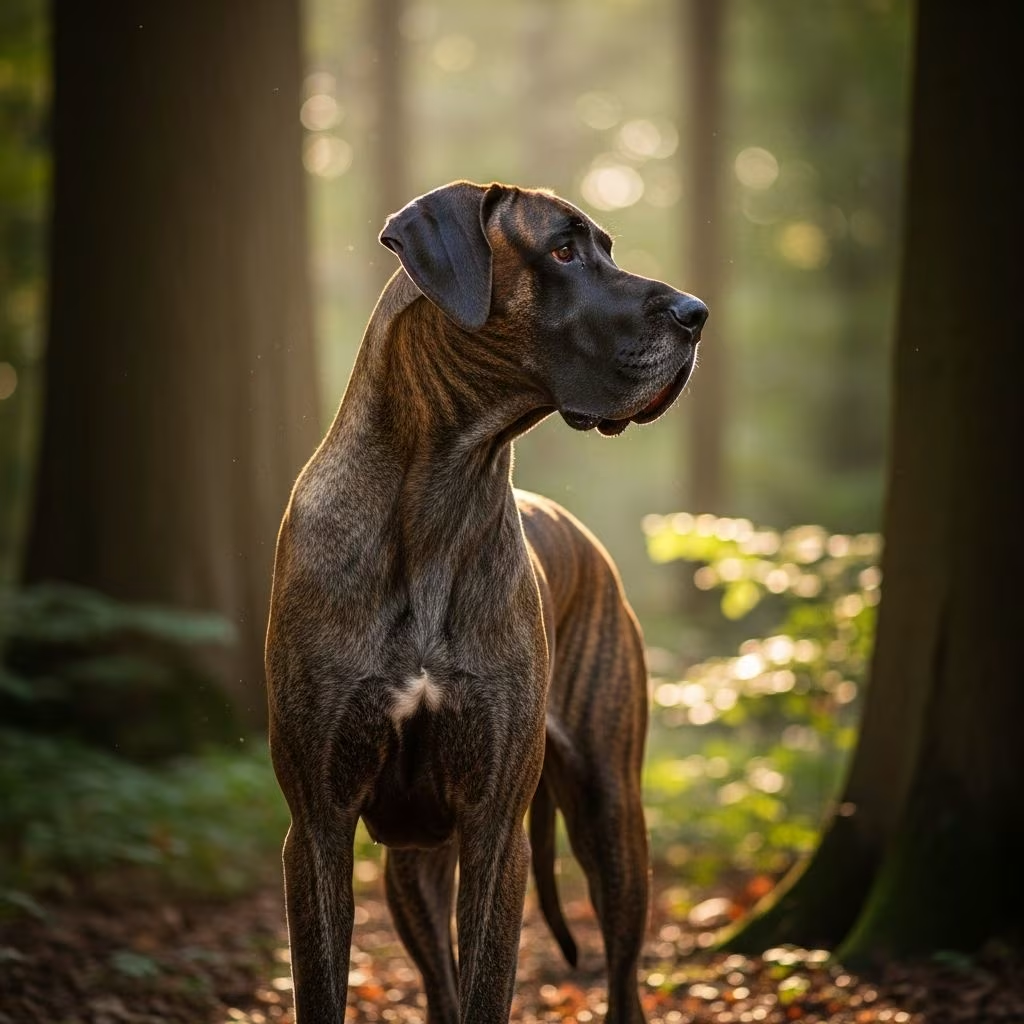
Great Danes originated as powerful boar-hunting dogs in Germany over 400 years ago, bred for their size and strength to tackle dangerous wild game, but today they serve primarily as affectionate family companions rather than active hunters.
Ancient Roots in the Hunt
The story of the Great Dane begins in medieval Europe, where massive dogs resembling mastiffs were essential for nobility pursuing large, ferocious prey like wild boars. These early canines, often called boar hounds, needed exceptional power to pin down and hold boars until hunters could intervene. German breeders selectively developed these traits, combining brute force with agility to create dogs capable of withstanding brutal confrontations in dense forests.
Historical records and artwork from the Middle Ages depict these giants in action, showcasing their role in a hunting style known as ‘by force,’ where dogs gripped prey without killing it. King Frederick II of Denmark in the 16th century enhanced local stock by importing robust English mastiffs, laying foundational genetics for the modern breed. This crossbreeding produced dogs with the stature to dominate boars, marking the inception of what would become the Great Dane.
Key Ancestors and Genetic Mix
Great Danes trace their lineage to a fusion of mastiff-type breeds and sighthounds like the Irish Wolfhound. Mastiffs provided the raw power and muscular build necessary for combat with large game, while sighthounds contributed speed, elegance, and height for pursuit. Other influences may include ancient Alaunts, Tibetan Mastiffs, and even Assyrian war dogs, contributing to the breed’s diverse coat patterns and formidable structure.
- Mastiff Influence: Delivered bulk, jaw strength, and endurance for holding prey.
- Sighthound Traits: Added grace, long legs, and swift chasing ability.
- Ancient Contributors: Possible inputs from nomadic Alani dogs and Egyptian greyhounds for unique markings like harlequin.
This blend ensured the dogs were not just heavy bruisers but balanced athletes, harmonious in form as described in early standards.
Breed Refinement in the 19th Century
By the mid-1800s, as boar populations declined and firearms altered hunting practices, the Great Dane’s purpose shifted. German enthusiasts, including Chancellor Otto von Bismarck, championed the breed, using them as status symbols and companions. The Deutsche Doggen-Club established the first official standard in 1888, emphasizing nobility, proportion, and elegance over pure hunting ferocity.
Breeding focused on taming aggressive instincts, refining head shapes, level toplines, and overall poise. English breeders further polished the type by crossing with Greyhounds, eliminating hound-like features for a more regal silhouette. This era transformed the savage hunter into a refined “Apollo of Dogs,” prized for show rings and estates.
Arrival and Adaptation in America
Great Danes reached American shores in the late 19th century, quickly gaining traction in kennel clubs and exhibitions. The American Great Dane Club, aligned with German ideals, refined the breed by enhancing muscular frames and balanced proportions while adapting to local preferences. Early 20th-century successes at events like the Westminster Kennel Club solidified their prestige.
U.S. breeders prioritized temperament, removing remnants of working intensity to foster the gentle nature seen today. This evolution mirrored societal changes, positioning Great Danes as home guardians and family members rather than field workers.
Physical Traits Suited for Hunting
| Trait | Hunting Advantage | Modern Benefit |
|---|---|---|
| Massive Size (up to 32 inches tall, 150-200 lbs) | Pins down boars effectively | Imposing deterrent for intruders |
| Square-Jawed Head & Powerful Neck | Grips and holds prey securely | Expressive, friendly appearance |
| Deep Chest & Muscular Build | Endurance in prolonged chases | Athletic grace in movement |
| Short Coat (various colors) | Low maintenance in fields | Easy grooming for pets |
These attributes, honed for boar hunting, now contribute to their majestic presence and protective instincts without the need for active fieldwork.
Temperament: From Fierce to Friendly
Original Great Danes were bold and tenacious, ideal for confronting armed boars. Selective breeding softened these edges, yielding dogs known for loyalty, calmness, and affection. Modern Great Danes are “gentle giants,” often oblivious to their size, seeking laps and cuddles despite weighing as much as small humans.
They retain alertness as guardians but lack strong prey drive, making them unsuitable for contemporary hunting. Instead, they excel in therapy work, obedience trials, and as devoted pets, bonding deeply with families.
Modern Roles Beyond the Hunt
Today’s Great Danes thrive as companions, show dogs, and occasional cart-pullers, echoing milder historical uses. Their size suits protection without aggression, and many participate in canine sports emphasizing agility over hunting. Health considerations like bloat and heart issues influence breeding, prioritizing longevity over historical vigor.
- Family Pets: Loving with children, if socialized early.
- Guard Dogs: Bark and presence suffice.
- Therapy Dogs: Gentle demeanor comforts.
Are Great Danes Still Hunting Dogs?
No, Great Danes are not considered hunting dogs in the modern sense. Their instincts have been bred out over generations, and organizations like the AKC classify them as working dogs for historical guardianship rather than active field roles. While some retain chase tendencies, they lack the drive or training for ethical hunting today.
Owners report minimal hunting aptitude; instead, they prefer lounging. Ethical breeding emphasizes companionship, distancing the breed from its predatory past.
Care Tips for Great Dane Owners
To honor their heritage while ensuring well-being:
- Exercise: Moderate daily walks prevent obesity; avoid intense runs due to joint stress.
- Diet: Large-breed puppy food to control growth; portion control combats bloat risk.
- Training: Early socialization curbs size-related issues; positive reinforcement suits their eager-to-please nature.
- Health Screening: Test for hip dysplasia, cardiomyopathy via OFA/AKC programs.
Frequently Asked Questions (FAQs)
Can Great Danes hunt boar today?
While historically capable, modern Great Danes lack the specialized training and drive; it’s neither practical nor recommended due to welfare concerns.
How did Great Danes get their name?
The name stems from 16th-century Danish nobility’s involvement, though the breed developed primarily in Germany as the “German Boarhound.”
Are Great Danes good with other pets?
Yes, when raised together, their low prey drive makes them tolerant, though supervision with small animals is advised.
What is the lifespan of a Great Dane?
Typically 7-10 years; proper care can extend this.
Why are Great Danes called gentle giants?
Their massive size contrasts with calm, loving temperaments, making them affectionate despite appearance.
References
- Great Dane History: The Apollo of the Dogs — American Kennel Club (AKC). Accessed 2026. https://www.akc.org/expert-advice/dog-breeds/great-dane-history-the-apollo-of-the-dogs/
- The Great Dane Breed History — Creed Danes Kennel. Accessed 2026. http://www.creeddanes.ch/en/the-breed/
- Great Dane – Full History — YouTube (Video Transcript). Accessed 2026. https://www.youtube.com/watch?v=xNYJ9xd6gu8
- The Majestic Great Dane: A Look at Their Breeding History — The Big Damn Dog Co. Accessed 2026. https://thebigdamndogco.com/blogs/the-better-years-blog/the-majestic-great-dane-a-look-at-their-breeding-history
- Great Dane — Encyclopædia Britannica. Accessed 2026. https://www.britannica.com/animal/Great-Dane



