

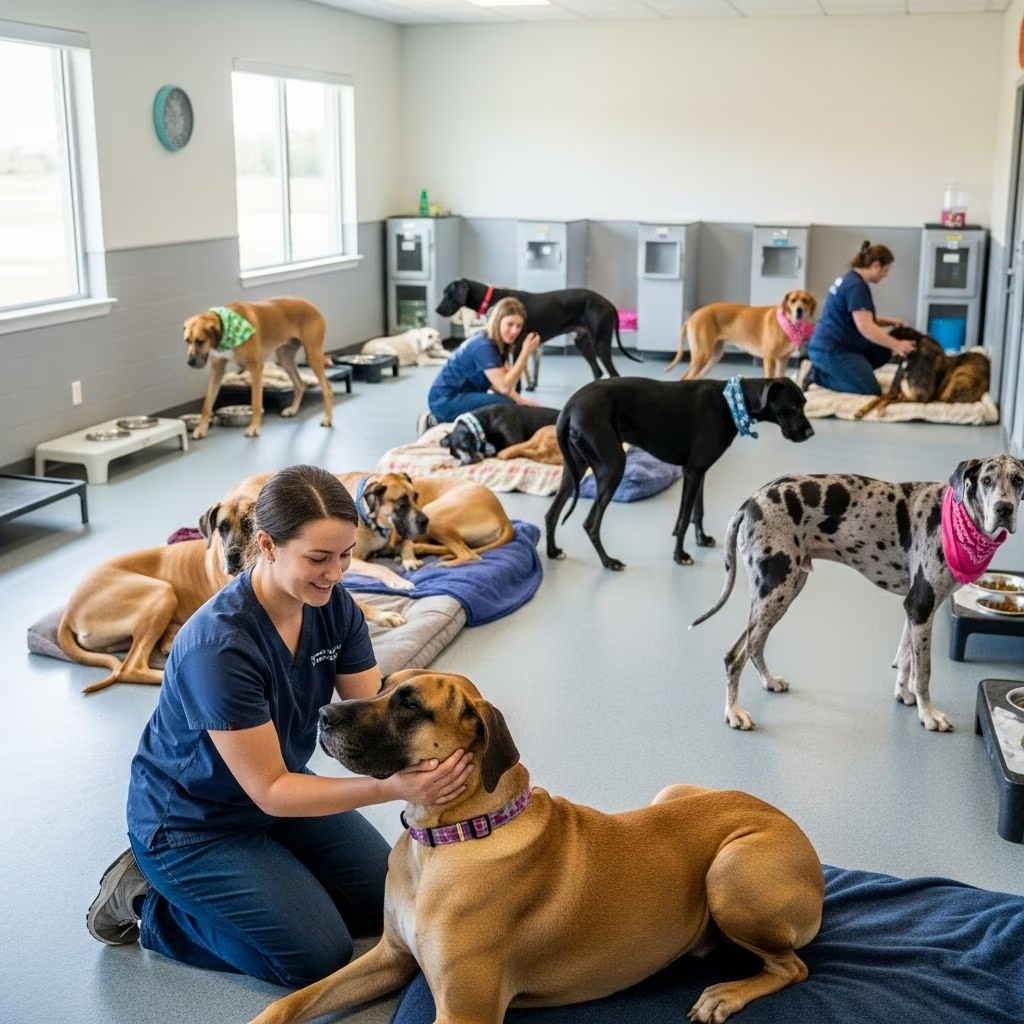
Understanding Great Dane Rescue Operations
Great Dane rescue organizations play a vital role in providing sanctuary and care for abandoned, surrendered, and neglected dogs of this magnificent breed. These dedicated nonprofits operate on limited budgets and passionate volunteers to give second chances to gentle giants that have fallen on hard times. With operations caring for dozens of dogs simultaneously—such as facilities managing 84 Great Danes—these organizations demonstrate remarkable commitment to animal welfare and breed-specific rescue.
The primary mission of Great Dane rescue groups is twofold: to provide immediate care and medical attention to dogs in need, and to find them permanent, loving homes with qualified families. This requires extensive resources, veterinary expertise, and a deep understanding of the breed’s unique requirements. Great Dane rescue organizations serve as bridges between dogs in distress and the families ready to welcome them.
The Reality of Great Dane Rescue
Great Danes end up in rescue for various reasons. Some owners underestimate the breed’s size and care requirements, others face financial hardship or life changes, and some dogs come from neglectful or abusive situations. Rescue organizations must assess each dog’s physical and behavioral health, provide necessary medical treatment, and prepare them for adoption. This process can take weeks or months, depending on the individual dog’s needs.
Large-scale rescue operations caring for 84 or more Great Danes face unique challenges. The sheer volume of food consumption, veterinary care, housing, and staff time required is substantial. Each dog requires individual attention, proper socialization, and behavioral assessment to ensure successful placements. Despite these challenges, dedicated rescue teams persist in their mission to help as many dogs as possible.
Essential Care Requirements for Great Danes
Feeding and Nutrition
Proper nutrition is fundamental to Great Dane rescue operations. These large dogs have specific dietary needs that must be carefully managed. Following proper feeding protocols helps rescue operations maintain the health of their charges while preventing common health issues.
Key feeding guidelines include:
- Feed twice or three times daily to prevent bloat, a serious and potentially fatal condition common in the breed
- Portion meals appropriately—the total daily quantity should be divided by 2 or 3, not doubled or tripled
- Place food and water bowls just below shoulder height to aid digestion
- Use slow-feeder bowls to help dogs pace themselves during meals
- Provide fresh, high-quality food that is more digestible than typical kibble
- Always maintain fresh water that is easily accessible and left out of direct sunlight
- Avoid free-feeding; instead, structure meal sizes and times precisely
For rescue operations managing large numbers of dogs, meal preparation is a significant undertaking. Each meal must be freshly prepared when possible, and careful oversight is necessary during feeding times to prevent conflicts between dogs and ensure all animals receive adequate nutrition.
Exercise and Physical Activity
Despite their large size and sometimes sedentary appearance, Great Danes require regular daily exercise appropriate to their age. However, exercise protocols must be carefully managed to prevent injury and health complications.
Exercise best practices for Great Danes include:
- Provide 1.5 to 2 hours of daily exercise through brisk walks done two or three times per day
- Exercise dogs before or after meals, with 1.5 hours before eating and 1.5 to 2 hours after eating before resuming activity
- Avoid overexertion in puppies and young dogs to prevent joint and bone stress
- Provide both physical exercise and mental stimulation for optimal well-being
- Use varied activities including walks, play, and fun training tasks
Rescue organizations with multiple dogs must develop exercise schedules that ensure each dog receives adequate activity. This may involve staff members, volunteers, and potentially professional dog walkers working together to meet the exercise needs of all animals in their care.
Grooming and Hygiene
Maintaining proper grooming habits is essential for Great Dane health and well-being, even though the breed does not shed excessively relative to their size. Regular grooming is recommended as a daily practice to stimulate natural oils and keep the coat healthy.
Grooming requirements include:
- Brush daily to stimulate natural oils that give the coat shine and luster
- Trim nails regularly and carefully, as overgrown nails cause pain and mobility issues
- Brush teeth twice daily with dog-specific toothpaste, or as often as possible
- Bathe as needed while being mindful not to overbathe, which can dry out the skin
- Establish positive grooming associations early, especially with paw handling and nail trimming
- Prepare vacuum cleaning equipment as part of household management, especially during shedding season
For rescue organizations, establishing good grooming habits early helps make the process positive for dogs and reduces stress during necessary care routines.
Health and Medical Care
Veterinary Requirements
Comprehensive veterinary care is absolutely critical for Great Dane rescue operations. Working with veterinarians experienced in caring for this breed is essential, as Great Danes have breed-specific health considerations.
Essential veterinary practices include:
- Ensure all dogs are microchipped for identification—this is both a legal requirement and proof of ownership
- Work with veterinarians who have experience with Great Dane care and health issues
- Keep comprehensive veterinary records including vaccination history and microchip registration
- Take dogs to veterinary clinics for emergencies rather than requesting home visits
- Prioritize joint and bone health through appropriate nutrition and exercise management
- Screen for bloat risk and implement preventive measures
- Maintain proper worming protocols with either natural products or medications prescribed by veterinarians
Prevention of Common Health Issues
Great Danes are susceptible to several breed-specific health concerns. Rescue organizations must actively work to prevent these issues through proper nutrition, exercise management, and preventive care.
Bloat prevention is perhaps the most critical concern. This life-threatening condition requires multiple daily meals, proper feeding schedules with exercise timing, and careful monitoring. Organizations must educate adopters about bloat warning signs and prevention strategies.
Joint and bone health require special attention, particularly in puppies and young dogs. Rapid growth puts stress on developing bones, making high-quality, large-breed puppy food essential. Limiting excessive exercise during the first year helps prevent developmental orthopedic disease.
Preparing for Adoption
Home Preparation Requirements
Successful Great Dane adoptions begin with thorough home preparation. Prospective adopters must create an environment suitable for a large, gentle breed with specific needs.
Home preparation includes:
- Purchasing appropriately sized beds with padding to prevent elbow calluses
- Selecting suitable food and water bowls that can be placed on stands at shoulder height
- Acquiring toys appropriate for a large breed
- Ensuring adequate shade and ventilation both indoors and outdoors
- Securing the home to prevent escapes and ensure safety
- Preparing space for crate training to support house training and safety
First Days With Your Rescue Great Dane
The transition period is critical for helping a rescue Great Dane adjust to their new home. Taking time off work during the first few days is highly recommended to provide supervision and support.
Early adaptation strategies include:
- Plan for extensive supervision during initial exploration as dogs adjust to new smells and environments
- Be prepared for frequent outdoor trips, especially if the dog is young
- Schedule a veterinary appointment early to assess the dog’s health status and transfer medical records
- Keep digital copies of all vaccination and medical records for easy access when traveling
- Maintain consistent family rules regarding feeding times, potty breaks, and training cues
- Ensure everyone in the household understands the established protocols
Training and Behavioral Considerations
Potty Training
Potty training requires patience and consistency, particularly for younger rescue dogs. Older dogs may already be trained or partially trained, reducing the learning curve.
Effective potty training practices include:
- Take dogs outside frequently and praise successes enthusiastically
- Learn the dog’s body language to anticipate bathroom needs
- Be gentle but consistent in approach and expectations
- Maintain regular schedules to help dogs understand expectations
Addressing Separation Anxiety
Great Danes are highly human-oriented and prone to separation anxiety. Rescue organizations and new owners must take proactive steps to prevent this behavioral issue, which can develop when dogs are left alone for extended periods.
Separation anxiety prevention includes:
- Never leave Great Danes alone for more than a few hours at a time
- Arrange for dog walkers or sitters to provide social interaction and exercise during work hours
- Use crate training to create a safe, secure space
- Implement gradual desensitization to alone time
- Provide mental stimulation through toys and training exercises
Early and Consistent Training
Great Danes benefit from early, consistent training that establishes clear boundaries and expectations. This is particularly important given their large size and strength.
The Role of Rescue Organizations in Community
Great Dane rescue operations do far more than simply house and feed dogs. They serve as educational resources for the community, helping potential adopters understand the commitment required for this breed. Rescue organizations provide extensive information about proper care, nutrition, exercise, and training to ensure successful adoptions and prevent future surrenders.
By caring for dozens of dogs simultaneously, rescue organizations like those managing 84 Great Danes demonstrate the scale of need in their communities. These groups rely on donations, volunteers, and grants to continue their vital work. Supporting local rescue operations through adoption, donation, or volunteering helps save lives and reduce the suffering of abandoned dogs.
Making the Decision to Adopt
Adopting a rescue Great Dane is a significant commitment but an incredibly rewarding experience. Prospective adopters should carefully consider whether they can meet the breed’s substantial needs, including regular veterinary care, proper nutrition, adequate exercise, and consistent training. Rescue organizations help match dogs with suitable families, ensuring the best possible outcomes for both dogs and their new owners.
By understanding the care requirements and committing to responsible ownership, adopters give rescued Great Danes a second chance at happiness and security. These gentle giants repay that commitment with loyalty, affection, and the joy of being part of a loving family.
Frequently Asked Questions
Q: Why do Great Danes need to eat multiple times per day?
A: Multiple daily meals help prevent bloat, a serious and potentially fatal condition common in Great Danes. Feeding two to three times daily prevents overloading the stomach and reduces the risk of this emergency condition.
Q: How much exercise does a Great Dane need daily?
A: Great Danes require 1.5 to 2 hours of daily exercise, typically accomplished through brisk walks done two or three times per day. Exercise should be timed appropriately around meals to prevent bloat.
Q: What should I prepare before bringing home a rescue Great Dane?
A: Prepare your home with appropriately sized beds, food and water bowls on stands at shoulder height, toys, crate training setup, and ensure adequate shade and ventilation. Also schedule an early veterinary appointment and arrange time off work for the first few days of adjustment.
Q: Are Great Danes prone to separation anxiety?
A: Yes, Great Danes are highly human-oriented and can develop separation anxiety when left alone for extended periods. They should not be left alone for more than a few hours at a time, and professional dog walkers or sitters should provide care during work hours.
Q: What health issues should Great Dane owners be aware of?
A: Great Danes are prone to bloat, joint and bone issues, and other breed-specific health concerns. Working with veterinarians experienced in Great Dane care, maintaining proper nutrition with large-breed food, and ensuring appropriate exercise are essential preventive measures.
Q: How often should I groom my Great Dane?
A: Daily grooming is recommended to stimulate natural oils and maintain coat health. Regular nail trimming, tooth brushing twice daily (or as often as possible), and bathing as needed are also important components of Great Dane grooming.
Q: Can Great Danes live in apartments?
A: While Great Danes are large, they can adapt to apartment living if they receive adequate daily exercise and mental stimulation. However, they require space to stretch out comfortably and benefit from having outdoor access or nearby parks for walks.
Q: What is the best food for a Great Dane?
A: High-quality, large-breed food is essential for proper nutrition and joint health. Fresh, lightly cooked food has been shown to be more digestible than typical kibble and promotes better digestion and gut health. Consult with your veterinarian for specific recommendations based on your dog’s age and health status.
References
- General Care — National Great Dane Rescue. Accessed 2025. https://ngdr.co.uk/general-care/
- The Great Dane Guide: History, Personality, Food, Training, Care and More — The Farmer’s Dog. 2024. https://www.thefarmersdog.com/digest/the-great-dane-guide-history-personality-food-training-care-and-more/
- Adopting a Great Dane — Have Dane Will Travel. 2024. https://havedanewilltravel.com/adopting-a-great-dane/
- Great Dane Dog Breed Guide: Care & Training — BorrowMyDoggy. 2024. https://www.borrowmydoggy.com/doggypedia/dog-breed-guides-great-dane
- Great Dane Dog Breed Information — American Kennel Club. 2024. https://www.akc.org/dog-breeds/great-dane/



