

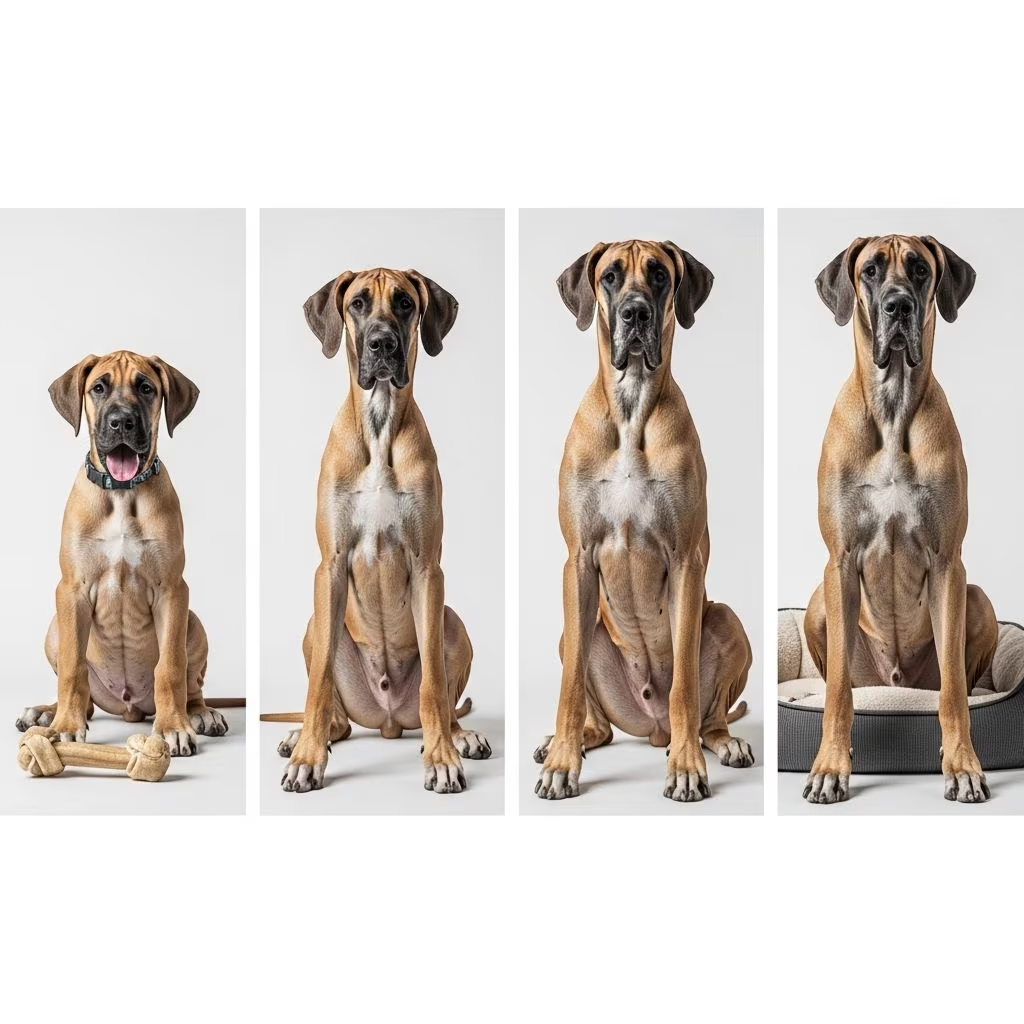
Great Danes, known for their towering stature and gentle demeanor, undergo an extended period of physical and behavioral development compared to smaller breeds. These giant puppies often remain playful and energetic well into their second or third year of life, reaching full emotional maturity around **2 to 3 years**. This timeline is influenced by their rapid growth spurts, which can lead to periods of clumsiness, fearfulness, and testing boundaries.
Understanding Growth spurts in Great Danes
The physical transformation of a Great Dane is remarkable. Puppies double or triple in size within months, leading to a body that outpaces their coordination and mental maturity. Males can reach 140 pounds by one year, while females top out around 120 pounds, but skeletal maturity isn’t complete until 18-24 months.
| Age | Male Weight (lbs) | Female Weight (lbs) |
|---|---|---|
| Birth | 1-3 | 1-3 |
| 2 Months | 15-30 | 12-25 |
| 6 Months | 65-100 | 60-85 |
| 12 Months | 95-140 | 85-120 |
| 18-24 Months | Full Mature Size | Full Mature Size |
This rapid expansion contributes to prolonged puppy-like behavior, as their energy levels remain high while their bodies adjust.
Key Developmental Phases from Puppy to Adult
Great Danes progress through distinct behavioral stages, each presenting unique challenges and opportunities for training. Recognizing these helps owners set realistic expectations and intervene early.
Early Socialization Window (6-12 Weeks)
During this phase, a Great Dane puppy’s brain develops adult-like thinking capabilities. It’s ideal for building human bonds, crate training, and basic commands like sit, stay, and come. Focus on positive associations without punishment—simply withhold rewards for unwanted actions. Establish household rules for sleeping, eating, and elimination right away to foster confidence.
- Expose to gentle handling and new environments under supervision.
- Begin loose-leash walking to prevent pulling as they grow stronger.
- Avoid overwhelming stimuli to build a secure foundation.
Fear Imprint Period (12-16 Weeks)
Puppies become easily startled, and negative experiences can leave lasting impacts. Supervise interactions with children or other pets closely. Teach bite inhibition as they discover jaw strength, and reinforce pack leadership to curb early dominance signs. Consistent, positive training formalizes behaviors before bad habits form.
Owners often mistake growling or pushiness as cute at this size, but these can escalate dangerously by 16 months when the dog weighs over 100 pounds.
Adolescent Challenges (6-16 Months)
This “teenage” stage brings growth spurts, making dogs gangly and nerve-prone. A second fear period around 8-16 months heightens reactions to novel sights or sounds. Behaviors like ignoring commands, pushing with their body weight, or rudeness with other dogs emerge. Maintain leadership by walking confidently past fears without coddling, and intensify training sessions.
- Practice obedience in distracting environments.
- Use high-value rewards to regain focus.
- Seek professional trainers if dominance issues arise.
Social Maturity Onset (18-36 Months)
By 2 years, equivalent to an 18-year-old human in impulsivity, Great Danes enter social maturity. Full physical growth completes around 24 months, and with proper guidance, hyperactivity diminishes. Energy shifts from chaotic zooming to calmer play, though exercise needs remain high.
Proven Training Strategies for Calming High Energy
Training is pivotal to accelerating maturity. Start basics at 8 weeks, as Great Danes learn quickly but require consistency due to size.
Potty Training Essentials
Housebreaking takes 3-5 months with patience. Frequent outdoor trips, praise for success, and crate use prevent accidents. Their large bladders fill quickly, so schedule every 2-4 hours initially.
Socialization Best Practices
Optimal from 1-4 months, expose to diverse people, sounds, and places positively. For adults, start distant controlled meets. Larger breeds need extra socialization to counter protective instincts.
| Stage | Socialization Focus | Tips |
|---|---|---|
| Puppy (8-16 Weeks) | People, pets, environments | Short, positive sessions; certified behaviorist guidance |
| Adolescent (3-9 Months) | Ownership behaviors | Reinforce boundaries; group classes |
| Adult | Controlled interactions | Distance starts; reward calm demeanor |
Managing Juvenile Behaviors
Counter jumping, mouthing, and tearing with redirection to toys. Their size amplifies normal puppy antics, so supervise kids rigorously.
Exercise and Mental Stimulation Needs
Daily 1-2 hours of activity prevents restlessness. Mix walks, fetch, and puzzle toys to tire mind and body. Avoid high-impact until joints mature post-18 months to protect against dysplasia.
- Long walks on loose leash.
- Obedience drills for mental work.
- Swimming for low-impact cardio.
Health Factors Affecting Calmness
Nutritional balance supports steady growth; overfeeding exacerbates joint stress. Monitor for fear aggression from poor socialization, which training mitigates. Adult coat emerges by 7 months, signaling hormonal shifts toward maturity.
Common Pitfalls and How to Avoid Them
- Inconsistent rules: Leads to confusion; enforce uniformly.
- Over-socializing without supervision: Risks trauma during fear periods.
- Ignoring early dominance: Small wins become big problems.
- Insufficient exercise: Fuels hyperactivity past 18 months.
FAQs
When do Great Danes physically mature?
Most stop major growth by 18-24 months, with full size at 2 years.
How long does potty training take?
Typically 3-5 months with consistent effort.
Why is my 1-year-old Great Dane so hyper?
Adolescence mimics teen rebellion; intensify training and exercise.
Can Great Danes be trained like smaller dogs?
Yes, but start early due to size; basics from 8 weeks.
What if my Dane shows fear after 6 months?
Second fear period; lead confidently without forcing.
References
- Developmental Stages of Dogs — Great Dane Rescue. Accessed 2026. http://www.greatdanerescue.com.au/Docs/developmental_stages.pdf
- How to Train a Great Dane Puppy: Milestones & Timeline — American Kennel Club. Accessed 2026. https://www.akc.org/expert-advice/puppy-information/how-to-train-a-great-dane-puppy/
- Great Dane Progression: Growth Chart, Milestones, and Training Tips — A-Z Animals. Accessed 2026. https://a-z-animals.com/animals/great-dane/great-dane-facts/great-dane-progression/
- Guide to Great Danes: What to Expect When Caring for… — Native Pet. Accessed 2026. https://nativepet.com/blogs/health/great-dane-lifespan
- Great Dane Guide | Complete Breed & Care Information — Cascade Veterinary Clinics. Accessed 2026. https://www.cascadevetclinics.com/services/dogs/breeds/great-danes



