

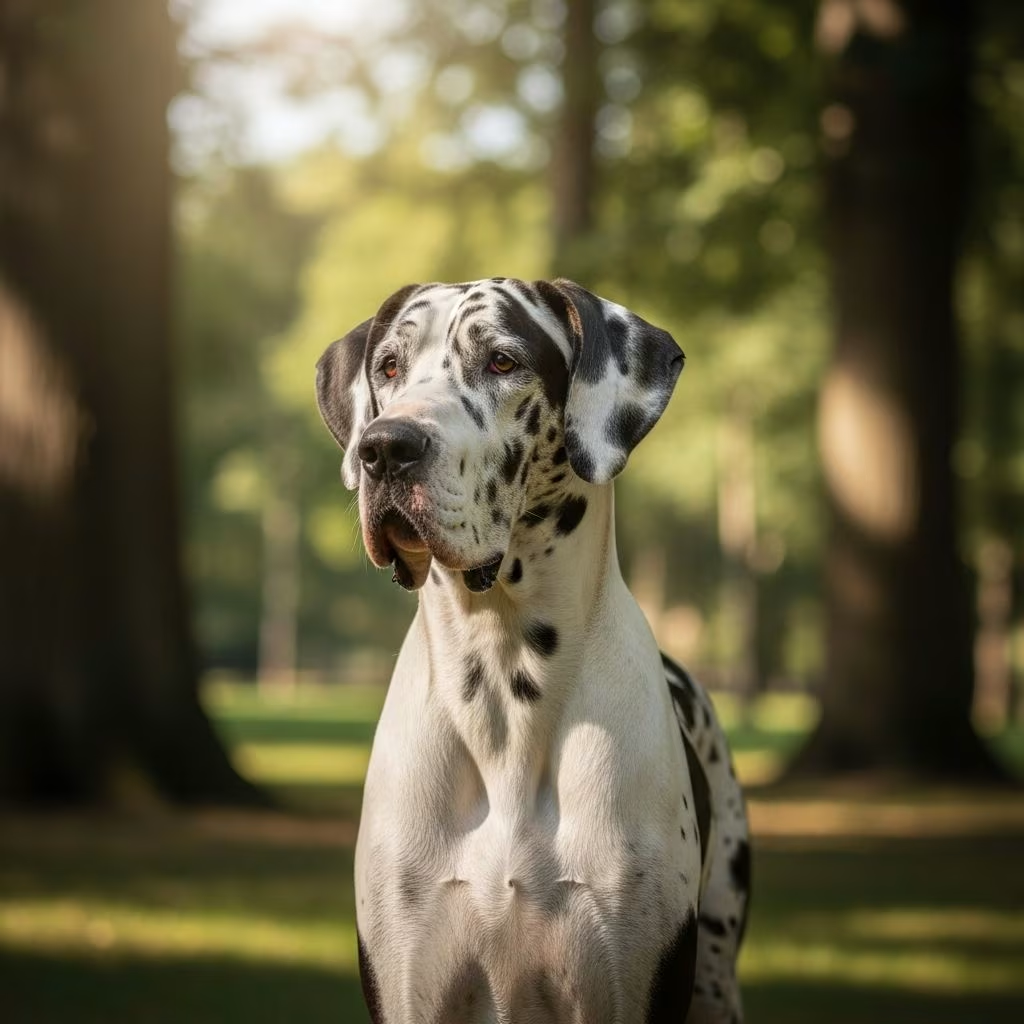
Giant breed dogs command attention with their imposing stature and noble bearing, yet their time with us is considerably brief. The Great Dane lifespan averages between 7 to 10 years, placing these magnificent companions among the shortest-lived dog breeds. This reality presents both a challenge and an opportunity for owners to maximize the quality time they share with their gentle giants.
How Long Do Great Danes Actually Live?
When discussing Great Dane longevity, the numbers tell a sobering story. The typical Great Dane reaches between 8 and 10 years of age, though some individuals may only reach 6 or 7 years, while the fortunate few celebrate their 12th birthday. For context, this represents a substantial gap when compared to the average purebred dog lifespan of approximately 11.9 years, and an even starker contrast to mixed-breed dogs, which average around 13.1 years.
The disparity becomes even more pronounced when examining size categories. Small dog breeds frequently enjoy lifespans that exceed those of their larger counterparts by 1.5 years or more, and can live nearly five years longer than Great Danes. This inverse relationship between size and longevity forms a fundamental biological pattern across canine breeds.
Why Giant Breeds Have Abbreviated Lifespans
The remarkable size advantage that defines Great Danes comes with a significant cost to their longevity. These dogs aren’t merely large; they represent the extreme end of the canine size spectrum, and this physiological reality takes a toll on their systems. Research reveals that size itself is a primary determinant of lifespan—the larger the dog, the shorter the expected years.
When examining comparable giant breeds, the pattern becomes clear. Irish Wolfhounds typically live 6 to 8 years, while Mastiffs average 6 to 10 years. Both breeds share ancestral connections with Great Danes, which may explain their similar longevity profiles. Other unrelated giant breeds demonstrate the same trend: Bernese Mountain Dogs live 7 to 10 years, Dogue de Bordeaux live 5 to 8 years, and Leonbergers average around 7 years.
Genetic Predispositions and Hereditary Health Concerns
Beyond the fundamental size-lifespan relationship, Great Danes face specific genetic vulnerabilities that further compromise their longevity. These hereditary conditions represent significant challenges that owners should understand and monitor.
- Dilated Cardiomyopathy (DCM): This condition causes weakening of the heart muscle and potential enlargement of the heart chamber. It leads to various cardiovascular complications and stands as a primary contributor to shortened lifespans in the breed.
- Gastric Dilatation-Volvulus (GDV) or Bloat: One of the most serious threats to Great Dane health, bloat occurs when the stomach expands and twists. This life-threatening emergency develops rapidly and demands immediate veterinary intervention. Studies suggest that between one-third and one-half of Great Danes will require surgical treatment for this condition during their lifetimes.
- Hip and Elbow Dysplasia: These joint developmental disorders occur because Great Dane skeletal structures develop slowly while supporting tremendous body weight. The resulting joint instability can lead to arthritis, mobility decline, and a reduced quality of life.
- Hypothyroidism: An underactive thyroid gland produces insufficient thyroid hormones, causing vital bodily functions to slow. Symptoms include lethargy, weight gain, and coat changes.
- Cancer: Various malignancies appear frequently among Great Dane mortality statistics and contribute significantly to the breed’s abbreviated lifespans.
The low genetic diversity within the Great Dane breed—a consequence of selective breeding focused primarily on appearance and championship status over the past 150 years—has concentrated these hereditary conditions. This genetic bottleneck, combined with inbreeding depression, creates a population vulnerable to accumulated health issues.
Nutritional Strategies for Extended Longevity
Perhaps no factor remains more within an owner’s direct control than nutrition. What and how owners feed their Great Danes profoundly influences both immediate health and long-term longevity.
Puppy Nutrition and Growth Management
Great Dane puppies present a unique nutritional challenge. These remarkable animals can gain up to 100 pounds in their first year of life. During this critical growth phase, excessive caloric intake or mineral imbalances accelerate skeletal development, creating conditions for musculoskeletal disorders, osteochondritis, and dysplasia. Feeding puppy formulations designed for regular-sized dogs compounds this problem, as these diets contain higher calories and minerals that promote rapid growth in Great Dane youngsters.
Specialized large or giant-breed puppy diets address these concerns through reduced calorie content, carefully balanced protein and mineral levels, and formulations specifically engineered to moderate growth rates. Consultation with a veterinarian during the puppy phase ensures appropriate nutritional support without accelerating problematic development patterns.
Adult Nutrition and Portion Control
Maintaining optimal weight throughout adulthood protects Great Danes from multiple health complications. Obesity can reduce a dog’s lifespan by up to 2.5 years and triggers cascading health problems including osteoarthritis, diabetes, and orthopedic diseases. Adult Great Danes require a diet with relatively high protein content and moderate fat levels to support muscle maintenance and optimal health.
Feeding methodology matters as significantly as food composition. Offering a single large daily meal substantially increases the risk of GDV, the life-threatening bloat condition. Instead, dividing daily nutrition into 2 to 3 smaller meals reduces gastric distension and associated dangers. Portion control remains essential, as even well-intentioned owners often overfeed their affectionate companions.
The Critical Role of Physical Activity and Weight Management
Regular exercise contributes to cardiovascular health, maintains muscle tone, and helps prevent the weight gain that undermines Great Dane longevity. However, exercise recommendations for giant breeds differ from those for smaller dogs. Excessive exercise, particularly repetitive high-impact activities during the growth phase, can stress developing joints and worsen dysplasia risk.
Moderate, consistent activity appropriate to a Great Dane’s age and physical condition supports metabolic function and psychological well-being without imposing harmful stress on vulnerable joints. As these dogs age, lower-impact activities like swimming or walking maintain fitness while minimizing orthopedic strain.
Preventive Veterinary Care and Early Detection
The significance of professional veterinary oversight cannot be overstated. Many Great Danes reach their already modest average lifespan only through comprehensive medical care, including surgical interventions for conditions like GDV and pharmaceutical management of cardiac disease. Regular health screenings, appropriate vaccinations, and proactive monitoring of common breed ailments extend both quantity and quality of life.
Veterinary professionals can identify early signs of hypothyroidism, heart disease, and other conditions, enabling treatment before symptoms significantly impact the dog’s well-being. Genetic screening from reputable breeders—selecting animals with fewer hereditary predispositions—represents an upstream intervention that improves health outcomes for individual dogs and the breed population.
Understanding Maximum Lifespan Potential
While the average Great Dane celebrates a 7 to 10-year lifespan, maximum recorded ages reach into the early teens. In very rare cases, exceptional individuals achieve 13, 14, or even 15 years. These outliers demonstrate that with optimal genetics, exemplary care, and fortunate circumstances, Great Danes possess greater longevity potential than typical outcomes suggest.
Research and breed experts propose that applying established population genetics principles to breeding practices could raise the breed’s average lifespan to 8 or 9 years, representing meaningful progress toward healthier futures for these beloved dogs.
Frequently Asked Questions
Why do Great Danes have such short lifespans compared to smaller dog breeds?
Size itself predicts lifespan across canine breeds. The rapid metabolic demands of maintaining a massive body, combined with greater strain on organ systems and genetic vulnerabilities concentrated through selective breeding, all contribute to abbreviated lifespans in giant breeds.
What is the most common cause of death in Great Danes?
Cancer, heart disease, and gastric dilatation-volvulus (bloat) represent the primary causes of death in the breed, with all three linked directly to genetic predispositions and the physiological demands of their enormous size.
Can responsible breeding improve Great Dane lifespans?
Yes. Selecting breeding stock with screened genetic health profiles, prioritizing genetic diversity over appearance, and applying population genetics principles can measurably improve breed health and extend average lifespans.
At what age do Great Danes become seniors?
Given their abbreviated overall lifespan, Great Danes typically enter senior status around 6 to 7 years of age, requiring adjusted exercise, nutrition, and medical monitoring.
How important is diet in extending a Great Dane’s life?
Diet is critically important. Appropriate nutrition during puppyhood prevents skeletal disorders; balanced adult diets maintain healthy weight and prevent obesity-related conditions; and careful feeding methods reduce bloat risk—collectively extending years of life and improving quality.
References
- Understanding the Lifespan of Great Danes: Senior Pet Care Insights — CodeAPet. 2024. https://www.codapet.com/senior-pet-care/understanding-the-lifespan-of-great-danes
- Life Expectancy and Causes of Death of Great Danes — Gesunde Dogge. 2024. https://gesunde-dogge.de/en/information-en/life-expectancy-and-causes-of-death-of-great-danes
- Great Dane Life Expectancy: Longevity of Our Big Besties — Native Pet. 2024. https://nativepet.com/blogs/health/great-dane-life-expectancy
- Great Dane Life Span & Health Issues — American Kennel Club. 2024. https://www.akc.org/expert-advice/health/great-dane-life-span/
- What Is the Great Dane Lifespan? — ElleVet Sciences. 2024. https://www.ellevetsciences.com/pet-care/great-dane-lifespan/
- Great Dane Dog Breed Health and Care — PetMD. 2024. https://www.petmd.com/dog/breeds/great-dane



