

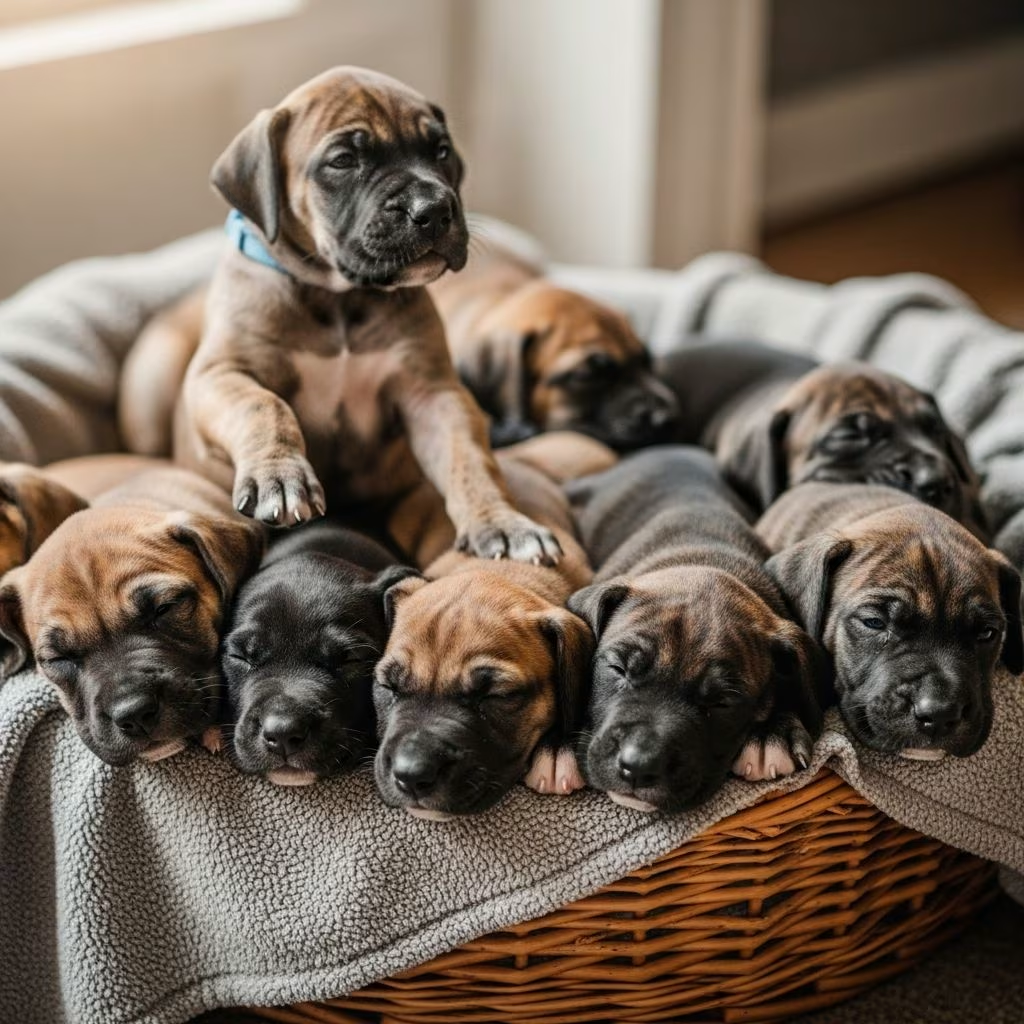
Great Danes, known as gentle giants, typically produce litters of **8 to 10 puppies**, though sizes can vary based on genetics, health, and other influences. Their large body frame allows for bigger litters compared to smaller breeds, making them a fascinating subject for breeders and owners alike.
Why Great Danes Have Larger Litters
The impressive stature of Great Danes—females often reaching 100-130 pounds and standing 27-29 inches tall—provides ample space in the womb for multiple puppies. Unlike toy breeds that average 3-4 pups, giants like Great Danes benefit from this physiology, enabling safer gestation of larger numbers. Data from breed registries confirms that bigger dogs generally yield more offspring, with Great Danes aligning at 8-10 on average.
This trend holds because larger uterine capacity supports more embryos implanting successfully. However, extremes occur: records show litters up to 19 puppies from Great Dane mothers, far exceeding norms but highlighting genetic potential.
Factors Shaping Litter Numbers
Several elements determine how many puppies a Great Dane delivers. Understanding these helps breeders optimize outcomes.
- Mother’s Age: Peak fertility hits between 2-5 years. Younger or older dams produce fewer pups due to immature or declining reproductive efficiency.
- Health and Nutrition: Robust dams with balanced diets foster larger litters. Deficiencies in key nutrients like calcium or protein can reduce numbers.
- Sire’s Contribution: Younger studs (2-4 years) offer superior sperm quality, boosting conception rates per a recent study.
- Genetics: About 15% of litter variation stems from hereditary traits; less inbred lines like many Great Danes yield bigger broods.
- Color Variations: Harlequin-patterned Danes may have smaller litters linked to genetic vulnerabilities.
- Previous Litters: First-time mothers often birth fewer puppies, with sizes increasing in subsequent pregnancies.
Environmental stress, such as poor housing or frequent disruptions, also plays a role by elevating cortisol levels that hinder implantation.
Comparing Great Dane Litters to Other Breeds
Great Danes outpace many peers in litter potential. Here’s a comparison table of averages from registration data:
| Breed | Average Litter Size | Range | Largest Recorded |
|---|---|---|---|
| Great Dane | 8-10 | 5-19 | 19 |
| Labrador Retriever | 7 | 5-10 | 15 |
| German Shepherd | 8 | 1-15 | 17 |
| Rottweiler | 8 | 6-12 | 18 |
| French Bulldog | 3 | 2-4 | 7 |
| Neapolitan Mastiff (Record Holder) | N/A | N/A | 24 |
This illustrates how size correlates with capacity: giants like Great Danes and mastiffs lead, while brachycephalic breeds lag.
Great Dane Pregnancy Timeline
Gestation lasts about 63 days, mirroring most canines. Track progress weekly for proactive care.
Weeks 1-2: Fertilization Phase
Eggs fertilize in the uterus amid hormonal shifts. Subtle irritability or mild vomiting may appear, but no visible changes yet.
Weeks 3-4: Embryo Development
Embryos implant; nipples enlarge and pinken. Appetite may spike—offer high-quality puppy food early.
Weeks 5-6: Visible Growth
Abdominal swelling begins. Puppies’ bones ossify, detectable via ultrasound around day 28. Monitor for lethargy signaling issues.
Weeks 7-9: Final Preparations
Rapid fetal growth strains the dam. Weight gain of 20-30% is normal. Nesting behaviors emerge; provide a whelping box 4 weeks in.
X-rays post-day 55 count puppies accurately, aiding delivery planning since large pups raise dystocia risks.
Welcoming the Litter: Birth Expectations
Labor unfolds in three stages: contractions (6-12 hours), puppy delivery (15-60 minutes each), and placenta expulsion. Great Dane pups weigh 1-2 pounds at birth, blind and helpless, growing to 8 pounds by month one.
Prepare for 8-10 newborns needing constant warmth (nest at 85-90°F initially) and monitoring. C-sections are common (up to 50% in giants) due to pup size versus pelvis.
Annual Breeding Limits and Ethics
Physically, Great Danes could manage 2-3 litters yearly, but experts cap at one per year—or every 18 months—for health. Overbreeding shortens lifespan (already 6-8 years) and risks complications like uterine infections.
Responsible breeding prioritizes genetics: screen for hip dysplasia, heart conditions via OFA certifications. Avoid breeding before second heat; spay non-breeders to curb overpopulation.
Caring for the New Family
Post-whelping, the dam needs 4-6 weeks recovery. Feed 3-4 meals daily, doubling calories. Pups thrive on colostrum first 24 hours.
- Weigh puppies daily first two weeks to catch failures-to-thrive.
- Vet check at 48 hours for cleft palates, common in giants.
- Socialize from week 3; vaccinate at 6-8 weeks.
Weaning starts week 4 with gruel, fully by week 8. Budget $2,000+ per litter for vetting, food, and emergencies.
Record-Breaking Great Dane Litters
Notable cases include Cleo birthing 19 healthy pups, doubling the average, and Snowy matching in 2014. These rarities underscore robust genetics but demand expert intervention.
The all-time canine record is 24 from a Neapolitan Mastiff, yet Great Danes hold their own among giants.
Frequently Asked Questions
How many puppies is normal for a Great Dane?
Average is **8-10**, ranging 5-15 typically.
Can Great Danes have single puppies?
Extremely rare; minimum usually 5 due to breed physiology.
Do all Great Danes need C-sections?
Not all, but high risk—discuss with vets pre-breeding.
When can a Great Dane safely breed?
After first heat (18-24 months), ideally 2+ years.
How fast do Great Dane puppies grow?
1-2 lbs birth weight to 8 lbs by 4 weeks; adults 100-200 lbs.
Breeding Responsibilities for Owners
Great Danes cost $1,000-3,000 per puppy; breeders must cover health testing, microchipping, and contracts barring puppy mills. Prioritize welfare over profit—lifespan challenges like bloat amplify duties.
For pet owners, recognize signs of heat (every 6 months) and consult vets on spaying to prevent unplanned litters.
References
- Average Litter Sizes: How Many Dogs Are Born in a Litter? — American Kennel Club (AKC). 2023. https://www.akc.org/expert-advice/dog-breeding/average-litter-size/
- How Many Puppies Do Great Danes Have? Vet-Verified Litter Facts — Dogster. 2023. https://www.dogster.com/dog-health-care/how-many-puppies-do-great-danes-have
- How Many Puppies Do Great Danes Have? Breed Litter Facts & FAQ — Hepper. 2023. https://articles.hepper.com/how-many-puppies-do-great-danes-have/
- Great Dane Pregnancy: Gestation Period, Weekly Milestones — A-Z Animals. 2023. https://a-z-animals.com/blog/great-dane-pregnancy-gestation/
- Great Dane Mom Dog Births Great Litter: 19 Healthy Puppies! — Pet Ponderosa. 2019-03-01. https://petponderosa.com/2019/03/great-dane-mom-dog-births-great-litter-19-healthy-puppies/



