

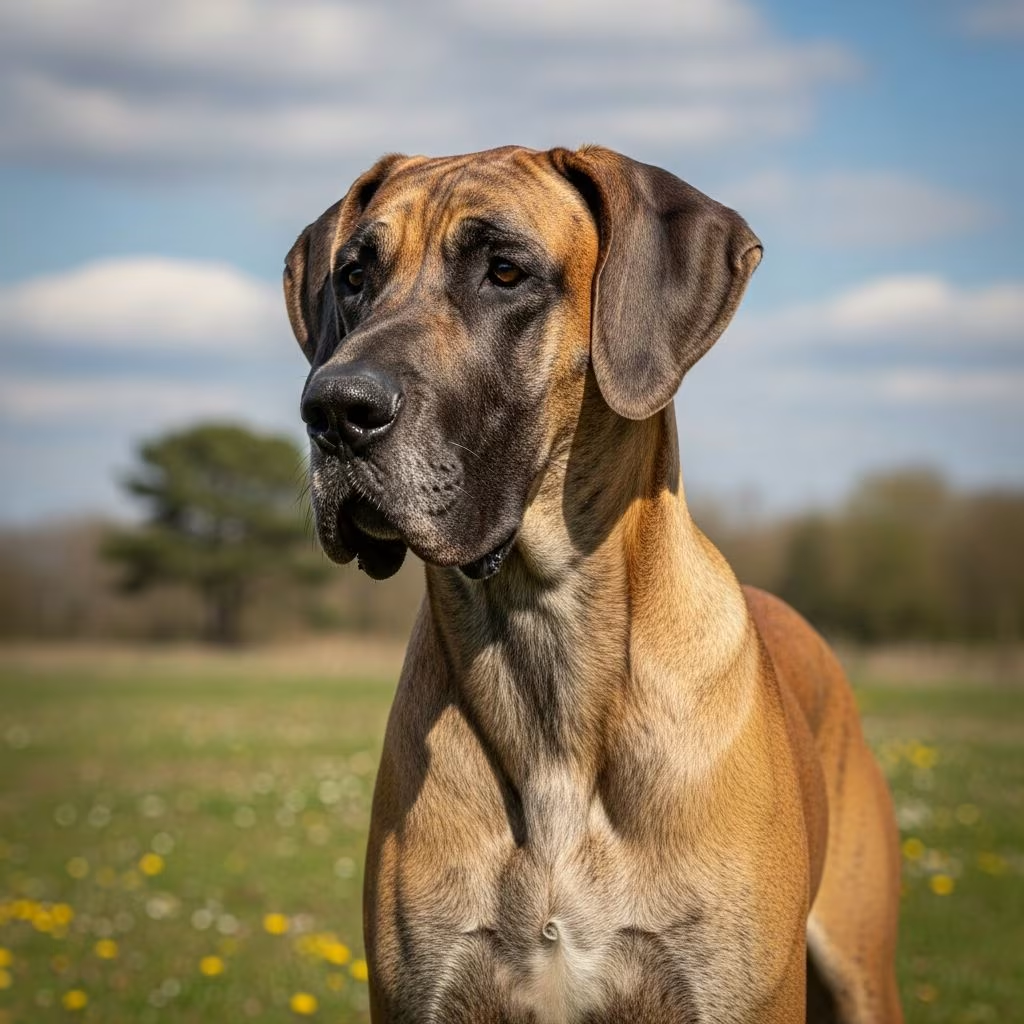
Large breeds like Great Danes typically experience their first heat between 10 and 24 months of age due to slower maturation rates compared to smaller dogs. This guide explores the estrus process unique to these giant canines, helping owners prepare effectively.
Understanding the Canine Reproductive Timeline
The reproductive cycle in female dogs, known as estrus, repeats approximately every six months, though intervals can extend up to 11 months in some giant breeds. For Great Danes, physical maturity influences this schedule, often delaying onset until closer to two years. Owners should monitor growth milestones, as early heats before full skeletal development pose health risks like complications in pregnancy.
Factors such as nutrition, environment, and genetics play roles in variability. Well-fed, healthy Great Danes in stable homes may align with averages, while stress or poor diet can shift timings. Tracking from puppyhood ensures timely preparation.
Breaking Down the Four Stages of Heat
The estrus cycle divides into distinct phases, each with hormonal shifts driving physical and behavioral changes. Recognizing these helps prevent unwanted breeding and supports comfort.
Proestrus: The Initial Warning Phase
This opening stage spans 7-10 days on average, marked by vulvar swelling and bloody discharge. Females attract males via pheromones but reject advances, often showing irritability. Urination frequency rises to spread scents, signaling the cycle’s start.
Discharge varies from bright red to darker tones, potentially staining fabrics. Great Danes’ size amplifies mess, prompting use of protective garments.
Estrus: Peak Fertility Window
Following proestrus, this 4-14 day period features lighter, straw-colored discharge and mating receptivity. Ovulation occurs here, making pregnancy highly likely if males access the female. Mixed litters are possible from multiple matings, a risk in unfenced yards.
Behavioral cues include flagging the tail and welcoming mounts. Confinement is crucial for non-breeding owners.
Diestrus: Post-Fertility Adjustment
Lasting up to 2 months if no pregnancy, diestrus involves hormonal decline and disinterest in males. Residual scents linger, drawing suitors despite refusals. False pregnancy symptoms like milk production may appear.
Anestrus: Recovery and Rest
The longest phase, 4-6 months, allows bodily reset without signs. Energy returns to normal, preparing for the next cycle. This dormancy underscores why heats feel biannual yet spaced.
Recognizing Heat Onset in Your Great Dane
Signs emerge gradually, varying by individual. Key indicators include:
- Vulvar enlargement: Noticeable puffiness around the genital area.
- Vaginal discharge: Blood-tinged initially, shifting clearer.
- Behavioral shifts: Restlessness, clinginess, or aggression.
- Increased urination: Marking territory more often.
- Male attraction: Sudden influx of neighborhood dogs.
- Excessive licking: Focused on the vulva for cleanliness.
Journal these observations to predict future cycles, aiding planning around 6-month intervals.
Caring for Your Great Dane During Estrus
Management prioritizes hygiene, security, and emotional support. Daily routines adjust to accommodate changes.
| Challenge | Solutions |
|---|---|
| Messy discharge | Disposable dog diapers, frequent bedding washes, crate liners |
| Male dog intrusions | Secure fencing, indoor confinement, boarding if needed |
| Mood swings | Extra attention, quiet spaces, puzzle toys for distraction |
| Hygiene needs | Gentle wipes, vet-approved shampoos, avoid irritants |
Nutrition supports hormonal balance; high-quality food with omega fatty acids aids skin health amid swelling. Exercise maintains fitness but avoids off-leash areas. Consult vets for supplements if anxiety peaks.
Health Implications and Spaying Decisions
Unspayed Great Danes cycle lifelong, frequency dropping from twice yearly to annual in seniors. No true menopause occurs, raising risks like pyometra or mammary tumors with age.
Spaying post-first heat mitigates cancers, though timing balances growth needs in giants—often after 18-24 months. Pros include eliminating heats; cons involve surgical risks and potential joint issues if premature. Discuss breed-specific advice with veterinarians.
Breeding Considerations for Responsible Owners
Intentional breeding requires health screenings for hips, heart, and genetics, given Great Dane predispositions. Optimal age: after 24 months, during peak estrus confirmed by progesterone tests. Avoid first litters; litters average 8-10 pups, demanding whelping prep.
Non-breeders should prioritize sterilization to curb overpopulation.
Frequently Asked Questions
When do Great Danes typically have their first heat?
Between 10-24 months, later than small breeds due to giant size.
How long does a full heat cycle last?
14-21 days for active phases, with full cycle every 6 months.
Can a Great Dane get pregnant on her first heat?
Yes, though not advised due to immaturity risks.
What if my Great Dane skips a heat?
Possible from stress or health issues; vet check recommended.
Do male Great Danes have heat cycles?
No, only females; males respond to scents year-round.
Long-Term Patterns in Aging Great Danes
As females age beyond 7 years, cycles space to once yearly, with milder signs. Monitor for irregularities signaling thyroid or ovarian issues. Routine exams ensure wellness.
Owners report easier management with experience, fostering stronger bonds through attentive care.
References
- This is the Great Dane Heat Cycle — GreatDane Fawn & Brindle. Accessed 2026. http://www.greatdane4u.com/this-is-the-great-dane-heat-cycle/
- When Does a Great Dane Go Into Heat? Vet-Reviewed Facts & FAQs — Dogster. Accessed 2026. https://www.dogster.com/dog-health-care/when-does-a-great-dane-go-into-heat
- Dogs In Heat: Timeline, Duration, and Symptoms — PetMD. Accessed 2026. https://www.petmd.com/dog/general-health/dog-in-heat
- Dog in Heat (Canine Estrus): Symptoms and Spaying — WebMD. Accessed 2026. https://www.webmd.com/pets/dogs/how-tell-if-dogs-heat



