

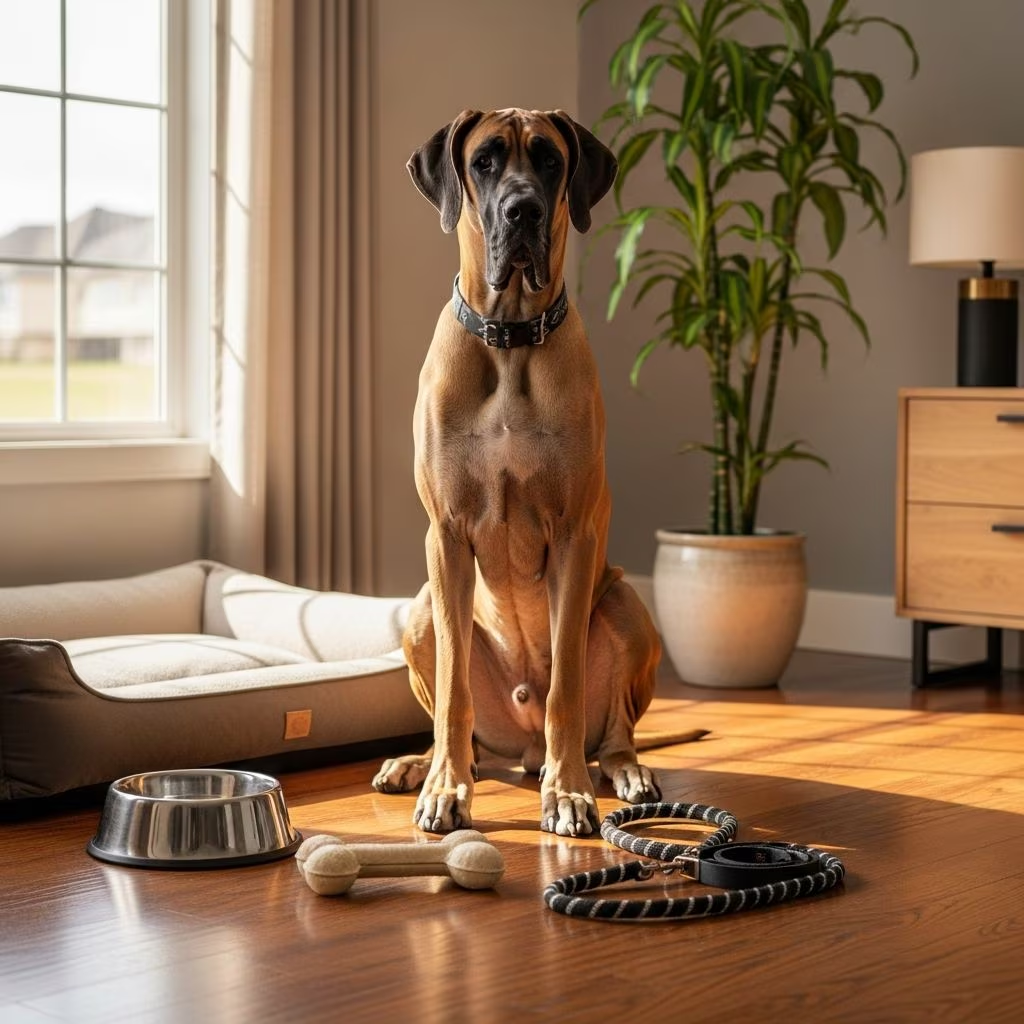
The Great Dane stands as one of the most striking dog breeds, combining immense size with surprising gentleness. Often called the “Apollo of Dogs,” this breed captivates with its elegant stature and loyal heart, making it a favorite among dog enthusiasts worldwide. Understanding this breed requires delving into its storied past, distinctive physical features, behavioral traits, and dedicated care routines.
Origins and Evolution of the Breed
Tracing back to the 16th century in Germany, Great Danes emerged from selective breeding aimed at creating the ultimate hunting companion for nobility. German hunters needed dogs capable of confronting massive wild boars and bears, leading to crosses between robust English Mastiffs and agile Irish Wolfhounds. This union produced a dog with unparalleled strength, speed, and bravery, ideal for the dangerous sport of boar hunting known as “hunting by force.”
By the 17th century, as firearms diminished the need for direct prey confrontation, Great Danes transitioned into estate guardians. Their towering presence and unwavering loyalty protected the properties of European aristocrats. King Frederick II of Denmark played a pivotal role by importing powerful English Mastiff puppies, blending them with local hounds to refine the breed’s foundation.
The modern Great Dane took shape in the 19th century amid the rise of dog shows. German breeders, including enthusiasts like Chancellor Otto von Bismarck, standardized the breed in 1888 through the Deutsche Doggen-Club. Bismarck’s Danes symbolized power and companionship, boosting the breed’s prestige. In America, early 20th-century breeders further polished the type, eliminating hound-like traits for a more balanced, muscular frame with a level topline and refined head.
Physical Characteristics and Breed Standards
Great Danes epitomize harmony between power and grace. Males typically reach 30-34 inches at the shoulder and weigh 140-175 pounds, while females stand 28-32 inches and weigh 110-140 pounds. Their short, glossy coat comes in colors like black, blue, fawn, brindle, mantle, and harlequin, with the latter featuring striking white and black patches possibly tracing to ancient greyhound influences.
Key standards include a deep chest, long neck, and athletic build that conveys nobility without coarseness. The head is rectangular with a pronounced stop, expressive dark eyes, and pendulous ears often cropped in some regions, though natural ears are preferred today. Their tail is long and slightly curved, completing a silhouette of balanced proportions.
| Characteristic | Male | Female |
|---|---|---|
| Height (shoulder) | 30-34 inches | 28-32 inches |
| Weight | 140-175 lbs | 110-140 lbs |
| Coat Colors | Black, Blue, Fawn, Brindle, Harlequin, Mantle | Same |
| Lifespan | 7-10 years | 7-10 years |
This table highlights the breed’s sexual dimorphism, ensuring males appear more imposing while females retain elegance.
Temperament and Personality Traits
Despite their formidable size, Great Danes are renowned gentle giants. They exhibit a calm, affectionate demeanor, forming deep bonds with family members. Their loyalty shines in protective instincts without undue aggression, making them poor watchdogs in noisy homes but excellent deterrents due to sheer presence.
These dogs thrive on human companionship, often displaying clownish behaviors like leaning against owners or attempting lap-sitting. Early socialization curbs potential shyness around strangers or other pets. Intelligence aids trainability, though their sensitivity demands positive reinforcement over harsh methods.
- Loyal and Loving: Devoted to family, gentle with children.
- Calm Demeanor: Low-energy indoors, prefers relaxed environments.
- Social Needs: Prone to separation anxiety if left alone excessively.
- Playful Side: Enjoys short bursts of activity, loves fetch and gentle play.
Training and Socialization Best Practices
Training a Great Dane starts early due to their rapid growth and size. Puppy classes foster obedience and manners, emphasizing commands like sit, stay, and leave-it. Consistency and patience are key, as their eager-to-please nature responds well to treats and praise.
Socialization exposes them to diverse stimuli—people, animals, sounds—from 8-16 weeks. Leash training prevents pulling, given their strength. Advanced training can include agility or therapy work, leveraging their steady temperament.
Common challenges include counter-surfing from their height advantage and house-training delays due to large bladders. Crate training aids housebreaking, providing a secure den-like space.
Health Considerations and Common Issues
Great Danes face health challenges tied to their giant size. Bloat (gastric dilatation-volvulus) is a life-threatening emergency; feed multiple small meals daily and avoid exercise post-eating. Dilated cardiomyopathy affects the heart, warranting annual screenings.
Hip dysplasia, osteosarcoma (bone cancer), and hypothyroidism are prevalent. Responsible breeding from health-tested parents mitigates risks. Regular vet check-ups, joint supplements, and weight management extend lifespan.
- Bloat prevention: Elevated bowls, divided feedings.
- Heart health: Echo-cardiograms from age 2.
- Cancer vigilance: Monitor lumps, limps promptly.
Nutrition and Feeding Guidelines
Puppies require controlled growth to prevent skeletal issues; feed large-breed puppy formulas until 18 months. Adults need 4-8 cups of high-quality kibble daily, split into 2-3 meals. Protein-rich diets support muscle, while glucosamine aids joints.
Monitor calorie intake to avoid obesity, especially in spayed/neutered dogs. Fresh water is essential, and dental chews combat plaque buildup.
Grooming and Maintenance Routines
Low-maintenance coats shed moderately; weekly brushing with a rubber curry removes loose hair. Bathe monthly or as needed. Nail trims every 3-4 weeks prevent overgrowth, and ear checks weekly avoid infections.
Dental hygiene involves brushing 2-3 times weekly and annual cleanings. Their short fur suits most climates but provides little cold protection—dog coats help in winter.
Exercise Requirements and Lifestyle Fit
Great Danes need 30-60 minutes daily of moderate exercise: walks, play sessions, or yard romps. Avoid high-impact activities during puppyhood to safeguard developing joints. They adapt well to apartments if exercised adequately, preferring cool indoors over heat.
Families with space and time suit best; they’re not ideal for very young kids unsupervised due to size or active toddlers who might get knocked over.
Choosing a Great Dane Puppy
Select reputable breeders prioritizing health clearances (OFA hips/elbows, cardiac, thyroid). Puppies should come from lines with longevity. Rescue organizations offer adults, ideal for experienced owners. Budget for initial costs: $1,000-$3,000 purchase, plus ongoing expenses like food ($100+/month) and vet bills.
Great Dane Frequently Asked Questions (FAQs)
Are Great Danes good with children?
Yes, their patient nature makes them excellent with supervised kids, though their size requires teaching gentle play.
How much do Great Danes eat?
Adults consume 4-8 cups daily; puppies more frequently in smaller portions.
Do Great Danes drool a lot?
Moderately, especially fawn or harlequin coats; keep towels handy.
What’s the average lifespan of a Great Dane?
7-10 years, improvable with optimal care.
Can Great Danes live in apartments?
Possible with sufficient exercise, but homes with yards are preferable.
Why Great Danes Make Exceptional Companions
From ancient hunting fields to modern living rooms, Great Danes embody resilience and refinement. Their journey from fierce boar hounds to beloved family members underscores selective breeding’s power. Committing to their needs rewards owners with unwavering devotion and majestic presence.
References
- What Were Great Danes Bred For? — Rover.com. 2023. https://www.rover.com/blog/great-dane-breed-history/
- Great Dane History: The Apollo of the Dogs — American Kennel Club. 2024-01-15. https://www.akc.org/expert-advice/dog-breeds/great-dane-history-the-apollo-of-the-dogs/
- The Great Dane Breed History — Creed Danes Kennel. 2022. http://www.creeddanes.ch/en/the-breed/
- Great Dane – Full History — YouTube (Kennel Club Video). 2023-05-10. https://www.youtube.com/watch?v=xNYJ9xd6gu8
- The Majestic Great Dane: A Look at Their Breeding History — The Big Damn Dog Co. 2024. https://thebigdamndogco.com/blogs/the-better-years-blog/the-majestic-great-dane-a-look-at-their-breeding-history
- Great Dane — Wikipedia (referencing primary breed standards). 2026-01-20. https://en.wikipedia.org/wiki/Great_Dane
- Great Dane Breed Guide: History, Characteristics, and Care — Pawlicy Advisor. 2024-08-05. https://www.pawlicy.com/blog/great-dane-breed-guide/



