

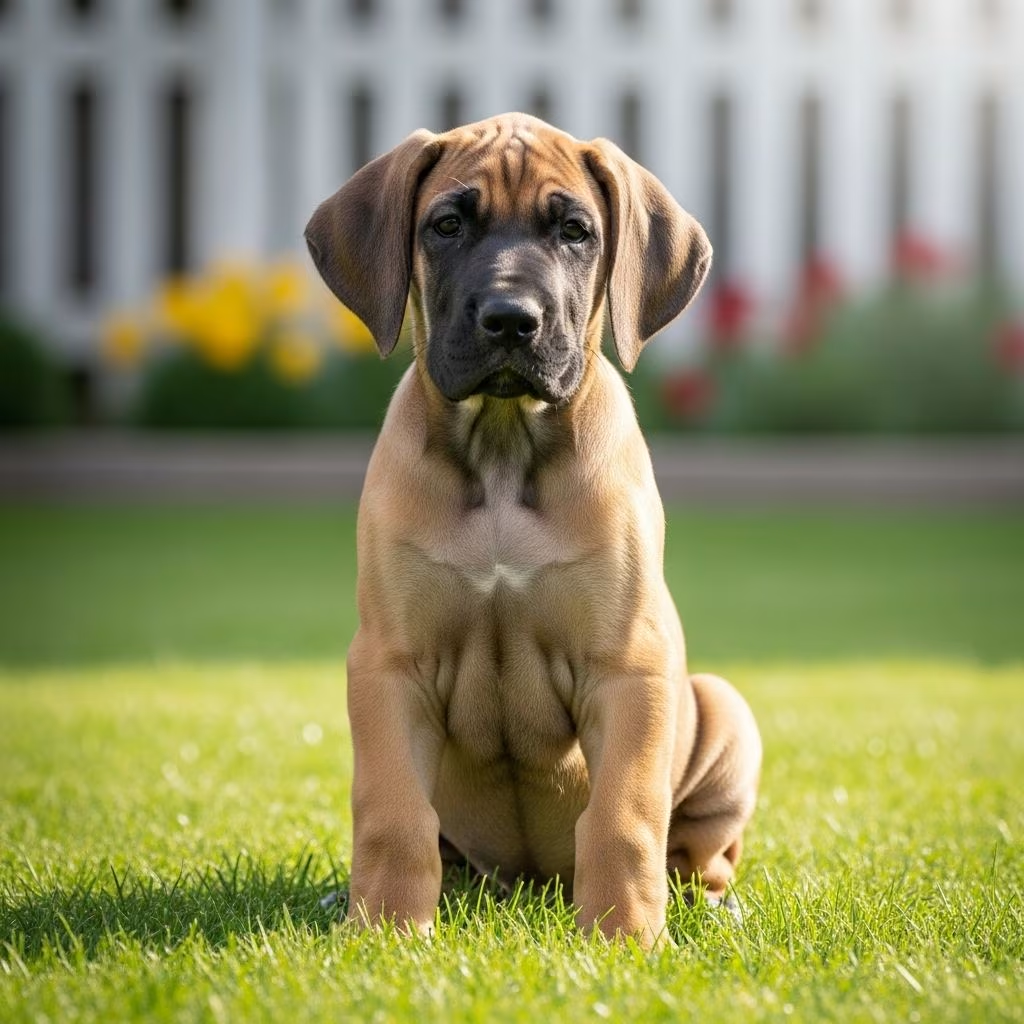
Great Danes are magnificent dogs that command attention with their impressive size and elegant bearing. Known affectionately as “gentle giants,” these dogs represent one of the tallest and most imposing breeds in the canine world. Despite their formidable appearance, Great Danes possess remarkably gentle temperaments and make excellent family companions for the right household. Understanding this breed’s unique characteristics, health considerations, and care requirements is essential for anyone considering welcoming one into their home.
Great Dane Breed Overview
The Great Dane is a German breed with a rich history dating back at least 400 years, originally developed for hunting wild boar and serving as guardian dogs for German nobility. The breed descends from hunting dogs of the Middle Ages and represents a cross between the Old English Mastiff and the Irish Wolfhound. This prestigious lineage contributes to the breed’s noble appearance and exceptional temperament.
Great Danes are classified as giant working dogs and are among the tallest dog breeds in the world. Their impressive stature combined with their gentle nature creates a unique paradox that defines the breed’s appeal to dedicated owners worldwide.
Physical Characteristics and Appearance
Great Danes possess a striking physical presence characterized by their impressive size and elegant proportions. Males typically stand approximately 32 inches tall and weigh between 100 to 170 pounds, while females reach about 30 inches in height and weigh up to 140 pounds. Their massive square-jawed head is narrow and flat on top with prominent brows, and their ears drop forward or are cropped to stand erect.
The breed exhibits a long, strong neck and a muscular body with straight front legs. Their tail is medium in length, thick at the base, and tapers down to below the hocks. Great Danes combine strength and elegance with great size and a powerful, well-formed, smoothly muscled body that should never appear clumsy.
Coat Colors and Grooming
Great Danes feature a short, sleek coat that requires minimal grooming but sheds moderately. The breed’s coat comes in several standard colors including black, fawn (golden brown), brindle, blue-gray, harlequin (white with black patches), and mantle (white with a black “blanket” extending over the body). Fawn and brindle dogs typically have a black mask.
Despite their short coat, Great Danes drool heavily, so owners should keep towels readily available. Monthly coat grooming helps maintain their coat’s appearance and reduces shedding around the house.
Temperament and Personality
The term “gentle giant” aptly describes the Great Dane’s temperament. These dogs are typically swift, alert, and noted for courage, friendliness, and dependability. All dogs are individuals with their own personality, but Great Danes tend to be very gentle and quiet companions. Though they won’t have the rambunctious energy of many other breeds, Great Danes can be moderately playful and require enough space for play and exercise.
Great Danes have a fairly low energy level, and while playful, they are ready to quit and do something else after just a little while. This calm demeanor makes them suitable for various living situations when their space requirements are met.
Social and Family Compatibility
Great Danes are sociable, friendly, and eager to please. They typically make good family dogs and do well with children when trained and socialized from an early age. Interactions between children and all dogs, especially with dogs of a Great Dane’s size, should be supervised. The breed is moderately social, meaning if trained well, they’ll become friends with everyone easily.
Great Danes generally get along with other animals, particularly if raised with them, but some individuals in the breed can be aggressive with dogs they do not know. Early socialization is crucial for developing positive relationships with other pets and animals.
Watchdog Abilities
Great Danes will guard their home and serve as intimidating watchdogs and fair protection dogs. Since the Great Dane is highly vigilant and active, they perform watchdog duties perfectly. However, the breed does not bark without reason, making them reliable guardians without excessive noise.
Training and Behavior
Great Danes are typically easy to train, though some individuals can be stubborn learners. The breed is not a quick responder but responds well to firm, consistent training methods. Sociable and eager to please, Great Danes need human contact and affection to thrive.
Puppy Training and Early Socialization
Puppy training classes and early socialization will help your Great Dane grow into an adaptable and well-behaved adult. Obedience training is also a must for this large and powerful breed. Considering their extra-large size, consistent training from an early age is crucial to ensure that your Great Dane is well behaved.
Great Dane puppies tend to be very energetic but should not be allowed to jump in order to keep their growing bones healthy. Jogging and hiking should also be avoided until they’re 18 months old, as the breed’s bones and joints take considerable time to stop growing and become stable.
Behavioral Considerations
During their younger years, Great Danes may be rowdy and are prone to unusual chewing behaviors and separation anxiety. If not trained for social interactions, they may become snappy or aggressive. Their size and strength can be too difficult for children or seniors to manage without proper training.
Exercise and Activity Requirements
Expect to take your Great Dane on long walks at least twice a day to provide adequate physical activity. Adult Great Danes might seem a bit sedate but they still require daily exercise. A 15-30 minute walk two to three times per day should be enough to keep your dog healthy and in good shape.
Many Great Danes enjoy participating in obedience, agility, tracking events, as well as weight pulls and sports like flyball. Despite their large size, these gentle giants adapt quickly to new places, things, and activities.
Living Arrangements and Space Needs
If you’re thinking about welcoming this gentle giant into your household, you must consider the dog’s sheer size. A Great Dane will need plenty of room to move around and exercise, especially when they are a puppy. If you live in a city, you should be prepared to take your pet on long walks more than once a day.
Great Danes make great house dogs but require significant space to thrive comfortably. Their large size means they need room to move freely, stretch, and exercise without feeling confined.
Nutritional Needs and Feeding
Great Danes eat large amounts of food, so feeding them is going to cost more compared to feeding other, smaller dogs. Owners should budget approximately ten cups of food per day for their Great Dane.
Extra-large breed dogs benefit from raised food bowls so they don’t have to lower their head and neck as far or splay their legs out to eat. This feeding arrangement helps prevent digestive issues and promotes better posture during meals.
Common Health Issues in Great Danes
While generally healthy, Great Danes are prone to certain health conditions that owners should be aware of when considering this breed.
Gastric Dilatation-Volvulus (GDV)
Gastric dilatation-volvulus (GDV or canine bloating) is a top killer of dogs, especially of giant breeds such as Great Danes. This serious condition requires immediate veterinary attention. Owners should be aware of the most common symptoms, such as a distended abdomen, unproductive vomiting, excessive drooling, and restlessness.
Some owners and breeders opt for prophylactic gastropexy, a surgery that can help prevent this potentially life-threatening condition. Knowing what to do if their dog suffers from GDV is essential for Great Dane owners.
Other Health Concerns
Great Danes are generally healthy, but like other breeds, they’re prone to certain health conditions including hip dysplasia and Wobbler syndrome. Great Danes can also develop health issues like bloat and spinal problems due to their large size.
Regular veterinary check-ups and health screenings help catch potential issues early and ensure your Great Dane receives appropriate preventive care.
Lifespan and Longevity
Unfortunately, the lifespan of these dogs is somewhat limited compared to smaller breeds. Great Danes live up to approximately eight years, though some may live slightly longer with exceptional care. The breed’s large size contributes to their shorter lifespan, which is a significant consideration for potential owners.
Key Considerations Before Getting a Great Dane
Owning a Great Dane is a serious commitment that requires careful consideration of multiple factors:
- Great Danes may look quite imposing but they’re actually very affectionate dogs who love to play and are very gentle with kids
- Even though they make great house dogs, Great Danes need a lot of room to move around and play
- They require quite a lot of food, approximately ten cups a day
- Puppies should not be allowed to jump, jog, or hike until they’re 18 months old
- Great Danes are prone to certain health conditions like Gastric dilatation-volvulus (GDV), hip dysplasia, and Wobbler syndrome
Finding a Great Dane
If you want to adopt a Great Dane, contact the national breed club or a local breed club. These organizations can provide guidance on responsible breeding practices, health screening, and help connect you with reputable breeders who prioritize the health and welfare of their dogs.
Frequently Asked Questions About Great Danes
Q: Are Great Danes good family pets?
A: Yes, Great Danes typically make excellent family dogs. They are gentle, affectionate, and good with children when trained and socialized from an early age. However, their large size means interactions with young children should be supervised to prevent accidental injuries.
Q: How much exercise do Great Danes need?
A: Adult Great Danes require daily exercise, including 15-30 minute walks two to three times per day. Puppies should avoid jumping, jogging, and hiking until they’re 18 months old to protect their developing bones and joints.
Q: What health problems are common in Great Danes?
A: The most serious health concern is gastric dilatation-volvulus (GDV or bloat), which is a leading cause of death in the breed. Other common health issues include hip dysplasia and Wobbler syndrome. Regular veterinary care and early detection are essential.
Q: How long do Great Danes live?
A: Great Danes typically live up to approximately eight years, which is shorter than most other dog breeds. Their large size contributes to their limited lifespan.
Q: Are Great Danes suitable for apartment living?
A: While Great Danes can live in apartments, they need plenty of room to move around comfortably. If living in a city or apartment, owners should be prepared to take their pet on long walks multiple times daily to provide adequate exercise.
Q: Do Great Danes require extensive grooming?
A: Great Danes have short coats requiring only monthly grooming. They shed moderately and drool heavily, so owners should keep towels available. Their grooming needs are relatively minimal compared to longer-haired breeds.
Q: Are Great Danes easy to train?
A: Great Danes are generally easy to train and respond well to firm, consistent training methods. However, some individuals can be stubborn learners. Early socialization and puppy training classes are recommended to ensure proper development.
References
- Great Dane Breed Guide: History, Characteristics, and Care — Pawlicy. https://www.pawlicy.com/blog/great-dane-breed-guide/
- What to Know About Great Danes — WebMD Pets. https://www.webmd.com/pets/dogs/what-to-know-great-danes
- Great Dane Dog Breed — Hill’s Pet Nutrition. https://www.hillspet.com/dog-care/dog-breeds/great-dane
- Great Dane: Size, Lifespan, Temperament & Health Issues — Britannica. https://www.britannica.com/animal/Great-Dane
- Great Dane — Wikipedia. https://en.wikipedia.org/wiki/Great_Dane
- Great Dane Dog Breed Health and Care — PetMD. https://www.petmd.com/dog/breeds/great-dane
- Great Dane Dog Breed Information — American Kennel Club. https://www.akc.org/dog-breeds/great-dane/



