

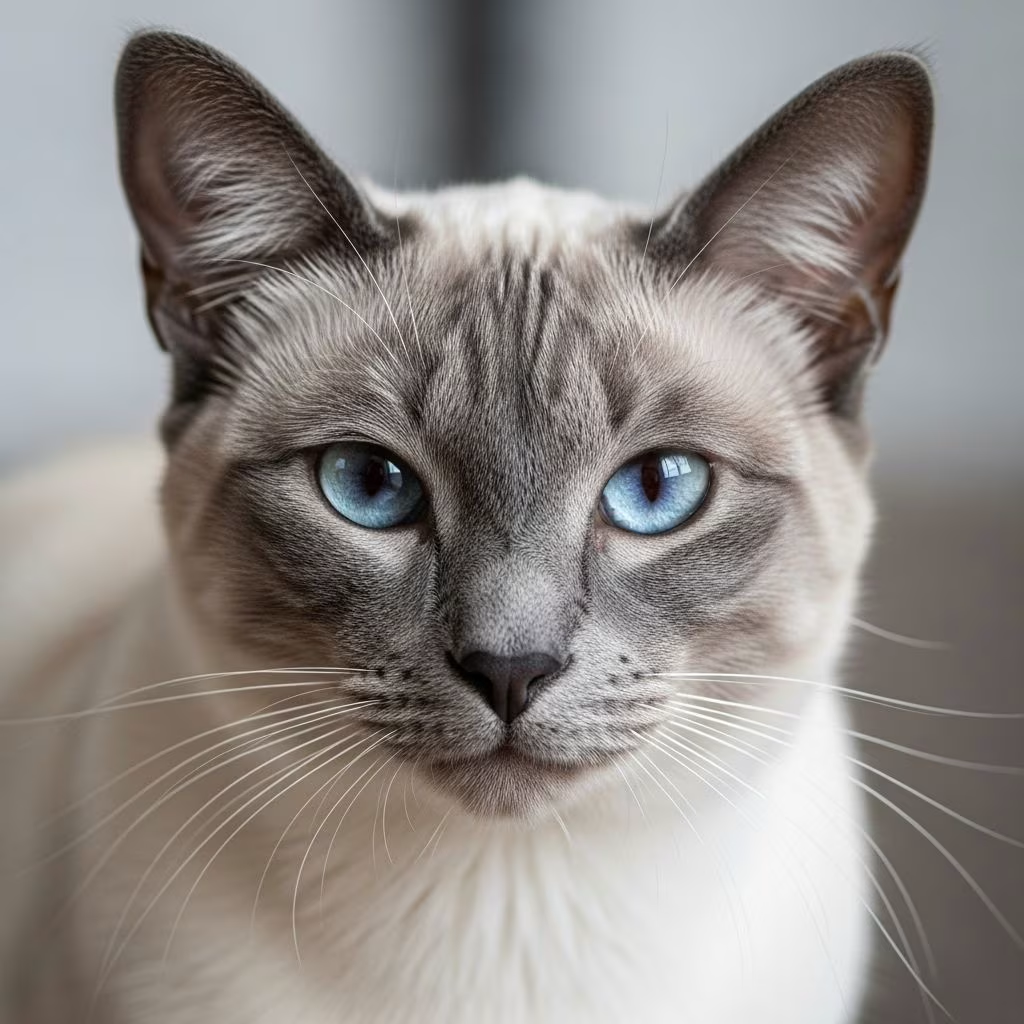
Gray and white Siamese cats captivate with their elegant pointed coats, striking blue eyes, and vibrant personalities. These felines blend ancient heritage with modern appeal, offering companionship through their vocal nature and boundless curiosity.
The Distinctive Appearance of Gray and White Siamese
Siamese cats stand out due to their pointed color pattern, where cooler body areas like the face, ears, paws, and tail develop darker shades as they mature. Kittens are born with cream or white fur, gradually revealing points in hues from deep brown to soft gray tones.
The gray and white variation often aligns with blue point or lilac point patterns. Blue points feature a bluish-white body contrasting with deep blue-gray points on the extremities, paired with slate-colored nose and paw pads. Lilac points display a glacial white coat with frosty gray-pinkish points, lavender-pink nose leather, and matching pads, creating a delicate, pale aesthetic.
Physically, these cats embody grace: medium-sized with long, tapering lines, lithe yet muscular builds, slender necks, and slim legs. Their almond-shaped blue eyes slant toward the nose, framed by large ears and a wedge-shaped head with a straight profile. Tails are long and thin, ending in fine points, while paws remain dainty and oval.
| Feature | Description |
|---|---|
| Height | 12–18 inches |
| Weight | 8–15 pounds (males larger) |
| Lifespan | 12–15 years or more |
| Coat | Short, glossy, close-lying |
| Eyes | Deep vivid blue |
This table summarizes key physical traits, highlighting their refined, athletic form ideal for agile play.
Origins and Evolution of the Siamese Breed
Siamese cats trace roots to Thailand (formerly Siam), where they guarded temples and palaces. Revered for elegance, they arrived in the West in the late 19th century, gaining fame through British and American breeders. Their pointed pattern, linked to the Himalayan gene causing temperature-sensitive pigmentation, produces darker cool extremities.
Gray and white shades emerged through selective breeding, with blue and lilac points recognized in modern standards. The Cat Fanciers’ Association outlines precise colors: blue point bodies are cold bluish-white shading to pure white underparts, points deep blue. These variations arose from crossing traditional seal and chocolate points, refining paler tones without altering core traits.
Today, Siamese influence many hybrids, valued for intelligence and beauty. Their journey from sacred guardians to beloved pets underscores adaptability and enduring popularity.
Personality Traits That Define Gray and White Siamese
Renowned for communication, Siamese cats vocalize extensively with loud, distinctive meows to express needs, greet owners, or share opinions. They follow humans room-to-room, demanding involvement in daily life.
Highly intelligent, they learn tricks, solve puzzles, and thrive on mental stimulation. Affectionate and people-oriented, they bond deeply, often preferring lap time or shoulder perches for warmth. Social with families, children, and other pets, they dislike solitude, potentially becoming vocal or destructive if bored.
- Chatty: Constant meowing for attention or conversation.
- Curious: Investigates everything, requiring safe environments.
- Sociable: Forms strong owner bonds, wary of strangers initially.
- Playful: Athletic build fuels high energy and love for interactive toys.
- Trainable: Responds to clicker training and commands.
These traits make them ideal for active households but challenging for those seeking independent cats.
Health Considerations for Long-Lived Companions
Siamese enjoy 15+ year lifespans with proper care, but breed predispositions exist. Common issues include hypertrophic cardiomyopathy (HCM), a heart condition monitored via ultrasounds; dental problems from crowded teeth; and respiratory sensitivities.
Progressive retinal atrophy (PRA) can affect vision, though blue-eyed vigor persists. Amyloidosis, liver protein buildup, occurs less in modern lines. Obesity risks arise from indoor lifestyles, mitigated by measured feeding.
Annual vet checkups, dental cleanings, and genetic screening for kittens ensure health. High-quality diets support their lean frames, avoiding overfeeding their moderate appetites.
Grooming and Daily Care Routines
Short, fine coats shed minimally, needing weekly brushing to distribute oils and reduce hairballs. Bathe rarely, as they self-groom meticulously.
Nail trims biweekly prevent overgrowth. Clean ears weekly to avoid wax buildup, and brush teeth daily or use dental treats for oral health.
- Brush coat: 5–10 minutes weekly.
- Trim nails: Every 2 weeks.
- Dental care: Daily brushing or vet-approved products.
- Litter: Scoop daily, full change weekly.
Provide scratching posts to maintain claws and furniture. Interactive toys and cat trees combat boredom, channeling energy positively.
Nutrition Needs for Optimal Vitality
Siamese require protein-rich, low-carb diets supporting muscle tone. Feed age-appropriate formulas: kittens multiple small meals, adults twice daily, seniors adjusted for metabolism.
Portion control prevents weight gain; aim for 200–250 calories daily based on activity. Fresh water always, wet food aids hydration. Avoid free-feeding to regulate intake.
| Life Stage | Daily Calories | Key Nutrients |
|---|---|---|
| Kitten | 200–300 | High protein, DHA for eyes/brain |
| Adult | 200–250 | Taurine, omega-3s for coat/heart |
| Senior | 180–220 | Joint support, antioxidants |
Hydration-focused feeding enhances kidney health, a breed concern.
Ideal Living Environments and Lifestyle Fit
Siamese flourish in interactive homes with playtime. Vertical spaces like shelves suit climbers; puzzle feeders engage minds. They tolerate apartments if stimulated, but dislike isolation.
Families with children or dogs work well; introduce slowly. Multiple cats provide company during absences. Safe outdoor access via enclosures prevents escapes, given curiosity.
Bringing Home Your Gray and White Siamese
Adopt from reputable breeders following CFA standards or rescues. Expect $800–$2000 for pedigreed kittens; check health clearances. Prepare with essentials: litter setup, food bowls, toys, carrier.
Socialize early for confidence. Spay/neuter by 6 months. Budget $500–$1000 yearly for food, litter, vet care.
Frequently Asked Questions About Gray and White Siamese Cats
Are gray and white Siamese rare?
Blue and lilac points are established colors, not rare, but demand varies by registry.
Do they shed a lot?
Minimal shedding due to short coats; weekly brushing suffices.
Are they good with kids?
Yes, playful and tolerant if supervised.
How vocal are they?
Very; expect daily conversations.
What is their exercise needs?
Daily play sessions; agile hunters.
References
- Siamese Breed Standard — The Cat Fanciers’ Association. 2023. https://cfa.org/breed/siamese/
- Siamese Cat Facts — ASPCA Pet Health Insurance. 2024. https://www.aspcapetinsurance.com/resources/siamese-cat-facts/
- Siamese Cat Breed: Facts, Temperament & Care Info — Chewy. 2024. https://www.chewy.com/education/cat/general/siamese-cat-breed-facts-temperament-care-info
- Grey and White Siamese Cats: Info, Pictures, Facts & History — Catster. 2024. https://www.catster.com/cat-breeds/grey-and-white-siamese-cats/



