Where the Green Grass Grows: Grass Treats for Cats
Discover why cats eat grass and how to safely provide this beneficial treat for your feline friend.
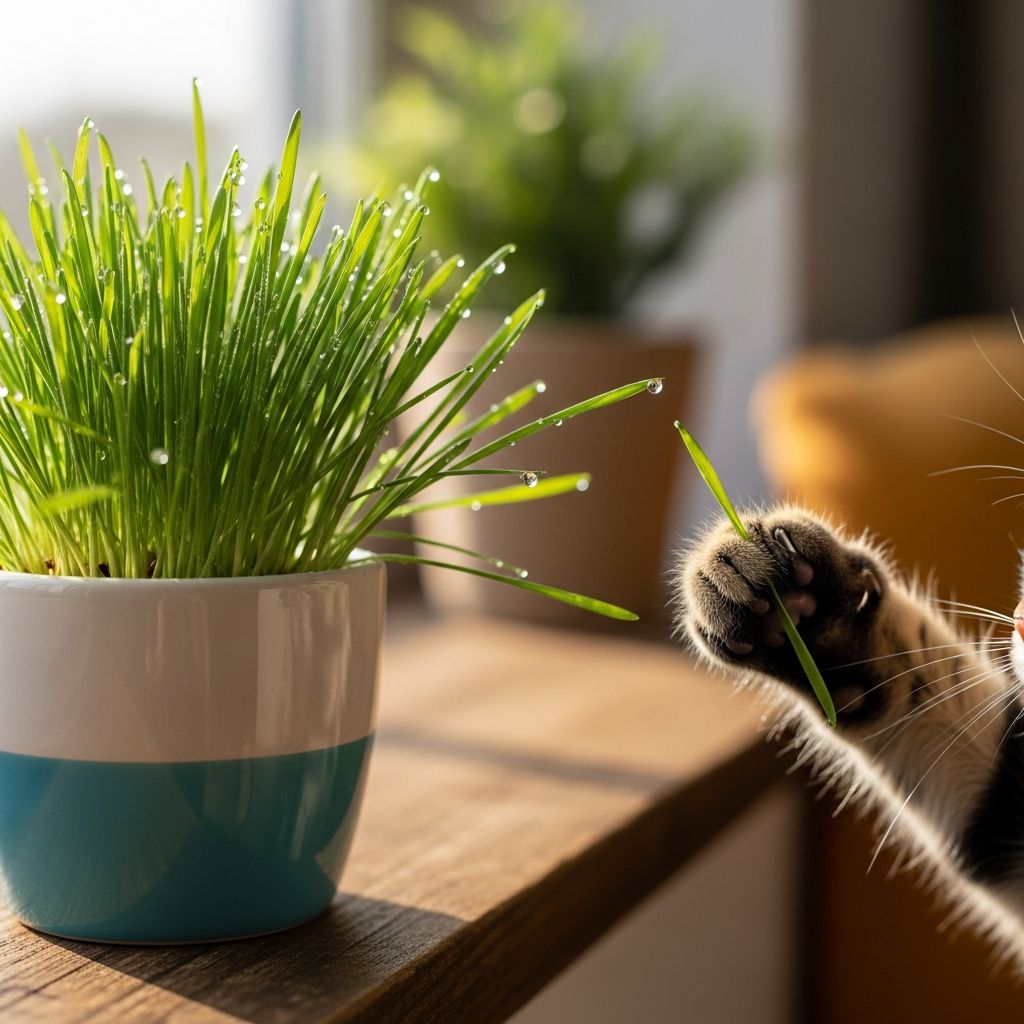
Many cat owners observe their feline companions nibbling on grass and wonder why cats engage in this behavior. While some believe cats only eat grass when they’re ill, research shows that this is a common misconception. Cats naturally seek out grass as part of their dietary habits, and providing safe, cultivated cat grass can be a wonderful addition to their lifestyle. Understanding the reasons behind this behavior and learning how to properly offer grass treats can help ensure your cat receives the nutritional and behavioral benefits this green snack provides while maintaining their overall health and safety.
Why Do Cats Eat Grass?
Cats have evolved as hunters, and in nature, they consume various plant materials as part of their diet. The act of eating grass is a natural instinct that many domestic cats retain from their wild ancestors. Unlike dogs, cats are obligate carnivores, meaning their bodies are designed primarily to digest meat. However, this doesn’t mean they never consume plant matter. Grass provides several important functions in a cat’s digestive system, and understanding these benefits can help you appreciate why your cat might be seeking out this verdant treat.
One of the primary reasons cats eat grass is to aid their digestive processes. Grass contains beneficial roughage that helps move food through the digestive tract more efficiently. This is particularly important for indoor cats who may not get as much fiber from their regular diet as their outdoor counterparts might naturally obtain. The physical act of chewing and consuming grass stimulates the digestive system and can contribute to more regular gastrointestinal function.
The Health Benefits of Cat Grass
Digestive Support and Hairball Management
Cats spend considerable time grooming themselves and their feline companions, which means they inevitably ingest significant amounts of fur during this process. When these hair strands accumulate in the stomach and cannot be digested, they form hairballs. These hairballs can cause discomfort and may be regurgitated, creating an unpleasant experience for both cat and owner. Cat grass plays a crucial role in preventing excessive hairball formation by providing roughage that helps move ingested fur through the gastrointestinal system more smoothly. Cats that consume grass regularly tend to experience fewer hairball episodes and may have more efficient digestive processes overall.
Nutritional Enrichment
Beyond digestive benefits, cat grass offers genuine nutritional value. This specially cultivated grass contains essential vitamins and minerals that support feline health:
- Vitamin A – supports eye health and immune function
- Vitamin B – promotes energy metabolism and nervous system function
- Vitamin C – provides antioxidant support
- Folic Acid – aids the bloodstream and is commonly found in grain-based products
- Chlorophyll – natural plant compound with potential health benefits
- Fiber – essential for digestive health and regular bowel movements
These nutrients contribute to maintaining healthy eyes, strong teeth and bones, a lustrous coat, and optimal oxygen levels in the blood. Regular consumption of nutrient-rich cat grass can help your feline friend achieve a more balanced and complete diet.
Behavioral and Environmental Enrichment
Beyond the physical health benefits, cat grass provides valuable environmental enrichment. Indoor cats can sometimes become bored or develop destructive behaviors out of curiosity or lack of stimulation. Providing a dedicated cat grass planter gives your cat a safe outlet for their natural grazing instincts. This living plant engages their senses and provides interactive entertainment. Additionally, having their own grass to chew on and play with can significantly reduce their interest in damaging other houseplants or engaging in other destructive behaviors around your home.
Protection from Toxic Plants
Many common household plants are toxic to cats, including lilies, philodendrons, aloe, rhododendrons, and tiger lilies. Cats are naturally curious creatures and may attempt to chew on any plant within their reach. By providing an appealing, safe alternative in the form of cat grass, you can redirect your cat’s plant-chewing behavior away from potentially dangerous houseplants. A cat that has their own tasty grass is far less likely to investigate other plants in your home, reducing the risk of accidental poisoning.
How Much Grass Is Appropriate?
Moderation is absolutely key when it comes to offering cat grass to your feline companion. While grass is safe and beneficial, excessive consumption can lead to health problems. Cats do not possess the necessary digestive enzymes to process large quantities of grass efficiently. Overconsumption can result in frequent vomiting or, conversely, the buildup of insoluble fiber that may potentially cause intestinal blockages.
Experts recommend that treats of any kind, including grass, should comprise no more than 10% of a cat’s total daily caloric intake. This guideline ensures that your cat receives the benefits of grass without allowing it to dominate their diet or disrupt their normal nutritional balance. Most veterinarians suggest planting approximately a handful of seeds at a time, which typically provides an appropriate amount of grass for regular consumption. If you have multiple cats in your household, consider providing each cat with their own designated patch of grass to prevent competition and ensure each cat has adequate access.
Important Safety Considerations
Understanding the Risks
While cat grass is generally safe when sourced and offered appropriately, cat owners need to be aware of several important safety considerations. Not all green plants are safe for feline consumption, and cats may not have the ability to distinguish between safe grass and potentially toxic plants. If your cat becomes accustomed to eating grass indoors, they may assume they can safely nibble on any green plant they encounter, including dangerous species on your windowsills or porches.
Quality and Source of Cat Grass
Always ensure that the grass you provide is specifically labeled as “cat grass” and sourced from reputable suppliers who guarantee their seeds and soil are free from harmful chemicals. Unlike regular outdoor lawn grass, which is often treated with pesticides and herbicides, properly cultivated cat grass is grown in a controlled, chemical-free environment. This distinction is vital for your cat’s safety. Outdoor lawn grass may also harbor parasites or be contaminated by other animals, making it a less reliable option for curious felines.
Mold and Plant Health
One danger specific to indoor cat grass is the potential development of mold. Ingestion of mold can challenge your cat’s digestive tract and may even prove toxic. Regularly inspect your cat grass for signs of mold, yellowing leaves, musty smells, or other signs of disease. If you notice any unhealthy changes, remove the planter immediately and cultivate a fresh batch. This regular maintenance ensures your cat always has access to healthy, safe grass.
Cross-Contamination Concerns
In multi-pet households or homes where other plants are grown indoors, cross-contamination is a legitimate concern. Cat grass should be grown and maintained in a dedicated container, completely separate from other houseplants or plants grown for human use. This isolation prevents accidental exposure to pesticides, fertilizers, or other treatments that might be used on other plants but would be harmful to cats.
Outdoor Grass Risks
If your cat has access to eat grass outdoors, be aware that outdoor lawn grass can be harmful if it has been treated with pesticides or herbicides. Additionally, intestinal parasite eggs often survive in soil for extended periods. While most cats simply nibble the top of grass blades, some cats may graze down to the roots and consume soil in the process, potentially exposing themselves to parasitic infections. If you notice your cat eating excessive amounts of outdoor grass or showing signs of illness after outdoor grazing, consult your veterinarian immediately.
Introducing Cat Grass Safely
If your cat has never consumed cat grass before, introduce it gradually into their diet. This allows you to monitor their reaction and ensure they don’t have any adverse responses. Some cats take to grass immediately, while others may require time to become interested. Offer small amounts initially and increase gradually over several days. Watch for any signs of digestive upset, including diarrhea or constipation. If your cat shows any concerning symptoms, discontinue the grass and consult your veterinarian.
Monitor your cat’s intake of grass and limit access if they tend to overindulge. Cats that eat excessively of any treat, including grass, may do so due to underlying medical issues. If you notice unusual or excessive grass consumption, check with your veterinarian to rule out any underlying health concerns that might be driving this behavior.
Frequently Asked Questions About Cat Grass
Q: Is cat grass safe for all cats?
A: Yes, cat grass is safe for most cats when sourced from reputable suppliers and offered in appropriate quantities. However, always consult with your veterinarian before introducing any new food or treat to your cat’s diet, especially if your cat has existing health conditions or dietary restrictions.
Q: Can indoor cats eat the same grass as outdoor cats?
A: No. Outdoor lawn grass is often treated with pesticides, herbicides, and fertilizers that can be harmful to cats. Additionally, outdoor soil may harbor parasitic eggs. Provide only specifically cultivated indoor cat grass that is grown in a chemical-free, controlled environment.
Q: What should I do if my cat eats grass and then vomits?
A: Occasional vomiting after eating grass is normal, as cats may overindulge. However, reduce the amount of grass available and monitor the frequency. Frequent or persistent vomiting could indicate an underlying health issue and warrants a veterinary consultation.
Q: How often can I offer cat grass to my cat?
A: Cat grass can be available to your cat regularly, but remember that treats should comprise no more than 10% of their daily caloric intake. Many cats enjoy grass several times per week or even daily, but individual preferences vary.
Q: What are the signs that my cat grass has gone bad?
A: Watch for yellowing leaves, wilting, musty or moldy smells, visible mold growth, or any other signs of decay or disease. If you notice any of these signs, remove and replace the grass immediately.
Q: Can cat grass help with my cat’s bad breath?
A: Some evidence suggests that cat grass may help improve oral health and freshen breath through the folic acid it contains. However, persistent bad breath in cats can indicate dental disease or other health issues and should be evaluated by your veterinarian.
Q: Should I provide multiple patches for multiple cats?
A: Yes, providing each cat with their own patch of grass can prevent competition and ensure each cat has adequate access to this beneficial treat without conflict.
Making the Most of Cat Grass
Cat grass can be a wonderful addition to your indoor cat’s environment when offered thoughtfully and responsibly. The key to success lies in sourcing high-quality, cultivated cat grass from reputable suppliers, maintaining regular inspection and care of the grass, monitoring your cat’s consumption, and ensuring that grass comprises only a small portion of their overall diet. By following these guidelines and keeping safety considerations in mind, you can provide your feline companion with a safe, nutritious, and enriching treat that supports their digestive health, reduces hairballs, and provides engaging environmental enrichment. Always consult with your veterinarian if you have concerns about your cat’s grass consumption or overall health, as they can provide personalized guidance based on your individual cat’s needs and medical history.
References
- Where the Green Grass Grows: Grass Treats for Cats — VCA Hospitals. https://vcahospitals.com/know-your-pet/where-the-green-grass-grows-grass-treats-for-cats
- What is Cat Grass? — Nutrish. https://www.nutrish.com/blog/what-is-cat-grass/
- The Science Behind Cat Grass – Why Cats Love It — KittyLawn. https://kittylawn.com/blogs/news/the-science-behind-cat-grass-why-cats-love-grass-pads
- All About Cat Grass: Benefits, Safety, and Growing Tips — Catit USA. https://catit.us/blogs/news/all-about-cat-grass-benefits-safety-and-growing-tips
- What is Cat Grass? – Hill’s Pet Nutrition — Hill’s Pet Nutrition. https://www.hillspet.com/cat-care/nutrition-feeding/cat-grass-safety-and-information
- The Health Benefits of Cat Grass for Indoor Cats — Union Lake Veterinary Hospital. https://unionlakeveterinaryhospital.com/blog/the-health-benefits-of-cat-grass-for-indoor-cats


Read full bio of Sneha Tete