

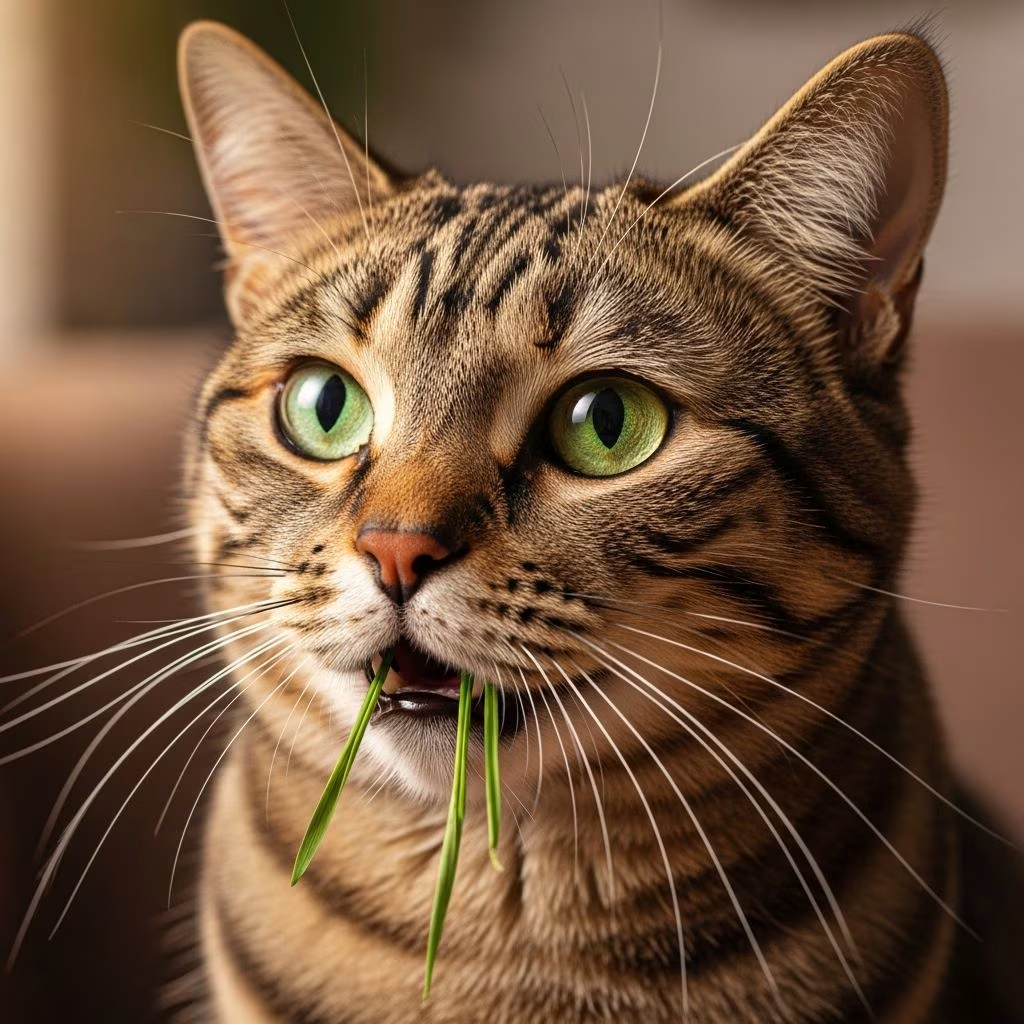
Cats frequently eat grass, which can sometimes get lodged in their oropharynx or esophagus, leading to discomfort. This guide clarifies symptoms, home care, veterinary intervention, and prevention strategies to help your feline recover quickly.
Signs of Grass Stuck in Cat’s Throat
Recognizing early signs is crucial for timely action. Cats may sneeze excessively if grass enters the nasal cavity while sniffing or grazing outdoors. You might notice discharge from one nostril or pawing at the affected area.
Common indicators include constant gagging, retching, or rapid mouth opening and closing with pawing. Cats may eat and drink but gag before, during, or after swallowing. Unlike serious issues, there should be no abdominal pain, lethargy, coughing, or breathing difficulties—if present, seek immediate vet care.
- Sneezing with nasal discharge, often unilateral
- Gagging or retching, especially around meals
- Pawing at mouth or nose
- Excessive swallowing or drooling
- No systemic signs like lethargy or respiratory distress
Distinguish this from vomiting (expelling stomach contents) or coughing (lung-related). Grass in the trachea is an emergency causing breathing issues, not covered here.
What Can I Do at Home?
Initial home management focuses on monitoring without risking harm. Withhold food and water for a few hours to observe if gagging persists constantly or only during swallowing—note this for your vet.
Next, offer small amounts of water and food. Keep your cat indoors under close watch to avoid outdoor grass or other irritants complicating diagnosis. If they eat small portions without vomiting and defecate normally, introduce high-fiber food to potentially push the grass through.
Safe Home Care Steps
- Remove food/water for 2-4 hours; monitor behavior
- Reintroduce tiny amounts; observe gagging patterns
- Confine indoors; prevent access to other pets’ bowls
- Try fiber-rich food if stable (e.g., pumpkin puree or high-fiber canned food)
Critical Warnings: Never force-feed, administer oils, or manually extract grass. This risks choking, aspiration, biting, or injury. Patience is key.
Should I Take My Cat to the Vet?
Yes, if symptoms last beyond home trials or worsen. Provide history: onset, outdoor access, cat grass exposure. Vets often sedate for thorough oral, nasal, and esophageal exam, visualizing and removing grass via gentle extraction.
Advanced diagnostics include X-rays (grass may show or require barium contrast) or endoscopy under anesthesia to locate and retrieve obstructions. Bloodwork ensures sedation safety and checks for complications.
| Type | Symptoms | Treatment |
|---|---|---|
| Partial | Gagging, regurgitation, weight loss | Endoscopy, fiber diet |
| Full | Drooling, no appetite, breathing issues | Urgent endoscopy/surgery |
If symptoms resolve post-home care, log details for recurrence tracking. Differentiate from nausea or respiratory issues.
Treatment Options at the Vet
Once diagnosed, immediate removal is essential. Endoscopy is preferred: a flexible tube with camera and tools (e.g., forceps) extracts the grass minimally invasively.
Sedation allows visualization; many cats recover same-day. Surgery is rare, reserved for inaccessible obstructions. Post-procedure, anti-inflammatories reduce esophageal irritation.
Recovery and Management
Recovery varies by severity. Uncomplicated cases heal quickly with soft food (canned or soaked kibble). Hospitalization may be needed if surgery or anorexia occurred.
Monitor for esophageal strictures (scar tissue narrowing)—recheck endoscopy 1-2 weeks post-removal if risked. Feed elevated to aid swallowing; transition gradually.
- Soft diet for 7-14 days
- Pain meds as prescribed
- Watch for regurgitation or pain
- Follow-up X-rays if needed
Prevention Tips for Cat Owners
Prevent grass ingestion by offering safe alternatives like wheatgrass or catnip. Supervise outdoor time; indoor cats avoid risks. Regular grooming reduces seed awns.
Discourage wild grass eating; provide balanced high-fiber diets minimizing urges. Trim lawn grasses; use pet-safe deterrents.
Frequently Asked Questions (FAQs)
Q: How do I know if grass is stuck in my cat’s throat?
A: Look for sneezing, unilateral nasal discharge, gagging, retching, pawing at mouth/nose without coughing, vomiting, or lethargy.
Q: Can I pull grass out of my cat’s throat myself?
A: No, this risks injury, stress, choking, or bites. Monitor and seek vet help.
Q: What if my cat is coughing or has breathing trouble?
A: This suggests airway involvement—emergency vet visit required, as it’s life-threatening.
Q: How long before seeing a vet for gagging?
A: If persists after 4-6 hours withholding food/water or small trials fail, go promptly.
Q: Is cat grass safe?
A: Usually, but monitor; pieces can still lodge. Choose oat/wheat varieties.
Q: What causes cats to eat grass?
A: Instinctual for digestion aid, hairball expulsion, or nausea relief.
Why Cats Eat Grass and Risks Involved
Cats eat grass for fiber to purge hairballs or irritants. However, awns or blades can migrate to throat, nose, ears, causing issues like flu-like symptoms (sneezing, discharge).
Seasonal peaks occur in grassy areas; long-haired breeds prone due to grooming. Awareness empowers proactive care.
References
- Grass Stuck in Your Cat’s Throat? Our Vet Explains What to Do — Catster (Ask the Vet). 2023. https://www.catster.com/ask-the-vet/grass-stuck-in-cats-throat/
- Grass Seeds in Cats — Joii Pet Care. 2024. https://www.joiipetcare.com/blogs/health-conditions/grass-seeds-in-cats
- Foreign Objects Stuck In the Esophagus of Cats — PetMD. 2024. https://www.petmd.com/cat/conditions/digestive/c_ct_esophageal_obstruction
- My Cat Seems to Have a Piece of Grass Stuck in Its Throat — Dial A Vet. 2023. https://www.dialavet.com/vet-answers/cat-coughing-grass-throat-26624
- Is Eating Grass Dangerous For Cats? — Vet’s Klinic. 2024. https://vetsklinic.co.uk/is-eating-grass-dangerous-for-cats/



