

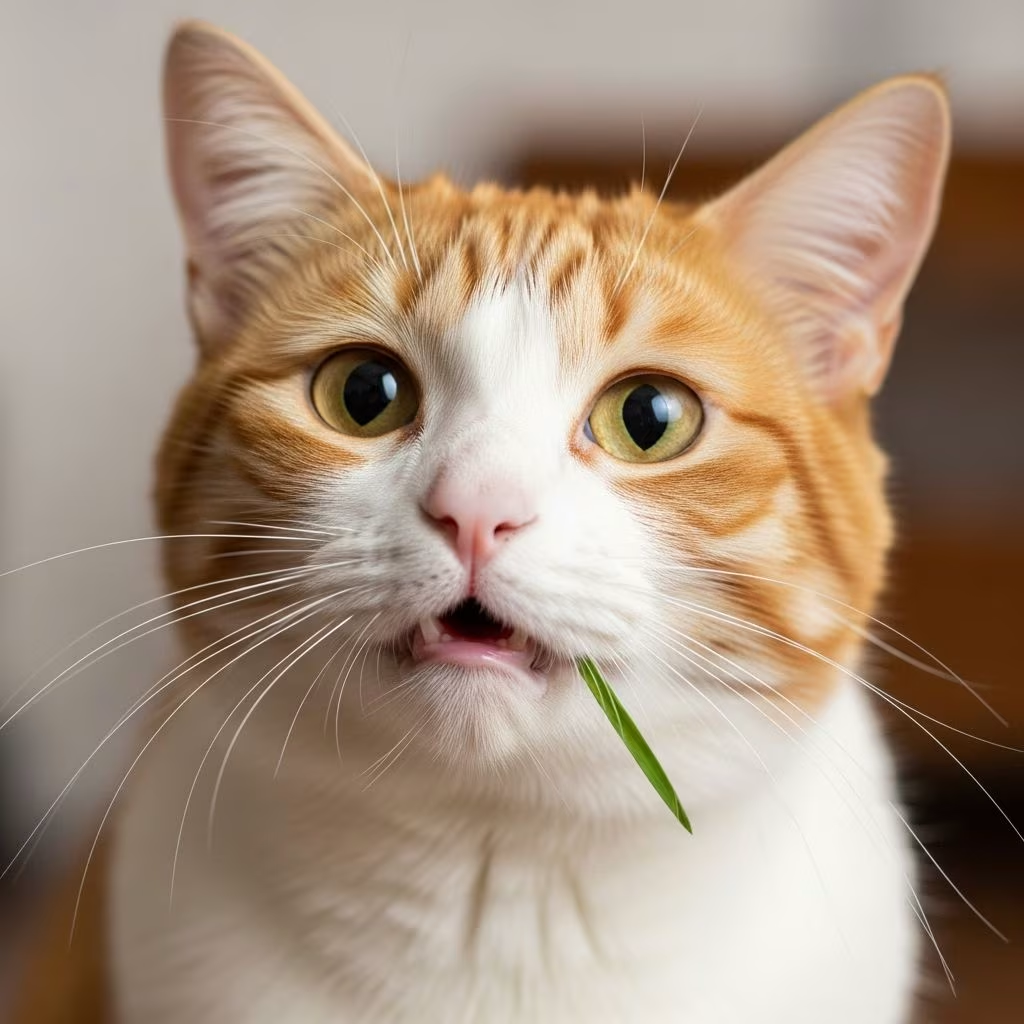
Cats often nibble on grass, but what happens when a blade gets lodged in the throat? This common issue can cause discomfort, gagging, and sneezing, but most cases resolve with simple monitoring or minor intervention. Understanding the signs, safe home actions, and when to involve a veterinarian is crucial for your cat’s well-being. This guide, informed by veterinary expertise, covers everything from initial symptoms to professional treatments, helping you act confidently.
Signs of Grass Stuck in Cat’s Throat
Recognizing the symptoms early can make all the difference. Cats eating grass outdoors or indoor cat grass may inadvertently inhale or swallow a blade, leading it to lodge in the oropharynx (back of the mouth) or esophagus (food pipe). Importantly, this differs from airway blockages in the trachea, which cause severe breathing issues.
- Sneezing: Often the first sign, especially if grass enters the nasal cavity. You might see discharge from one nostril and pawing at the face.
- Gagging and Retching: Repeated attempts to clear the throat, with the mouth opening and closing rapidly. This may occur constantly or only during eating/drinking.
- Excessive Swallowing or Pawing: Cats may paw at the mouth or throat, showing irritation without affecting appetite initially.
These behaviors stem from the grass irritating sensitive tissues. According to veterinary sources, grass awns or blades can migrate slightly, worsening discomfort over hours.
Red Flags Requiring Immediate Vet Care: No abdominal pain, lethargy, coughing, or breathing difficulty should accompany simple grass lodgment. If present, it signals a more serious issue like full esophageal obstruction or infection.
- Coughing or labored breathing (possible tracheal involvement)
- Lethargy or unwillingness to move
- Vomiting (distinct from regurgitation, which is passive)
- Extended head/neck or drooling excessively
What Can I Do at Home?
Before rushing to the vet, try these vet-recommended, low-risk steps if your cat is stable—gagging but eating small amounts and breathing normally. Keep your cat indoors for close observation.
- Withhold Food and Water Temporarily: Remove access for 2-4 hours. Monitor if gagging persists constantly or only with swallowing. Note details for your vet.
- Reintroduce Small Amounts: Offer a teaspoon of water, then wet food. If tolerated without vomiting and defecation remains normal, proceed.
- Try High-Fiber Food: Switch to a diet higher in fiber (e.g., canned pumpkin additive or prescription high-fiber kibble). Fiber can help “grab” and push the grass down. Start with small portions to avoid overload.
What NOT to Do:
- Never force food, water, oil, or fingers into the mouth—risk of choking, aspiration pneumonia, or bites.
- Avoid home extraction attempts; you could push the grass deeper or injure tissues.
- Don’t ignore if symptoms last over 24 hours or worsen.
These steps work because grass often dislodges naturally with peristalsis (esophageal contractions) aided by moisture and fiber. Track behaviors in a log: time started, triggers, stool quality.
Should I Take My Cat to the Vet?
Yes, if home care fails after 12-24 hours, symptoms intensify, or red flags appear. Prompt veterinary evaluation prevents complications like esophageal strictures (scarring) or secondary infections.
Your vet will start with a history: outdoor access? Recent grass eating? They’ll perform:
- Physical Exam: Under light sedation to visualize mouth, nose, and throat.
- Imaging: X-rays (often with contrast like barium) to locate the grass. Most linear objects like grass are radiopaque.
- Endoscopy: A flexible scope under anesthesia to view and remove the foreign body with forceps—minimally invasive, quick recovery.
In severe cases (e.g., deep esophageal lodgment), surgery may be needed, but this is rare for grass. Post-removal, vets prescribe anti-inflammatories, pain relief, and soft diets for 7-14 days. Rechecks ensure no strictures form.
| Symptom Duration | Action |
|---|---|
| <12 hours, mild | Monitor at home |
| 12-24 hours or worsening | Schedule vet visit |
| With red flags (breathing issues) | Emergency vet now |
If symptoms resolve at home, log details for future reference—recurrences are common in grass-loving cats.
Frequently Asked Questions (FAQs)
Q: How do I know if it’s grass stuck versus something else?
A: Grass typically causes unilateral sneezing/nasal discharge and gagging without systemic signs. Coughing/vomiting suggests other issues like hairballs or infections. Vet diagnostics confirm.
Q: Can grass cause a full esophageal obstruction?
A: Rare, but possible if coiled. Signs include regurgitation, drooling, no appetite. X-rays differentiate partial vs. full blockages.
Q: Is cat grass safe for indoor cats?
A: Yes, but supervise. Choose oat/wheatgrass varieties; trim to prevent long blades. It aids digestion but can still lodge.
Q: What’s the recovery time after vet removal?
A: Endoscopy cases recover in 1-2 days with soft food. Surgical cases need 1-2 weeks hospitalization and monitoring for strictures.
Q: How to prevent grass lodgment?
A: Limit outdoor time in grassy areas, provide safe indoor grass, discourage eating wild grass (may have pesticides). Regular grooming reduces ingestion.
Why Do Cats Eat Grass Anyway?
Cats eat grass for fiber to purge hairballs, aid digestion, or out of instinct. Wild cats did it for nutrients; domestic ones continue. However, sharp grass awns pose risks in breeds with flat faces (e.g., Persians).
Complications of Untreated Grass in Throat
Prolonged irritation leads to inflammation, bacterial overgrowth, or migration into tissues. Esophageal strictures narrow the tube, causing chronic dysphagia. Early intervention is key.
References
- Foreign Objects Stuck In the Esophagus of Cats — PetMD (Dr. Barri Morrison). 2023-05-15. https://www.petmd.com/cat/conditions/digestive/c_ct_esophageal_obstruction
- Grass Stuck in Your Cat’s Throat? Our Vet Explains What to Do — Catster (Veterinary Expert). 2024-08-20. https://www.catster.com/ask-the-vet/grass-stuck-in-cats-throat/
- Esophageal Foreign Bodies in Cats — Merck Veterinary Manual (Merck & Co., Inc.). 2025-01-10. https://www.merckvetmanual.com/cat-owners/disorders-affecting-multiple-body-systems-of-cats/esophageal-foreign-bodies-in-cats
- Grass Awn Migration in Companion Animals — Journal of the American Veterinary Medical Association (AVMA). 2024-03-12. https://avmajournals.avma.org/view/journals/javma/262/5/javma.23.10.0578.xml
- Diagnosis and Management of Foreign Bodies in the Esophagus of Small Animals — American College of Veterinary Internal Medicine (ACVIM). 2023-11-05. https://www.acvim.org/resources/diagnosis-management-foreign-bodies-esophagus-small-animals



