

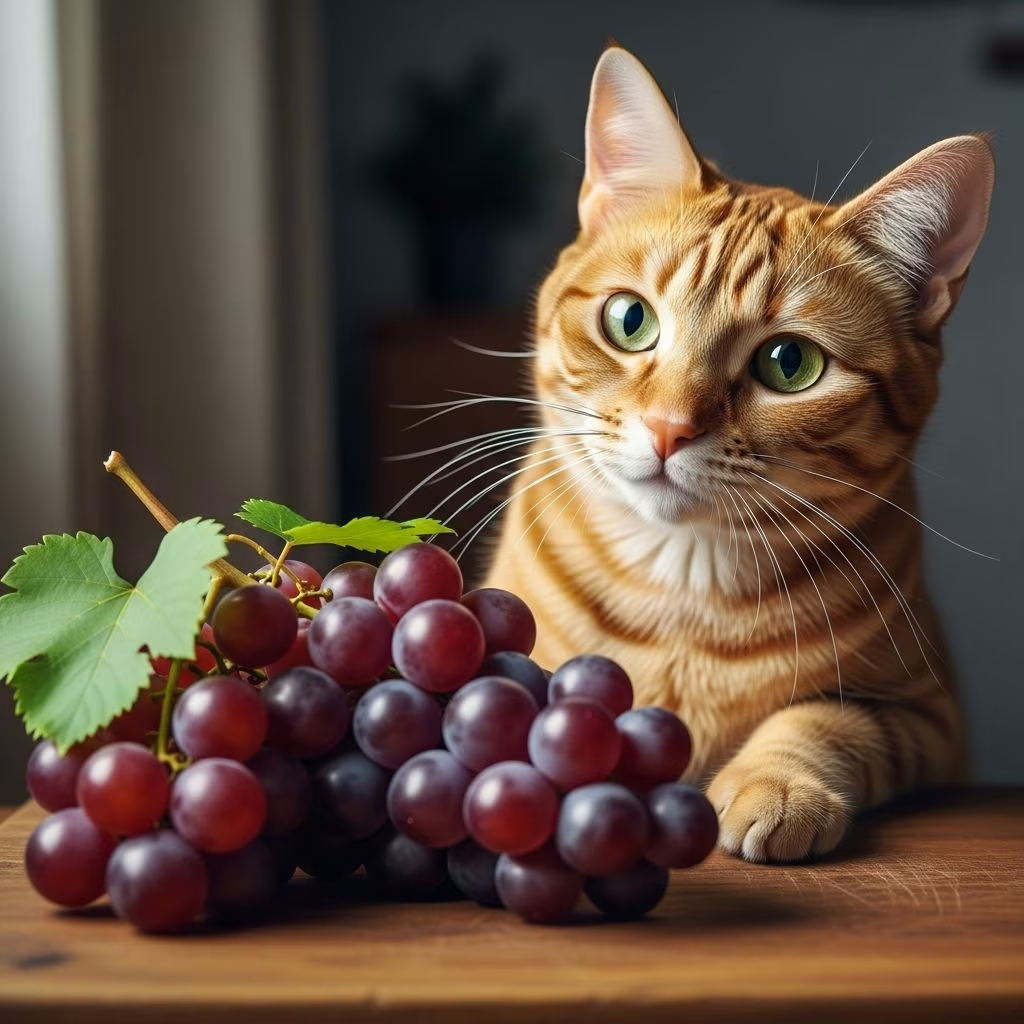
As a cat owner, you want to provide the best possible care for your feline companion. This includes understanding which foods are safe and which pose potential health risks. While many households keep grapes readily available as a healthy snack, the situation is quite different when it comes to your beloved pet. The relationship between cats and grapes is one that deserves careful attention and understanding.
The Core Issue: Are Grapes Safe for Your Cat?
The direct answer is clear and unambiguous: grapes should never be fed to cats. Unlike some foods where the toxicity level remains debatable, veterinary professionals across the board recommend complete avoidance of grapes in feline diets. This recommendation extends not only to fresh grapes but also to all products derived from them, including raisins, dried currants, and any foods containing these ingredients.
While grape toxicity is well-documented and severe in dogs, many cat owners wonder why they should be equally concerned about their feline friends. The answer lies in the cautious approach veterinarians take when protecting animal health, even when complete data remains limited.
Understanding the Toxicological Mechanism
The scientific community continues to investigate the exact mechanism by which grapes cause harm to animals. The leading theory points to tartaric acid and its salt form, potassium bitartrate, as the primary toxic compounds responsible for adverse reactions. However, researchers have not definitively isolated the culprit, which makes the situation more complex when addressing feline safety.
What we do know is that these compounds can trigger severe physiological responses. In susceptible animals, grape consumption has been associated with the rapid development of kidney dysfunction, a condition that can be life-threatening if left untreated. The unpredictability of which cats will experience severe reactions makes prevention the only truly safe strategy.
Why Cats May Show Fewer Reported Cases
One observation that often confuses pet owners is that grape-related poisonings appear more frequently in dogs than in cats. This difference has a behavioral explanation. Cats are typically more selective and discriminating eaters than their canine counterparts. Their natural pickiness means they are less likely to consume unusual foods, including grapes. Dogs, being less discerning, more readily ingest potential toxins, which explains the higher number of documented cases in that species.
However, the absence of extensive documented cases in cats does not indicate safety. Rather, it reflects the natural eating patterns of felines. If a cat does consume grapes—whether through accidental access or unusual appetite—the same toxic mechanisms that affect dogs could potentially impact them as well.
Potential Health Complications from Grape Ingestion
If a cat manages to consume grapes, several health complications may develop. Understanding these symptoms is crucial for prompt intervention:
- Gastrointestinal Distress: Vomiting and diarrhea are among the most commonly observed initial symptoms
- Lethargy and Weakness: Affected cats may display reduced energy levels and apparent discomfort
- Appetite Changes: Loss of appetite or reduced interest in food may occur
- Abdominal Pain: Your cat may show signs of discomfort in the abdominal region
- Kidney-Related Symptoms: Increased thirst and increased urination can indicate developing kidney problems
- Severe Cases: In rare instances, kidney failure and collapse have been documented
Research indicates that approximately 15% of dogs and cats exposed to grapes or raisins develop signs of toxicity, though kidney damage is significantly less common. Still, the possibility of such severe consequences means even a small risk is unacceptable.
Additional Physical Hazards Beyond Toxicity
Beyond the question of chemical toxicity, grapes present other physical dangers to cats. The small, round shape of grapes combined with their slippery surface creates a choking hazard, particularly for cats that enjoy batting at or playing with food items before consumption. Young kittens and elderly cats with dental issues face heightened risk from this hazard.
Additionally, grape stems can present problems. These woody structures may pose choking risks similar to the fruit itself and may contain the same potentially toxic compounds found throughout the plant. Grape seeds, present in seeded varieties, add another layer of concern due to their choking potential.
Nutritional Considerations for Feline Diets
Another important point to understand is that cats derive no nutritional benefit from grapes. This fact is essential to grasp when considering whether any potential benefit could justify the risks—spoiler alert, it cannot.
Cats are obligate carnivores, meaning their evolutionary biology has shaped them to obtain essential nutrients from animal tissues rather than plant-based foods. While humans benefit from the antioxidants, fiber, and vitamins present in grapes, cats lack the metabolic pathways to properly utilize these compounds. A balanced commercial cat food approved by the Association of American Feed Control Officials (AAFCO) provides all the nutrition your feline friend requires.
Safe Alternatives for Treating Your Cat
The desire to offer your cat occasional treats and special foods is perfectly natural. Fortunately, numerous safe alternatives exist that align with your cat’s nutritional needs:
- Small pieces of cooked, unseasoned chicken or turkey
- Plain cooked pumpkin (excellent for digestive health)
- Small amounts of cooked salmon or other fish
- Commercially formulated cat treats specifically designed for feline nutrition
- Freeze-dried meat products designed for cats
Before introducing any new food into your cat’s diet, consulting with your veterinarian ensures you make choices that support your pet’s individual health status and dietary requirements.
What to Do If Your Cat Eats Grapes
Despite best efforts to prevent it, accidents happen. If you suspect or know that your cat has consumed grapes, immediate action is essential. Contact your veterinarian without delay, providing information about the quantity consumed and the time of ingestion. Your vet may recommend monitoring for symptoms or may choose to perform preventive treatments to minimize potential harm.
Do not wait for symptoms to appear before seeking professional guidance. Early intervention can be lifesaving, particularly if kidney damage is a concern.
Preventing Access: Creating a Grape-Free Environment
The most effective strategy for protecting your cat involves prevention. Store grapes and grape-containing products securely, keeping them in refrigerators or cabinets where your cat cannot access them. This includes:
- Fresh grapes in fruit bowls or on countertops
- Raisins in breakfast cereals and baking ingredients
- Currants in baked goods and trail mixes
- Grape juice and grape-based juices
- Grape jelly and other grape preserves
If you have family members or visitors who may not be aware of grape toxicity to cats, communicate this danger clearly to ensure everyone in your household understands the importance of keeping these foods away from your feline companion.
Frequently Asked Questions
Q: Are all types of grapes equally dangerous?
A: Yes. Red, green, black, purple, and seedless varieties all pose the same potential risks. There is no safe variety of grape for cats.
Q: What about raisins and currants?
A: These dried forms may actually present greater danger than fresh grapes because the drying process concentrates the potentially toxic compounds. They should be avoided entirely.
Q: Can cooked grapes be safer than raw grapes?
A: No. The cooking process does not eliminate the suspected toxic compounds, so cooked, dried, or processed grapes remain dangerous.
Q: How many grapes would make a cat sick?
A: The toxic threshold varies based on the cat’s size and individual sensitivity. Studies suggest that a 10-pound cat could potentially show signs of toxicity from consuming as few as 12 fresh grapes.
Q: What are the early warning signs I should watch for?
A: Vomiting, diarrhea, reduced appetite, lethargy, and increased thirst are early indicators that warrant immediate veterinary attention.
The Bottom Line on Feline Safety
While research on grape toxicity in cats remains less extensive than data on dogs, the prudent approach is clear: grapes should have no place in your cat’s diet or environment. The potential for serious harm, combined with the complete lack of nutritional benefit and the abundance of safe alternative treats, makes avoidance the only reasonable choice.
By understanding why grapes pose risks, recognizing potential symptoms, and maintaining a grape-free household, you provide your cat with the protection and care they deserve. Your commitment to informed pet ownership directly contributes to your feline companion’s long-term health and happiness.
References
- Can Cats Eat Grapes? Risks, Safety, and What to Do — PetPlace.com. Accessed February 2026. https://www.petplace.com/article/cats/pet-health/cat-health/cat-diet-nutrition/can-cats-eat-grapes
- Can Cats Eat Grapes? — Chewy Education. Accessed February 2026. https://www.chewy.com/education/cat/food-and-nutrition/can-cats-eat-grapes
- Can Cats Eat Grapes? A Guide to Safety — Purina US. Accessed February 2026. https://www.purina.com/articles/cat/feeding/can-cats-eat/grapes
- Can Cats Eat Grapes? — PetMD. Written by Sandra C. Mitchell, DVM, DABVP. Accessed February 2026. https://www.petmd.com/cat/nutrition/can-cats-eat-grapes
- Can Cats Eat Grapes or Raisins? — Whisker (Litter-Robot). Accessed February 2026. https://www.whisker.com/blog/can-cats-eat-grapes-or-raisins
- 8 Common Human Foods That Are Poisonous to Cats — Vets Now. December 2023. https://www.vets-now.com/2023/12/foods-poisonous-to-cats/
- Seven Toxic Foods That Your Cat Should Avoid — NexGard SPECTRA. Accessed February 2026. https://nexgard.com.au/pet-care/cat-care/toxic-foods



