

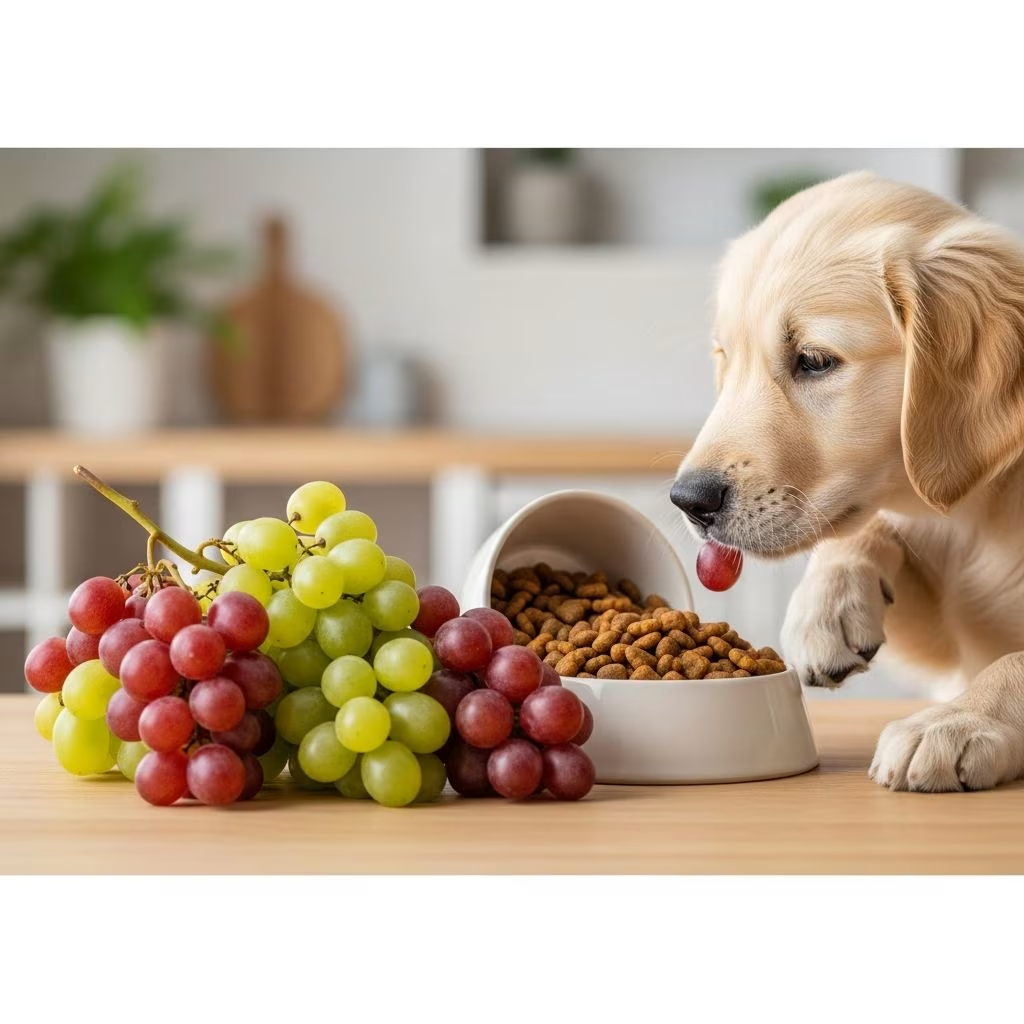
As a dog owner, you want to share everything with your beloved companion, including treats and snacks. However, not all human foods are safe for dogs, and some can pose serious health threats. One such food that requires absolute caution is grapes. While these small fruits make a healthy snack for humans, they represent a significant danger to dogs of all sizes, ages, and breeds.
The Danger: Why Grapes Are Harmful to Your Dog
Grapes are universally toxic to dogs and present one of the most serious dietary hazards that pet owners should be aware of. The danger lies in the chemical composition of the fruit itself, not in preparation methods or the dog’s individual sensitivity. Unlike some toxic foods where only certain breeds or larger dogs face risk, grapes pose a threat to every canine, regardless of their characteristics.
The primary concern with grape consumption in dogs is their potential to cause acute kidney failure, a life-threatening condition where the kidneys lose their ability to function properly and filter toxins from the bloodstream. This complication can develop rapidly after consumption and may result in permanent damage or death if not treated immediately.
The exact toxic substance responsible for this severe reaction remains unidentified by veterinary science. Researchers have proposed several candidates, including tartaric acid, mycotoxins, and salicylates, but no single compound has been definitively proven as the culprit. What is known, however, is that the toxin affects dogs differently than it affects humans, and the variability in individual dog responses makes it impossible to predict safe consumption levels.
Understanding Individual Sensitivity and Unpredictability
One of the most troubling aspects of grape toxicity is its unpredictability. Dogs demonstrate varying degrees of sensitivity to grapes, and the amount consumed does not reliably predict the severity of the reaction. Some dogs may consume a small number of grapes without apparent immediate symptoms, while others may suffer severe consequences from eating just one or two.
This unpredictability is why veterinarians universally recommend complete avoidance rather than limited consumption. The fact that some dogs appear unaffected after eating grapes does not mean grapes are safe for those individual dogs on future occasions. Each exposure carries the potential for serious harm, making it impossible to establish a safe quantity.
Additionally, grapes contain varying concentrations of potentially toxic compounds depending on their type, ripeness, growing conditions, and whether they are organic or conventionally grown. This variation further complicates the ability to predict which grapes or which amounts might cause problems for any given dog.
All Forms of Grapes Present Equal Risk
Pet owners sometimes wonder whether certain variations of grapes might be safer than others. The answer is definitively no. The toxic properties are present in all grape varieties, regardless of their characteristics:
- Red, green, purple, and white grapes are all equally toxic
- Seedless and seeded varieties present the same level of danger
- Organic and conventionally grown grapes carry identical risks
- Fresh, frozen, and dried grapes (raisins) all contain the harmful compounds
- Grapes from grocery stores, farmers markets, or homegrown sources are equally dangerous
- Grape pressings from wineries and other grape-derived products pose the same threat
Raisins, which are simply dehydrated grapes, are particularly concerning because the drying process concentrates the toxic compounds, potentially making them more dangerous than fresh grapes in equal quantities. This concentration effect means that even small amounts of raisins can cause severe reactions.
Recognizing Symptoms of Grape Poisoning
If your dog accidentally consumes grapes or products containing grapes, knowing the signs of toxicity can help you seek emergency veterinary care quickly. Symptoms can develop within hours of ingestion, though some signs may take several hours to appear. Pet owners should watch for the following indicators:
- Vomiting, which may be persistent or recurring
- Diarrhea or loose stools
- Loss of appetite or refusing to eat
- Lethargy or unusual tiredness
- Abdominal pain or discomfort
- Decreased urine production or inability to urinate
- Dehydration, indicated by dry gums or loss of skin elasticity
- Tremors or seizures in severe cases
- Bad breath or unusual odor
The development of kidney failure may not become apparent until several days after ingestion, as kidney damage can progress silently. Early symptoms like vomiting and diarrhea might initially seem like minor digestive upset, but they are warning signs that require immediate professional evaluation.
Grape Products and Hidden Sources
Beyond whole grapes, pet owners must be vigilant about grape-derived products that may be less obvious sources of toxicity. These products contain the same harmful compounds and should be kept entirely away from dogs:
| Product Type | Hazard Details |
|---|---|
| Grape juice | Contains concentrated grape toxins; additional sugar hazard |
| Grape jelly or jam | Includes grape toxins plus excessive sugar and potentially xylitol |
| Raisin bread or raisin buns | Hidden raisins present toxin risk; also high in sugar |
| Wine and alcoholic beverages | Combines grape toxins with ethanol, causing additional poisoning |
| Grape-flavored foods | May contain grape derivatives or concentrates |
| Certain cereals and granolas | Often contain raisins or grape components |
Beyond the grape toxins themselves, many of these products contain additional harmful ingredients for dogs. Grape jelly and juice contain high quantities of sugar and corn syrup, which can contribute to obesity and diabetes. Some products may include xylitol, an artificial sweetener that is independently toxic to dogs and can cause rapid insulin release leading to dangerous drops in blood sugar.
The Choking Hazard Factor
Beyond chemical toxicity, grapes present an additional mechanical danger. Their small size and smooth, rounded shape make them potential choking hazards, particularly for small dog breeds or puppies. A whole grape can lodge in a dog’s windpipe, blocking the airway and causing choking emergencies that require immediate intervention.
Even for larger dogs, the round shape and size of grapes can present challenges. If a grape becomes stuck, it may require emergency veterinary removal, adding another layer of risk to grape consumption.
What to Do If Your Dog Eats Grapes
If you discover or suspect that your dog has consumed grapes, raisins, or grape products, immediate action is essential. Time is critical in preventing severe complications:
- Contact your veterinarian immediately — do not wait to see if symptoms develop. Even consumption of a single grape warrants professional evaluation.
- Provide specific information — tell your veterinarian the type and approximate quantity of grapes consumed and the time of consumption.
- Do not induce vomiting without veterinary guidance, as improper technique can cause additional harm.
- Keep your dog calm and monitor closely for any symptoms while awaiting veterinary advice.
- Be prepared for emergency care — severe cases may require hospitalization, IV fluids, and intensive monitoring.
- Follow all veterinary recommendations for follow-up visits and testing, as kidney damage may develop over time.
Early veterinary intervention significantly improves the chances of preventing serious kidney damage. Treatment typically involves supportive care to help the body eliminate the toxin and prevent kidney dysfunction, though the exact mechanism of toxin removal remains an area of ongoing veterinary research.
Safe Fruit Alternatives for Your Dog
Just because grapes are off-limits does not mean your dog must miss out on fruity treats. Several fruits and fruits-based treats offer nutritional benefits without the dangers associated with grapes:
- Plain cranberries (fresh or unsweetened) — safe and may support urinary health
- Blueberries — packed with antioxidants and safe in moderate amounts
- Pineapple (fresh, without core) — sweet and digestive benefits in small quantities
- Watermelon (without seeds) — hydrating and low-calorie
- Apples (without seeds) — crisp texture and nutritious
- Bananas — potassium-rich but high in sugar, so offer sparingly
- Oranges (seedless, peeled) — vitamin C source in small amounts
When offering any fruit to your dog, introduce new foods gradually and in moderation. Fruits are higher in natural sugars than vegetables, so they should not comprise a large portion of your dog’s daily caloric intake. Consult with your veterinarian about appropriate quantities based on your individual dog’s size, age, and health status.
Prevention Strategies for Your Household
The best approach to grape toxicity is complete prevention. Implement these strategies to reduce the risk of accidental exposure:
- Store grapes and raisins in secure, elevated locations where dogs cannot access them
- Do not leave grapes in bowls on tables or counters, as curious dogs may investigate
- Never use grapes as training treats or rewards
- Educate family members, visitors, and caregivers about the dangers of feeding grapes to your dog
- Read ingredient lists on human foods before allowing your dog to consume them
- Be especially vigilant during holiday seasons when grape-containing foods are more prevalent
- Supervise outdoor time, as grapes from nearby gardens or properties may be accessible
Creating awareness among everyone who interacts with your dog is essential, as accidental exposure often occurs when well-meaning friends or family members are unaware of the danger.
Frequently Asked Questions About Grapes and Dogs
Can any amount of grapes be safely given to dogs?
No. There is no established safe quantity of grapes for any dog. Even a single grape has the potential to cause toxicity in some dogs. The unpredictability of individual responses means complete avoidance is the only safe approach.
Is there a difference in toxicity between seedless and seeded grapes?
Both seedless and seeded varieties are equally toxic. The seeds themselves are not the source of the danger; the toxic compounds are distributed throughout the entire fruit.
Can frozen grapes be safely given to dogs?
No. Freezing does not eliminate the toxic compounds in grapes. Frozen grapes present all the same risks as fresh grapes, with the added potential for throat irritation or choking hazard.
What about grape-flavored treats or supplements made with grape extract?
Grape-flavored items that contain actual grape ingredients should be avoided. However, products using grape flavoring (artificial flavoring without actual grape) are likely safe. Always check ingredient lists to determine whether actual grape products are included.
Can dogs develop tolerance to grapes over time?
No. Dogs do not build tolerance to grape toxins. Each exposure carries the same level of risk, regardless of past consumption without apparent symptoms.
Are certain dog breeds more susceptible to grape toxicity?
All dogs, regardless of breed, size, age, or health status, can suffer toxic reactions to grapes. No breed has demonstrated resistance to grape toxicity.
References
- Can Dogs Eat Grapes? Are Grapes Safe For Dogs? — Spot & Tango. https://www.spotandtango.com/blog/can-dogs-eat-grapes
- Why Are Grapes Bad for Dogs? — Taste of the Wild Pet Food. https://www.tasteofthewildpetfood.com/articles/nutrition/why-are-grapes-bad-for-dogs/
- Can Dogs Eat Grapes? — PetMD. https://www.petmd.com/dog/nutrition/can-dogs-eat-grapes
- Can Dogs Eat Grapes? A Guide to Safety — Purina US. https://www.purina.com/articles/dog/feeding/can-dogs-eat/grapes
- Grape Toxicity In Dogs: Risks And Safety Tips — ZIWI Pets. https://us.ziwipets.com/blogs/digestive-health/grape-toxicity-in-dogs
- Grape, Raisin, and Currant Poisoning in Dogs — VCA Animal Hospitals. https://vcahospitals.com/know-your-pet/grape-raisin-and-currant-poisoning-in-dogs



