

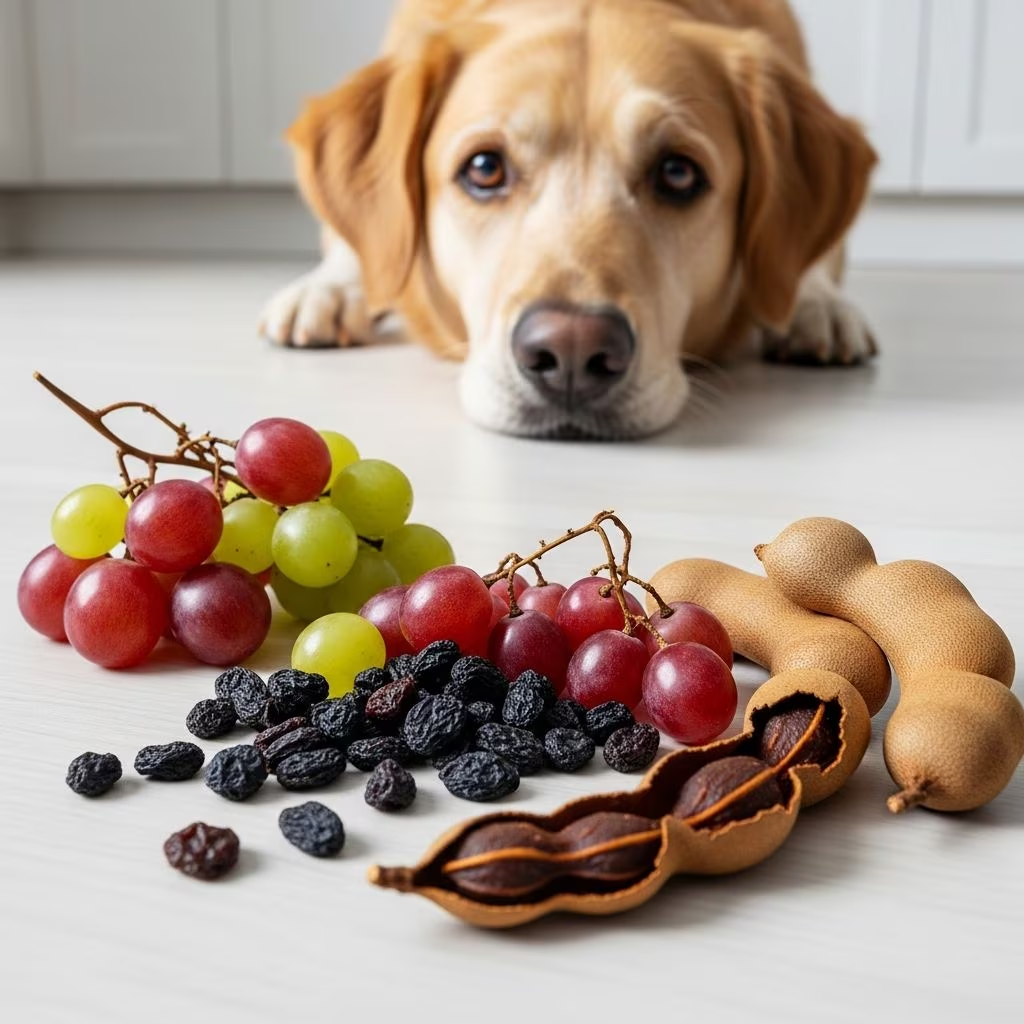
Dogs face significant health dangers from ingesting common human foods like grapes, raisins, and tamarinds. These items, belonging to Vitis spp and Tamarindus spp, can trigger severe toxic reactions, primarily targeting the kidneys. Even small amounts may lead to acute kidney injury or failure, making prompt recognition and intervention critical for survival. Veterinary sources emphasize that while not all dogs react, the potential for life-threatening outcomes warrants immediate action upon exposure.
Why These Fruits Harm Canine Health
The precise toxin in grapes, raisins, and tamarinds remains unidentified, but research points to compounds affecting renal function uniquely in dogs. Unlike other animals, canines show heightened sensitivity, with raisins proving especially potent due to their concentrated nature. Studies report cases where mere handfuls caused renal shutdown, highlighting the idiosyncratic response—no safe dose exists. Tamarinds, though less studied, share similar risks based on clinical observations.
Ingestion often occurs accidentally during family meals or from counter surfing. Dried forms like raisins linger in the stomach longer, prolonging toxin exposure and amplifying damage.
Recognizing the Warning Signs
Symptoms emerge rapidly, typically within 6-12 hours post-ingestion, starting with gastrointestinal upset. Owners must watch for these progressive indicators:
- Vomiting: Frequent and severe, often the first alert, containing fruit remnants.
- Diarrhea: Loose stools, sometimes bloody, signaling intestinal irritation.
- Lethargy and Weakness: Dog appears unusually tired, reluctant to move.
- Loss of Appetite: Refusal of food, a key early behavioral change.
- Excessive Thirst (Polydipsia): Increased drinking as kidneys struggle.
Within 24-48 hours, renal signs dominate: abdominal pain, dehydration, tremors, elevated thirst followed by reduced urination (oliguria), and ultimately anuria. Uremic breath (ammonia-like odor), swelling in limbs, and neurological issues like incoordination or seizures may follow. Blood tests reveal skyrocketing creatinine and BUN levels, confirming kidney compromise.
| Time After Ingestion | Common Symptoms | Severity Level |
|---|---|---|
| 0-12 hours | Vomiting, diarrhea, mild lethargy | Mild to Moderate |
| 12-24 hours | Anorexia, polydipsia, dehydration, weakness | Moderate |
| 24-72 hours | Oliguria/anuria, tremors, uremia, possible coma | Severe |
This table illustrates the escalating nature, underscoring the need for vigilance.
Immediate Steps for Suspected Exposure
Do not wait for symptoms—contact a veterinarian or pet poison hotline instantly. Provide details on amount ingested, time elapsed, and dog’s weight. Avoid home remedies like hydrogen peroxide, as they risk complications.
Diagnostic Approach
Vets perform baseline tests: complete blood count, serum chemistry for kidney markers (creatinine, BUN, phosphorus), urinalysis for specific gravity and casts, and ultrasound if needed. Serial monitoring tracks progression, with even asymptomatic dogs requiring 48-72 hour follow-ups.
Core Treatment Strategies
No antidote exists, so management focuses on decontamination, renal support, and symptom control. Success hinges on speed—early intervention boasts good prognoses.
Gastrointestinal Decontamination
For recent ingestions (<12 hours), induce emesis with apomorphine (0.03 mg/kg IV preferred) if the dog is stable. Grapes/raisins can persist in the stomach, making this vital even later. Follow with activated charcoal (though efficacy is debated) to bind toxins.
Fluid Therapy and Diuresis
Aggressive IV fluids for 48-72 hours promote urine flow, flushing toxins and supporting kidneys. Rates maintain hydration and diuresis; monitor intake/output closely. For oliguria, add furosemide (2 mg/kg IV) or dopamine (0.5-3 mcg/kg/min IV).
Symptomatic Care
- Antiemetics: Maropitant (1 mg/kg IV q24h) or ondansetron (0.5-1 mg/kg IV q8-12h).
- GI Protectants: Sucralfate for ulcers.
- Monitoring: Daily bloodwork, blood pressure, electrolytes.
Severe anuric cases may require hemodialysis or peritoneal dialysis at specialized centers, though survival rates remain low.
| Drug | Dosage | Purpose |
|---|---|---|
| Apomorphine | 0.03 mg/kg IV | Induce vomiting |
| Maropitant | 1 mg/kg IV q24h | Control vomiting |
| Furosemide | 2 mg/kg IV | Promote diuresis |
| Dopamine | 0.5-3 mcg/kg/min IV | Stimulate urine production |
Prognosis and Long-Term Outlook
Outcomes vary: 50% of exposed dogs show no signs, but symptomatic cases risk permanent damage. Early decontamination yields excellent recovery; delayed treatment with anuria drops survival below 50%. Survivors need lifelong kidney diets and monitoring to prevent chronic renal disease.
Prevention: Keeping Your Dog Safe
Avoid these fruits entirely in multi-pet homes. Store securely, educate family, and train “leave it” commands. During holidays, sweep floors for dropped raisins. Promote dog-safe treats like carrots or apples (pitted).
Frequently Asked Questions (FAQs)
Can a single grape hurt my dog?
Yes, even one can trigger toxicity in sensitive dogs—treat all ingestions seriously.
Are cats affected too?
Rare reports exist, but dogs are primarily at risk.
What if my dog seems fine after eating raisins?
Still seek vet care; silent kidney damage can develop.
How much is toxic?
No established dose; any amount poses risk.
Is tamarind paste dangerous?
Yes, it shares the toxic profile.
Recent Veterinary Insights
Updated protocols stress prolonged monitoring, with some clinics advocating 72-hour fluids. Nutrition during acute kidney injury supports recovery, per recent guidelines.
This comprehensive guide equips owners with knowledge to act swiftly, potentially saving lives from these hidden hazards.
References
- Grape, Raisin, and Tamarind (Vitis spp, Tamarindus spp) Toxicosis in Dogs — Merck Veterinary Manual. 2023. https://www.merckvetmanual.com/toxicology/food-hazards/grape-raisin-and-tamarind-vitis-spp-tamarindus-spp-toxicosis-in-dogs
- Canine grape toxicosis — Vet Times. 2023. https://www.vettimes.com/news/vets/small-animal-vets/canine-grape-toxicosis
- Grape, Raisin, And Currant Poisoning In Dogs — Hope Animal Medical Center. 2023. https://hopeamc.com/blog/grape-raisin-and-currant-poisoning-in-dogs/
- Grape and raisin toxicity — Cornell University College of Veterinary Medicine. 2023. https://www.vet.cornell.edu/departments-centers-and-institutes/riney-canine-health-center/canine-health-information/grape-and-raisin-toxicity
- Grape and Raisin Toxicity in Pets — Animal Emergency & Referral Center of Minnesota. 2023. https://aercmn.com/grape-and-raisin-toxicity/



