

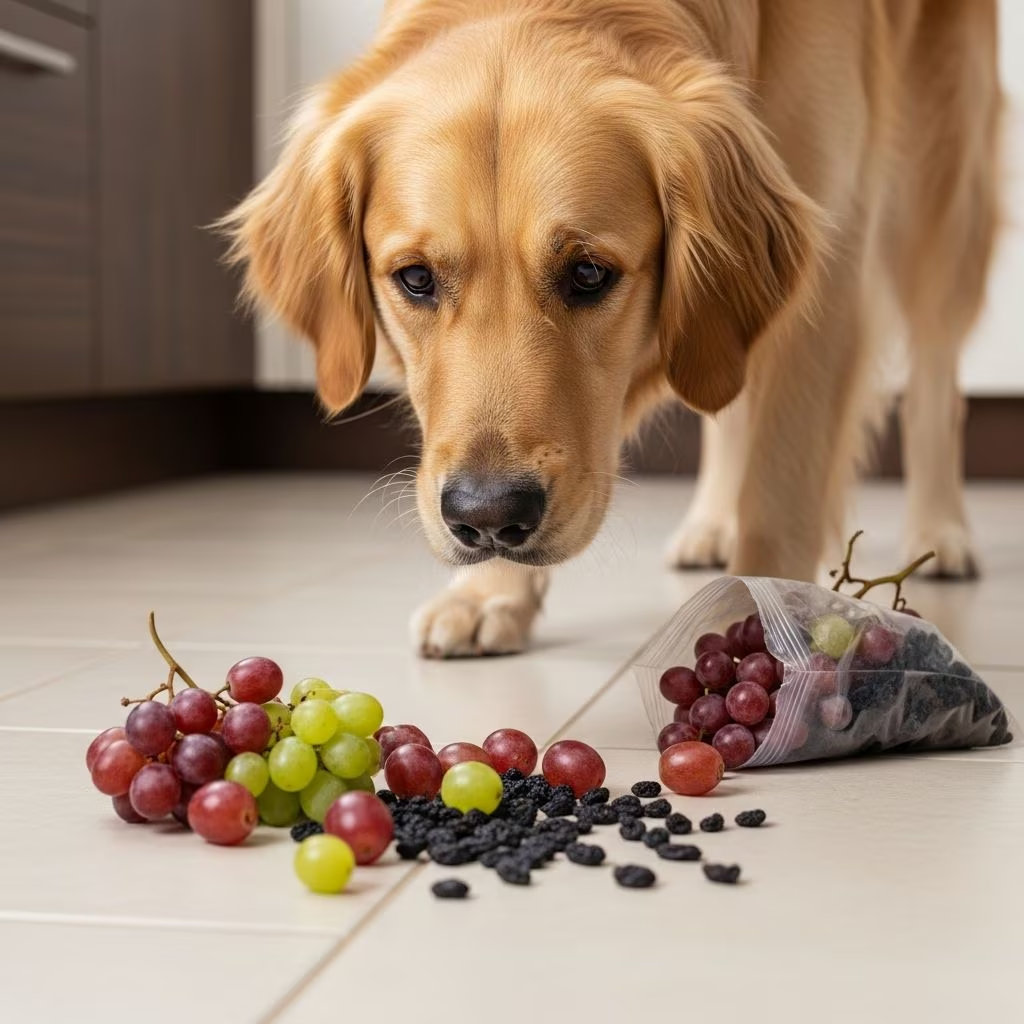
As a dog owner, understanding which human foods pose serious health risks to your pet is essential for responsible pet care. While many fruits and vegetables can be safely shared with dogs, there are notable exceptions that require immediate attention. Among the most dangerous items in your kitchen are grapes and raisins—seemingly innocent snacks that can trigger catastrophic health consequences for canines.
The Serious Health Threat: Understanding Grape and Raisin Toxicity
Grapes and raisins represent one of the most significant dietary hazards for dogs, capable of causing severe and potentially fatal health complications. The toxicity associated with these fruits stems from compounds present in the Vitis genus, which includes various grape varieties regardless of their color, origin, or preparation method. What makes this threat particularly concerning is that the exact mechanism of toxicity remains incompletely understood by veterinary medicine, making it impossible to predict precisely how individual dogs will react or establish a universally safe consumption threshold.
The primary target organ affected by grape and raisin consumption is the kidney. When dogs ingest these fruits, toxins accumulate in kidney tissue, leading to acute kidney injury (AKI). In severe cases, this can progress to complete kidney failure—a condition that develops rapidly and demands immediate veterinary intervention. The timeline from ingestion to critical kidney damage is disturbingly brief, with dogs at risk of total renal failure occurring within 48 to 72 hours of consuming these forbidden fruits.
Identifying All Sources of Danger
Pet owners often focus narrowly on whole grapes and raisins, overlooking the numerous food products that contain these ingredients. This limited awareness creates unexpected poisoning risks in households where owners believe they are taking appropriate precautions. Understanding the full spectrum of grape-containing products is essential for comprehensive protection.
Grapes appear in many prepared foods and beverages, including:
- Breakfast cereals and granola products
- Trail mix and snack combinations
- Granola bars with raisin paste filling
- Baked goods such as raisin bread, muffins, and cookies
- Chocolate assortments containing raisins
- Certain jam varieties and fruit preserves
- Grape juice and wine
- Zante currants and sultanas (dried grape varieties)
- Homemade or commercial fruit cakes
- Some seasonal holiday treats
Additionally, dogs can encounter grape pressings from wineries and naturally occurring grape vines in yards or during outdoor excursions. The critical point is that toxicity manifests regardless of whether grapes are seedless or seeded, organic or conventionally grown, red or green, homegrown or commercially produced. No variety or form of grape is safe for canine consumption.
How Much Is Too Much? The Unknown Dose
One of the most troubling aspects of grape and raisin toxicity is the absence of a clearly defined toxic threshold. Veterinary researchers have not determined a precise formula correlating grape consumption per pound of body weight to toxicological outcomes. This unpredictability creates a scenario where even minimal exposure carries potential danger.
Documented cases reveal the severity of this variability. According to veterinary literature, as few as four to five grapes have been implicated in the death of an 18-pound dog. However, other dogs may consume similar quantities and survive, suggesting individual factors influence susceptibility. These factors may include:
- Individual dog metabolism and detoxification capability
- Pre-existing kidney or health conditions
- Age and overall physical condition
- Concurrent medications or nutritional status
- Unknown genetic predispositions
Because the exact amount required to produce toxicity cannot be reliably predicted, all grape and raisin ingestion—regardless of quantity—must be treated as a potential medical emergency. A single grape theoretically could cause severe toxicity in some dogs, making any exposure unacceptable from a safety perspective.
Recognizing Poisoning Symptoms: Timeline and Warning Signs
Early recognition of grape toxicity is crucial because veterinary intervention during the initial stages of poisoning offers the best opportunity for successful treatment. Most affected dogs display the first signs of toxicity within 6 to 12 hours following ingestion, though some symptoms may appear within a few hours.
The clinical presentation of grape toxicity varies among individual dogs, but common manifestations include:
- Gastrointestinal symptoms: Vomiting and diarrhea typically appear first and represent the most immediate warning signs
- Behavioral changes: Dogs may appear unusually jittery or hyperactive in early stages, progressing to marked lethargy as the condition advances
- Appetite suppression: Affected dogs lose interest in food and treats
- Abdominal discomfort: Tenderness and pain in the abdominal region
- Weakness and dehydration: General weakness develops as the dog’s condition deteriorates
- Urinary changes: Initially, dogs may urinate more frequently, but as kidney function declines, urination decreases significantly or ceases entirely
- Shivering and trembling: Uncontrolled muscle movements may occur
The progression from initial symptoms to complete kidney failure can occur rapidly. As renal function deteriorates, dogs transition from polyuria (increased urination) to oliguria (decreased urination) to anuria (complete cessation of urination). This shift signals advancing kidney damage and represents a critical medical emergency.
Universal Vulnerability: All Dogs Face Equal Risk
An important misconception exists among some dog owners that only certain breeds, ages, or sizes face danger from grapes and raisins. This belief is categorically false. All dogs are susceptible to grape and raisin toxicosis without exception:
- Gender is irrelevant; both male and female dogs face equal risk
- Spay or neuter status provides no protection
- Size offers no advantage; Chihuahuas and Great Danes are equally vulnerable
- Age is not a protective factor; puppies and senior dogs face identical dangers
- Breed characteristics do not confer immunity
However, certain medical conditions do increase vulnerability. Dogs with pre-existing kidney compromise face elevated risk of developing severe toxicity from grape exposure. This includes dogs with chronic kidney disease, previous acute kidney injury, or other renal conditions. These animals should be protected with particular vigilance.
Immediate Response When Ingestion Occurs
Time is the critical variable when a dog has consumed grapes or raisins. Immediate action significantly improves treatment outcomes. If you witness your dog eating grapes or raisins, or suspect consumption has occurred, follow these steps:
Contact your veterinarian immediately. Do not delay or monitor at home first. Veterinary professionals can initiate treatment that prevents absorption of toxins. Common emergency interventions include:
- Inducing vomiting to expel undigested grapes from the stomach
- Administering activated charcoal to bind toxins and prevent intestinal absorption
- Fluid administration to support kidney function and promote toxin elimination
- Blood and urine testing to assess kidney function and damage
Do not attempt home remedies or vomiting induction yourself unless explicitly instructed by your veterinarian. Improper technique can cause additional harm. Additionally, if your dog shows signs of respiratory distress or shock, do not induce vomiting as this can worsen their condition.
Even if your dog appears completely healthy after eating grapes or raisins, professional evaluation is essential. Some dogs may not show immediate symptoms despite having consumed toxic amounts. Your veterinarian can provide guidance based on factors including your dog’s weight, overall health status, and the estimated quantity consumed.
Prevention: The Most Effective Strategy
Prevention represents the most reliable approach to protecting your dog from grape and raisin toxicity. A comprehensive prevention strategy addresses multiple exposure pathways:
Storage and household management: Store all grapes, raisins, and raisin-containing products in secure locations where your dog cannot access them. This includes kitchen counters, dining tables, refrigerators left open, and pantry shelves. During family gatherings or holiday celebrations where grapes are served, remain particularly vigilant about monitoring where fruits are placed and ensuring your dog cannot access them.
Trash and compost security: Secure all trash bins and compost containers with locking lids. Dogs frequently access garbage, creating unintended poisoning opportunities. When disposing of grapes, raisins, or grape-containing foods, ensure they are placed in secure containers that your dog cannot access or overturn.
Yard maintenance: Examine your yard and property for wild or cultivated grape vines. Remove these plants from areas where your dog has access. If removal is impractical, establish physical barriers that prevent your dog from reaching the vines.
Education and communication: Inform all family members, visitors, pet sitters, dog walkers, and anyone else who interacts with your dog about grape and raisin toxicity. Many poisonings occur when well-intentioned people unknowingly offer “healthy snacks” without understanding the dangers. Make explicit requests that no one feed your dog without your permission.
Walking and outdoor activities: Supervise outdoor time carefully. Some dogs encounter grapes from vines along walking trails or in unfenced areas. Keep your dog on a leash in areas where wild grapes might grow, and discourage scavenging behavior.
Safe Fruit Alternatives for Your Dog
Dogs enjoy variety in their diet, and many owners appreciate offering fruit as occasional treats. Fortunately, several safe alternatives provide nutritional benefits without toxicity risks:
- Plain blueberries—rich in antioxidants and safe in appropriate quantities
- Cranberries—beneficial for urinary health
- Pineapple—contains enzymes and vitamins (remove core)
- Watermelon—hydrating and low-calorie (remove seeds and rind)
- Apples—nutritious when seeds are removed
- Bananas—provide potassium and fiber (feed in moderation)
- Strawberries—safe and generally well-tolerated
Always introduce new foods gradually and in small quantities, monitoring for any digestive upset. When in doubt about whether a particular fruit is safe, consult your veterinarian before offering it to your dog.
Frequently Asked Questions
Can dogs eat grape juice or wine?
Absolutely not. Grape juice contains the same toxic compounds present in whole grapes and fresh raisins. Wine presents a double hazard, combining grape toxins with ethanol poisoning, which causes additional neurological damage, difficulty breathing, and seizures in dogs. Keep all grape-derived beverages far from your pet.
Are all grape varieties dangerous?
Yes. Seedless and seeded varieties, red and green grapes, organic and conventionally grown varieties, homegrown and commercially produced fruits—all pose identical risks. The color, origin, or growing method does not affect toxicity.
What if my dog ate just one grape?
Contact your veterinarian immediately. While a single grape may not cause toxicity in some dogs, it has been implicated in fatal poisonings in others. Professional evaluation is essential regardless of quantity consumed.
How is grape toxicity treated?
Treatment depends on timing and symptom severity. Early intervention includes inducing vomiting and administering activated charcoal. Fluid therapy supports kidney function. Blood and urine testing monitors kidney damage. Hospitalization may be necessary for severe cases.
Can cats and other pets eat grapes?
While cats appear less susceptible to grape toxicity than dogs, the safest approach is preventing all pets from consuming grapes and raisins. Research on grape toxicity in other animal species remains limited.
When to Seek Emergency Veterinary Care
Contact an emergency veterinary clinic immediately if your dog shows any of these symptoms:
- Vomiting or diarrhea of any duration following grape ingestion
- Lethargy, weakness, or collapse
- Loss of appetite lasting more than a few hours
- Abdominal pain or distension
- Changes in urination patterns
- Trembling, shivering, or difficulty walking
- Any unusual behavior or illness following suspected grape exposure
Do not assume symptoms will resolve on their own. Grape toxicity progresses rapidly, and early veterinary intervention offers the best chance for recovery. If you are uncertain whether your dog requires emergency evaluation, it is better to err on the side of caution and seek professional assessment.
Conclusion: Vigilance Protects Your Pet
Grape and raisin toxicity represents a preventable but serious threat to canine health. By understanding which foods pose dangers, implementing comprehensive prevention strategies, and responding swiftly if accidental exposure occurs, you can protect your beloved companion from this potentially fatal poisoning. Remain vigilant, communicate clearly with everyone who interacts with your dog, and never hesitate to contact your veterinarian with questions or concerns about your pet’s safety.
References
- Grape and Raisin Toxicity — Cornell University College of Veterinary Medicine, Riney Canine Health Center. Last updated December 23, 2025. https://www.vet.cornell.edu/departments-centers-and-institutes/riney-canine-health-center/canine-health-information/grape-and-raisin-toxicity
- Grape, Raisin, and Currant Poisoning in Dogs — VCA Animal Hospitals. https://vcahospitals.com/know-your-pet/grape-raisin-and-currant-poisoning-in-dogs
- Can Dogs Eat Grapes & Raisins? Are They Harmful? — Hill’s Pet Nutrition. https://www.hillspet.com/dog-care/nutrition-feeding/can-dogs-eat-grapes-and-raisins
- Can Dogs Eat Grapes? A Guide to Safety — Purina US. https://www.purina.com/articles/dog/feeding/can-dogs-eat/grapes
- Toxic Component in Grapes and Raisins Identified — ASPCApro. https://www.aspcapro.org/resource/toxic-component-grapes-and-raisins-identified



