

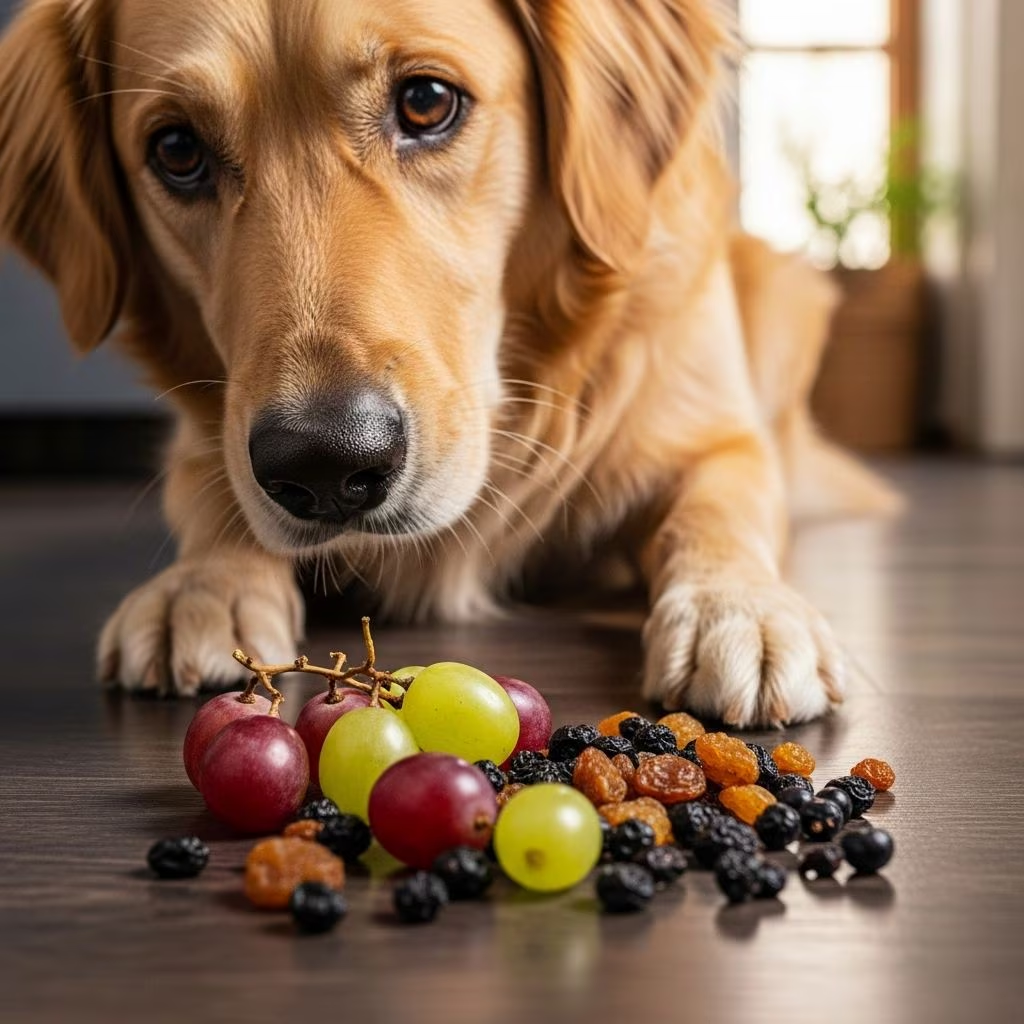
Understanding Grape, Raisin, and Currant Poisoning in Dogs
Grapes, raisins, currants, and sultanas represent a significant health hazard for dogs and should never be included in their diet. While these fruits are nutritious for humans, they contain compounds that can be extremely toxic to canine companions. The exact mechanism of toxicity remains not fully understood by veterinary scientists, but the effects on dog health can be devastating. What makes this poisoning particularly concerning is that the toxic dose varies considerably from dog to dog—some dogs may experience severe reactions to minimal amounts of fruit, while others might consume slightly larger quantities. The unpredictability of individual sensitivity underscores the importance of treating all grape and raisin exposure as a potential emergency requiring immediate veterinary intervention.
Recognizing the Symptoms of Toxicity
Identifying the signs of grape or raisin poisoning is crucial for early intervention and better outcomes. Pet owners should be aware that symptoms typically emerge within a specific timeframe after ingestion, and understanding this timeline can help distinguish this poisoning from other conditions.
Early Symptoms (12-24 Hours After Ingestion)
The most common early symptom of grape or raisin toxicity is gastrointestinal upset that appears within 12 to 24 hours following ingestion. During this initial phase, dogs typically experience:
- Vomiting
- Loss of appetite
- Diarrhea
- Lethargy and reduced energy levels
- General malaise and discomfort
These early symptoms may seem mild and non-specific, which can sometimes lead owners to underestimate the severity of the situation. However, this early period represents a critical window for emergency veterinary treatment.
Advanced Symptoms (24-48 Hours After Ingestion)
More severe signs typically do not appear until 24 to 48 hours after ingestion—often after acute kidney damage has already begun. As the poisoning progresses, owners may notice:
- Continued gastrointestinal upset and vomiting
- Uremic breath with a characteristic ammonia odor
- Abdominal pain and distension
- Excessive thirst
- Excessive urination
- Dehydration
- Progressive lethargy and weakness
These symptoms indicate that kidney function is being compromised, and the situation has become increasingly serious.
Critical Kidney Failure Symptoms
In the most severe cases, kidney failure can develop, presenting with life-threatening symptoms. If the kidneys fail completely, urine production will cease entirely, leading to a failure to filter waste from the body. This results in generalized toxin buildup in the bloodstream and potentially death. Additional severe symptoms may include trembling, seizures, inability to urinate, and loss of consciousness.
How Grape and Raisin Poisoning Works
While veterinary research has not definitively identified the exact toxic compound in grapes and raisins, scientists believe the poisoning mechanism primarily affects kidney function. The toxins are absorbed from the gastrointestinal tract and can cause acute kidney injury or acute kidney failure in dogs. The reason some dogs are more susceptible than others remains unclear, though factors such as individual metabolism, overall health status, and genetic predisposition may play roles. What is clear is that early decontamination before the toxins are absorbed is significantly more effective than treatment after absorption has occurred.
Diagnosis and Veterinary Assessment
When a dog has consumed grapes, raisins, or currants, veterinarians will establish a presumptive diagnosis based on several factors. The primary diagnostic tool is the dog’s history of eating these fruits. Your veterinarian may observe pieces of grapes or raisins in the dog’s vomit, which provides direct evidence of exposure. However, because the symptoms of grape poisoning are non-specific and similar to kidney failure from many other causes, veterinarians will recommend comprehensive diagnostic tests to assess the extent of kidney damage and determine the likelihood of recovery.
Recommended Diagnostic Tests
A complete diagnostic workup typically includes:
- Complete Blood Count (CBC) – evaluates overall blood health and cell counts
- Serum Biochemistry Profile – assesses kidney function, liver function, and electrolyte balance
- Urinalysis – examines urine composition and kidney function markers
- Blood Pressure Monitoring – determines if blood pressure has become elevated due to kidney compromise
These tests help determine the dog’s likelihood of recovery and guide the intensity and duration of treatment needed.
Treatment Approaches for Grape and Raisin Poisoning
The goal of treatment is to block absorption of toxins following ingestion and to prevent or minimize damage to the kidneys. Immediate decontamination by a veterinarian is recommended following ingestion, as this represents the most effective intervention point.
Decontamination Phase
Immediate treatment focuses on preventing toxin absorption through two primary methods:
Stomach Emptying: Your veterinarian may give your dog an injection to induce vomiting, bringing any undigested fruit back up and preventing further toxins from being absorbed. This approach is most effective when administered quickly after the fruits are consumed. Grapes and raisins remain in the stomach for a prolonged period—potentially up to 12 hours—making stomach emptying beneficial even several hours after ingestion. The induced vomiting procedure should only be performed if the patient is asymptomatic and before the fruits have been digested.
Activated Charcoal Administration: Activated charcoal is a medical-grade black powder that traps toxins and prevents their absorption through the intestinal walls. It is typically mixed with water and given as a paste or mixed in food. This substance works by binding to toxins in the gastrointestinal tract, preventing them from entering the bloodstream.
Supportive Care Phase
Following decontamination, further treatment focuses on supporting kidney function and preventing or minimizing kidney damage. Supportive care may include:
Intravenous Fluid Therapy: Your veterinarian may place your dog on an intravenous fluid drip to support kidney function and help flush out any fruit toxins in the bloodstream. Intravenous fluids work by promoting kidney filtration and helping eliminate toxins through increased urine production. Typically, 48 hours of intravenous fluids is recommended, as kidney damage has the greatest chance of developing within the first 2 days after ingestion.
Hospitalization: Dogs exposed to grapes or raisins should ideally be hospitalized on intravenous fluids for 24 to 48 hours following ingestion. However, affected animals may need to be hospitalized for 2 to 7 days depending on the severity of poisoning and response to treatment. During hospitalization, your dog will receive continuous monitoring with blood pressure checks and administration of anti-nausea medication.
Medications: Your veterinarian may administer additional medications depending on your dog’s specific symptoms and overall condition. These may include:
- Anti-nausea and anti-vomiting medications
- Medications to help maintain blood flow to the kidneys
- Medications to control blood pressure
- Medications to protect the stomach lining
Continued Monitoring: During treatment, your veterinarian will monitor kidney function daily through blood work to assess the response to treatment and determine whether treatment needs to become more aggressive. Blood work should be repeated 2 to 3 days after your dog returns home to ensure kidney blood values have not increased and kidney function is recovering properly.
Advanced Treatment Considerations
In severe cases where the dog develops anuric renal failure (complete loss of kidney function) and does not respond to standard treatment, hemodialysis may be considered. This specialized procedure filters waste directly from the blood, effectively replacing lost kidney function. However, hemodialysis is typically only available at specialty or university veterinary hospitals and represents an intensive (and expensive) treatment option.
Prognosis and Recovery Factors
The prognosis for grape or raisin poisoning depends on several factors related to the amount consumed, the timing of treatment, and the extent of kidney damage:
Excellent Prognosis: If a dog ate only a few grapes or raisins (depending on the dog’s size) and received immediate treatment, the prognosis is excellent. Early intervention before significant toxin absorption occurs dramatically improves outcomes.
Poor Prognosis: If the kidneys are significantly damaged and no urine is produced, the prognosis is poor and fatality is likely. Once the kidneys have shut down and urine output has stopped, recovery becomes extremely unlikely. The kidneys have very little capacity to regenerate or repair themselves, so once they are damaged, they will not function as well as they did before the episode.
It is important to understand that even dogs who survive grape or raisin poisoning may have permanent kidney damage and reduced kidney function for the rest of their lives.
Prevention and Safety Measures
The most effective strategy for protecting your dog from grape and raisin poisoning is complete prevention. Since the toxic dose is unknown and varies between individual dogs, the safest approach is to ensure grapes, raisins, currants, and sultanas are never accessible to your pet. This includes:
- Keeping these fruits in secure locations away from curious dogs
- Not sharing human food containing raisins with your dog
- Being aware of dried fruit products that may contain raisins or currants
- Educating family members and guests about the toxicity of these fruits
- Preventing access to trash and compost where these fruits might be found
What to Do If Your Dog Eats Grapes or Raisins
If you suspect your dog has eaten grapes, raisins, currants, or sultanas, immediate action is essential. When in doubt, seek treatment right away by contacting your veterinarian or Pet Poison Helpline for advice. Time is critical—early intervention significantly improves the chance of recovery. Your veterinarian will estimate the prognosis for your dog based on symptoms, individual situation, and response to treatment. The faster treatment begins, the better the outcome.
Frequently Asked Questions
Q: How much is toxic for dogs?
A: The toxic dose varies significantly from dog to dog, and in some cases can be very small. Since the amount that causes poisoning is unpredictable, any grape or raisin ingestion should be treated as a potential emergency requiring veterinary consultation.
Q: How long does it take for symptoms to appear?
A: Initial symptoms typically appear within 12 to 24 hours after ingestion, though more severe signs indicating kidney damage may not appear until 24 to 48 hours after exposure. This delayed appearance of serious symptoms makes early veterinary treatment crucial.
Q: Can my dog recover from grape poisoning?
A: Recovery depends on the amount consumed and how quickly treatment is provided. Dogs that receive immediate treatment after consuming only a few grapes have an excellent prognosis. However, dogs that develop complete kidney failure have a poor prognosis with likely fatality.
Q: Are raisins more dangerous than fresh grapes?
A: Both fresh grapes and raisins are toxic to dogs. Raisins are more concentrated sources of the toxin since they are dried, meaning a smaller quantity of raisins may contain the same amount of toxin as a larger quantity of fresh grapes.
Q: How long does hospitalization typically last?
A: Dogs are typically hospitalized for 24 to 48 hours on intravenous fluids following grape or raisin ingestion, though some dogs may need hospitalization for 2 to 7 days depending on severity and response to treatment.
Q: Will my dog have permanent kidney damage?
A: Kidneys have very little capacity to regenerate or repair themselves. Dogs that develop kidney damage from grape poisoning may have permanent reduced kidney function for the rest of their lives, even if they survive the acute poisoning episode.
References
- Grape, raisin, currant and sultana poisoning in dogs — PDSA (People’s Dispensary for Sick Animals). 2024. https://www.pdsa.org.uk/pet-help-and-advice/pet-health-hub/conditions/grape-raisin-currant-and-sultana-poisoning-in-dogs
- Grape, Raisin, and Currant Poisoning in Dogs — VCA Animal Hospitals. 2024. https://vcahospitals.com/know-your-pet/grape-raisin-and-currant-poisoning-in-dogs
- Grape, Raisin, and Currant Poisoning in Dogs — WebVets. 2024. https://www.webvets.com/blog/grape-raisin-and-currant-poisoning-in-dogs.html
- Grape and raisin toxicity — Cornell University College of Veterinary Medicine Riney Canine Health Center. 2024. https://www.vet.cornell.edu/departments-centers-and-institutes/riney-canine-health-center/canine-health-information/grape-and-raisin-toxicity
- Canine grape toxicosis — Vet Times. 2024. https://www.vettimes.com/news/vets/small-animal-vets/canine-grape-toxicosis



