

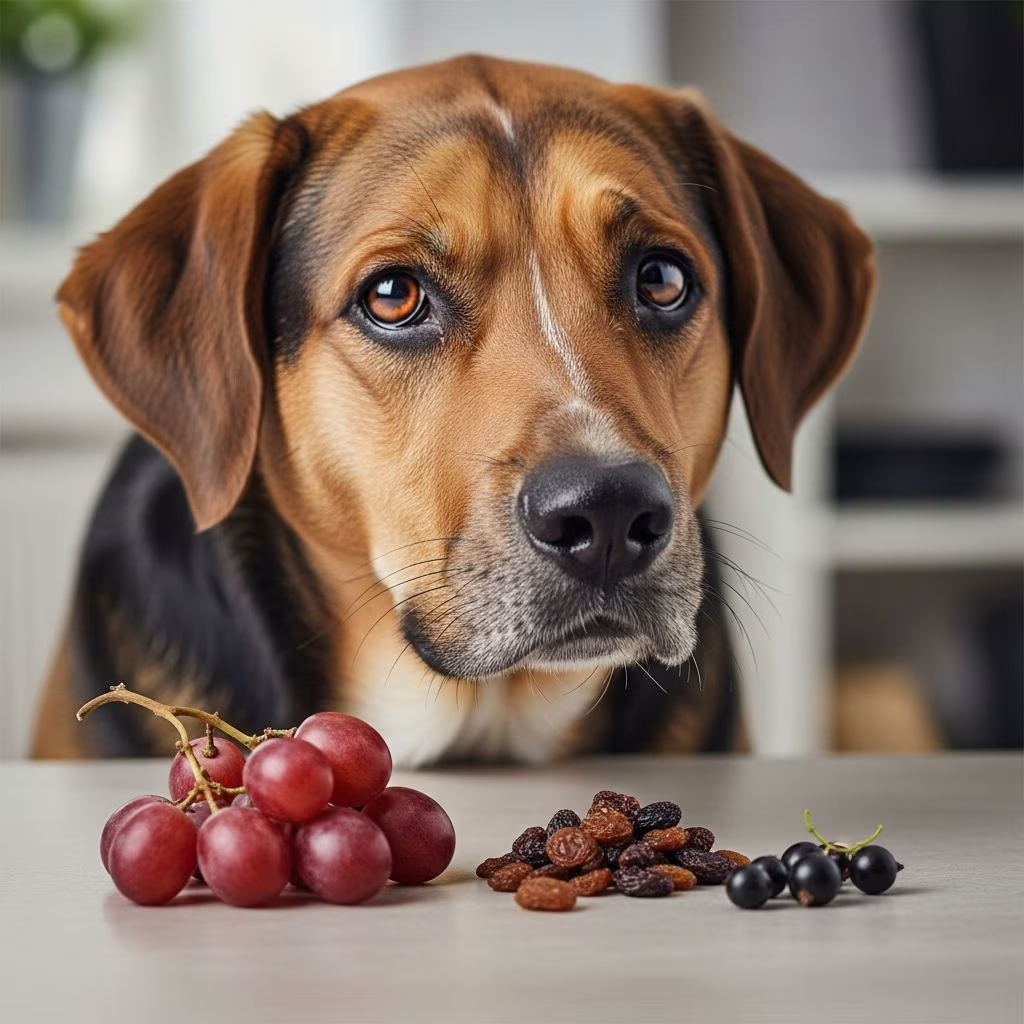
Grape, Raisin, and Currant Poisoning in Dogs: A Complete Guide
Grapes, raisins, sultanas, and currants are common household fruits that many people enjoy, but they pose a serious threat to dogs. While these fruits are nutritious for humans, they can be highly toxic to canines, potentially causing severe kidney damage or failure. Understanding the dangers of these fruits is crucial for all dog owners to protect their pets from accidental poisoning. This comprehensive guide covers everything you need to know about grape and raisin toxicity in dogs, including recognition of symptoms, immediate response protocols, and long-term management strategies.
What Makes Grapes and Raisins Toxic to Dogs?
The exact compound in grapes and raisins that causes toxicity in dogs remains unknown, despite ongoing research. What veterinarians do know is that the toxic dose varies significantly from dog to dog. Some dogs may develop serious symptoms from consuming just a few grapes, while others might tolerate slightly larger quantities. This unpredictability makes it impossible to determine a completely safe amount, which is why veterinarians recommend avoiding these fruits entirely.
The toxicity affects primarily the kidneys and gastrointestinal system. When a dog ingests grapes or raisins, the toxic compounds are absorbed into the bloodstream and concentrated in the kidneys, potentially causing acute kidney injury. This is why prompt treatment is absolutely essential—delayed response can mean the difference between a full recovery and fatal kidney failure.
Early Symptoms of Grape and Raisin Poisoning
The initial signs of grape or raisin toxicity typically appear within 6 to 24 hours after ingestion. Early recognition of these symptoms is critical for successful treatment.
Common Early Signs Include:
- Vomiting (the most common early symptom)
- Diarrhea
- Loss of appetite or reduced appetite
- Lethargy or decreased energy levels
- Abdominal pain or distention
- Dehydration
- Excessive drooling
These initial symptoms may appear mild and could be mistaken for common digestive upset. However, they warrant immediate veterinary attention, especially if you know or suspect your dog has consumed grapes or raisins.
Progressive Symptoms and Kidney Failure
If poisoning progresses untreated or despite treatment, more severe symptoms may develop over the following 1 to 3 days. These advanced symptoms indicate that kidney damage is occurring and represent a medical emergency.
Severe Progressive Symptoms:
- Increased thirst and excessive urination
- Blood in feces
- Weakness or loss of coordination
- Inability to urinate (anuric kidney failure)
- Trembling, tremors, or seizures
- Uremic breath or unusual odor on breath
- Swelling of the limbs due to fluid accumulation
- Nausea and continued vomiting
When the kidneys begin to shut down, dogs can no longer produce urine, leading to a dangerous buildup of toxins in the bloodstream. Blood pressure increases dramatically, and dogs may lapse into a coma. At this stage, the prognosis becomes poor, making early intervention absolutely vital.
Diagnosis of Grape and Raisin Poisoning
Diagnosing grape or raisin toxicity can be challenging because the symptoms are non-specific and similar to kidney failure from many other causes. Your veterinarian will rely on several diagnostic tools to confirm the diagnosis.
Diagnostic Approach:
History and Physical Examination: The primary diagnostic clue is your account of grape, raisin, currant, or sultana ingestion. If you witnessed your dog eating these fruits or found pieces in vomit, this information is invaluable. Your veterinarian will perform a thorough physical examination to assess your dog’s overall condition and hydration status.
Blood Work: A complete blood count (CBC) and serum biochemistry profile are essential. These tests measure kidney function markers such as creatinine and blood urea nitrogen (BUN). Elevated levels indicate kidney damage or dysfunction.
Urinalysis: A urinalysis helps assess kidney function and detect abnormalities in urine composition. Changes in urine specific gravity and presence of proteins or casts can indicate kidney damage.
Blood Pressure Monitoring: Veterinarians may monitor blood pressure, as grape poisoning can cause hypertension, particularly as kidney failure develops.
Electrolyte Panel: Kidney dysfunction can cause electrolyte imbalances, which your veterinarian will assess and correct as needed.
Treatment Options for Grape and Raisin Poisoning
There is no specific antidote for grape or raisin toxicity. Instead, treatment focuses on two primary goals: stopping the absorption of remaining toxins and providing supportive care to protect kidney function. Early treatment dramatically improves outcomes.
Decontamination Phase
Inducing Vomiting: If your dog has recently ingested grapes or raisins and shows no clinical signs, your veterinarian may induce vomiting to bring up undigested fruit. This is most effective when performed within the first few hours of ingestion, but can be beneficial up to 4 to 6 hours after consumption because grapes can remain in the stomach for a prolonged period. Your veterinarian will give an injection such as apomorphine to stimulate vomiting.
Activated Charcoal: After vomiting, your veterinarian may administer medical-grade activated charcoal. This black powder binds to toxins in the gastrointestinal tract, preventing their absorption into the bloodstream. Activated charcoal is typically mixed with water to form a paste or suspension and administered by mouth.
Supportive Care and Hospital Treatment
Intravenous Fluid Therapy: This is the cornerstone of treatment for grape and raisin poisoning. Intravenous fluids serve multiple purposes: they maintain hydration, flush absorbed toxins through the kidneys and urinary system, help maintain blood pressure, and support overall kidney function. Dogs typically receive IV fluids for at least 48 hours, as kidney damage has the greatest chance of developing within the first two days after ingestion.
Hospitalization: Most dogs with suspected grape or raisin toxicity require hospitalization for 24 to 48 hours minimum. Depending on the severity of poisoning and response to treatment, hospitalization may extend for several days. During hospitalization, your veterinarian will monitor your dog continuously and adjust treatment as needed.
Medication Management: Your veterinarian may prescribe anti-nausea medications to control vomiting and make your dog more comfortable. Additional medications may be necessary to maintain blood pressure, protect stomach lining, or manage other symptoms depending on your individual dog’s condition.
Monitoring and Follow-up Care
During treatment, your veterinarian will monitor kidney function daily through blood tests. This allows them to assess your dog’s response to treatment and determine whether treatment needs to become more aggressive. After your dog returns home, follow-up bloodwork is essential 48 to 72 hours after ingestion to ensure kidney values are not increasing and that kidney function is stabilizing. The kidneys have very limited capacity to regenerate or repair themselves, so preventing permanent damage is crucial.
Prognosis and Recovery
The prognosis for grape and raisin poisoning varies from excellent to poor depending on several factors:
| Favorable Prognosis Factors | Poor Prognosis Factors |
|---|---|
| Immediate treatment within hours of ingestion | Delayed treatment after multiple hours |
| Small amount of fruit ingested | Large quantity of grapes or raisins consumed |
| No clinical signs at time of treatment | Severe symptoms already present |
| Good response to initial therapy | No urine production (anuric renal failure) |
| Normal kidney values post-treatment | Dramatically elevated kidney values |
If your dog consumed only a few grapes or raisins depending on their size and received immediate treatment, the prognosis is excellent. However, if the kidneys are severely damaged and no urine is produced, the prognosis becomes poor and fatality is likely. Importantly, approximately 50% of dogs that ingest grapes and raisins never develop clinical signs or elevated kidney values, but aggressive treatment is still warranted for all cases.
What to Do If Your Dog Eats Grapes or Raisins
If you suspect your dog has eaten grapes, raisins, currants, or sultanas, take these immediate steps:
- Do not wait for symptoms to develop—contact your veterinarian or emergency veterinary clinic immediately
- If after-hours, call a pet poison control center or emergency veterinary hospital right away
- Provide information about the quantity consumed and when ingestion occurred
- Follow all recommended treatment protocols, even if your dog appears well
- Do not attempt home treatment or induce vomiting without veterinary guidance
- Keep follow-up veterinary appointments for bloodwork monitoring
Prevention Strategies
The best way to protect your dog from grape and raisin toxicity is prevention. Keep all grapes, raisins, currants, and sultanas in secure locations away from your dog’s reach. This includes dried fruits in baked goods, cereals, and trail mix. Educate family members and visitors about the danger these fruits pose. If you have a garden with grape vines, ensure your dog cannot access the fruit. Be particularly vigilant during seasons when grapes are most available or during holidays when baked goods containing raisins are common.
Frequently Asked Questions
Q: Can a small amount of grapes hurt my dog?
A: Yes. The toxic dose varies significantly from dog to dog. Some dogs can become very ill from consuming just a few grapes, while the exact toxic threshold is unknown. Therefore, it is best to avoid giving your dog any grapes, raisins, or currants.
Q: How quickly do symptoms appear after eating grapes?
A: Early symptoms typically appear within 6 to 24 hours of ingestion. However, more severe signs indicating kidney failure may not become apparent until 24 to 48 hours after consumption, which is why early veterinary intervention is critical even if your dog seems fine initially.
Q: What if my dog has already shown symptoms?
A: Seek emergency veterinary care immediately. Even if symptoms are present, treatment can still help minimize kidney damage. Your veterinarian will assess the severity and implement appropriate supportive care, which may include hospitalization and intravenous fluid therapy.
Q: Is treatment always successful?
A: Treatment success depends on several factors including how quickly you seek veterinary care, the amount ingested, your dog’s individual response, and the extent of kidney damage. Early treatment significantly improves the likelihood of recovery, but there is no guarantee, especially in severe cases.
Q: Are all dogs equally susceptible to grape toxicity?
A: No. The toxic dose varies significantly from dog to dog, and some factors like body weight, age, and overall health may influence susceptibility. However, since the exact threshold is unknown and varies unpredictably, all dogs should avoid these fruits entirely.
Q: Should I induce vomiting at home?
A: No. Do not attempt to induce vomiting at home without veterinary guidance. Your veterinarian has medical-grade medications and expertise to do this safely. Improper home induction can cause additional harm.
Q: How long do dogs need to stay on intravenous fluids?
A: Typically, 48 hours of intravenous fluids is recommended, as kidney damage has the greatest chance of developing within the first two days. However, depending on your dog’s response and condition, hospitalization may extend for several days.
Q: What is the long-term outlook for dogs that recover?
A: Dogs that recover from grape poisoning with appropriate early treatment and show normal kidney values typically have a good long-term outlook. However, the kidneys have limited capacity for regeneration, so any damage that occurs may be permanent. Your dog may require ongoing kidney monitoring and dietary adjustments.
References
- Grape and Raisin Toxicity — Cornell University College of Veterinary Medicine, Riney Canine Health Center. Accessed November 2025. https://www.vet.cornell.edu/departments-centers-and-institutes/riney-canine-health-center/canine-health-information/grape-and-raisin-toxicity
- Grape, Raisin, Currant and Sultana Poisoning in Dogs — PDSA (People’s Dispensary for Sick Animals). Accessed November 2025. https://www.pdsa.org.uk/pet-help-and-advice/pet-health-hub/conditions/grape-raisin-currant-and-sultana-poisoning-in-dogs
- Grape, Raisin, and Currant Poisoning in Dogs — VCA Animal Hospitals. Accessed November 2025. https://vcahospitals.com/know-your-pet/grape-raisin-and-currant-poisoning-in-dogs
- Grape, Raisin, and Currant Poisoning in Dogs — WebVets. Accessed November 2025. https://www.webvets.com/blog/grape-raisin-and-currant-poisoning-in-dogs.html
- Canine Grape Toxicosis — Vet Times. Accessed November 2025. https://www.vettimes.com/news/vets/small-animal-vets/canine-grape-toxicosis



