

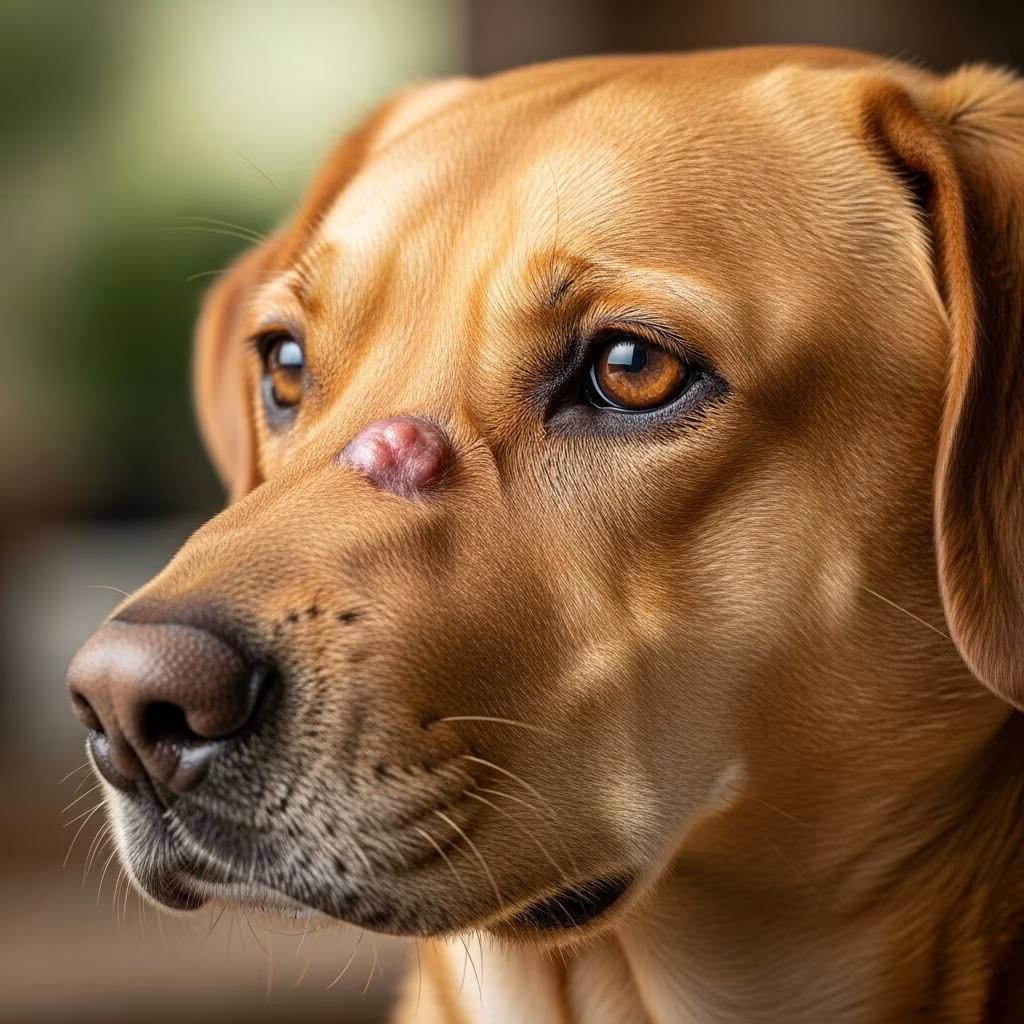
Granulomatous diseases in dogs represent a group of inflammatory conditions characterized by the formation of granulomas—collections of immune cells that develop in response to various triggers. These conditions can manifest in multiple body systems, including the skin, nervous system, and liver. Understanding the underlying causes and recognizing clinical signs enables pet owners and veterinarians to implement timely interventions that improve quality of life and treatment outcomes.
Understanding Granulomatous Inflammation
Granulomatous inflammation occurs when the body’s immune system responds abnormally to perceived threats or irritants. In dogs, this inflammatory response involves specialized white blood cells including macrophages, lymphocytes, and plasma cells that congregate and form nodules or granulomas. These cellular aggregations represent the body’s attempt to isolate and contain foreign materials or infections, but in granulomatous diseases, this response becomes chronic and pathological.
The formation of granulomas can occur throughout different organ systems in dogs, leading to diverse clinical presentations. The specific location and extent of granulomatous inflammation determines the symptoms a dog experiences and the treatment approach required.
Acral Lick Dermatitis: The Most Common Form
Acral lick dermatitis, commonly referred to as lick granuloma, represents one of the most frequently encountered granulomatous conditions in the canine population. This condition develops when dogs engage in repetitive, obsessive licking of specific body areas, typically the lower limbs, particularly the wrist or carpal joint of the front legs. The self-traumatization caused by constant licking leads to progressive skin damage and the characteristic appearance of a granulomatous lesion.
The Pathophysiological Process
The development of acral lick dermatitis follows a predictable sequence of events. Initially, something triggers the dog to begin licking a particular area. This might be a minor irritant such as an insect sting, minor skin irritation, or joint discomfort. Once licking commences, the constant friction and moisture damage the protective skin barrier, leading to hair loss and surface irritation. As this continues, the skin becomes progressively more damaged and eventually becomes ulcerated.
The ulcerated tissue becomes susceptible to secondary bacterial infections, which increases inflammation and causes the area to become increasingly itchy and uncomfortable. Nerves in the affected region become inflamed, intensifying the sensation of pruritus. This creates a self-perpetuating cycle: the itchier the area becomes, the more the dog licks it, and the more the dog licks, the worse the inflammation and itching become. Additionally, some dogs develop such strong habitual responses to licking that they continue the behavior even after the original trigger has been resolved, deriving pleasure or comfort from the act itself.
Primary Triggers for Acral Lick Dermatitis
Multiple categories of factors can initiate the development of lick granulomas in dogs. These triggers often work synergistically, with dogs sometimes experiencing contributions from multiple causes simultaneously.
Allergic Dermatitis
Allergic skin disease represents the most common underlying cause of acral lick dermatitis. Dogs may develop hypersensitivity reactions to environmental allergens including dust, pollen, and mold spores. Additionally, food allergies can trigger intense pruritus that leads to excessive licking. Parasitic infestations, particularly flea allergy dermatitis, also frequently initiate the condition. When exposed to allergens, affected dogs experience intense skin inflammation and itching that begins the problematic licking cycle.
Musculoskeletal and Neuropathic Factors
Chronic joint pain from osteoarthritis can cause dogs to lick the area overlying affected joints. Similarly, inflammation of nerves underlying the skin can create abnormal sensations that prompt excessive licking. Dogs may lick painful or uncomfortable areas in an attempt to relieve discomfort, though this self-directed treatment only worsens the condition.
Infectious Complications
Fungal infections including ringworm, blastomycosis, and other deep mycotic infections can create chronic lesions that provoke licking. Bacterial skin infections may also contribute to initial irritation. External parasites such as mites associated with scabies and demodex mange can trigger severe itching that leads to the development of lick granulomas.
Neoplastic Conditions
Skin cancers and other malignant lesions create chronic, uncomfortable areas that dogs lick persistently. These lesions fail to resolve with normal licking behaviors, perpetuating the problem.
Behavioral and Psychological Factors
Psychological triggers play a significant role in many cases of acral lick dermatitis. Boredom, stress, separation anxiety, and other psychological stressors can lead to compulsive licking. Similarities have been drawn between canine compulsive licking disorder and obsessive-compulsive disorder in humans. The act of licking releases endorphins that create a soothing, calming effect, which may explain why behaviorally motivated dogs continue licking even without an underlying physical cause. Dogs experiencing separation anxiety may lick excessively as a self-soothing mechanism when their owners are absent.
Granulomatous Meningoencephalitis: Neurological Manifestation
Granulomatous meningoencephalitis represents a distinct form of granulomatous disease affecting the central nervous system. This condition involves inflammation of the brain, spinal cord, and protective membranes surrounding these structures. The disease occurs when immune cells form cuffs around blood vessels in the brain and spinal cord, eventually creating inflammatory nodules.
Classification and Progression
Veterinary professionals recognize three primary classifications of granulomatous meningoencephalitis based on distribution and severity. The focal form remains confined to a single area within the central nervous system and progresses more slowly over three to six months. The disseminated or multifocal form, which represents the most commonly encountered type, affects multiple regions of the central nervous system and progresses rapidly over two to six weeks. The ocular form affects exclusively the eye tissues and presents with sudden vision loss. Dogs may develop more than one type simultaneously.
Clinical Presentation
The symptoms of granulomatous meningoencephalitis vary depending on which neural structures become inflamed. Common signs include:
- Gait abnormalities including wobbly or uncoordinated movement
- Circling behavior
- Foot knuckling or dragging during locomotion
- Neck pain and stiffness
- Weakness or partial paralysis
- Blindness or vision impairment
- Behavioral changes and decreased engagement with surroundings
- Facial paralysis or other cranial nerve dysfunction
- Seizures
The ocular form presents distinctly, with sudden onset of blindness in one or both eyes without accompanying neurological signs.
Etiology and Risk Factors
The precise cause of granulomatous meningoencephalitis remains unknown, though researchers believe it results from a combination of genetic predisposition and abnormal immune system activation. The condition most frequently affects middle-aged, small-breed dogs, suggesting breed-specific genetic factors contribute to susceptibility. The disease appears to involve an autoimmune component where the immune system overreacts and attacks the body’s own neural tissues.
Granulomatous Hepatitis: Liver Involvement
Granulomatous inflammation can also affect the liver, a condition known as granulomatous hepatitis. This relatively uncommon disorder can develop in dogs of any age, sex, or breed and frequently results from infectious agents, particularly fungal infections.
Causative Factors
Multiple pathological processes can trigger granulomatous inflammation in liver tissue. Fungal infections represent the most commonly identified cause, with organisms such as coccidioidomycosis, histoplasmosis, and blastomycosis frequently implicated. Bacterial infections including tuberculosis, brucellosis, and bartonella can also initiate granulomatous responses. Parasitic infections from liver flukes, leishmania, and other organisms may contribute. Additionally, autoimmune diseases such as lupus and autoimmune hemolytic anemia can cause granulomatous hepatitis. Adverse drug reactions, idiopathic factors of unknown origin, and neoplastic processes may also result in hepatic granulomatous inflammation.
Associated Symptoms
Dogs with granulomatous hepatitis may exhibit signs related to liver dysfunction:
- Loss of appetite and decreased food consumption
- Vomiting and gastrointestinal upset
- Diarrhea or altered bowel patterns
- Unexplained weight loss
- Lethargy and reduced energy levels
- Increased thirst and urination
- Abdominal pain or discomfort
- Jaundice with yellowish discoloration of skin and mucous membranes
- Abdominal distension
- Fever
Diagnosis and Evaluation
Veterinary diagnosis of granulomatous diseases requires comprehensive evaluation combining clinical history, physical examination findings, and diagnostic testing. For acral lick dermatitis, visual examination of the characteristic lesion on the lower limbs often provides initial confirmation, though skin biopsies may be performed to identify underlying infectious agents or rule out neoplasia.
Granulomatous meningoencephalitis diagnosis typically involves advanced imaging studies such as MRI or CT scans that reveal characteristic inflammatory changes in the brain and spinal cord, combined with cerebrospinal fluid analysis. Neurological examination findings help localize the lesions within the nervous system.
Granulomatous hepatitis diagnosis requires blood work assessing liver enzymes and function, abdominal ultrasound, and potentially liver biopsy for definitive identification of granulomatous inflammation.
Treatment and Management Strategies
Successful management of granulomatous diseases requires addressing underlying causes while controlling inflammation and preventing further progression.
Acral Lick Dermatitis Management
Treatment approaches should target identified underlying causes. When allergies contribute, allergen identification and management through environmental modification or dietary elimination becomes essential. Parasitic control through appropriate preventative medications addresses flea allergy and mite-related causes. Antimicrobial therapy combats bacterial and fungal infections. Corticosteroids and other anti-inflammatory medications reduce inflammation and pruritus.
Pain management becomes crucial when musculoskeletal or neuropathic causes exist. For behaviorally motivated cases, environmental enrichment, increased exercise, anxiety management, and in some cases medication for anxiety disorders may prove beneficial. Physical barriers such as elizabethan collars prevent continued self-trauma while healing occurs.
Granulomatous Meningoencephalitis Management
Treatment typically involves immunosuppressive therapy to reduce the abnormal immune response. Corticosteroids and other immunosuppressant medications form the cornerstone of therapy. Early intervention before significant neurological damage occurs improves outcomes.
Granulomatous Hepatitis Management
Treatment depends on underlying etiology. Antifungal medications address fungal infections, antibiotics target bacterial causes, and immunosuppressive therapy helps with autoimmune-mediated disease. Supportive care including nutritional support and management of liver dysfunction symptoms become important adjuncts.
Frequently Asked Questions
Can acral lick dermatitis resolve without treatment?
While mild cases might improve if the underlying trigger resolves, most cases of acral lick dermatitis become chronic without intervention. The self-perpetuating nature of the condition makes spontaneous resolution unlikely.
Which dog breeds are most susceptible to granulomatous meningoencephalitis?
Granulomatous meningoencephalitis most commonly affects middle-aged, small-breed dogs, though the condition can occur in any breed.
Is granulomatous hepatitis contagious between dogs?
The infectiousness depends on the underlying cause. Some infectious causes may transmit between dogs, while immune-mediated and idiopathic forms do not.
What is the prognosis for dogs with granulomatous diseases?
Prognosis varies considerably based on the type and severity of granulomatous disease, underlying causes, and responsiveness to treatment. Early diagnosis and aggressive management generally improve outcomes.
Conclusion
Granulomatous diseases in dogs encompass diverse conditions affecting skin, nervous system, and internal organs. Recognition of clinical signs and prompt veterinary evaluation enables appropriate diagnosis and targeted treatment. Whether addressing the itching and self-trauma of acral lick dermatitis, the neurological signs of meningoencephalitis, or the systemic effects of hepatic inflammation, understanding these conditions empowers veterinary professionals and dog owners to implement effective management strategies that improve canine health and quality of life.
References
- Lick Granuloma in Dogs: Causes, Symptoms & Treatment — Long Beach Animal Hospital. Accessed 2026. https://lbah.com/canine/lick-granuloma/
- Granulomatous Meningoencephalitis (GME) in Dogs — PetMD, written by Dr. Rhiannon Koehler, DVM. Accessed 2026. https://www.petmd.com/dog/conditions/neurological/granulomatous-meningoencephalitis-gme-dogs
- Lick Granuloma in Dogs: Causes, Signs, Solutions — Toe Grips. Accessed 2026. https://toegrips.com/lick-granuloma-dog/
- Liver Inflammation (Granulomatous) in Dogs – Symptoms, Causes — Wag Walking. Accessed 2026. https://wagwalking.com/condition/liver-inflammation-granulomatous
- Lick Granuloma in Dogs — VCA Animal Hospitals. Accessed 2026. https://vcahospitals.com/know-your-pet/lick-granuloma-in-dogs
- Cutaneous sterile pyogranuloma/granuloma syndrome in a dog — PubMed Central, National Center for Biotechnology Information. https://pmc.ncbi.nlm.nih.gov/articles/PMC2583416/
- Eosinophilic Granuloma Complex in Dogs — Merck Veterinary Manual. Accessed 2026. https://www.merckvetmanual.com/dog-owners/skin-disorders-of-dogs/eosinophilic-granuloma-complex-in-dogs



