

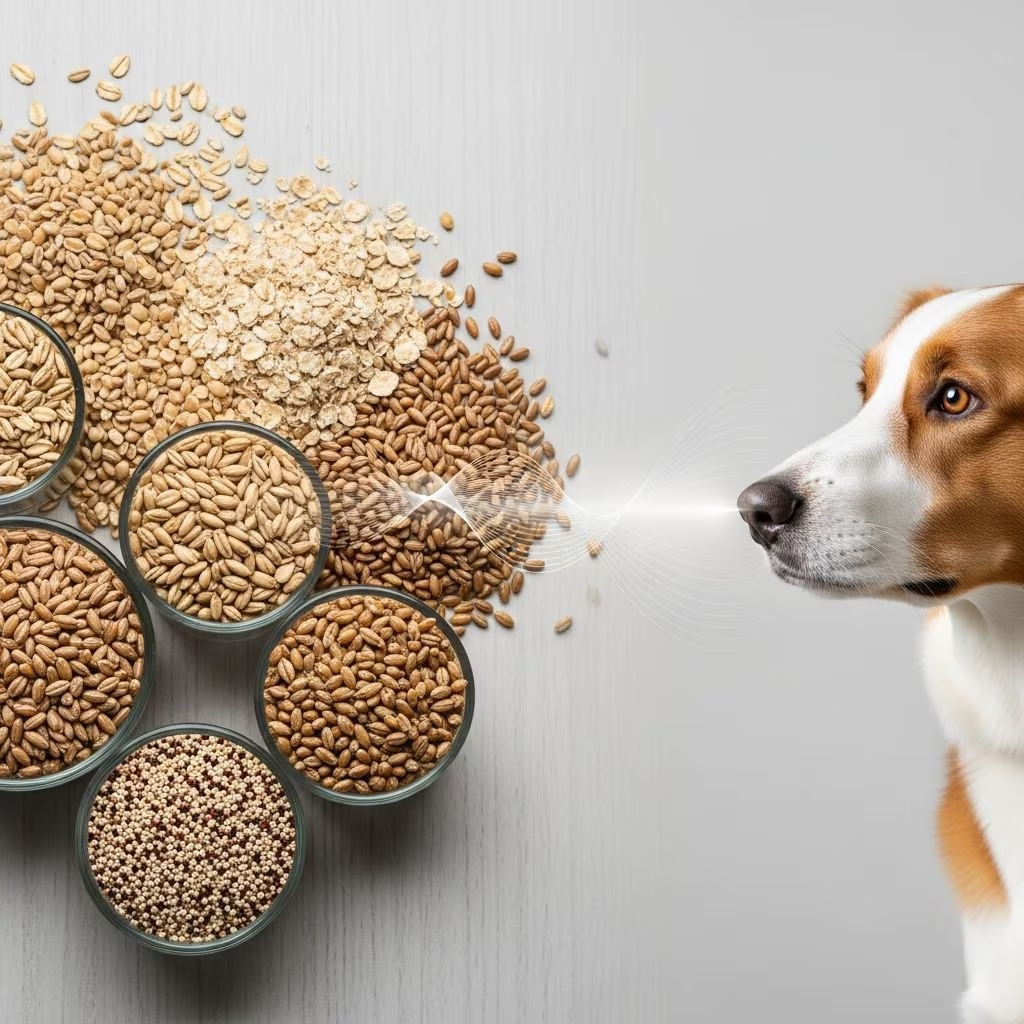
The debate surrounding grains in dog food has become increasingly prominent among pet owners, with conflicting information making it difficult to determine what truly benefits our canine companions. Many dog owners believe that removing grains from their pet’s diet will improve health outcomes, leading to a surge in grain-free product availability. However, scientific evidence and veterinary research paint a more nuanced picture. Understanding the actual role of grains in canine nutrition requires examining both historical practices and current research findings.
The Historical Context of Grains in Canine Diets
Dogs have evolved alongside humans for thousands of years, adapting their digestive systems to process a diverse array of foods, including grains. Domesticated dogs possess the biological capacity to digest and utilize cereal-based products effectively. Grains have been incorporated into commercial dog foods for decades, serving as reliable sources of energy and essential nutrients. This evolutionary adaptation distinguishes domestic dogs from their wild ancestors, enabling them to thrive on grain-inclusive diets when properly formulated.
The inclusion of grains in commercial pet food emerged from both practical and nutritional considerations. Cereal products offer cost-effective nutrition while providing consistent quality across manufacturing batches. More importantly, they contribute valuable micronutrients and macronutrients that support overall canine health when balanced with other dietary components.
Nutritional Components Supplied by Cereal Products
Grains serve as multifaceted nutritional sources rather than simple filler ingredients. When properly incorporated into dog food formulations, cereals provide:
- Carbohydrates for sustained energy throughout the day
- Plant-based proteins that complement animal protein sources
- Dietary fiber supporting digestive health and bowel regularity
- Essential micronutrients including vitamin E, B-complex vitamins, magnesium, and zinc
- Antioxidants that support immune function and cellular health
Different grain varieties offer distinct nutritional profiles. Wheat contains branch-chained amino acids at higher concentrations than many alternative proteins, while barley and corn each provide unique mineral compositions. Each grain type contributes its own combination of nutrients, allowing pet food manufacturers to create nutritionally complete and balanced formulations.
Research demonstrates that grains support multiple physiological systems in dogs. Studies show that cereals enhance skin and coat quality through their nutrient density. Additionally, the fiber content in whole grain products promotes healthy digestion and can benefit dogs with sensitive gastrointestinal systems, particularly large breed dogs prone to digestive sensitivity.
The Grain Allergy Myth: Understanding Actual Prevalence
Perhaps the most significant misconception surrounding grain-based dog foods involves their association with allergic reactions. Pet owner surveys consistently reveal widespread belief that grains cause allergies, leading many to switch to grain-free alternatives. However, veterinary research reveals a starkly different reality.
Less than one percent of dogs actually develop sensitivity to grains, meaning approximately 99 percent of dogs can safely and beneficially consume grain-inclusive diets. When food allergies do occur in dogs, grains rank among the least common culprits. Dairy products and beef account for approximately 60 percent of diagnosed food allergies in dogs, while grain-related allergies remain comparatively rare.
In cases where dogs display symptoms such as itching, skin lesions, or gastrointestinal distress, owners frequently attribute these problems to grain consumption. However, research indicates that dietary changes alone—regardless of grain content—often produce improvements in clinical signs. This phenomenon suggests that factors beyond grain elimination, such as overall diet modification or reduction of other problematic ingredients, may explain observed improvements.
When true grain sensitivities do manifest, they typically involve specific grain components rather than grains universally. For instance, gluten sensitivity represents an extremely rare condition in dogs, and confirmed cases respond predictably to gluten elimination without requiring complete grain avoidance.
Digestibility and Nutrient Bioavailability
Concerns about grain digestibility represent another common misconception requiring clarification through scientific evidence. Research examining protein digestibility in grain-containing diets demonstrates that cereals do not adversely affect the body’s ability to absorb and utilize dietary protein. Studies tracking puppy growth rates and blood cell regeneration in anemic dogs found no compromise in these critical health markers when grains were present in formulated diets.
Wheat gluten specifically demonstrates digestibility superior to poultry meal and other protein sources commonly used in pet foods. When included appropriately, wheat gluten improves fecal quality, a practical benefit particularly for large breed dogs known to experience digestive sensitivities. Wheat bran, another cereal component, shows no negative impact on protein efficacy even in dogs with serious gastrointestinal conditions.
For balanced, complete dog foods meeting established nutritional standards, grain presence does not compromise overall nutrient bioavailability. The European Pet Food Industry Federation establishes guidelines ensuring that any reduced bioavailability from specific components is compensated through formulation adjustments, preventing nutritional deficiency.
The Grain-Free Movement and Emerging Health Concerns
The surge in grain-free dog food popularity has prompted regulatory agencies to investigate potential health complications. The FDA initiated investigations into a possible link between certain grain-free diets and dilated cardiomyopathy (DCM), a serious heart condition characterized by chamber enlargement and thinning.
Between January 2014 and April 2019, the FDA received 515 reports of DCM in dogs. Upon investigation, researchers identified striking patterns in the reported cases:
| Finding | Percentage |
|---|---|
| Dogs on grain-free diets | 90% |
| Diets containing peas and/or lentils | 93% |
| Diets containing potatoes or sweet potatoes | 42% |
What distinguishes these DCM cases is their occurrence in dog breeds not typically predisposed to the condition genetically. DCM has historically appeared primarily in Doberman Pinschers, Golden Retrievers, Great Danes, Boxers, and Cocker Spaniels, breeds with known genetic predisposition. The recent cases involved diverse breed populations, suggesting dietary rather than purely genetic factors.
Importantly, when affected dogs switched to grain-inclusive diets, many demonstrated significant health improvements, though recovery varied among individuals. Laboratory analysis of problematic grain-free foods tested for mineral content, toxic metals, and amino acid profiles revealed no significant abnormalities that would explain the DCM connection. This finding suggests that factors beyond simple nutritional deficiency may contribute to the observed association.
Historical Nutritional Deficiency Conditions
Understanding grain-related nutritional deficiencies requires examining historical cases occurring when dogs consumed exclusively grain-based homemade diets lacking nutritional balance. Niacin deficiency represents the primary documented grain-related nutritional disease in dogs, historically called “black tongue.”
Dogs fed niacin-deficient cereal-only diets developed severe clinical manifestations including:
- Loss of appetite and anorexia
- Severe dehydration
- Chronic diarrhea
- Lethargy and behavioral changes
- Gingivitis and oral cavity inflammation
- Poor growth rates in developing puppies
- Excessive salivation
- Vomiting and gastrointestinal distress
- Progressive weight loss
- Death in untreated cases
These severe outcomes resulted specifically from nutritional imbalance rather than inherent grain toxicity. Modern complete and balanced commercial dog foods, whether grain-inclusive or grain-free, include niacin and other essential nutrients in appropriate quantities, preventing such deficiency conditions.
Special Considerations: Gluten Sensitivity and Rare Conditions
While gluten sensitivity remains exceptionally uncommon in dogs, documented cases warrant discussion. Border terriers have shown particular susceptibility to gluten-related neurological manifestations, including cramping and neurological signs. In rare case studies, individual border terriers developed multisystem complications involving neurological dysfunction, skin disease, and gastrointestinal pathology that resolved completely upon gluten elimination.
These extraordinary cases represent isolated exceptions rather than typical responses to grain consumption. The presence of positive serological markers for transglutaminase-2 antibodies in affected individuals suggested genuine immune-mediated gluten sensitivity—a phenomenon analogous to celiac disease in humans but occurring at negligible frequency in canine populations.
Additionally, early studies suggesting rice-containing diets caused taurine deficiency and cardiomyopathy have been largely superseded by more recent research. Current evidence indicates that rice components themselves are unlikely culprits; rather, other dietary factors may contribute to observed taurine depletion.
Making Informed Dietary Decisions for Your Dog
Given the complexity of grain-related nutritional science, dog owners should approach dietary decisions systematically. Veterinarians recommend selecting diets from manufacturers demonstrating rigorous quality standards, established reputation for producing nutritionally complete foods, and willingness to conduct independent nutritional testing.
Unless a veterinarian specifically diagnoses grain sensitivity or allergy based on diagnostic testing, grain-inclusive diets provide optimal nutrition for most dogs. For the small percentage of dogs requiring grain avoidance, alternatives exist beyond trendy grain-free formulations. Limited-ingredient diets using novel protein sources or prescription diets formulated under veterinary supervision offer safer alternatives than mass-marketed grain-free products.
Before modifying your dog’s diet, consult with a veterinarian familiar with current nutritional research. Dietary changes should proceed gradually under professional guidance, allowing digestive systems to adapt appropriately. What appears as improvement following diet modification may reflect the change itself rather than specific ingredient elimination.
Key Takeaways About Grains and Canine Health
Scientific evidence consistently supports grain inclusion in canine diets for the overwhelming majority of dogs. Grains provide essential nutrients, support digestive health, and contribute to overall nutritional balance when incorporated into complete, balanced formulations. Grain allergies remain statistically uncommon, while the recent association between grain-free diets and cardiac complications raises legitimate health concerns.
The future of evidence-based canine nutrition will likely focus not on eliminating entire ingredient categories based on marketing narratives, but rather on understanding individual dog requirements and selecting appropriately formulated diets supported by veterinary science. The most responsible approach involves trusting established nutritional guidelines, consulting veterinary professionals, and resisting dietary trends unsupported by rigorous scientific evidence.
References
- Cereals and grains found in dog food – a health benefit or risk? — Veterinary Times. Accessed March 2026. https://www.vettimes.com/news/vets/small-animal-vets/cereals-and-grains-found-in-dog-food-a-health-benefit-or-risk
- FDA Grain-Free Diet Alert: What Dog Owners Need to Know — American Kennel Club. Accessed March 2026. https://www.akc.org/expert-advice/nutrition/fda-grain-free-diet-alert-dcm/
- Is Grain Bad for Dogs? Read a Study by Nature — Purina US. Accessed March 2026. https://www.purina.com/articles/dog/health/nutrition/is-grain-good-for-dogs
- Are Grain-Free Diets Bad for Dogs? — PetMD. Accessed March 2026. https://www.petmd.com/dog/nutrition/are-grain-free-diets-bad-for-dogs
- Grains Or No Grains: Addressing Pet Owner Concerns — Texas A&M College of Veterinary Medicine & Biomedical Sciences. Accessed March 2026. https://vetmed.tamu.edu/news/pet-talk/grains-or-no-grains-addressing-pet-owner-concerns/
- Are Grains Bad for Dogs? What You Should Know — Dr. Harvey’s. Accessed March 2026. https://www.drharveys.com/blogs/blog/are-grains-bad-for-dogs-what-you-should-know
- Grain-Free Pet Food: Helpful or Harmful Diet? — ASPCA. Accessed March 2026. https://www.aspca.org/news/grain-free-pet-food-helpful-or-harmful-diet



