

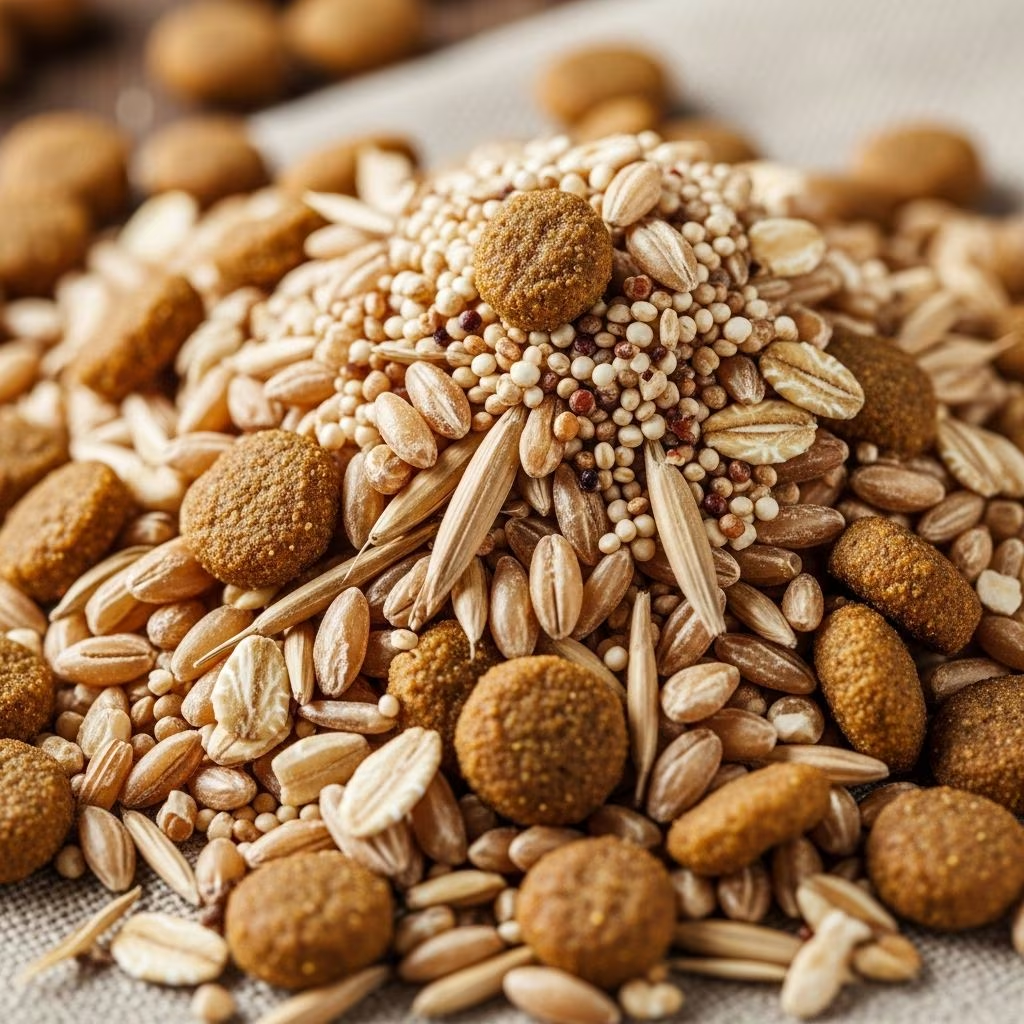
The question of whether dogs require grains as part of their regular diet has sparked considerable debate among pet owners, veterinarians, and nutritional researchers. As marketing campaigns increasingly promote grain-free formulations as a superior choice, understanding the actual nutritional role of grains in canine diets becomes essential for making informed feeding decisions. The answer is more nuanced than simple yes-or-no responses suggest.
Understanding Canine Nutritional Requirements
Dogs are facultative omnivores, meaning they have the metabolic capacity to thrive on diverse diet compositions. Unlike obligate carnivores such as cats, dogs can effectively process and derive nutrition from plant-based ingredients, including grains. However, this ability does not automatically mean that grains are necessary components of every dog’s diet.
The fundamental question should not be whether grains are required, but rather whether a dog’s complete nutritional needs are being met. A well-formulated grain-inclusive diet can provide complete nutrition, just as a properly balanced grain-free diet can accomplish the same goal. The critical factor involves ensuring adequate levels of essential amino acids, fatty acids, vitamins, minerals, and fiber, regardless of the carbohydrate source employed.
The Role of Grains as Carbohydrate Sources
Grains such as wheat, corn, barley, and rice function primarily as carbohydrate sources in commercial dog food formulations. They provide energy and help bind kibble during manufacturing. However, dogs do not have a biological requirement for carbohydrates in the same way humans do. Their bodies can synthesize glucose from proteins and fats through gluconeogenesis, meaning carbohydrates are non-essential nutrients from a physiological standpoint.
That said, moderate carbohydrate inclusion through grains or other sources can offer practical and nutritional advantages:
- Digestible energy for active and growing dogs
- Soluble and insoluble fiber for gastrointestinal health
- B vitamins and minerals that support metabolic function
- Cost-effective formulation allowing competitive pricing
- Palatability enhancement that encourages consumption
Grain-Free Alternatives and Substitution Ingredients
When manufacturers remove grains from dog food formulations, they typically replace them with alternative carbohydrate sources such as legumes, potatoes, sweet potatoes, and root vegetables. These ingredients provide similar caloric contribution and functional benefits within the kibble structure. However, emerging research has raised important considerations about certain grain-free alternatives.
The FDA has investigated potential associations between grain-free diets and canine dilated cardiomyopathy (DCM), a serious heart condition causing dilation and weakening of the cardiac chambers. Studies have documented higher incidence rates of DCM in dogs consuming diets heavy in legumes such as peas, lentils, and chickpeas, or those relying heavily on potatoes and sweet potatoes as primary carbohydrate sources.
The proposed mechanism involves potential interference with taurine metabolism and bioavailability. Taurine represents an essential amino acid critical for cardiac function, and certain grain-free formulations may compromise taurine status in susceptible dogs. Notably, research has demonstrated that dogs experiencing diet-associated DCM often showed clinical improvement and reversed cardiac abnormalities after transitioning to grain-inclusive diets.
Benefits of Grain-Inclusive Formulations
Traditional grain-inclusive dog foods continue to offer substantial nutritional and practical advantages that support canine health. These diets typically provide:
- Established safety record: Decades of feeding history and research support the use of grains in commercial pet nutrition without the emerging cardiac concerns associated with some grain-free alternatives
- Complete nutrient profile: Grains contribute not only carbohydrates but also B vitamins, phosphorus, and magnesium essential for metabolic processes
- Balanced macronutrient ratios: Grain-inclusive formulations naturally balance protein, fat, and carbohydrate percentages without requiring excessive supplementation
- Lower metabolic burden: These diets typically maintain moderate protein and fat levels, requiring less intensive metabolic processing by canine organs
- Reduced mycotoxin variability: While grains may contain mycotoxins at trace levels below acutely toxic thresholds, grain-inclusive diets do not substitute this concern entirely with alternative carbohydrate sources that may present their own processing challenges
When Dogs May Benefit from Grain-Free Options
Despite emerging concerns about grain-free formulations, certain dogs may experience legitimate health improvements when eliminating grains from their diet. These situations represent specific medical or physiological circumstances rather than universal nutritional recommendations.
Grain Allergies and Sensitivities
A portion of the canine population exhibits genuine allergic reactions or sensitivities to specific grains. These dogs may experience symptoms including pruritus (itching), gastrointestinal distress, ear infections, and skin manifestations when consuming grain-containing foods. For these individuals, grain elimination can substantially improve quality of life and reduce chronic discomfort. It is important to note, however, that true grain allergies represent a relatively uncommon condition, affecting only a minority of the dog population.
When grain allergies are suspected, working with a veterinarian to confirm the specific trigger ingredient through elimination diets and challenge testing ensures accurate diagnosis rather than assuming grain-free feeding universally solves food allergy issues.
Improved Digestibility in Sensitive Dogs
Some dogs with compromised digestive systems may experience improved gastrointestinal comfort and stool consistency when fed grain-free formulations, particularly those featuring highly digestible alternative carbohydrate sources. This benefit likely relates more to the specific ingredients and digestibility profile of the particular food rather than the absence of grains per se.
Protein, Fat, and Composition Differences
Grain-free dog foods typically exhibit higher protein and fat concentrations compared to grain-inclusive formulations. While elevated protein levels can support muscle development and satiety, potentially aiding weight management, this characteristic also necessitates careful consideration of overall caloric density and metabolic requirements.
Higher-fat grain-free formulations may benefit certain active, athletic, or growing dogs requiring substantial energy intake. However, for sedentary, older, or overweight dogs, these concentrated caloric formulations may promote excessive weight gain if portion sizes are not carefully adjusted. Owners should recognize that “grain-free” does not automatically equate to “healthy” or “appropriate for my individual dog.”
Mycotoxin Exposure and Food Safety
One legitimate advantage of grain-free formulations involves potential reduction in mycotoxin contamination. Grains can harbor mycotoxins—toxic compounds produced by fungi—although commercial processing and quality control typically maintain concentrations far below acutely toxic thresholds. Grain-free diets eliminate this exposure source entirely, though the long-term health significance of low-level chronic grain-derived mycotoxin exposure in dogs remains incompletely understood and requires further research.
Veterinary Perspective on Grain Feeding
Professional veterinarians generally recommend individualized dietary decisions based on each dog’s specific health status, age, activity level, and any documented nutritional or allergic concerns. Rather than universal endorsement of either grain-inclusive or grain-free approaches, evidence-based veterinary medicine suggests that:
- Dogs without grain sensitivities do not require grain-free formulations
- Complete, balanced diets meeting AAFCO standards provide adequate nutrition regardless of grain inclusion
- Grain-free diet selection, particularly legume-heavy formulations, warrants careful consideration of emerging cardiac health research
- Transitioning to grain-free options should involve discussion with a veterinarian to ensure continued nutritional adequacy
- Dogs experiencing potential DCM symptoms require immediate veterinary evaluation and dietary reassessment
Evaluating Dog Food Labels and Claims
Marketing language surrounding grain-free and grain-inclusive dog foods often emphasizes emotional appeals rather than substantive nutritional differences. Terms such as “natural,” “ancestral,” or “wolf-like” lack scientific definition and may mislead pet owners regarding actual nutritional composition and health implications.
When selecting dog food, focus instead on:
- AAFCO certification indicating the diet meets minimum nutritional standards
- Named protein sources as primary ingredients rather than vague protein meals
- Transparent ingredient lists without excessive by-products or fillers
- Published feeding trials demonstrating nutritional adequacy
- Consistency with veterinary recommendations for the individual dog
Making the Right Choice for Your Dog
The decision between grain-inclusive and grain-free dog food should emerge from thoughtful consideration of individual canine needs rather than adherence to marketing narratives. Key factors warranting evaluation include:
| Consideration | Grain-Inclusive Diet | Grain-Free Diet |
|---|---|---|
| Dogs with grain allergies | May trigger symptoms | Beneficial if properly formulated |
| Cardiac health risk | Lower risk profile | Potential concern with legume-heavy formulations |
| Digestive sensitivity | Adequate for most dogs | May benefit some individuals |
| Cost | Generally more affordable | Typically higher price point |
| Research longevity | Decades of safety data | Emerging health concerns documented |
Frequently Asked Questions
Do dogs absolutely need grains to survive?
No. Dogs can thrive on properly formulated grain-free diets that meet complete nutritional requirements. Conversely, dogs can also achieve optimal health on well-balanced grain-inclusive diets. The grain itself is not essential; complete balanced nutrition is essential.
What are the signs my dog might benefit from grain elimination?
Documented symptoms suggesting potential grain sensitivity include persistent itching, gastrointestinal upset, chronic ear infections, or skin problems that emerge or worsen after consuming grain-containing foods. Veterinary guidance should confirm actual grain sensitivity rather than assuming this diagnosis.
Should I be concerned about grain-free diets and heart disease?
Current research indicates an association between certain grain-free formulations—particularly those high in legumes—and increased DCM risk in some dogs. Discussing grain-free diet selection with your veterinarian helps ensure appropriate choice for your individual dog’s health status and breed predisposition.
Can I switch between grain-inclusive and grain-free diets?
Yes, dietary transitions are possible and normal throughout a dog’s life. Gradual transitions over 7-10 days help minimize digestive upset. Nutritional adequacy should be maintained regardless of which diet type you select.
What ingredients should I prioritize in dog food?
Prioritize named protein sources (chicken, beef, fish, lamb) as primary ingredients, appropriate fat levels for your dog’s life stage and activity, and adequate fiber for digestive health. Whether these ingredients include grains matters less than overall nutritional completeness.
Conclusion: Evidence-Based Dietary Decisions
Dogs do not inherently require grains in their diets, nor do they universally benefit from grain elimination. The optimal dietary approach for any individual dog depends on that specific animal’s health status, documented sensitivities, age, activity level, and genetic predispositions. While grain-free marketing has gained substantial market share, emerging research documenting potential cardiac complications with certain grain-free formulations warrants cautious consideration before universal adoption. Pet owners should consult with veterinarians to make informed decisions grounded in individual dog health rather than marketing claims, ensuring that whatever diet is selected—grain-inclusive or grain-free—provides complete, balanced nutrition supporting long-term canine health and longevity.
References
- Grain-Free Diets for Dogs and Cats — PubMed Central/NIH. 2024. https://pmc.ncbi.nlm.nih.gov/articles/PMC12291746/
- Pros and Cons of Grain-Free Dog Food | Pet Owner Tips — Pet Assure. https://www.petassure.com/maxscorner/grain-free-dog-food-benefits-versus-grain-inclusive-pet-food/
- FDA Investigation into Potential Link between Certain Diets and Canine Dilated Cardiomyopathy — U.S. Food and Drug Administration. https://www.fda.gov/animal-veterinary/outbreaks-and-advisories/fda-investigation-potential-link-between-certain-diets-and-canine-dilated-cardiomyopathy
- Grain-Free Diet Risks for Dogs — Edmonton Lowry Veterinary Hospital. https://elvh.ca/grain-free/
- Are Grain-Free Diets Bad for Dogs? — PetMD. https://www.petmd.com/dog/nutrition/are-grain-free-diets-bad-for-dogs
- The Truth behind Grain Free Diets — Animal Medical Clinic. https://www.animal-medical-clinic.com/services/pet-health-tips/blog/truth-behind-grain-free-diets
- Is grain-free dog food better for dogs? — Nature’s Menu. https://www.naturesmenu.co.uk/blog-is-grain-free-dog-food-better-for-dogs.html



