

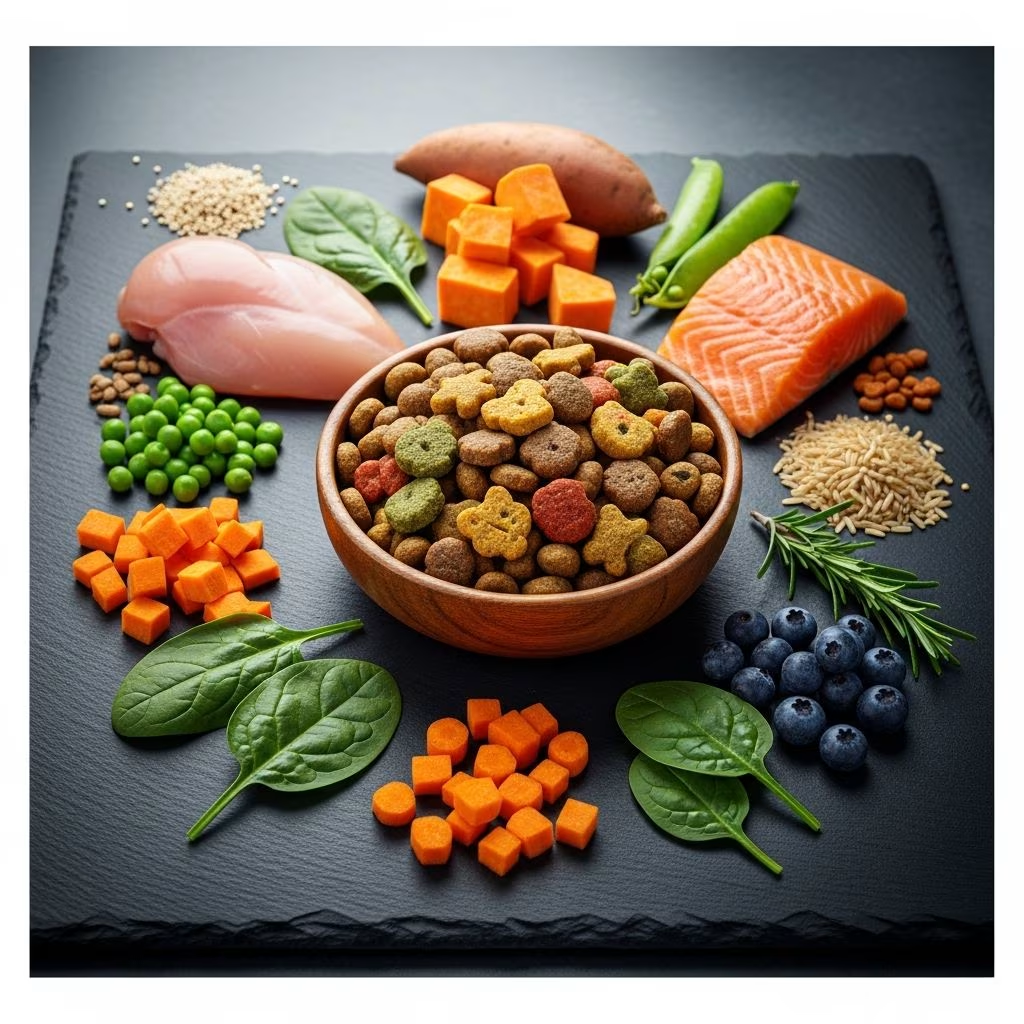
Grain-free dog food has surged in popularity as pet owners seek diets mimicking wild canine ancestors, focusing on meats and vegetables over traditional grains like wheat, corn, or rice. These formulas replace grains with ingredients such as peas, lentils, potatoes, and sweet potatoes. While appealing for dogs with sensitivities, they carry potential health concerns that demand careful evaluation. This guide examines the science-backed pros, cons, and practical advice to help you decide if a grain-free diet fits your dog’s needs.
Why Grain-Free Diets Gained Traction
The rise of grain-free options stems from a belief that dogs, as descendants of wolves, thrive on meat-heavy meals without grains. Manufacturers market these foods as more natural, often highlighting premium proteins and novel carbs. However, not all dogs require grain exclusion, and veterinary nutritionists stress individualized approaches over trends.
Potential Advantages of Grain-Free Formulas
For specific dogs, grain-free kibble or wet food can deliver targeted benefits. Here’s a breakdown:
- Allergy Management: True grain allergies affect a small percentage of dogs, causing itchy skin, ear infections, or stomach upset. Switching to grain-free can alleviate these if grains are the culprit.
- Digestion Support: Alternative carbs like sweet potatoes may digest more easily for grain-sensitive pups, leading to firmer stools and less gas.
- Protein Boost: Many recipes prioritize animal-based proteins, aiding muscle tone in active breeds or seniors.
- Blood Sugar Stability: Legume or tuber-based carbs might offer steadier glucose levels compared to some grains.
These perks shine brightest in dogs with confirmed issues, not as a universal upgrade.
Critical Health Risks to Weigh
Despite marketing hype, grain-free diets link to serious concerns, prompting FDA scrutiny.
The DCM Connection
Dilated cardiomyopathy (DCM) involves weakened heart muscle, risking heart failure. Since 2018, the FDA reported over 500 cases tied to grain-free diets high in legumes or potatoes, affecting breeds without genetic predispositions like Golden Retrievers. While taurine deficiency was initially suspected, later research found no consistent link across breeds. The exact cause remains under investigation, but legume-heavy formulas correlate strongly.
Nutrient Shortfalls
Grains supply fiber, B vitamins, iron, and magnesium. Without them, diets must compensate perfectly, or deficiencies arise. Poorly formulated foods risk imbalances in these essentials.
| Risk Factor | Description | Prevalence Insight |
|---|---|---|
| DCM Association | Heart condition in non-predisposed breeds | 90% of reported cases on grain-free |
| Taurine Issues | Possible amino acid gap | Limited to specific studies |
| Fiber Lack | Impacts gut health | Grains provide natural source |
| Cost | Higher price tag | Often premium ingredients |
Who Might Benefit from Grain-Free?
Not every dog needs grain exclusion. Consider it only under these scenarios:
- Confirmed grain allergy via vet testing.
- Persistent GI woes unresponsive to grain-inclusive foods.
- High-energy dogs needing protein emphasis.
For healthy pups, evidence favors balanced grain-inclusive diets meeting AAFCO standards.
Decoding Ingredient Lists
Smart shopping starts with labels. Look for:
- Named meats first (e.g., “chicken” not “poultry by-product”).
- Balanced carbs like peas under 20-30% total.
- Added taurine or grain substitutes with fiber.
- AAFCO approval for life-stage needs.
Avoid extremes: all-legume fillers or unbalanced macros.
Transitioning Safely to New Food
Abrupt changes upset stomachs. Follow this 10-day plan:
- Days 1-3: 25% new, 75% old.
- Days 4-6: 50% each.
- Days 7-9: 75% new, 25% old.
- Day 10: 100% new.
Monitor for vomiting, diarrhea, or lethargy. Consult vets for at-risk breeds.
Alternatives to Grain-Free Diets
If risks outweigh benefits, explore:
- Limited-Ingredient Diets: Simplify without full grain removal.
- Hydrolyzed Protein Foods: Break down allergens.
- Grain-Inclusive Premiums: Oats or brown rice for digestible carbs.
- Fresh or Home-Cooked: Vet-formulated for precision.
Veterinary and Research Perspectives
Experts like those at the AKC urge caution, noting DCM spikes post-grain-free boom. Peer-reviewed analyses confirm benefits for allergies but flag heart risks. Always prioritize holistic health over fads.
Frequently Asked Questions
Is grain-free better for all dogs?
No. It’s ideal only for grain-sensitive dogs; others thrive on balanced grain-inclusive foods.
Can grain-free cause heart problems?
Possible link to DCM via FDA reports, though causation unclear. Vet monitoring advised.
How common are grain allergies in dogs?
Rare; proteins like beef cause more issues than grains.
What if my dog improved on grain-free?
Regular heart screenings and taurine checks ensure safety.
Are puppies safe on grain-free?
Growth formulas need precise nutrients; consult vets to avoid gaps.
Key Takeaways for Pet Parents
Grain-free suits niche cases but poses risks like DCM for many. Base choices on vet advice, diagnostics, and complete nutrition. Regular check-ups safeguard long-term wellness.
References
- Should You Buy Grain-Free Dog Food? Understanding the Benefits and Risks — Houndsy. 2023. https://www.houndsy.com/blogs/modern-tails/should-you-buy-grain-free-dog-food-understanding-the-benefits-and-risks
- Grain-Free Diets for Dogs and Cats — PMC – NIH. 2024. https://pmc.ncbi.nlm.nih.gov/articles/PMC12291746/
- FDA Grain-Free Diet Alert: What Dog Owners Need to Know — American Kennel Club (AKC). 2023. https://www.akc.org/expert-advice/nutrition/fda-grain-free-diet-alert-dcm/
- Are Grain-Free Diets Bad for Dogs? — PetMD. 2024. https://www.petmd.com/dog/nutrition/are-grain-free-diets-bad-for-dogs
- Pros and Cons of Grain Free Dog Food — Woonona Pet Foods. 2023. https://woononapetfoods.com.au/blogs/news/pros-and-cons-of-grain-free-dog-food



