

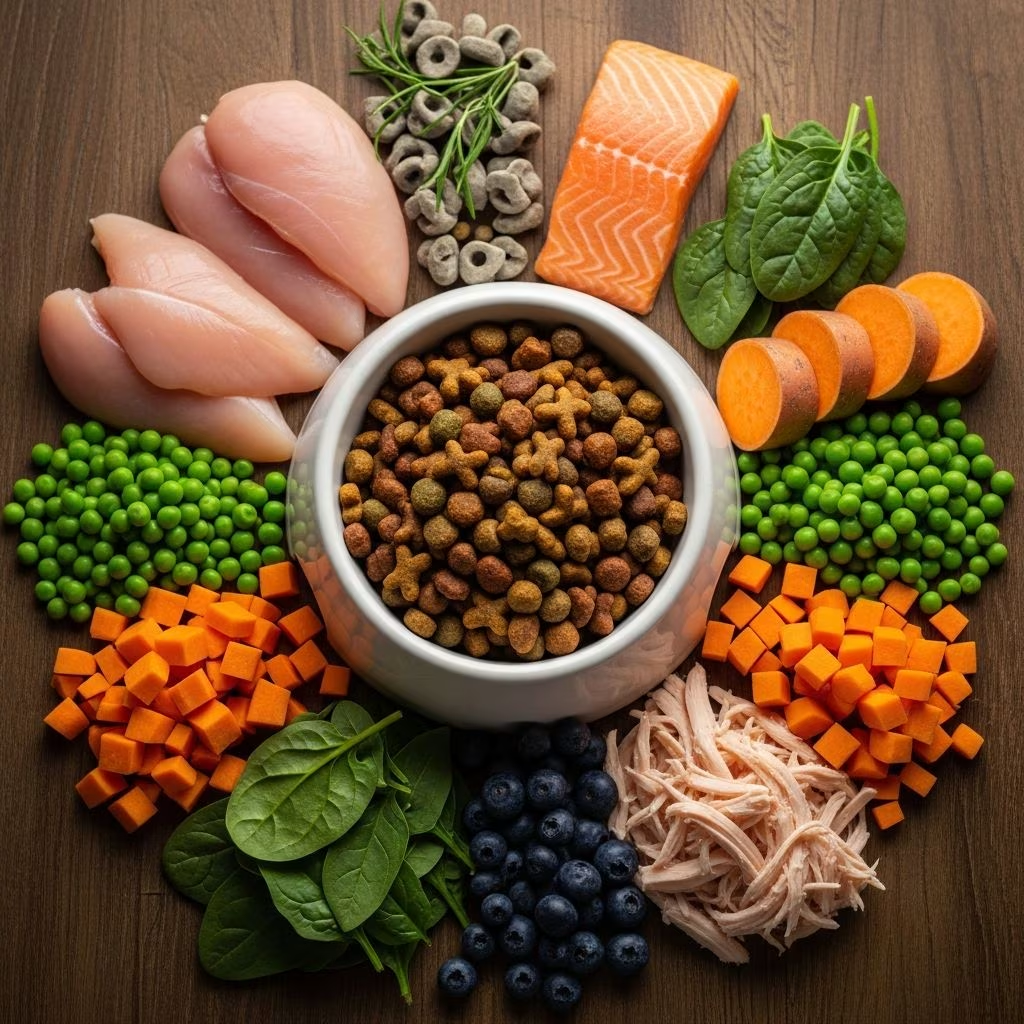
Grain-free dog food excludes common grains like corn, wheat, soy, rice, barley, and oats, replacing them with alternatives such as sweet potatoes, peas, lentils, and chickpeas. This approach appeals to owners seeking to address potential sensitivities while prioritizing high-quality proteins and nutrient-dense carbs.
Understanding Grain-Free Formulas
Dogs are carnivores by nature, and grain-free recipes mimic ancestral diets by emphasizing meat-based proteins over plant fillers. These foods use vegetables and legumes for energy, offering a balanced profile without traditional grains that some dogs struggle to process.
Unlike standard kibble, which relies on grains for bulk and cost-efficiency, grain-free options focus on digestibility. They typically feature higher meat content, leading to formulas that support muscle maintenance and vitality.
Core Benefits for Canine Health
Switching to grain-free can transform a dog’s well-being, particularly for those with sensitivities. Key advantages include:
- Superior Digestion: Easier-to-breakdown ingredients reduce bloating, gas, and loose stools. Complex carbs from veggies provide steady energy without digestive upset.
- Allergy Relief: Eliminating grains curbs itching, ear infections, and hot spots linked to wheat or corn intolerances.
- Shiny Coat and Skin: Omega-rich ingredients promote lustrous fur and soothe irritated skin, common in grain-fed dogs.
- Sustained Energy: High protein and quality carbs prevent energy crashes, keeping dogs active longer.
- Weight Control: Fewer empty calories aid lean body mass and obesity prevention.
Special Considerations for Puppies
Puppies demand nutrient-packed meals for rapid growth. Grain-free puppy foods shine with premium proteins like chicken or fish, delivering amino acids for bone, muscle, and immune development.
Without grain fillers, these diets pack more nutrition per bite, ideal for small stomachs with big energy needs. Ingredients like peas and sweet potatoes supply fibers and vitamins, fostering healthy gut flora from an early age.
Adult Dogs and Active Lifestyles
For grown dogs, especially athletes or working breeds, grain-free supports endurance. Higher protein sustains muscle repair post-exercise, while anti-inflammatory fats enhance joint health.
Senior dogs benefit too, as digestible formulas ease age-related tummy troubles and maintain weight without excess carbs that could lead to diabetes risks.
Potential Drawbacks and Myths
Not all dogs need grain-free; grains provide fiber, selenium, and magnesium for most. True grain allergies affect under 1% of dogs, so it’s often unnecessary.
Some worry about heart issues from legume-heavy recipes, but balanced commercial foods meet AAFCO standards when fed as directed. Always prioritize complete nutrition over trends.
How to Select Quality Grain-Free Food
Scan labels for named meats first (e.g., “salmon” not “poultry by-product”). Avoid vague terms and seek omega-3/6 balances for skin health.
| Feature | Good Signs | Red Flags |
|---|---|---|
| Protein Source | Deboned chicken, beef | Meal scraps, fillers |
| Carb Alternatives | Sweet potatoes, lentils | Excess peas/legumes |
| Additives | Natural preservatives | Artificial colors |
| Guarantees | AAFCO statement | No nutritional analysis |
Transition gradually over 7-10 days to prevent tummy upset: mix 25% new food days 1-2, 50% days 3-4, and so on.
Comparing Grain-Inclusive vs. Grain-Free
| Aspect | Grain-Inclusive | Grain-Free |
|---|---|---|
| Digestion | May cause issues in sensitive dogs | Often gentler |
| Allergies | Potential triggers | Reduced risk |
| Energy | Quick carbs | Sustained release |
| Cost | More affordable | Premium pricing |
| Suitability | Most healthy dogs | Sensitive/specific needs |
When to Consult a Veterinarian
Before changes, vet-check for allergies via elimination trials. They assess breed, age, and health history to recommend fits. Bloodwork rules out deficiencies in grain-free long-term use.
Real-World Transition Success Stories
Owners report firmer stools, less shedding, and playful vigor post-switch. One study noted 80% digestive improvement in sensitive dogs after 4 weeks on grain-free. (Note: Individual results vary.)
FAQs
Is grain-free suitable for all dogs?
No, it’s ideal for those with grain sensitivities; healthy dogs thrive on balanced grain-inclusive foods.
Does grain-free cause heart disease?
No direct link in properly formulated diets; FDA monitors but finds no causation.
Are there affordable grain-free options?
Yes, mid-range brands offer quality without luxury prices, focusing on whole ingredients.
How much protein in good grain-free food?
Aim for 25-35% minimum for adults, higher for puppies.
Can I make grain-free at home?
Possible but risky; consult a vet nutritionist for balance to avoid deficiencies.
Final Thoughts on Optimizing Your Dog’s Diet
Grain-free excels for digestion, allergies, and energy in qualifying dogs, but balance trumps exclusion. Pair with exercise, fresh water, and vet check-ups for peak health. Your dog’s tail wag confirms the best choice.
References
- Benefits of Grain-Free Dog Food — Essential Foods. 2023. https://essentialfoods.ie/blogs/essential-dog-foods-ireland/benefits-of-grain-free-dog-food
- 4 Key Benefits of Grain Free Dog Food — Wilsons Pet Food. 2023. https://www.wilsonspetfood.co.uk/blogs/blog/benefits-of-grain-free-dog-food
- The Benefit of Soy as a Pet Food Ingredient — Hill’s Pet. 2022. https://www.hillspet.ca/en-ca/pet-care/nutrition-feeding/benefits-of-soy-in-pet-food
- What to Know About Grain-Free Dog Food — Peterborough Vets. 2024. https://peterboroughvets.ca/grain-free-dog-food/
- Benefits of Grain Free for your dog — Pawsitive Dog Food. 2023. https://www.pawsitivedogfood.ie/blogs/news/benefits-of-grain-free-for-your-dog-%F0%9F%8C%BE
- Dog Food Without Corn, Wheat Or Soy: What to Know — Purina. 2023. https://www.purina.com/articles/dog/health/nutrition/dog-food-without-corn-wheat-soy



