

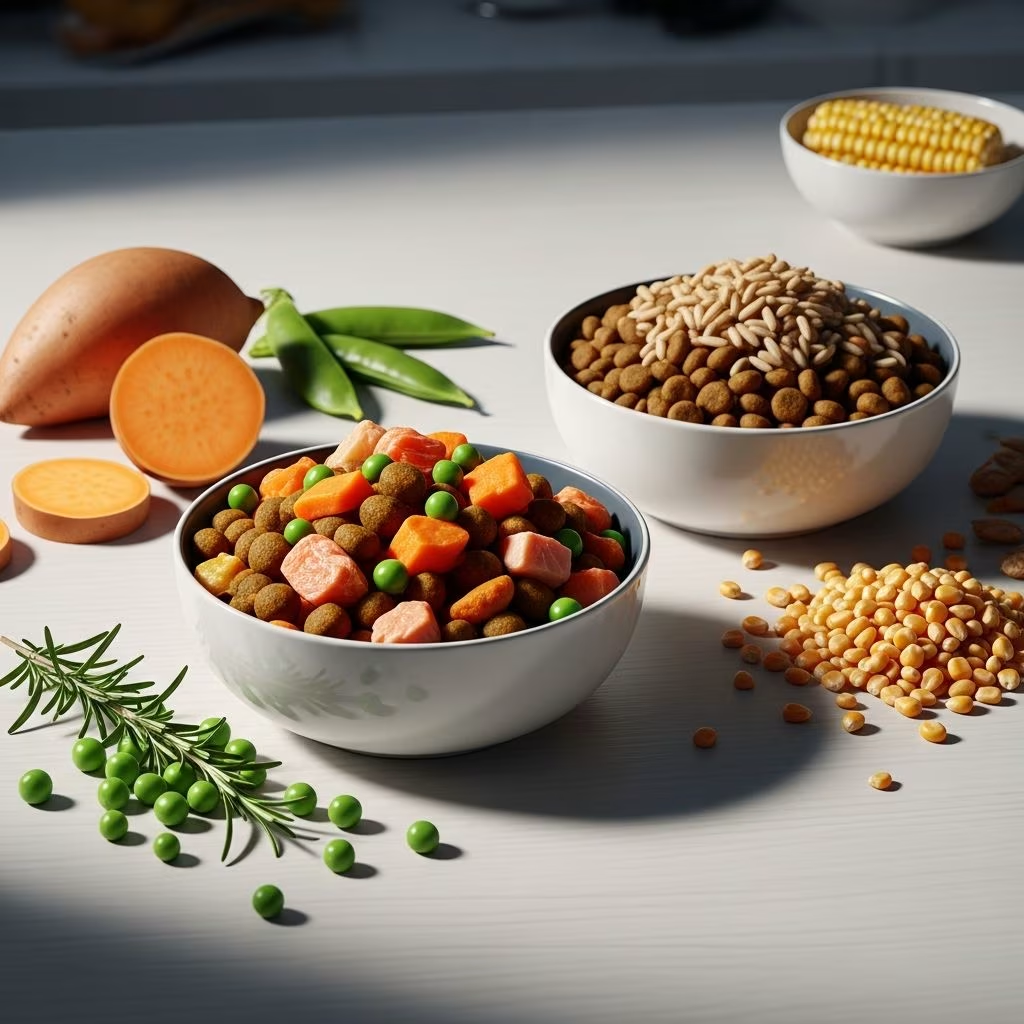
The pet food industry has witnessed a significant shift toward grain-free formulations over the past decade, driven by marketing claims and perceived health advantages. However, the decision to switch your dog to a grain-free diet requires careful consideration of both potential benefits and documented health concerns. Understanding the scientific evidence surrounding these diets is essential for pet owners seeking to make informed nutritional choices for their canine companions.
Understanding Grain-Free Dog Food Formulations
Grain-free dog food products eliminate traditional cereal grains such as wheat, corn, barley, and rice from their formulations. Instead, manufacturers typically replace these ingredients with alternative carbohydrate sources like peas, lentils, chickpeas, potatoes, and sweet potatoes. This fundamental shift in ingredient composition has significant implications for both the nutritional profile and digestibility of the final product.
These formulations often feature elevated protein and fat content compared to conventional grain-inclusive alternatives. Proponents argue that such composition more closely mirrors the ancestral diet of wild canines, though this assertion remains debated among veterinary nutritionists. The actual nutritional composition varies considerably among brands, with quality and formulation standards differing significantly across the market.
Potential Advantages for Specific Canine Populations
While grain-free diets are not universally beneficial, certain groups of dogs may experience genuine advantages from this dietary approach. Understanding which dogs might benefit requires careful evaluation of individual health status and dietary needs.
Grain Allergy Management
Dogs diagnosed with specific grain allergies represent a legitimate candidate population for grain-free diets. Food allergies in canines can manifest through several clinical signs including pruritus (itching), recurrent otitis (ear infections), and gastrointestinal disturbances such as vomiting and diarrhea. For dogs with confirmed wheat or corn sensitivities, eliminating these ingredients may provide meaningful relief from allergic symptoms and improve overall quality of life.
However, it is crucial to emphasize that true grain allergies represent only a fraction of canine food sensitivities. Many dogs attributed to have grain allergies may actually react to other ingredients, making professional veterinary diagnosis essential before implementing dietary modifications.
Digestive Function Optimization
Some dogs experiencing chronic digestive challenges when consuming grain-inclusive diets may show improvement on grain-free alternatives. These products often incorporate high-quality protein sources and supplementary fiber from natural sources, potentially supporting improved nutrient absorption and gastrointestinal transit. The elimination of certain grains may reduce fermentation in the digestive tract for sensitive individuals, leading to more stable bowel movements and reduced gastrointestinal distress.
Athletic Performance and Muscle Maintenance
Active dogs engaged in regular exercise or those requiring assistance maintaining muscle mass may benefit from the higher protein concentration typically found in grain-free formulations. These diets provide enhanced amino acid profiles that support muscular development, energy production, and recovery following physical exertion. Dogs participating in agility competitions, hunting activities, or working roles may experience improved performance on appropriately formulated grain-free diets.
Metabolic Support
Grain-free foods generally demonstrate lower glycemic indices compared to conventional grain-based products, resulting in more gradual glucose absorption. This characteristic may benefit dogs requiring stable blood sugar levels and can support weight management initiatives by promoting satiety and reducing energy fluctuations throughout the day.
Documented Health Risks and Safety Concerns
Despite marketing claims suggesting superior health outcomes, scientific investigation has identified several significant health risks associated with grain-free dog food consumption. These concerns warrant serious consideration by conscientious pet owners.
Dilated Cardiomyopathy and Cardiac Health
The most substantial documented concern involves a potential association between grain-free diet consumption and dilated cardiomyopathy (DCM), a serious cardiac condition characterized by chamber enlargement and myocardial thinning. The FDA initiated investigations into this relationship beginning in 2019, specifically examining boutique, exotic, and grain-free (BEG) diet formulations.
Statistical findings from FDA analysis proved alarming: between January 2014 and April 2019, over 500 DCM cases were linked to grain-free diet consumption. Examination of reported cases revealed that 90 percent of affected dogs consumed grain-free formulations, while 93 percent of reported foods contained peas and lentils. These statistics suggest a potential pattern requiring further investigation.
The proposed mechanism involves potential taurine deficiency, an amino acid critical for myocardial function. While the exact causal pathway remains incompletely understood, the temporal correlation between dietary trend shifts and increased DCM incidence in non-predisposed breeds raises legitimate concerns. Dogs previously healthy and without genetic predisposition to DCM have developed this condition following grain-free diet initiation, suggesting an environmental rather than purely genetic etiology.
Nutritional Imbalance and Deficiency Risks
Grain-free formulation requires careful nutritional engineering to prevent deficiency states. Traditional grains provide essential fiber, vitamins, and minerals that must be adequately replaced through alternative ingredients. When formulation is suboptimal, dogs may develop nutritional deficiencies despite appearing adequately fed.
The challenge intensifies given variable industry regulation and quality control standards. Smaller manufacturers may lack the nutritional expertise required to formulate balanced grain-free diets meeting AAFCO (Association of American Feed Control Officials) standards. Pet owners should specifically verify AAFCO certification on product packaging, indicating the diet has undergone substantiation for nutritional adequacy.
Allergen Cross-Reactivity
Contrary to common marketing assertions, grain-free diets do not universally prevent allergic reactions in susceptible dogs. Many allergic dogs react to protein sources rather than grains. Switching to grain-free formulations containing novel proteins may provide temporary improvement through the elimination of previously consumed allergens, but relief may prove temporary if the underlying allergic mechanism involves other ingredients.
Key Considerations for Dietary Decisions
| Factor | Grain-Free Consideration | Recommendation |
|---|---|---|
| Confirmed Grain Allergy | May provide relief | Consider grain-free under veterinary supervision |
| No Documented Allergies | No proven benefit | Conventional diets appropriate |
| Heart Disease History | Potential increased risk | Avoid grain-free formulations |
| Athletic Performance | Higher protein beneficial | High-protein grain-inclusive options available |
| Sensitive Digestion | May improve comfort | Trial under veterinary guidance |
Navigating Product Selection and Quality
If veterinary guidance supports grain-free diet exploration for your dog, careful product evaluation becomes essential. Several factors distinguish higher-quality formulations from questionable alternatives.
- Verify AAFCO certification indicating nutritional adequacy substantiation
- Examine ingredient lists for identifiable protein sources rather than vague protein meals
- Confirm products underwent feeding trials demonstrating safety and efficacy
- Assess manufacturer transparency regarding nutritional formulation and quality control processes
- Review third-party testing results when available
- Evaluate whether veterinary nutritionists participated in formulation development
Frequently Asked Questions
Are all dogs unsuitable candidates for grain-free diets?
No. Dogs with documented grain allergies or sensitivities may benefit from grain-free formulations. However, most dogs without specific dietary issues derive no advantage from grain-free diets and may face unnecessary health risks.
Does grain-free mean allergy-free?
No. Grain-free does not guarantee allergy relief. Many canine allergies involve protein sources rather than grains. Additionally, grain-free diets substitute grains with legumes and other ingredients that may trigger reactions in susceptible individuals.
What symptoms might indicate DCM development?
Cardiac disease symptoms include lethargy, exercise intolerance, coughing, difficulty breathing, fainting episodes, and abdominal distension. Any dog on grain-free diet experiencing these symptoms requires immediate veterinary evaluation.
Should I immediately switch my dog off grain-free food?
Consult your veterinarian before making dietary changes. If your dog is thriving without health issues, abrupt dietary modifications may cause digestive upset. Your veterinarian can assess individual risk factors and recommend appropriate transitions if indicated.
Can grain-free diets provide adequate taurine levels?
Yes, when properly formulated. However, quality variation among manufacturers makes independent verification challenging. Discuss taurine levels with your veterinarian and consider periodic cardiac screening if maintaining grain-free feeding.
Professional Veterinary Perspective
Veterinary professionals increasingly recommend caution regarding grain-free diet recommendations for general populations. The American Veterinary Medical Association and board-certified veterinary cardiologists emphasize that current evidence does not support grain-free superiority for healthy dogs without documented grain sensitivities. The documented association with DCM has prompted many veterinary clinics to actively discourage grain-free feeding except in specific clinical circumstances.
Veterinary nutritionists emphasize that complete and balanced nutrition depends on thoughtful formulation rather than ingredient categories. Dogs can thrive on appropriately formulated grain-inclusive diets, and the presence of grains does not inherently compromise nutritional quality or digestibility.
Making Informed Decisions for Your Dog’s Health
The grain-free diet decision requires individualized assessment considering your dog’s specific health status, documented dietary needs, and breed predisposition to certain conditions. While these diets offer potential benefits for dogs with genuine grain sensitivities or specific performance requirements, they present documented risks for otherwise healthy dogs.
Pet owners should approach marketing claims with appropriate skepticism and prioritize evidence-based recommendations from qualified veterinary professionals. When considering dietary modifications, consultation with your veterinarian ensures decisions reflect your individual dog’s unique nutritional requirements and health profile.
The goal of canine nutrition remains unchanged: providing complete, balanced nutrition supporting optimal health throughout your dog’s life. Whether achieved through grain-free or traditional formulations matters less than ensuring rigorous nutritional adequacy, appropriate ingredient quality, and alignment with your dog’s documented health requirements and veterinary recommendations.
References
- Should You Buy Grain-Free Dog Food? Understanding the Benefits and Risks — Houndsy. 2024. https://www.houndsy.com/blogs/modern-tails/should-you-buy-grain-free-dog-food-understanding-the-benefits-and-risks
- Understanding Grain-Free Dog Food: Pros and Cons — Poppy’s Picnic. 2024. https://poppyspicnic.co.uk/blogs/raw-pet-food/grain-free-dog-food-pros-cons
- Grain-Free Diets for Dogs and Cats: An Updated Review Focusing on Cardiovascular Health — Journal of Animal Physiology and Animal Nutrition. 2025. https://pmc.ncbi.nlm.nih.gov/articles/PMC12291746/
- Grain-Free Dog Food & Heart Health Risks — Goodheart Veterinary. 2024. https://goodheart.vet/blog/grain-free-dog-food-heart-health-risks
- FDA Grain-Free Diet Alert: What Dog Owners Need to Know — American Kennel Club. 2019. https://www.akc.org/expert-advice/nutrition/fda-grain-free-diet-alert-dcm/
- Are Grain-Free Diets Bad for Dogs? — PetMD. 2024. https://www.petmd.com/dog/nutrition/are-grain-free-diets-bad-for-dogs
- The Problem with Grain Free for Pets — Glenelg Veterinary. 2019. https://www.glenelgvet.com.au/project/the-problem-with-grain-free



