

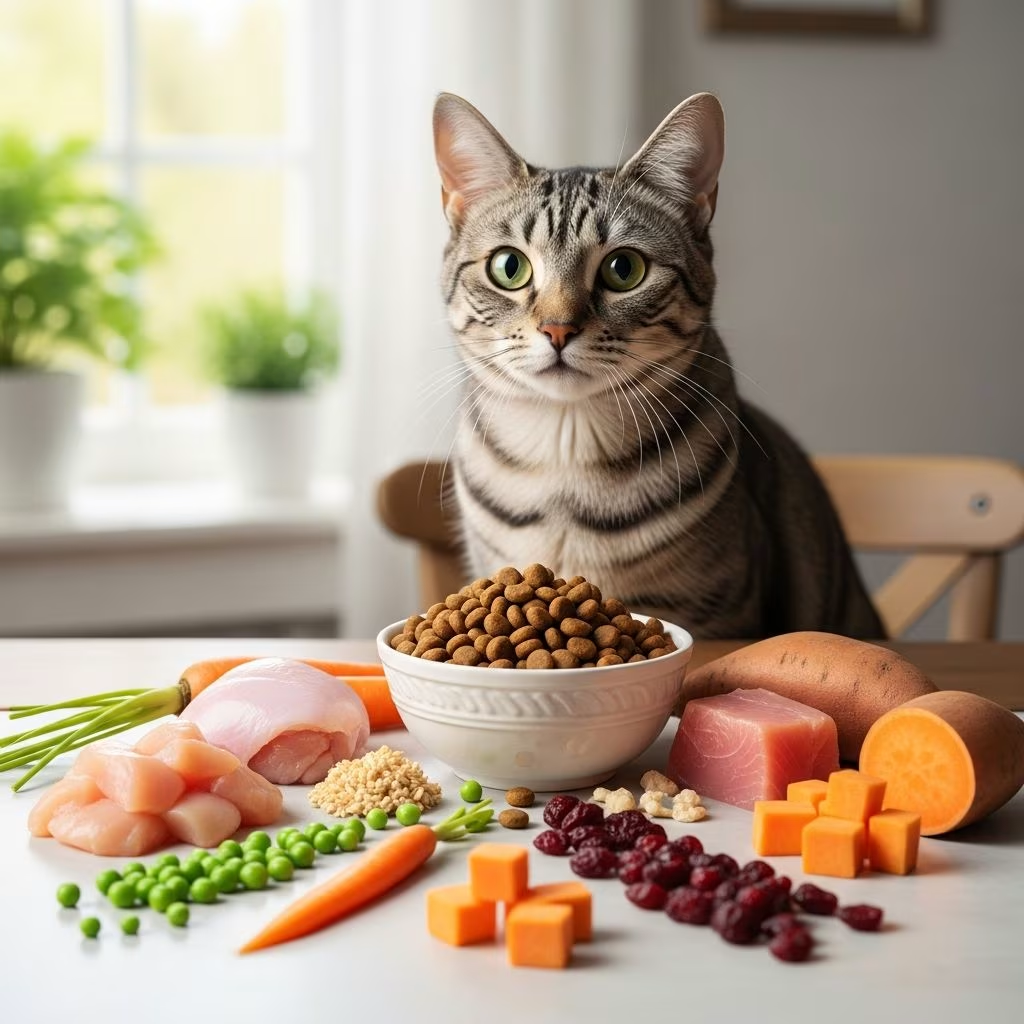
Grain-free cat food eliminates common grains such as wheat, corn, rice, barley, and oats, substituting them with alternatives like legumes, potatoes, or sweet potatoes. This approach appeals to cat owners seeking diets closer to a cat’s natural carnivorous needs, but it requires careful evaluation for nutritional completeness.
Understanding the Composition of Grain-Free Formulas
These diets typically feature higher animal protein levels from sources like chicken, turkey, or fish, paired with carbohydrate substitutes that provide energy without grains. While not carb-free, they aim for digestibility suited to cats’ short digestive tracts. Manufacturers must ensure formulas meet standards like those from AAFCO for complete nutrition across life stages.
Key components often include:
- Proteins: Primary animal-based sources for muscle health and energy.
- Fats: Essential for skin, coat, and calorie density.
- Carb alternatives:
- Additives: Taurine and vitamins to prevent deficiencies.
Peas, lentils, or tubers for binding and fiber.
Potential Advantages for Feline Health
For certain cats, grain-free options can enhance well-being. Cats with rare grain sensitivities may experience fewer skin irritations or stomach issues when grains are removed. Higher protein content supports active lifestyles and satiety, aiding weight control, especially in neutered cats prone to obesity.
Digestion benefits arise from simplified ingredients, potentially easing IBD symptoms or improving nutrient uptake in sensitive felines. Stable energy release from legume-based carbs may prevent blood sugar fluctuations, benefiting overall vitality.
| Benefit | Description | Supported Cats |
|---|---|---|
| Digestion Aid | Reduces bloating, diarrhea from hard-to-digest grains | Those with GI sensitivities |
| Allergy Relief | Lowers itchiness or rashes if grains trigger reactions | Rare allergy cases |
| Weight Control | High protein promotes fullness, low carbs curb gain | Neutered or overweight cats |
| Energy Stability | Steady release avoids spikes and crashes | Active or senior cats |
Examining the Drawbacks and Health Concerns
Despite popularity, grain-free diets carry risks. Heavy reliance on pulses like peas and lentils may link to taurine deficiency, a concern raised in dogs’ DCM cases and under study in cats. These ingredients can displace premium proteins, risking imbalances if not properly formulated.
Not all grain-free foods suit every life stage; kitten or senior formulas must address specific needs like growth or joint support. Poorly made products might lack fiber for hairball prevention or use low-quality fillers, leading to digestive woes.
- Heart Risks: Ongoing research probes legume-taurine interactions.
- Cost: Often pricier without guaranteed superiority.
- Overhype: Most cats thrive without grain exclusion.
Grain-Free Versus Traditional Grain-Inclusive Diets
Grain-inclusive foods use digestible whole grains like brown rice or oats for fiber, vitamins, and affordable energy. Both types can be nutritious if AAFCO-approved, with protein quality trumping grain presence.
| Aspect | Grain-Free | Grain-Inclusive |
|---|---|---|
| Carb Sources | Legumes, potatoes | Rice, barley, oats |
| Protein Focus | Often higher animal emphasis | Variable, check labels |
| Fiber Benefits | From veggies; may lack if unbalanced | From grains; aids digestion |
| Cost | Higher typically | More budget-friendly |
| Suitability | Sensitivities, weight management | General health, affordability |
For healthy cats, grains pose no inherent harm and provide prebiotics for gut health.
When to Consider Switching to Grain-Free
Opt for grain-free if your vet diagnoses grain intolerance via elimination trials, not assumptions. It’s ideal for overweight or digestive-challenged cats but unnecessary for most. Monitor for symptoms like chronic vomiting, poor coat, or lethargy before changing.
Transition gradually over 7-10 days to avoid upset:
- Days 1-3: 25% new food, 75% old.
- Days 4-6: 50/50 mix.
- Days 7-9: 75% new, 25% old.
- Day 10: Full switch.
Key Factors in Selecting Quality Grain-Free Cat Food
Prioritize AAFCO statements for completeness. Named meats should top ingredients, not pea protein isolates. Check taurine levels (0.1-0.2% minimum) and avoid excessive pulses early in the list.
- Life Stage: Kitten for growth, senior for moderation.
- Format: Wet for hydration, dry for convenience.
- Fiber: Pumpkin or chicory for hairballs.
- Reviews: Vet-endorsed, recall-free brands.
Consult vets for bloodwork to confirm taurine status post-switch.
Frequently Asked Questions
Are grain allergies common in cats?
True allergies are rare; most reactions stem from proteins like beef or chicken. Test via hypoallergenic trials.
Does grain-free prevent obesity?
It can help via protein satiety but pair with portion control.
Is grain-free safer than grain-inclusive?
No—balance matters more. Both work if high-quality.
Can kittens eat grain-free?
Yes, if formulated for growth with ample calories and nutrients.
What about heart disease links in cats?
Less evidence than dogs, but monitor taurine and choose wisely.
Final Thoughts on Feline Feeding Choices
Grain-free suits specific needs but isn’t a universal upgrade. Focus on whole-prey mimicry: high meat, moderate fat/carbs, vital supplements. Regular vet check-ups ensure optimal health regardless of grain status.
References
- Grain-Free Cat Food: Pros, Cons & How to Choose Safely — PetPlace. 2023. https://www.petplace.com/article/cats/pet-health/grain-free-cat-food-benefits-risk
- Grain-free cat food: yes or no? — OnlyFresh. 2024. https://onlyfresh.com/en/blogs/news/pienso-para-gatos-sin-cereales-si-o-no
- Is a Grain-Free Diet Good for My Cat? — Purina Australia. 2025. https://www.purina.com.au/store/feeding-cat/grain-free-diet-for-cats.html
- Grain-Free Diets for Dogs and Cats — PMC – NIH (Peer-reviewed). 2024-10-15. https://pmc.ncbi.nlm.nih.gov/articles/PMC12291746/
- Understanding Grain-Free Diets: Pros and Cons for Feline Health — RSH Pets. 2024. https://rshpets.com/blogs/cat-health-wellness/understanding-grain-free-diets-pros-and-cons-for-feline-health
- Is Grain-Free Cat Food Better? — PetMD. 2025. https://www.petmd.com/cat/nutrition/grain-free-cat-food-better
- Is Grain-Free Pet Food Safe? — Stand for Animals. 2024. https://standforanimals.org/resources/blog/is-grain-free-pet-food-safe/



