

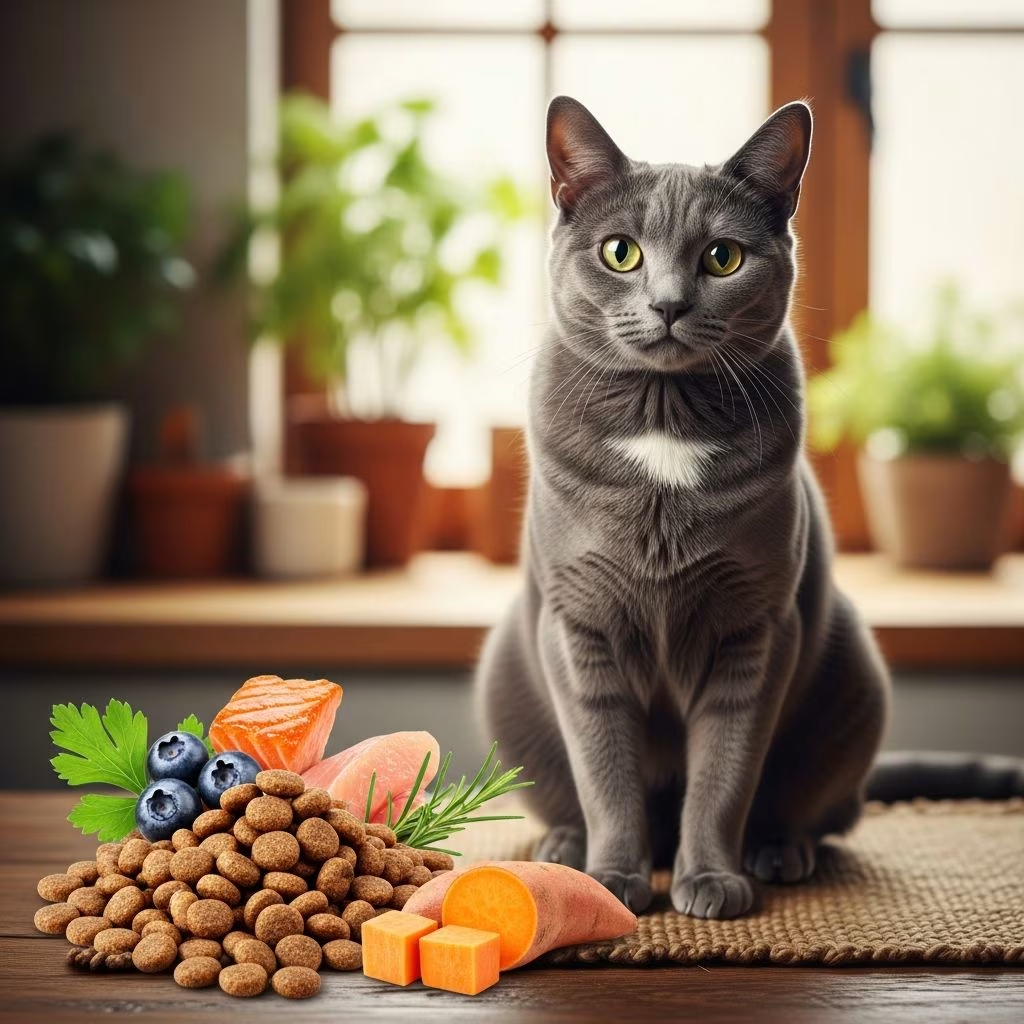
Grain-free cat food eliminates common grains such as wheat, corn, rice, and barley, replacing them with alternatives like legumes, potatoes, or vegetables. This approach aims to align more closely with a cat’s carnivorous nature, potentially offering digestive and nutritional perks for certain felines.
Understanding the Composition of Grain-Free Formulas
These diets typically feature higher levels of animal proteins from sources like chicken, fish, or turkey as primary ingredients. Carbohydrates, when present, come from non-grain options such as peas, lentils, or sweet potatoes, which provide energy without the gluten or starch found in traditional grains. Available in kibble, wet, or raw formats, grain-free options cater to various feeding preferences while maintaining complete nutritional profiles when properly formulated.
Potential Advantages for Feline Health
For many cat owners, switching to grain-free food brings noticeable improvements in their pet’s vitality. Cats, as obligate carnivores, thrive on protein-rich meals, and removing grains can enhance several aspects of health.
Enhanced Digestive Function
Cats possess short digestive tracts optimized for meat digestion rather than plant-based carbs. Grain-free diets often prove easier on the gut, particularly for those with sensitivities or conditions like inflammatory bowel disease. Highly digestible ingredients promote better nutrient uptake, firmer stools, and fewer bouts of vomiting or diarrhea. Natural fibers from vegetables further aid in smooth gastrointestinal transit, reducing hairball accumulation.
Support for Skin and Coat Quality
A diet abundant in quality animal proteins supplies essential fatty acids vital for maintaining a lustrous coat and supple skin. By excluding potential grain irritants, these formulas may alleviate itching, flakiness, or hot spots linked to food-related sensitivities. Owners frequently report shinier fur and reduced shedding after the transition.
Weight Control and Energy Stability
With moderated carbohydrate levels, grain-free foods help prevent blood sugar fluctuations, fostering steady energy release. This proves especially useful for neutered cats prone to obesity due to lowered activity and heightened appetite post-surgery. High protein promotes satiety, curbing overeating, while lower calorie density from carb alternatives supports lean body mass.
Addressing Allergies and Intolerances
Though genuine grain allergies remain uncommon in cats, some exhibit reactions manifesting as ear infections, paw licking, or gastrointestinal distress. Grain-free options sidestep these triggers, potentially resolving symptoms. Limited-ingredient varieties pinpointing novel proteins amplify this benefit for confirmed allergy sufferers.
Comparing Grain-Free to Traditional Grain-Inclusive Diets
Both diet types can deliver balanced nutrition if they meet AAFCO standards. Grain-inclusive foods incorporate digestible whole grains like brown rice or oats, supplying fiber, vitamins, and affordable energy. Grain-free counterparts substitute with legumes or tubers, which may carry higher glycemic impacts or pulse-related concerns.
| Aspect | Grain-Free | Grain-Inclusive |
|---|---|---|
| Carb Sources | Legumes, potatoes | Wheat, rice, barley |
| Protein Focus | Often higher animal-based | Variable, may include plant fillers |
| Digestibility | Better for sensitive cats | Good with quality grains |
| Cost | Typically higher | More affordable |
| Fiber Benefits | From veggies; variable | Consistent from grains |
This comparison underscores that suitability hinges on individual needs rather than one-size-fits-all superiority.
Ideal Scenarios for Grain-Free Feeding
- Sensitive Stomachs: Cats with chronic loose stools or IBD often fare better without grains.
- Neutered or Senior Cats: Aids in obesity prevention through protein satiety and carb moderation.
- Allergy Suspects: Useful during elimination trials to identify triggers.
- Active Youngsters: Fuels high energy demands with protein emphasis.
Navigating Potential Drawbacks
Despite merits, grain-free isn’t universally ideal. Some formulas boast elevated legume content, prompting FDA scrutiny over dilated cardiomyopathy links, though causation remains unproven. Grains offer beneficial fiber and nutrients; their absence demands careful replacement to avert deficiencies. Higher pricing also factors into long-term feasibility.
Guidelines for Selecting Superior Grain-Free Products
Prioritize formulas listing named meats first, avoiding vague “meat meals.” Seek digestible carbs like pumpkin alongside fibers for gut health. Probiotics enhance microbiome balance. Consult vets for tailored advice, especially with health issues.
- Verify AAFCO completeness.
- Opt for single-protein sources if allergies suspected.
- Transition gradually over 7-10 days.
- Monitor weight, stool, and energy post-switch.
Frequently Asked Questions
Is grain-free cat food healthier overall?
Not inherently; it suits specific needs but healthy cats thrive on balanced grain-inclusive diets too.
Can all cats eat grain-free food?
Most can, but those requiring extra fiber might benefit from grains. Vet input is key.
Does grain-free prevent hairballs?
It can, via improved fiber and digestion, though dedicated hairball formulas exist.
How does it impact dental health?
Kibble texture aids tartar control regardless of grains; wet food may necessitate supplements.
Are there risks with legume-heavy formulas?
Monitor heart health; choose varied, meat-forward options.
Real-World Outcomes and Owner Insights
Anecdotes abound of cats gaining vigor, shedding less, and maintaining ideal weights on grain-free plans. Professional nutritionists stress holistic evaluation over trends, advocating species-appropriate, high-protein bases irrespective of grains.
In summary, grain-free cat food holds value for digestion-challenged or protein-preferring felines, but discernment ensures optimal results.
References
- Grain-Free Cat Food: Pros, Cons & How to Choose Safely — PetPlace. 2023-05-15. https://www.petplace.com/article/cats/pet-health/grain-free-cat-food-benefits-risk
- Grain-free cat food: yes or no? — OnlyFresh. 2024-02-20. https://onlyfresh.com/en/blogs/news/pienso-para-gatos-sin-cereales-si-o-no
- Why Choose Grain Free Cat Food for Your Pet? — Purina Australia. 2024-08-10. https://www.purina.com.au/grain-free-diet-for-cats.html
- Is Grain-Free Cat Food Better? — PetMD. 2023-11-05. https://www.petmd.com/cat/nutrition/grain-free-cat-food-better
- The Power of Grain-Free Cat Food for Your Cat’s Health — Natyka. 2024-01-12. https://natyka.com/en/the-power-of-grain-free-cat-food-for-your-cats-health/



