

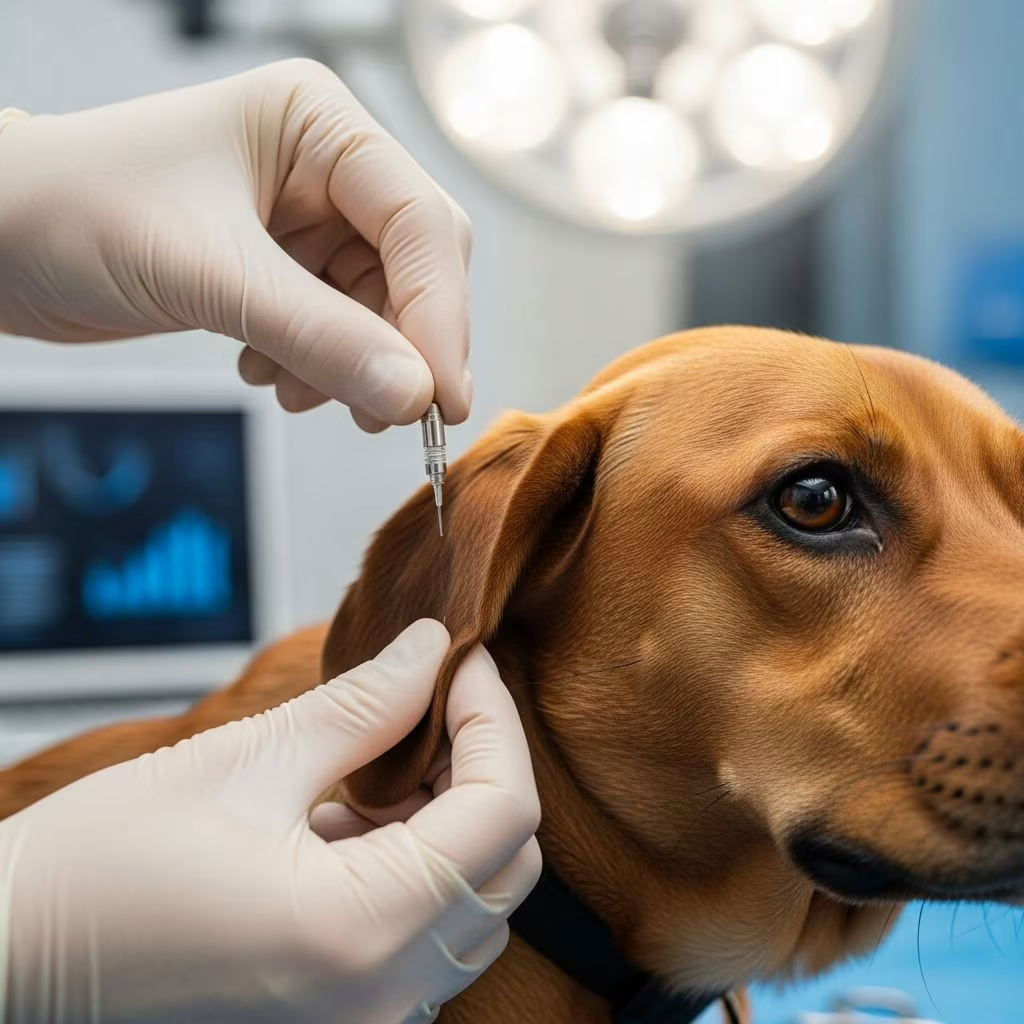
Pet owners often dream of a foolproof way to track their dogs at all times, leading to questions about GPS implants. Currently, no such implantable GPS devices exist for dogs due to technological and biological constraints, but advanced collar-based trackers and microchips offer robust alternatives.
The Myth of Implantable GPS Technology
Implanting a GPS chip under a dog’s skin sounds like science fiction brought to life, promising constant location updates without the hassle of collars. However, this technology remains unavailable because GPS systems require significant power, antennas, and cellular connectivity that cannot be miniaturized safely for subcutaneous implantation.
Batteries for GPS need regular charging and produce heat, which could harm tissue. Antennas must be external to communicate effectively with satellites and networks. Veterinary experts emphasize that any implantable device would risk rejection, infection, or migration within the body, making it impractical.
Instead, what exists are RFID microchips—small rice-sized implants scanned at shelters or vets for identification. These passive chips store a unique ID but do not track location in real-time, debunking confusion with GPS.
Why GPS Implants Aren’t Feasible Yet
GPS functionality demands integration with LTE cellular networks and satellite signals, as seen in devices like Tractive trackers that use built-in SIM cards. Shrinking this into an implant defies physics: power sources would drain quickly, requiring impossible recharges inside the body.
- Power Constraints: GPS signals need active transmission, unlike passive RFID.
- Size Limitations: Current trackers weigh ounces; implants must be under milligrams.
- Health Risks: Surgery for non-essential tech raises ethical concerns.
Research from pet tech forecasts predicts the market growing to $17.25 billion by 2030, driven by external wearables rather than implants. Future innovations might blend bio-compatible batteries, but experts estimate 5-10 years minimum.
Top GPS Tracking Collars for Dogs in 2026
GPS collars provide real-time tracking via apps, filling the gap left by implants. Models like Tractive DOG 6, Pawfit 3, and Kippy excel in 2026 tests for accuracy, battery life, and features.
| Tracker | Update Frequency | Battery Life | Key Features | Subscription |
|---|---|---|---|---|
| Tractive DOG 6 | 2-3 seconds (Live) | Days (varies by use) | LED light, buzzer, geo-fences, activity tracking | Monthly fee |
| Pawfit 3 | 20-120 seconds | Up to 2 weeks | Temperature alerts, customizable maps, family sharing | Premium option |
| Kippy DOG | Real-time Live mode | Extended with GNSS | Satellite views, unlimited distance tracking | Required |
Tractive shines in live tracking, updating every 2-3 seconds and showing movement trails, ideal for active dogs. Pawfit offers long battery via on-demand tracking, perfect for smaller breeds. Kippy leverages GPS, Glonass, and Galileo for superior outdoor accuracy.
All are waterproof, lightweight (under 50g), and fit collars from Dachshunds to Great Danes. Apps monitor sleep, activity, and set virtual boundaries alerting you to escapes.
Microchips: The Permanent ID Solution
While not trackers, microchips are essential backups. Injected between shoulder blades, they hold a 15-digit code readable by universal scanners at vets, shelters, and animal control.
2025 data shows 317,000 pets reunited via microchips and other methods, though success rates dipped 3% due to unscanned or unregistered chips. Register your chip immediately with services like AKC Reunite for nationwide databases.
- Pros: Lifetime durability, no batteries, tamper-proof.
- Cons: No location data; requires scanner proximity.
Combine with collars: if a collar slips, the chip ensures identification.
Community and Hybrid Recovery Strategies
No tech is perfect—collars can be lost, chips unscanned. Community platforms like PawBoost amplify reach by alerting locals via apps, social media, and businesses.
Post a photo and description; neighbors get push notifications. This ‘collective guardianship’ turns bystanders into spotters, boosting reunions by mobilizing hundreds without extra effort.
Layer strategies for best results:
- Microchip + GPS collar for ID and tracking.
- Immediate community alert upon escape.
- Post flyers and check shelters daily.
Tech integration grows: future collars may auto-alert communities on geo-fence breaches.
Choosing the Right Tech for Your Dog
Match tech to lifestyle. Small dogs need lightweight trackers like Pawfit; hunters prefer durable Tractive with lights. Budget options start at basic models, premiums add health insights.
Subscriptions range $5-12/month for unlimited tracking. Test battery in real scenarios—live modes drain faster.
For cats or collar-averse dogs, prioritize microchips and communities over heavy GPS.
Preventing Loss: Proactive Measures
Tech reacts; prevention acts first. Secure fences, leashed walks, and ID tags reduce risks. Train recall commands and use long lines in open areas.
Smart collars track activity to spot escape-prone behaviors early. The pet tech boom reflects owners’ shift to proactive safety.
Future of Pet Tracking Innovations
By 2030, expect collar-microchip hybrids, AI-predicted escapes, and drone-assisted searches. Bio-implants may evolve with nanotechnology, but collars dominate now.
Goal remains: swift, safe reunions blending tech and community.
Frequently Asked Questions
Can you really implant a GPS chip in a dog?
No, true GPS implants do not exist due to power and size issues. Use collars instead.
How accurate are GPS dog trackers?
Top models like Tractive update every 2-3 seconds with 5-10m accuracy outdoors.
Do GPS trackers work indoors?
Performance drops indoors; GNSS excels outside.
Is a microchip the same as a GPS tracker?
No—microchips are passive IDs; GPS is active location.
What if my dog loses the collar?
Microchip provides permanent backup; register it fully.
Are there free GPS options for pets?
No, all require subscriptions for cellular data.
References
- From Microchips to GPS Tracking in 2026 — Pet Blog Lady. 2026-01. https://petbloglady.com/2026/01/the-technology-revolution-in-lost-pet-recovery-from-microchips-to-gps-tracking-in-2026.html
- Best GPS Trackers for Dogs 2026 | Tested & Reviewed — Smart Bark. 2026. https://www.smartbark.co.uk/post/best-gps-trackers-for-dogs
- Best GPS Dog Tracker 2026: Budget vs Premium Options Compared — YouTube. 2026. https://www.youtube.com/watch?v=UXHuaiuuMr0
- Tractive: Pet GPS Tracker — Tractive. 2026. https://tractive.com



