

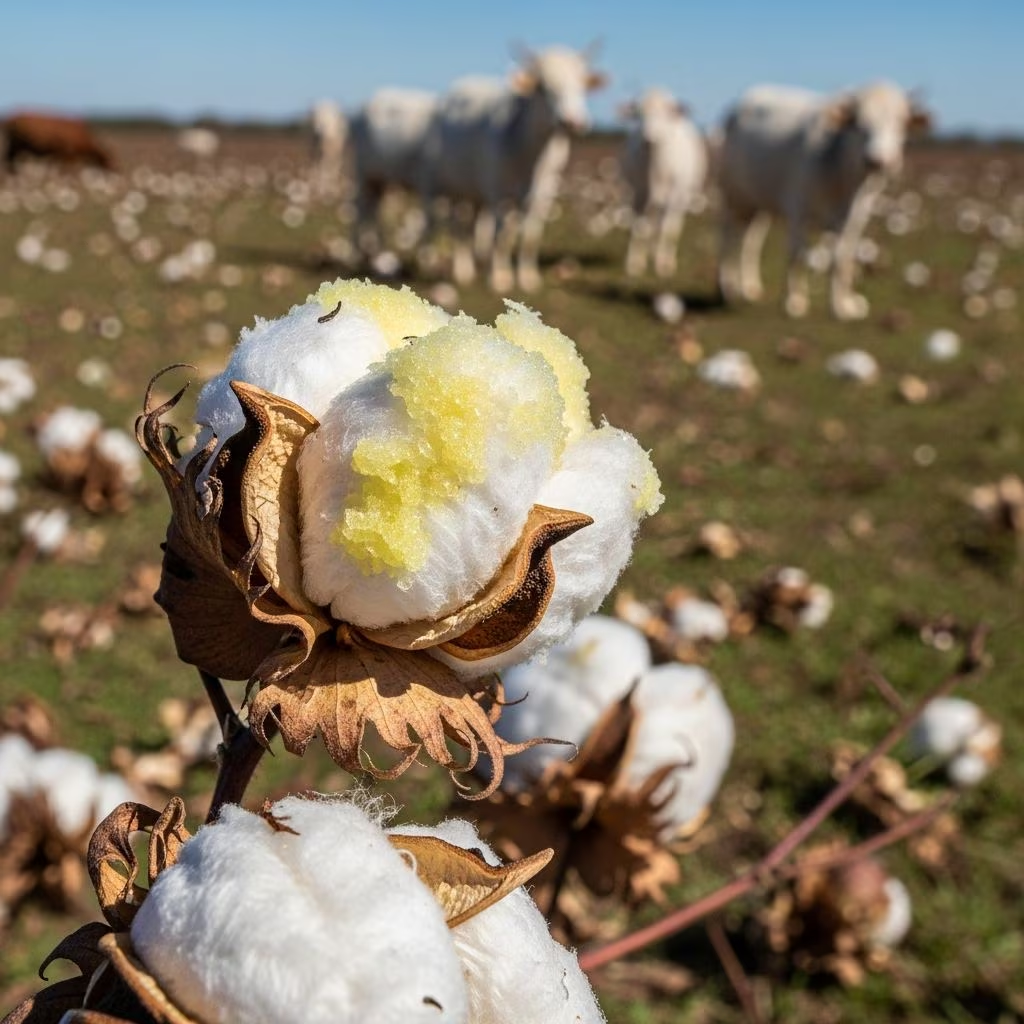
Gossypol is a naturally occurring compound found in cotton plants, particularly concentrated in the seeds and pigment glands. When animals consume cottonseed products contaminated with high levels of this substance, it can lead to a range of toxic effects, primarily impacting monogastric animals, young ruminants, and poultry. This toxicity arises from prolonged dietary exposure, often resulting in cardiac, hepatic, reproductive, and hematologic disturbances.
Origins and Chemical Nature of Gossypol
Cottonseed has long been a valuable feed ingredient due to its high protein and energy content, making it popular in livestock rations worldwide. However, the presence of gossypol—a yellow polyphenolic pigment produced by the cotton plant’s glands—poses a significant risk. Free gossypol, the unbound and more toxic form, is readily absorbed in the digestive tract, while bound gossypol forms complexes that are less harmful. Processing methods like solvent extraction or heat treatment can reduce free gossypol levels, but improper handling leaves residues that accumulate over time.
The compound’s structure allows it to bind to proteins and metals, disrupting essential biological processes. In mature ruminants, rumen microbes facilitate detoxification by forming stable gossypol-protein complexes, rendering it less absorbable. This protective mechanism is absent or underdeveloped in pigs, young calves, lambs, and birds, heightening their vulnerability.
Susceptibility Across Animal Species
Not all animals respond equally to gossypol exposure. Sensitivity varies based on digestive physiology, age, and production demands.
- Monogastrics (pigs, dogs, horses): Highly susceptible due to direct absorption in the small intestine. Pigs exhibit dramatic respiratory distress known as ‘thumping.’ Dogs suffer progressive heart failure with electrolyte imbalances.
- Young Ruminants (calves, lambs, kids): Immature rumens fail to detoxify gossypol, leading to cardiomyopathy and sudden death. High-producing adults like dairy cows may also be affected if intake exceeds safe thresholds.
- Poultry: Chickens show reduced egg production, green yolk discoloration, and poor hatchability. Broilers experience growth stunting and liver damage.
- Mature Ruminants: Generally resistant, but prolonged high intake in lactating does or ewes can impair reproduction.
Table 1 summarizes comparative sensitivity:
| Species Group | Sensitivity Level | Key Risk Factors |
|---|---|---|
| Swine | High | Direct absorption, rapid onset |
| Dogs | High | Cardiotoxicity, hyperkalemia |
| Young Ruminants | High | Incomplete rumen function |
| Poultry | Moderate-High | Reproductive and growth effects |
| Mature Cattle | Low-Moderate | High intake in production animals |
Data derived from veterinary toxicology reports.
Mechanisms of Toxic Action
Gossypol exerts its effects through multiple pathways. It uncouples oxidative phosphorylation in mitochondria, impairing energy production in heart and muscle tissues. This leads to myocardial necrosis and heart failure. Additionally, gossypol binds iron, causing hemolytic anemia by increasing red blood cell fragility. In the liver, it induces necrosis, especially when secondary to cardiac congestion. Reproductive toxicity stems from disrupting steroidogenesis, reducing sperm motility in males and causing embryonic resorption in females.
Immune suppression is another concern, as gossypol interferes with lymphocyte function, increasing infection susceptibility. High doses trigger acute responses like gastroenteritis and spasms, while chronic exposure manifests subtly through weight loss and infertility.
Recognizing Clinical Manifestations
Symptoms emerge after weeks to months of exposure, though acute overload can cause rapid decline. General signs include lethargy, appetite loss, and weight reduction. Species-specific presentations are critical for early detection.
- Pigs: Violent ‘thumping’—labored, spasmodic breathing—is hallmark. Accompanied by diarrhea, anemia, and collapse.
- Dogs: Progressive weakness, ascites (fluid accumulation), polydipsia, and ECG irregularities from hyperkalemia.
- Young Ruminants: Sudden death from cardiomyopathy; survivors show dyspnea, depression, and brisket edema.
- Poultry: Poor feathering, reduced feed efficiency, abnormal egg yolks, and lowered hatch rates.
- Dairy Animals: Hemoglobinuria, gastroenteritis, and irregular estrous cycles.
Respiratory distress often signals advanced cardiotoxicity, with pulmonary edema secondary to heart failure.
Diagnostic Approaches
Confirming gossypol toxicosis requires integrating history, clinical signs, and lab findings. Key indicators include:
- Recent switch to cottonseed-based feeds, especially whole seeds or unprocessed meal.
- Group outbreaks with no response to antibiotics.
- Postmortem lesions: cardiac enlargement, hepatic congestion, fluid in body cavities, and gossypol residues in liver/kidney (>20 ppm liver, >10 ppm kidney in sheep).
Feed analysis for free gossypol (>200-400 ppm risky for sensitive species) is essential. Bloodwork reveals anemia, elevated enzymes (AST, CK), and hyperkalemia. Differential diagnoses include ionophore toxicity (e.g., monensin), selenium deficiency, or infectious myocarditis.
Treatment Protocols
Immediate cessation of the contaminated feed is paramount. Supportive care focuses on stabilizing affected animals:
- Cardiac Support: Diuretics for edema, antiarrhythmics for conduction issues.
- Fluid Therapy: Correct electrolytes, especially potassium imbalances in dogs.
- Nutritional Management: High-quality protein feeds without gossypol; vitamin E/selenium supplementation to counter oxidative stress.
- Reproductive Recovery: Time and alternative diets; fertility often rebounds.
Prognosis improves with early intervention, but advanced heart failure carries high mortality. In herds, monitor for residuals via tissue testing.
Prevention Best Practices
Avoiding toxicity hinges on feed management:
- Limit cottonseed meal to <20% of diet for pigs/poultry; use iron-supplemented feeds to bind gossypol.
- For ruminants, prefer glandless varieties or extruded products.
- Rotate feeds: Interrupt cottonseed inclusion every 2-3 months.
- Test feeds regularly, especially from new sources.
Table 2: Safe Gossypol Thresholds
| Species | Max Free Gossypol (ppm) | Notes |
|---|---|---|
| Swine | 100-200 | Lower for growers |
| Poultry | 50-100 | Affects hatchability |
| Calves/Lambs | <300 | Monitor growth |
| Mature Cattle | 400-1200 | Total gossypol basis |
Case Studies and Research Insights
Documented outbreaks underscore risks. Dairy goats fed 400 ppm free gossypol for months developed toxicity despite maturity. Young bulls on 1500 ppm showed sperm defects. Dogs on cottonseed bedding accumulated doses <6 mg/kg/day, proving environmental exposure hazards. Recent studies confirm liver damage in broilers at 0.4% dietary gossypol, aligning with field reports.
Research emphasizes processing efficacy: Heat treatment reduces free gossypol by 80-90%, but consistency varies.
FAQs on Gossypol Toxicity
What foods contain gossypol?
Primarily cottonseed meal, whole cottonseed, and derivatives used in animal feeds.
How quickly does gossypol poisoning appear?
Chronic: weeks-months; acute high doses: days.
Can gossypol affect humans via animal products?
No direct transfer; risk is dietary for livestock only.
Is there an antidote?
No specific antidote; remove source and provide support.
How to test for gossypol in feed?
Laboratory HPLC analysis for free/total gossypol.
Future Directions in Management
Ongoing breeding for low-gossypol cotton varieties promises safer feeds. Enhanced rumen inoculants could boost detoxification in young animals. Veterinarians stress awareness, as diagnoses rise with cottonseed use.
In summary, vigilance in feed sourcing and monitoring transforms gossypol from a silent threat to a manageable concern, preserving animal health and productivity.
References
- Gossypol Poisoning in Animals — Merck Veterinary Manual. 2023. https://www.merckvetmanual.com/toxicology/gossypol-poisoning/gossypol-poisoning-in-animals
- Gossypol Poisoning in Animals — Just Agriculture. 2022-10-23. https://justagriculture.in/files/newsletter/2022/october/23.%20Gossypol%20Poisoning%20in%20Animals.pdf
- Gossypol Poisoning — MSD Veterinary Manual. 2023. https://www.msdvetmanual.com/special-pet-topics/poisoning/gossypol-poisoning
- Gossypol Toxicity from Cottonseed Products — PMC/NCBI. 2014-05-28. https://pmc.ncbi.nlm.nih.gov/articles/PMC4033412/
- Gossypol Toxicity in Livestock — Oklahoma State University Extension. 2023. https://extension.okstate.edu/fact-sheets/gossypol-toxicity-in-livestock.html
- Gossypol as a toxicant in livestock — PubMed. 1989. https://pubmed.ncbi.nlm.nih.gov/2667706/



