
Goopy Eyes in Pets: Causes and Care Guide
Discover why your dog or cat has eye discharge, from mild irritants to serious infections, and learn safe home care plus vet tips.
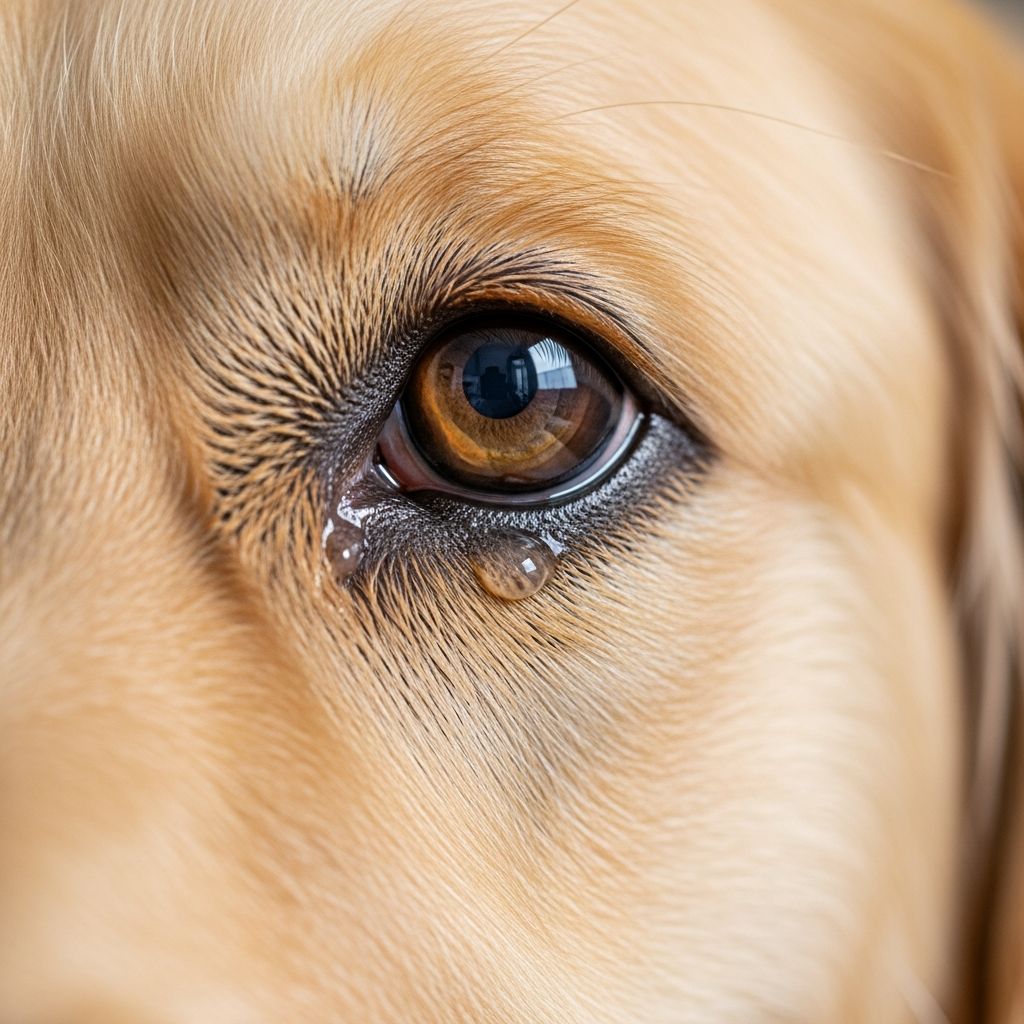
Eye discharge, often called “goopy eyes,” is a frequent concern for pet owners of dogs and cats. While a small amount of clear discharge is typically harmless, changes in color, consistency, or volume can point to underlying health problems. Understanding the differences between normal and abnormal discharge helps pet parents respond appropriately, preventing discomfort or vision loss in their companions.
Understanding Normal vs. Abnormal Pet Eye Discharge
Healthy pets produce tears to lubricate and protect their eyes, with excess draining through tear ducts. A thin, watery film or slight crust in the inner corner upon waking is normal, especially in sleepier breeds. Abnormal discharge, however, stands out by its excess, color (yellow, green, brown), thickness, or accompanying symptoms like redness or pawing.
- Normal Discharge: Clear, minimal, dries to a light crust without odor or irritation.
- Abnormal Discharge: Thick, colored, persistent, often with swelling, squinting, or rubbing.
Recognizing these distinctions early allows for timely intervention, as conditions like infections can escalate quickly.
Types of Eye Discharge and What They Indicate
Discharge varies by cause, offering clues to the issue. Here’s a breakdown:
| Type | Appearance | Common Causes | Urgency |
|---|---|---|---|
| Watery/Clear | Thin, transparent tears | Allergies, irritants, blocked ducts | Low to moderate |
| Mucoid/White | Stringy, sticky mucus | Dry eye (KCS), early infection | Moderate |
| Purulent/Yellow-Green | Thick pus-like | Bacterial infection, conjunctivitis | High |
| Rusty/Brown | Stained tears | Tear staining, porphyrin buildup | Low, cosmetic |
Yellow or green hues often signal pus from bacterial involvement, demanding prompt care to avoid corneal damage.
Primary Causes of Goopy Eyes in Dogs
Dogs, particularly brachycephalic breeds like Pugs or Bulldogs with prominent eyes, are prone to eye issues. Key culprits include:
- Allergies: Pollen, dust, or food sensitivities cause itchy, watery eyes. Dogs may rub faces on carpets.
- Conjunctivitis (Pink Eye): Inflammation from bacteria, viruses, or irritants leads to red eyes and pus. Symptoms: puffy lids, squinting.
- Dry Eye (Keratoconjunctivitis Sicca): Insufficient tear production results in sticky mucus. Risks ulcers without treatment.
- Corneal Ulcers or Trauma: Scratches from play or debris cause tearing and pain. Bloody discharge signals urgency.
- Glaucoma or Blocked Ducts: Pressure buildup or poor drainage leads to overflow. Breeds like Shih Tzus are susceptible.
Why Cats Develop Goopy Eyes
Cats often show discharge from upper respiratory issues. Common triggers:
- Feline Herpesvirus (FVR): A lifelong virus causing recurrent eye and nasal symptoms, especially in kittens or stressed cats.
- Conjunctivitis: Bacterial or viral, worsened by litter dust or smoke. Red, swollen eyes with discharge.
- Allergies and Irritants: Similar to dogs, but cats groom excessively, spreading irritation.
- Dry Eye or Ulcers: Less common but serious, often from immune issues or injury.
Cats hide pain, so subtle signs like half-closed eyes warrant attention.
Recognizing Warning Symptoms
Beyond discharge, watch for:
- Red or bloodshot sclera (eye whites).
- Swollen, crusty lids sticking shut.
- Excessive blinking, squinting, or light avoidance.
- Pawing/rubbing face, indicating itch or pain.
- Cloudy cornea, vision changes, or odor.
One affected eye suggests local trauma; both eyes point to systemic issues like allergies.
Safe Home Cleaning Techniques
Gentle cleaning prevents buildup without harm. Use:
- Saline solution or vet-approved wipes.
- Soft cloth or cotton ball, wiping from inner to outer eye.
- Avoid human products like Visine—they sting and worsen issues.
Steps: Dampen cloth with warm saline, gently wipe 2-3 times daily, dry area. Never flush without vet advice, as it spreads infection.
Professional Diagnosis and Treatments
Vets use exams like Schirmer Tear Test for dry eye or fluorescein dye for ulcers. Treatments vary:
- Antibiotics: Drops/ointments for infections.
- Artificial Tears: For dry eye, multiple times daily.
- Surgery: For blocked ducts or entropion (in-rolling lids).
- Anti-inflammatories: Steroids for allergies, cautiously to avoid ulcers.
Never self-medicate; wrong treatments exacerbate problems.
Preventing Eye Discharge Issues
Proactive steps reduce risks:
- Keep face fur trimmed around eyes.
- Use hypoallergenic litter for cats; avoid dusty types.
- Regular vet checkups, especially for breeds prone to issues.
- Control allergens: air filters, frequent cleaning.
- Protect during outdoor play with goggles for high-risk dogs.
Vaccinations prevent viral causes like distemper or herpes.
When to Rush to the Vet
Seek immediate care if:
- Green/yellow discharge persists >24 hours.
- Pain signs: whining, hiding, eye shut.
- Sudden cloudiness, bulging, or bleeding.
- No improvement after 2 days home care.
Delays risk blindness from ulcers or glaucoma.
Frequently Asked Questions (FAQs)
Is brown tear staining harmful?
No, it’s cosmetic from porphyrins in tears oxidizing on light fur. Clean regularly; address underlying epiphora.
Can I use baby wipes on pet eyes?
No—chemicals irritate. Stick to saline or vet wipes.
Why does discharge worsen seasonally?
Allergies to pollen peak in spring/summer, increasing tearing.
Do flat-faced breeds always have goopy eyes?
Often yes, due to anatomy, but monitor for infection.
Is eye discharge contagious?
Viral/bacterial yes, between pets. Isolate affected animals.
References
- Dog Eye Discharge Causes and Treatment Tips — Reed Animal Hospital. 2023. https://www.reedanimalhospital.com/blog/dog-eye-discharge-normal-vs-abnormal/
- When Should You Worry About Your Pet’s Eye Discharge? — Companion Animal Clinic Iowa. 2024. https://www.companionanimalcliniciowa.com/blog/when-should-you-worry-about-your-pets-eye-discharge
- Dog Eye Discharge Causes and Treatments — WebMD Pets. 2023-10-15. https://www.webmd.com/pets/dogs/dog-discharge-from-eye
- Understanding Cat Eye Discharge: Causes, Treatment — Berthoud Animal Hospital. 2024. https://berthoudanimalhospital.com/blog/cat-eye-discharge/
- 5 Types of Dog Eye Discharge and When To Go to the Vet — PetMD. 2024-01-20. https://www.petmd.com/dog/general-health/dog-eye-discharge
- Dog Eye Allergies vs. Infection: How to Tell the Difference — Mills Animal Hospital. 2023. https://millsanimalhospital.com/blog/dog-eye-allergies-vs-infection/
Similar Articles








Read full bio of medha deb


