

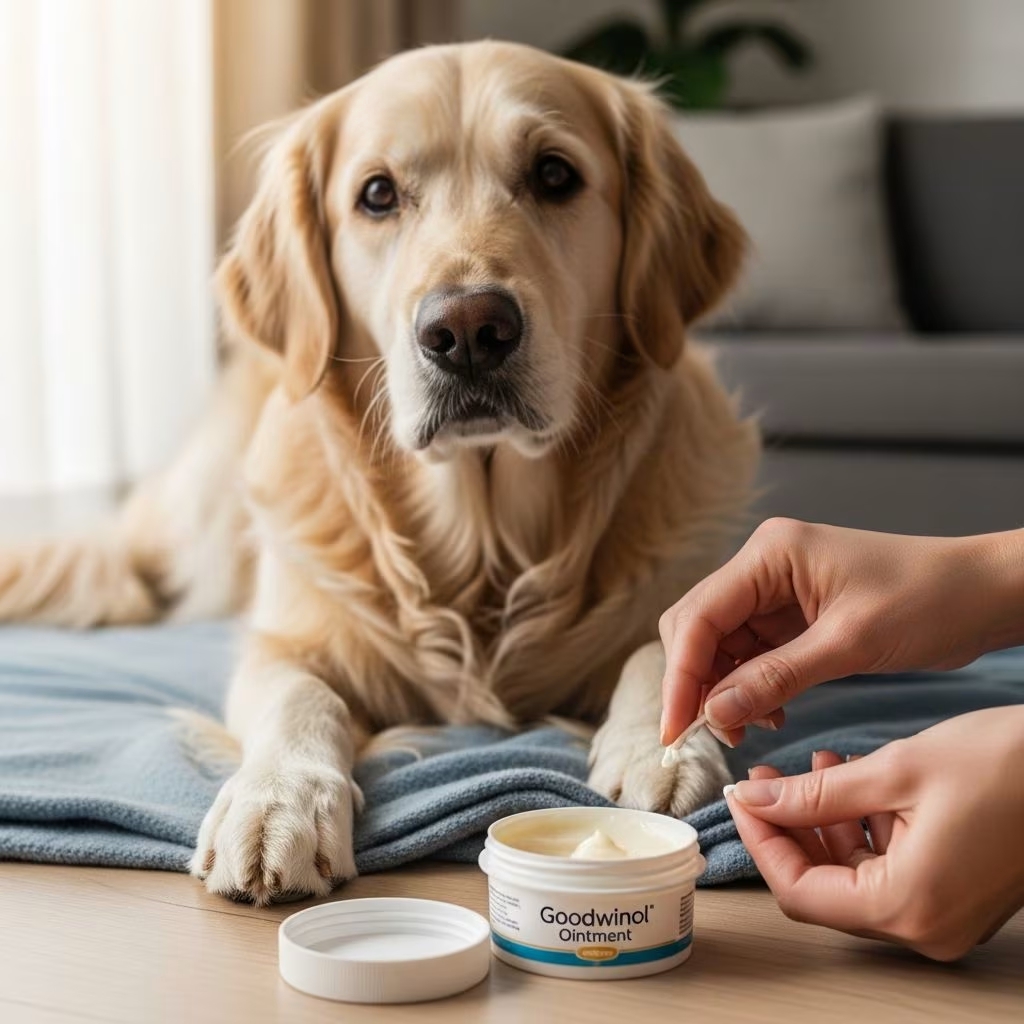
Skin problems affect countless dogs, causing discomfort, excessive scratching, and secondary infections that compromise their quality of life. Pet owners searching for effective relief often encounter numerous options, but few products offer the combination of proven efficacy and veterinary acceptance that Goodwinol Ointment provides. This comprehensive guide explores everything you need to know about using this topical treatment to address your dog’s dermatological challenges.
Understanding Canine Skin Issues and Why Treatment Matters
Dogs experience various skin conditions that stem from different causes—allergies, parasites, environmental factors, or underlying health issues. When a dog develops skin irritation, the natural response is to scratch and lick the affected area. While this provides temporary relief, constant friction and moisture create conditions for bacterial growth and fungal infections. The resulting inflammation spreads the problem beyond the original irritation, making early intervention crucial.
The vicious cycle of scratching, licking, and biting leads to hair loss, open sores, and potential systemic infections if left untreated. Pet owners need solutions that interrupt this cycle while providing genuine relief. Goodwinol Ointment addresses both immediate discomfort and underlying skin health through its multi-action formulation.
What Is Goodwinol Ointment and Its Primary Purpose
Goodwinol Ointment is a veterinary topical treatment specifically formulated for dogs experiencing non-specific skin irritations. The product gained recognition as an alternative to harsh chemical treatments and dips traditionally used for managing demodectic and follicular mange. Today, it serves as a versatile solution for multiple skin conditions beyond mange alone.
The formulation represents a gentler approach to canine dermatology, allowing pet owners to address skin problems without exposing their dogs to potentially harmful chemical compounds. Its acceptance within the veterinary community reflects its safety profile and consistent results when used as directed.
Core Active and Supporting Ingredients
The effectiveness of Goodwinol Ointment stems from its carefully selected ingredient combination, each component serving a specific therapeutic purpose.
Primary Active Component
Benzocaine functions as the ointment’s primary active ingredient, present at a concentration of not less than 1.5 percent. This topical anesthetic numbs affected skin areas, providing rapid relief from itching and pain sensations. Benzocaine works by temporarily blocking nerve signals in the localized region, allowing your dog immediate comfort while other ingredients address the underlying skin condition.
Moisturizing and Protective Base Ingredients
The ointment incorporates multiple emollient components that work synergistically:
- White petrolatum creates a water-resistant barrier preventing moisture loss from the skin surface
- Lanolin penetrates the epidermis, providing deep hydration and improving skin elasticity
- Mineral oil maintains skin suppleness and aids in ingredient absorption
- Paraffin wax contributes to the ointment’s consistency and occlusive properties
Additional Beneficial Components
Rotenone provides mild insecticidal properties, helping discourage parasites that often exacerbate skin conditions. This natural compound derived from plant sources offers pest-deterrent benefits without the toxicity concerns associated with synthetic pesticides.
The formulation also includes glyceryl stearate, PEG-100 stearate, candelilla wax, magnesium sulfate, quaternium-15, and tartaric acid, which work together to maintain product stability, consistency, and preservation while ensuring proper absorption into canine skin.
Conditions Effectively Treated
Goodwinol Ointment addresses a spectrum of canine dermatological concerns, making it valuable for various situations pet owners encounter.
- Demodectic mange—the most common form, caused by Demodex mites overwhelming a compromised immune system
- Follicular mange—parasitic infection affecting hair follicles
- Hot spots—acute, painful skin inflammations from excessive licking and scratching
- Eczema and dermatitis—chronic inflammatory skin conditions
- Minor wounds and abrasions—cuts and scrapes requiring protective treatment
- Insect bite reactions—itching and inflammation from flea, mosquito, or other insect exposure
- General skin irritations—various non-specific inflammatory conditions
Mechanism of Action: How Goodwinol Works on Canine Skin
Goodwinol Ointment operates through multiple therapeutic pathways simultaneously, addressing both immediate symptoms and underlying conditions.
Upon application, benzocaine begins numbing the affected area within minutes, interrupting pain and itch signals traveling to your dog’s brain. This rapid relief prevents the urge to scratch and lick, allowing healing to begin without constant trauma to the site.
The moisturizing base ingredients penetrate the skin barrier, addressing dryness that often accompanies dermatological conditions. By restoring proper hydration levels, the ointment promotes skin cell renewal and strengthens the natural protective barrier against environmental irritants and secondary infections.
The combination of lanolin, mineral oil, and petrolatum creates an occlusive layer that shields the affected area from bacteria, fungi, and irritants while maintaining optimal moisture balance. Rotenone’s insecticidal properties work to deter parasites that might otherwise colonize the damaged skin.
With consistent daily application, inflammation reduces, redness diminishes, and the skin enters a healing phase. Most dogs show visible improvement within three to ten days, though individual results vary depending on condition severity, duration, and the dog’s overall health status.
Application Guidelines and Best Practices
Proper application maximizes Goodwinol Ointment’s therapeutic benefits while preventing common complications.
Basic Application Instructions
- Apply directly to affected skin areas once every 24 hours
- Massage the ointment gently into the skin until completely absorbed
- Ensure the application covers the entire irritated area plus a small margin of surrounding healthy skin
- For separated or discolored ointment, mix thoroughly before use
- Allow absorption time before allowing your dog to roam freely on light-colored surfaces or furniture
Preparation Considerations
Trimming or clipping hair around the affected area improves absorption and prevents matting. Clean the skin gently with lukewarm water before application, but ensure the area dries completely, as moisture interferes with proper ointment adhesion and absorption. Some pet owners find application easier when the ointment is slightly warmed, as this improves spreadability and penetration.
Duration and Monitoring
Continue daily applications as long as your veterinarian recommends, typically for at least ten days to two weeks. Monitor the condition closely, noting any improvements in inflammation, redness, hair regrowth, or reduced scratching. If no noticeable improvement occurs after ten days, consult your veterinarian to rule out alternative conditions requiring different treatment approaches.
Safety Considerations and Precautions
While Goodwinol Ointment is classified as practically non-toxic when used as directed, responsible pet owners must observe several important safety guidelines.
Preventing Accidental Eye Contact
Avoid applying ointment near the eyes, and if contact occurs, rinse immediately with clean water. The benzocaine, while safe for skin application, can cause temporary discomfort if it enters the eye.
Managing Licking Behavior
Although the ointment contains no ingredients considered toxic in small quantities, frequent licking reduces effectiveness and may cause gastrointestinal upset. Massage the product in thoroughly so it absorbs quickly, minimizing licking opportunities. For persistent lickers, use an Elizabethan collar (cone) to prevent access during and immediately after application.
Surface Staining Potential
Goodwinol Ointment may stain light-colored fur, fabrics, and household surfaces. Apply carefully to prevent inadvertent contact with clothing and furniture, and allow adequate absorption time before your dog contacts sensitive materials.
Storage and Shelf Life
Store the ointment at room temperature, away from direct sunlight and extreme heat. Check the jar’s label for expiration dates and discard expired products. If the ointment significantly changes consistency or develops an off-color, discard it rather than risk compromised efficacy or safety.
Special Populations Requiring Caution
Dogs with documented allergies, particularly sensitive skin, or previous adverse reactions to topical products warrant veterinary consultation before use. Pregnant or nursing dogs should be evaluated by a veterinarian before treatment to ensure the ointment won’t interfere with pregnancy or nursing.
Comparing Goodwinol to Alternative Treatments
| Treatment Type | Primary Mechanism | Safety Profile | Typical Duration |
|---|---|---|---|
| Goodwinol Ointment | Topical anesthetic with moisturizers | Non-toxic, gentle on skin | 3-10 days for visible results |
| Chemical dips | Parasitic elimination | Potentially harsh, requires careful handling | Multiple applications over weeks |
| Oral medications | Systemic infection/allergy treatment | Variable side effects possible | Weeks to months |
| Medicated shampoos | Antimicrobial/antifungal cleansing | Generally safe but may irritate | Repeated bathing required |
Frequently Asked Questions About Goodwinol Ointment
Can Goodwinol be used on cats or other animals?
Goodwinol Ointment is formulated specifically for dogs. While consultation with a veterinarian might provide guidance, applying dog-formulated products to cats or other species risks adverse reactions, as different animals have different skin pH levels and sensitivities.
What should I do if my dog licks excessive amounts of the ointment?
While not toxic in small quantities, persistent licking may cause gastrointestinal upset and reduces the ointment’s effectiveness on the skin. Ensure thorough absorption by massaging well, and use an Elizabethan collar if licking continues despite absorption efforts.
How quickly should I expect to see improvement?
Most dogs show visible improvement within three to ten days of consistent daily application. However, severe conditions may require two to three weeks for substantial healing. Individual variation depends on condition severity, underlying health factors, and your dog’s healing capacity.
Is Goodwinol effective on open wounds?
Yes, the ointment can be applied to minor cuts and abrasions. Ensure the wound is clean before application, and discontinue use if signs of infection develop. Deep wounds or punctures require immediate veterinary evaluation rather than at-home treatment.
Does the ointment have an expiration date?
Yes, all Goodwinol products have expiration dates listed on the packaging. Check this date before use, as expired products may have reduced efficacy or altered consistency. If the ointment appears separated with dark specks, stir well before use, but discard if problems persist.
Can I use Goodwinol for arthritis or joint pain?
No, Goodwinol’s benzocaine is a surface-acting topical anesthetic that doesn’t penetrate deeply enough to reach joint tissues or provide systemic pain relief. Consult your veterinarian about appropriate arthritis medications for your dog.
What if the ointment separates?
Separation is normal and doesn’t indicate product failure. Simply mix the ointment thoroughly before each use to redistribute ingredients evenly. If separation recurs despite mixing, the product may be nearing expiration and should be replaced.
When to Consult Your Veterinarian
While Goodwinol Ointment is suitable for at-home management of many skin conditions, certain situations require professional veterinary evaluation. Consult your veterinarian if:
- No improvement occurs after ten days of consistent daily application
- The condition worsens despite treatment
- Signs of infection develop, including pus, severe redness, or discharge
- Your dog develops signs of allergic reaction to the ointment
- The affected area spreads rapidly or involves large body surface areas
- Your dog exhibits systemic signs like fever, lethargy, or appetite loss alongside skin issues
- Your dog has a known history of medication allergies or extremely sensitive skin
Maximizing Treatment Success
Beyond proper application, several factors contribute to optimal outcomes with Goodwinol Ointment therapy. Maintain good hygiene around affected areas, preventing the accumulation of dirt and bacteria. Consider your dog’s overall health, as immune system function directly impacts healing speed. Ensure proper nutrition, stress management, and regular veterinary care support skin health from within.
Environmental factors matter too—reduce exposure to known irritants, maintain clean bedding, and minimize contact with irritating substances. Managing underlying allergies or parasitic infections improves Goodwinol’s effectiveness, as does preventing ongoing trauma to healing skin through behavioral modification or protective devices when necessary.
References
- Label: GOODWINOL- benzocaine ointment — DailyMed/National Library of Medicine. November 1, 2021. https://dailymed.nlm.nih.gov/dailymed/lookup.cfm?setid=a465c30a-55ed-4aa1-b003-bbcc219cee37
- Goodwinol Ointment for Mange of Dogs — Goodwinol Products. https://www.goodwinol.com/product-page/goodwinol-ointment-1-oz-jar
- Mange: What it is and How to Treat It — Goodwinol Products. https://www.goodwinol.com/post/mange-what-it-is-and-how-to-treat-it
- Goodwinol Ointment for Dogs – Effective Relief for Skin Irritations — Hardy Paw. https://hardypaw.com/products/goodwinol-ointment-for-dogs-skin-irritations



