

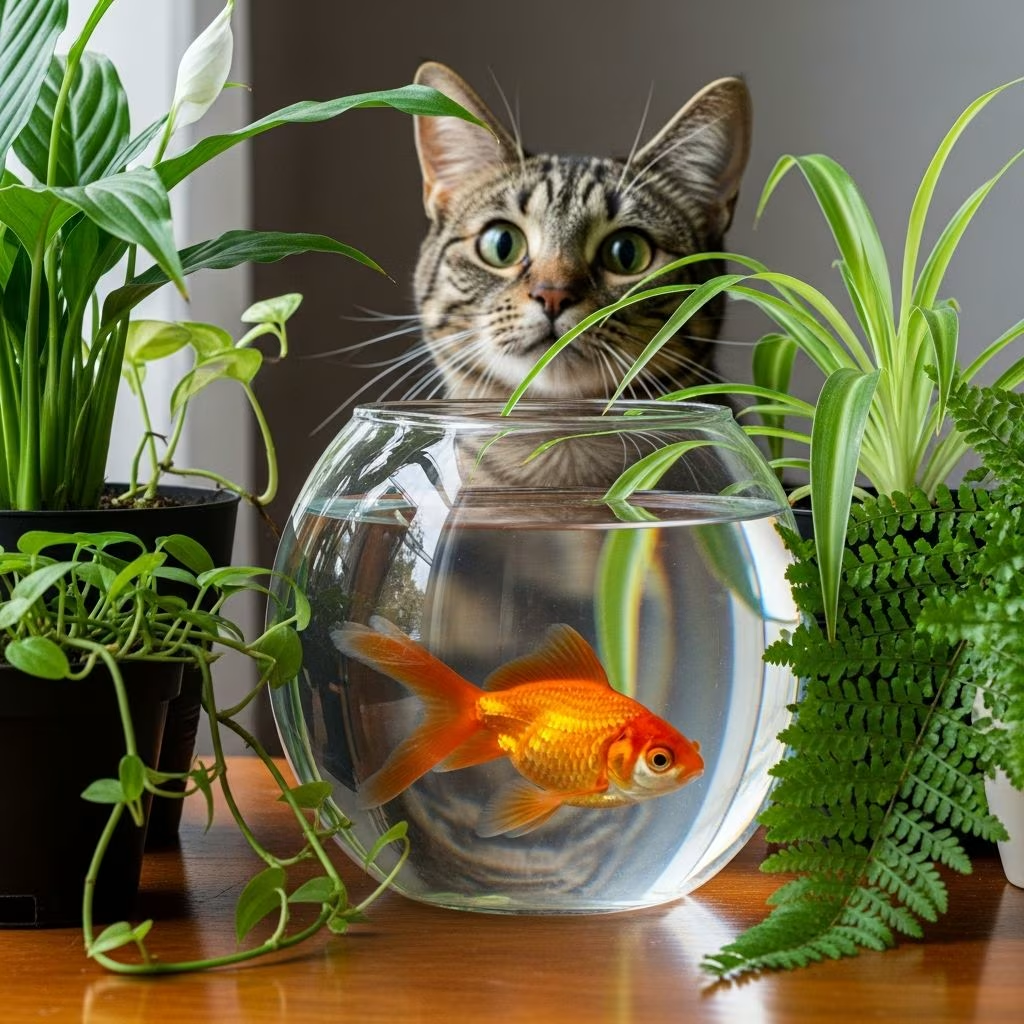
Vibrant and eye-catching, goldfish plants bring tropical flair to indoor spaces, but cat owners often wonder about their safety. These plants, with their unique fish-shaped blooms, are classified as non-toxic to cats by authoritative sources like the ASPCA, making them a relatively worry-free choice for pet households. While a nibble or two won’t cause poisoning, excessive consumption might lead to temporary digestive discomfort due to cats’ carnivorous nature.
Understanding the Goldfish Plant
Native to Central and South American rainforests, goldfish plants (primarily Columnea gloriosa or Hypocyrta nummularia) are epiphytic perennials in the Gesneriaceae family. They cling to trees or rocks without drawing nutrients from hosts, absorbing moisture and air instead. Their trailing stems, glossy dark green leaves, and pouch-like flowers in shades of orange, red, or yellow mimic swimming goldfish, blooming profusely under ideal conditions.
These plants thrive as hanging baskets or shelf-toppers, growing 2-3 feet long with proper care. They prefer bright indirect light, 65-85°F temperatures, high humidity (50-70%), and well-draining soil kept evenly moist. Fertilize monthly during growth periods with a balanced, diluted formula, and prune to encourage bushiness. In pet homes, their dangling appeal can attract playful paws, but their non-toxic status offers reassurance.
Safety Profile for Feline Friends
Multiple veterinary and pet safety resources confirm goldfish plants pose no toxic risk to cats. The ASPCA lists Hypocyrta nummularia as non-toxic to both cats and dogs, with no reported poisoning cases. Vet-reviewed sites echo this, noting that while cats may chew leaves or flowers out of curiosity, boredom, or nutritional gaps, the plant doesn’t contain harmful compounds like insoluble calcium oxalates found in true toxic species.
Potential issues stem from overindulgence: the fibrous plant material can irritate a cat’s sensitive gut, leading to mild vomiting, diarrhea, or lethargy. These symptoms typically resolve within 24-48 hours without intervention, as cats lack the enzymes to fully digest vegetation. Unlike deadly lilies or sago palms, which cause organ failure, goldfish plants rank among safer houseplant options.
| Plant Aspect | Effect on Cats | Source |
|---|---|---|
| Leaves | Mild GI upset if large amounts eaten | |
| Flowers | Non-toxic; possible drooling from texture | |
| Stems | Fibrous; may cause temporary vomiting |
Why Do Cats Chew on Plants?
- Instinctual Behavior: Wild ancestors ate grass to purge parasites or aid digestion; domestic cats retain this habit.
- Boredom or Play: Trailing foliage mimics prey, inviting swats and bites.
- Nutritional Needs: Fiber shortages from poor diets prompt plant-munching; excess treats exacerbate this.
- Exploration: New textures and scents draw investigative nibbles.
Addressing root causes prevents escalation. Offer high-quality, fiber-rich cat food and rotate toys to curb boredom.
Cultivating Goldfish Plants in Cat Households
To enjoy these beauties without feline interference:
- Place in high-hanging macramé or wall-mounted planters beyond jump range.
- Maintain 60-70% humidity via pebble trays or humidifiers—avoid direct cat access.
- Rotate for even light exposure: east/west windows ideal, supplementing with grow lights in low-light homes.
- Water from the bottom to keep foliage dry, reducing appeal to wet-paw enthusiasts.
Propagate via stem cuttings in spring for more plants, sharing with fellow pet owners. Watch for pests like aphids, treating with neem oil sprays safe around cats when dry.
Proven Deterrents for Persistent Plant Munchers
Stubborn cats require creative strategies:
- Physical Barriers: Use overturned chairs, aluminum foil bases (crinkly sound deters), or enclosed terrariums repurposed as display cases.
- Safe Alternatives: Grow cat grass (wheatgrass or oat sprouts) in accessible pots—refreshes every 7-10 days and satisfies chewing urges.
- Scent Repellents: Spray citrus, eucalyptus, or bitter apple solutions on leaves; reapply after watering. Natural and non-toxic.
- Environmental Enrichment: Add scratching posts, puzzle feeders, and window perches to redirect energy.
For multi-cat homes, observe which feline is the culprit via pet cams and tailor interventions.
Symptoms to Monitor and When to Call the Vet
Post-nibble vigilance is key. Watch for:
- Vomiting >2x or with blood.
- Diarrhea lasting >24 hours.
- Excessive drooling, pawing at mouth, or swallowing issues.
- Lethargy, appetite loss, or behavioral shifts.
These rarely occur with goldfish plants but warrant a vet visit to rule out other issues like allergies or blockages. Provide fresh water and withhold food briefly if mild upset appears. In severe cases, induce vomiting only under professional guidance—never at home.
Other Pet-Safe Greenery Options
Expand your collection confidently:
- Spider Plant: Air-purifying, resilient; cats may chew but no harm.
- Boston Fern: Lush and humidity-loving, similar to goldfish needs.
- Parlor Palm: Elegant, slow-growing; tolerates lower light.
- Herbs like Basil or Rosemary: Dual-purpose for kitchen and cat deterrence (in moderation).
Avoid high-risk plants: lilies, pothos, philodendrons—these cause severe irritation or worse.
FAQs
Are goldfish plants fully safe for cats to eat daily?
No, limit intake. Non-toxic per ASPCA, but routine grazing risks chronic GI issues.
How do I know if my cat’s plant-eating signals health problems?
Paired with weight loss or poor coat? Consult vet for diet tweaks or deficiencies.
Can goldfish plants survive cat-proofing measures?
Yes, thriving in hanging spots with misting; they adapt well to indoor constraints.
What if my cat ignores cat grass but loves houseplants?
Combine with deterrents like foil or relocation; persistence may need behavioral training.
Are there goldfish plant varieties more appealing to cats?
All similar, but bushier types like Columnea microphylla may deter less due to denser foliage.
Building a Harmonious Home
Balancing lush greenery and feline curiosity creates a vibrant, stress-free space. Goldfish plants exemplify safe beauty, rewarding vigilant owners with endless blooms. Prioritize observation, enrichment, and vet partnerships for thriving pets and pristine plants.
References
- Can cats get sick from nibbling on my goldfish plant? — Dial A Vet. 2023. https://www.dialavet.com/vet-answers/post/cat-eating-goldfish-plant-49703
- Are Goldfish Plants Poisonous to Cats? Vet-Reviewed Houseplants. — Catster. 2024. https://www.catster.com/cat-health-care/are-goldfish-plants-poisonous-to-cats/
- Toxic Indoor Plants and Your Pets: A Guide. — Peterborough Master Gardeners. 2025-10-27. https://peterboroughmastergardeners.com/2025/10/27/toxic-indoor-plants-and-your-pets-a-guide/
- Pet Safe Plants for Your Home and Your Table. — House Home & More. 2024. https://househomeandmore.com/blogs/news/pet-safe-plants
- Toxic and Non-toxic Plants: Gold-Fish Plant. — ASPCA Poison Control. 2025. https://www.aspca.org/pet-care/aspca-poison-control/toxic-and-non-toxic-plants/gold-fish-plant
- Goldfish Plant (Columnea species): Complete Care Guide. — Healthy Houseplants. 2024. https://www.healthyhouseplants.com/indoor-houseplants/goldfish-plant-columnea-species-complete-care-guide-growing-tips/



