

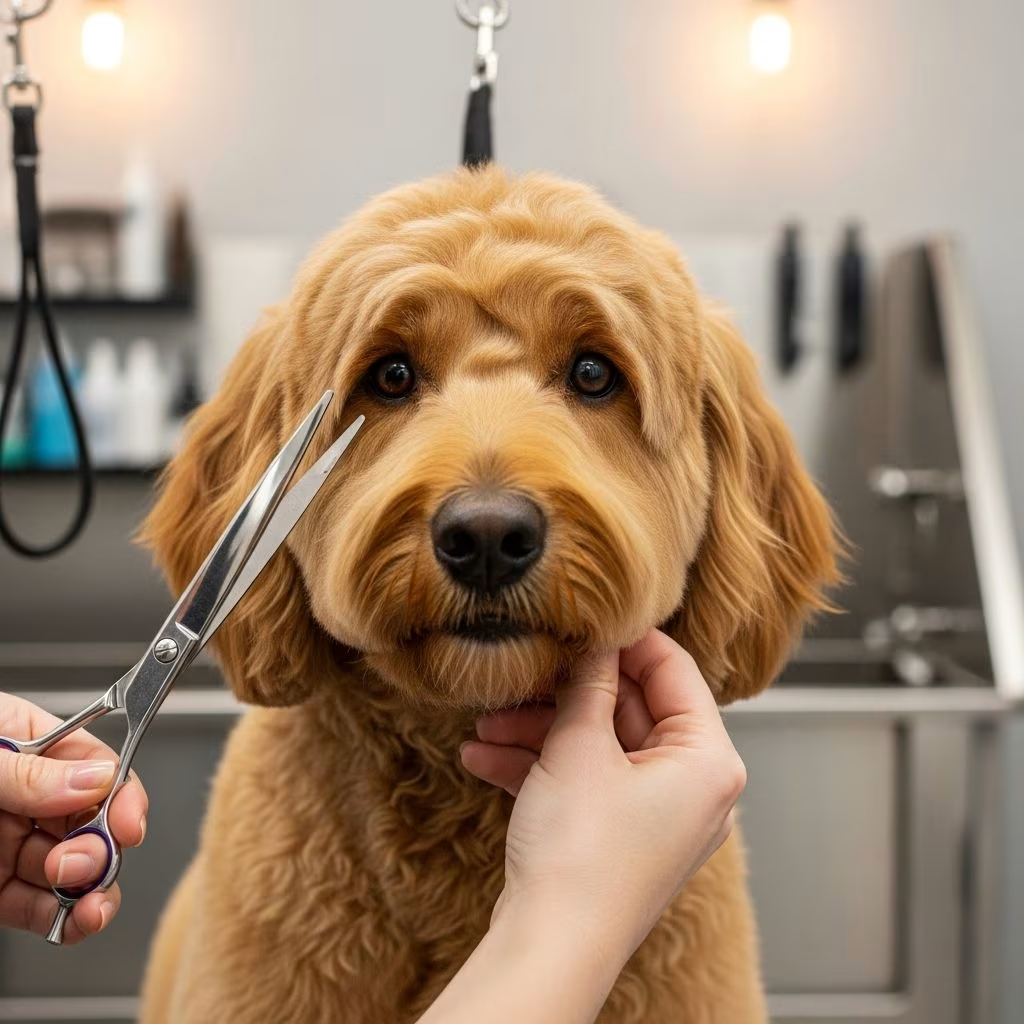
Goldendoodles possess a distinctive facial structure that requires thoughtful grooming to maintain their signature teddy bear appearance. Unlike many other dog breeds, Goldendoodles benefit from regular facial maintenance that enhances their features while promoting skin and eye health. This comprehensive guide explores the professional techniques, essential tools, and practical steps needed to groom your Goldendoodle’s face effectively at home or prepare for professional grooming sessions.
Understanding Your Goldendoodle’s Unique Facial Features
The Goldendoodle’s face combines the gentle features of Golden Retrievers with the curly coat characteristics of Standard Poodles, creating a face that can appear either sculpted or unkempt depending on grooming approach. The breed’s facial structure includes prominent eyes, a distinct muzzle, and ear placement that frames the face naturally. Understanding these anatomical characteristics helps guide grooming decisions and prevents accidentally altering the dog’s natural beauty.
The facial hair grows in multiple directions, with longer strands typically appearing around the muzzle, between the eyes, and along the cheeks. This multidirectional growth pattern requires specific trimming techniques to achieve balance and symmetry. Additionally, the hair around the eyes and muzzle tends to collect moisture and debris more readily than body hair, making regular maintenance essential for both aesthetics and hygiene.
Essential Tools and Equipment for Face Trimming
Proper tools make the difference between professional-looking results and frustrating grooming sessions. Investing in quality equipment ensures clean cuts, reduces discomfort for your dog, and enables precision work that defines facial features effectively.
- Thinning shears: These specialized scissors feature one serrated blade and one smooth blade, allowing you to remove excess hair while maintaining length and creating soft, blended transitions between different hair lengths.
- Curved scissors: Designed specifically for facial work, curved scissors conform to the contours of your dog’s head and enable rounded, natural-looking trims around the eyes and cheeks.
- Straight scissors: These conventional grooming shears provide clean, precise cuts and work well for establishing defined lines along the muzzle and beard area.
- Wide-tooth comb: Essential for detangling and directing hair before cutting, a quality comb prevents pulling and allows you to assess hair length and growth direction accurately.
- Fine-tooth comb: Useful for smoothing the coat after trimming and checking for any uneven sections that need additional blending.
- Clippers with appropriate guards: For sanitary trimming and initial shaping, clippers with proper blade sizes (typically 40 blades with 3/8-inch comb attachments) enable efficient removal of excess hair without cutting too close to the skin.
- Grooming table or mat: A non-slip surface keeps your dog steady during grooming and protects your back from strain during extended grooming sessions.
Preparing Your Goldendoodle for Facial Grooming
Preparation significantly impacts grooming success and your dog’s comfort throughout the process. Begin by thoroughly brushing your Goldendoodle’s entire face and head, working through any tangles or mats with gentle, patient strokes. Matted hair interferes with scissor work and can hide skin irritations, so complete detangling before any trimming occurs.
A pre-grooming bath helps soften the coat and wash away dirt and debris that can dull clippers and scissors. However, allow the coat to dry completely before trimming; wet hair appears longer than its actual length and can lead to unintentional over-trimming. Many professional groomers recommend a light fluff-dry after bathing, which also helps separate the coat and make trimming easier.
Before beginning any facial work, ensure your dog is calm and comfortable. Position your dog at appropriate height on a grooming table or comfortable surface where you can work without straining. Have your dog face you directly or position them so you can easily access both sides of the face. Practice moving your dog’s head gently to get them accustomed to the process, making the actual grooming session less stressful.
The Eye Area: Creating Clear Vision and Definition
Eyes represent the most prominent facial feature on Goldendoodles, and proper grooming in this area is crucial for both vision and appearance. The hair between the eyes often grows thicker and can obstruct vision if left untrimmed. Additionally, hair that falls into the eyes causes discomfort and encourages eye-watering, which can lead to staining around the eye area.
Begin by combing the hair between the eyes straight upward and forward. Using thinning shears, carefully remove excess hair between the eyes, working inward from the brow area. The goal is to create a clear window between the eyes without creating an obvious bare spot. Take small amounts of hair with each snip rather than attempting large cuts; this approach gives you better control and prevents accidentally over-trimming.
For the eyebrow area, comb the hair forward as if it were bangs. Using curved scissors, trim just enough to maintain a natural, soft appearance while keeping the hair out of the eye line. Many Goldendoodles develop a characteristic “teddy bear” expression with gentle, rounded eyebrows; preserve this natural look rather than creating sharp or geometric lines.
The inner corner of each eye requires special attention. Hair here tends to grow inward and can irritate the eye or accumulate tear stains. Carefully trim any hair pointing toward the eye, ensuring you never clip too close to the eye itself. Always err on the side of caution in this delicate area; you can always trim more hair later if needed.
Shaping the Beard and Muzzle Area
The beard and muzzle represent the defining characteristics of a well-groomed Goldendoodle face. This area requires careful shaping to create a balanced, attractive appearance that complements your dog’s natural facial structure. The process involves several distinct steps that work together to create a cohesive look.
Begin by combing all beard hair downward and slightly forward. The beard should frame the muzzle naturally without completely obscuring the dog’s mouth or chin. Establish a line running from the outer corners of the eyes down toward the mouth area; this imaginary line guides your trimming and helps maintain symmetry.
Using straight scissors, carefully trim the underside of the muzzle, working from the back toward the front. Create a clean line that follows the natural contour of your dog’s jaw. The muzzle should taper slightly, appearing narrower at the nose than at the base. This subtle taper enhances facial definition and creates the characteristic Doodle appearance.
The sides of the muzzle require blending to create smooth transitions between the beard and cheek areas. Use thinning shears to soften any harsh lines created by initial trimming. Work slowly, making multiple small cuts rather than removing large amounts of hair at once. Step back frequently to assess symmetry and overall balance.
If the beard appears thick or unruly, thinning shears help reduce bulk while maintaining length. This technique prevents the beard from appearing matted or unkempt while preserving the soft, flowing appearance characteristic of the breed. Comb through the beard frequently during this process to check your progress.
Ear Framing and Cheek Contouring
The ears frame the Goldendoodle’s face significantly, and grooming this area affects overall facial aesthetics. The hair around and near the ears requires careful handling to create definition without disrupting the natural ear set.
Begin by combing the ear area gently, protecting the ear leather with your fingers. Trim hair straight down below your fingers, then round the edges using curved scissors. This technique prevents hair from growing into the ear canal while creating a neat, finished appearance. Ensure symmetry by trimming both ears identically.
The hair extending from the ear into the cheek area should blend smoothly into the overall facial shape. Comb this hair forward and use chunking scissors to blend longer hair around the cheeks. The goal is to create gentle contours that follow your dog’s facial structure rather than creating obvious, geometric lines.
For dogs with fuller faces, subtle cheek contouring can enhance facial definition. Use thinning shears to soften the appearance along the cheeks without creating obvious trimmed areas. This delicate work requires patience and multiple small adjustments rather than aggressive trimming.
Head Structure and Crown Grooming
The top of the head, or crown, connects the facial grooming to the overall body groom. Proper crown work creates visual balance and frames the face attractively. The crown should appear rounded and natural rather than sculpted or severely trimmed.
Start at the back of the head, running clippers or scissors back and then forward over the head toward the face. Trim over the eyes carefully, ensuring symmetry between sides. Remove hair from the ear corners into the side of the neck to prevent matting in this difficult-to-brush area.
Comb hair forward and use chunking scissors to blend longer hair around the head. The goal is to create a smooth, cohesive appearance where the facial hair transitions naturally into the crown. Avoid creating obvious demarcation lines between different grooming areas.
Achieving Symmetry and Balance
Facial symmetry dramatically impacts grooming appearance, yet maintaining perfect symmetry challenges even experienced groomers. Implement systematic checks throughout the grooming process to catch asymmetries before they become pronounced.
After completing one side of the face, step back and compare it to the other side before proceeding. The eyes should appear equidistant from the muzzle, and beard length should match on both sides. The ears should frame the face equally, and overall facial outline should appear balanced.
Use your comb as a guide for length and direction. When assessing symmetry, view your dog from multiple angles: directly from the front, from both sides, and at slight angles. This multidirectional assessment reveals asymmetries that might not be obvious from a single viewing angle.
If you discover asymmetry after trimming, make small corrective cuts rather than attempting dramatic fixes. It’s easier to remove more hair than to replace hair you’ve over-trimmed, so conservative cutting becomes the safer approach when making corrections.
Common Facial Grooming Challenges and Solutions
| Challenge | Cause | Solution |
|---|---|---|
| Tear staining around eyes | Hair irritating eyes or moisture trapped against skin | Trim hair carefully from inner eye corners and under-eye area; ensure vision is clear and hair doesn’t fall into eyes |
| Matting under eyes and muzzle | Moisture from tears and saliva combined with insufficient brushing | Brush this area daily; consider regular trimming to reduce hair density in high-moisture areas |
| Uneven beard appearance | Hair growing in different directions or unequal trimming | Comb thoroughly before trimming; use thinning shears to blend; make multiple small adjustments |
| Harsh lines instead of soft blending | Using only straight scissors without thinning shears | Follow straight scissor work with thinning shears to soften transitions between different lengths |
| Asymmetrical face | Not comparing sides frequently during grooming | Stop every few minutes to assess symmetry; make small corrections as you work |
Maintenance Between Professional Grooming Sessions
Facial hair grows continuously, and maintenance between professional grooming sessions keeps your Goldendoodle looking polished. Daily brushing prevents matting and allows you to catch tangles before they become problems. A light brush-through of the face takes just a few minutes each day but dramatically extends the grooming appointment results.
Trim stray hairs around the eyes as needed using thinning shears. This simple maintenance task prevents hair from falling into the eyes and reduces tear staining. Many owners find that a quick trim every two to three weeks keeps the facial area neat between professional appointments.
Clean the beard area daily with a damp cloth, especially after meals. This prevents food and saliva from accumulating and helps maintain the beard’s appearance. Some owners find using a beard conditioner helps reduce tangles and keeps this area looking soft and groomed.
When to Seek Professional Grooming Services
While home facial grooming is achievable for many owners, professional groomers possess specialized training and experience that create exceptional results. Professional groomers understand various coat types, recognize health issues that might affect grooming decisions, and execute complex styling that enhances your individual dog’s unique features.
Consider professional grooming if you feel uncertain about your trimming skills, if your dog has particularly dense or curly facial hair, or if you want to explore specific facial styling options. Professional appointments typically occur every four to six weeks, with home maintenance filling the gap between sessions.
Frequently Asked Questions
How often should I trim my Goldendoodle’s face?
Most Goldendoodles require facial trimming every four to six weeks, though some may need attention every three weeks depending on hair growth rate and your preferred appearance. Daily maintenance brushing helps extend the time between trims.
Can I use regular hair scissors for dog grooming?
Grooming-specific scissors are recommended because they’re sharper, designed ergonomically for this work, and less likely to pull hair. Human hair scissors may snag or tear the dog’s hair, creating an unpolished appearance.
What’s the difference between thinning shears and regular scissors?
Thinning shears remove hair while maintaining overall length, creating soft, blended transitions. Regular scissors cut hair bluntly, which can create obvious lines. Using both types together creates professional-looking results.
Is facial grooming painful for dogs?
Proper grooming shouldn’t cause pain, though some dogs feel sensitive about facial handling. Positive reinforcement, gentle technique, and taking breaks during longer sessions help your dog remain comfortable and cooperative.
How do I prevent my Goldendoodle’s eyes from tearing after grooming?
Tears often result from hair irritating eyes or being trimmed too short. Ensure the eye area has clear vision but retains protective hair. If tear staining persists, consult your veterinarian to rule out underlying eye issues.
References
- Goldendoodle Grooming: All You Need to Know — Kontota. 2024. https://kontota.com/goldendoodle-grooming-all-you-need-to-know/
- How To Trim A Goldendoodle’s Face — Pupwell (YouTube). 2023. https://www.youtube.com/watch?v=uKFp6c7KHOo
- Doodle Teddy Bear Face Grooming Demo — Dog Grooming Studio (YouTube). 2023. https://www.youtube.com/watch?v=mYz4YdKNrHo
- EASY GoldenDoodle HEAD TRIM for the BEGINNER — YouTube. 2023. https://www.youtube.com/watch?v=jOAGUc6lNR8



