

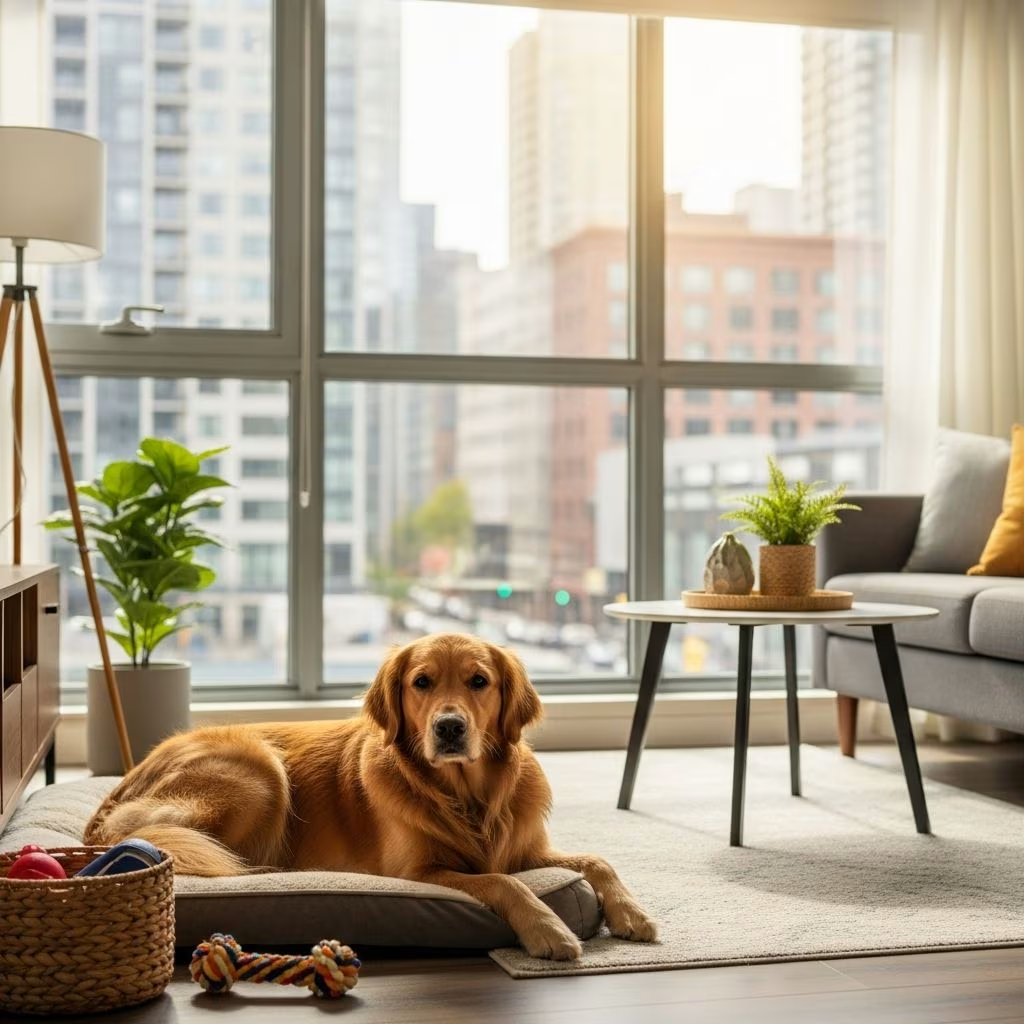
Urban living has transformed how families approach pet ownership. For those contemplating bringing a Golden Retriever into a compact living environment, fundamental questions arise regarding feasibility and the quality of life such an arrangement would provide. The reality is more nuanced than a simple yes or no answer, requiring careful consideration of the breed’s characteristics and strategic planning to ensure both canine welfare and harmonious living with neighbors.
Understanding Golden Retrievers as a Breed
Golden Retrievers represent one of America’s most beloved dog breeds, known for their gentle temperament and intelligence. These dogs typically weigh between 55 to 75 pounds and stand 20 to 24 inches tall, placing them firmly in the medium-to-large size category. Their physical stature often serves as the first consideration when evaluating apartment suitability.
Beyond their physical dimensions, Golden Retrievers exhibit distinctive behavioral traits that influence their apartment compatibility. They possess naturally calm dispositions and rarely develop excessive barking habits, which presents a significant advantage in shared residential spaces. Their friendly nature and non-aggressive temperament make them exceptional family companions, though these same traits create emotional dependencies on human interaction.
The Feasibility Question: Can They Adapt?
The straightforward answer is affirmative—Golden Retrievers can successfully inhabit apartment spaces. However, this possibility hinges entirely on providing comprehensive environmental management and meeting specific breed requirements. The distinction between mere survival in an apartment and genuine thriving depends on deliberate planning and commitment from the owner.
Success in apartment living with a Golden Retriever requires understanding that while these dogs can physically exist in smaller spaces, their psychological and physiological needs demand particular attention. Creating an apartment environment that supports their well-being involves addressing multiple dimensions simultaneously rather than treating any single factor as isolated.
Physical Space Considerations and Layout Optimization
The available square footage in an apartment directly influences a Golden Retriever’s comfort level. While these dogs can adapt to limited space, ensuring adequate room for movement, play, and rest remains essential. Strategic furniture arrangement can maximize usable floor space, creating distinct zones for different activities.
Implementing space-efficient solutions transforms compact apartments into functional homes for larger dogs. Multi-purpose furniture pieces serve dual functions, reducing clutter while maintaining comfort for both humans and pets. Designated sleeping areas should remain separate from activity zones, establishing clear environmental boundaries that help dogs understand their space.
Balcony safety represents a critical consideration for apartment dwellers. Installing secure barriers prevents accidental falls or escape attempts, protecting your dog from potential injury. Ensuring railings are sturdy and gaps are adequately sealed demonstrates responsible apartment pet ownership.
Exercise Requirements and Daily Activity Patterns
Golden Retrievers are inherently energetic animals requiring substantial daily exercise to maintain physical health and psychological balance. These dogs need consistent movement opportunities, ideally including two lengthy walks daily plus interactive play sessions. Limited apartment space necessitates external exercise solutions rather than relying on indoor movement alone.
Establishing a structured exercise routine creates stability in the dog’s daily life while meeting essential activity needs. Morning and evening walks should exceed mere bathroom breaks, incorporating time for exploration, mental engagement, and physical exertion. Parks and dog-friendly spaces become extension areas for apartment living, providing the expansive movement opportunities apartments cannot offer.
Interactive play sessions within the apartment complement external exercise. Games that engage both physical and mental capabilities prevent boredom and destructive behavior. Fetch games in hallways, tug-of-war, and obstacle courses utilize limited space creatively while satisfying play instincts.
Behavioral Management and Noise Considerations
While Golden Retrievers are not excessive barkers by nature, apartment living introduces acoustic considerations that require proactive management. Socialization and training help minimize stress-induced vocalizations that might disturb neighbors. Exposing dogs to apartment-specific stimuli—elevator sounds, hallway activities, neighboring pets—helps them develop appropriate responses.
Building positive relationships with neighbors establishes community support for your pet arrangement. Communicating transparently about your dog’s presence, establishing reasonable guidelines for activity times, and demonstrating responsible ownership create an atmosphere of mutual respect. When neighbors understand your commitment to managing your pet appropriately, tolerance increases significantly.
Training reinforcement tailored to apartment living teaches dogs acceptable behavior in shared spaces. Commands for quiet moments, appropriate responses to unfamiliar sounds, and controlled greeting behavior when encountering neighbors all contribute to harmonious coexistence.
Managing Shedding and Hygiene Challenges
Golden Retrievers are renowned for significant shedding, particularly during seasonal coat changes. Their thick double coats shed substantially, requiring proactive management to maintain apartment cleanliness and air quality. Regular brushing—at minimum twice weekly—captures loose hair before it distributes throughout living spaces.
Professional grooming appointments complement home maintenance routines, providing deep cleaning that home brushing cannot achieve. These sessions reduce overall shedding volume and help maintain coat health. Regular bathing, approximately every four to six weeks, supports skin health and reduces odor issues that can accumulate in enclosed spaces.
Investing in quality vacuum equipment and air filtration systems becomes practical rather than optional in apartment settings. HEPA filters trap fine hair particles, improving indoor air quality for both human and canine residents. Strategic furniture placement and easy-clean flooring choices minimize the visual impact of inevitable shedding.
Socialization and Companionship Requirements
Golden Retrievers thrive on human companionship and display distress when left alone for extended periods. Their social nature means prolonged isolation conflicts with their fundamental temperament and emotional needs. Apartment residents who maintain demanding work schedules face particular challenges meeting this requirement.
Alternative arrangements become necessary for individuals unable to provide constant presence. Professional dog walkers, pet sitting services, and doggy daycare facilities fulfill social interaction needs during owner absence. These services prevent destructive behavior resulting from boredom and anxiety while providing enrichment activities dogs need for psychological well-being.
Peer interaction with other dogs offers specialized social benefits beyond human companionship. Dog parks and playdate arrangements allow Golden Retrievers to engage in species-appropriate social behaviors, reducing behavioral problems in apartment settings.
Establishing Consistent Routines and Structure
Dogs inherently respond positively to predictable patterns and consistent scheduling. Creating regular routines for feeding, walking, play, and rest periods establishes security within the apartment environment. Consistency reduces anxiety and behavioral problems stemming from uncertainty about daily expectations.
Designated feeding times signal routine to dogs, preventing food-related stress behaviors. Scheduled walk times create anticipation and structure throughout the day. Rest periods separate from activity windows help dogs maintain appropriate sleep patterns essential for emotional regulation.
Routine also benefits owners by establishing manageable patterns that accommodate apartment living constraints. Predictable schedules facilitate planning external activities, coordinating with pet care services, and managing household logistics around pet needs.
Bathroom Management and Potty Training Strategies
Apartment living introduces unique bathroom management challenges since immediate outdoor access is unavailable. Establishing reliable potty training routines with consistent outdoor bathroom opportunities remains essential. Taking dogs outside at predictable times—upon waking, before bedtime, and between meals—establishes clear bathroom patterns.
Positive reinforcement when dogs eliminate outdoors creates strong behavioral associations. Treats and praise immediately following successful bathroom breaks motivate continued appropriate behavior. Consistency in timing and location strengthens these learned patterns.
Emergency indoor solutions, such as designated grass patches or absorbent pads, provide backup options during inclement weather or unexpected circumstances. These alternatives should not replace regular outdoor bathroom opportunities but serve as supplementary solutions for genuine emergencies.
Mental Stimulation and Cognitive Enrichment
Beyond physical exercise, Golden Retrievers require mental challenges to prevent boredom and behavioral problems. Cognitive enrichment through training sessions, puzzle toys, and interactive games engages their intelligent minds while strengthening human-dog bonds.
Training sessions provide dual benefits of mental stimulation and behavioral reinforcement. Teaching commands, tricks, or advanced behaviors challenges dogs cognitively while improving apartment compatibility. Regular training maintains mental sharpness and reinforces appropriate behavioral patterns.
Puzzle toys and interactive feeding systems transform ordinary meals into problem-solving opportunities. Rotating toy selections prevents habituation, maintaining novelty and engagement. Kong toys, snuffle mats, and treat-dispensing puzzles occupy dogs during alone time, channeling mental energy productively.
Environmental Safety and Hazard Prevention
Apartment-specific hazards require systematic identification and mitigation. Securing trash containers prevents access to potentially harmful materials. Storing medications, cleaning supplies, and hazardous substances in locked cabinets eliminates accidental poisoning risks.
Electrical cord management prevents chewing hazards and electrocution risks. Small confined spaces where dogs might become trapped should be blocked, ensuring safe movement throughout the apartment. Houseplants potentially toxic to dogs should be removed or positioned beyond reach.
Stair safety deserves particular attention, as Golden Retrievers occasionally experience joint stress from repeated stair climbing. Minimizing unnecessary stair usage protects joint health, particularly important as dogs age.
Practical Tips for Apartment Success
- Develop regular walking schedules incorporating morning, afternoon, and evening outings for exercise, bathroom breaks, and mental stimulation
- Invest in quality grooming supplies and establish weekly brushing routines to manage shedding effectively
- Create designated pet areas with comfortable bedding, establishing psychological space within shared living environments
- Arrange professional dog care services when extended absences are unavoidable, preventing behavioral problems from isolation
- Install baby gates or barriers to restrict access to hazardous areas while maximizing safe play space
- Use noise-dampening rugs and strategic furniture placement to reduce sound transmission to neighboring units
- Schedule regular veterinary check-ups to monitor health issues potentially exacerbated by apartment living
- Maintain positive relationships with building management and neighbors through transparent communication about pet presence
Frequently Asked Questions
Do Golden Retrievers bark excessively in apartments?
Golden Retrievers are not excessive barkers by breed standard, making them relatively quiet compared to other breeds. Excessive vocalization typically develops from boredom, anxiety, or inadequate exercise rather than inherent breed tendencies. Proper training, adequate exercise, and mental stimulation minimize barking issues in apartment settings.
How much daily exercise do apartment-dwelling Golden Retrievers need?
Golden Retrievers require at least 30 to 60 minutes of vigorous exercise daily, ideally split between multiple sessions. Apartment residents should plan for two substantial walks plus interactive play sessions. Without adequate exercise, these active dogs develop behavioral problems and physical health issues.
Will Golden Retriever shedding damage apartment conditions?
Regular grooming and cleaning protocols manage shedding effectively in apartments. Weekly brushing removes loose hair before it distributes throughout the space. Professional grooming every 6 to 8 weeks provides deeper cleaning. Quality vacuum equipment and air filtration systems maintain apartment conditions despite shedding.
Are Golden Retrievers suitable for apartment living with children?
Yes, Golden Retrievers are excellent family pets, particularly with children. Their gentle temperament, patience, and playful nature make them ideal companions for households with young people. Adequate space, exercise, and supervision ensure positive family dynamics in apartment settings.
What apartment size is appropriate for a Golden Retriever?
While minimum size requirements vary, apartments offering at least 750 to 1,000 square feet provide more comfortable living for Golden Retrievers. However, smaller apartments can work with committed owners who provide abundant external exercise and environmental enrichment.
Conclusion: Making the Decision
Golden Retrievers can successfully live in apartments when owners commit to comprehensive care addressing exercise, socialization, environmental management, and enrichment needs. This arrangement requires more planning and intentional effort than suburban or rural living, but rewards dedicated apartment owners with loving, loyal companions.
The success of apartment living with a Golden Retriever depends less on the apartment itself and more on the owner’s dedication to meeting the breed’s specific requirements. Prospective owners must honestly assess their capacity to provide sufficient exercise, companionship, and attention before bringing a Golden Retriever into an apartment home. When these commitments align with owner capabilities, apartment living can provide a fulfilling lifestyle for both human and canine residents.
References
- Can Golden Retrievers Live in an Apartment? Apartment Dogs — Shallowford Animal Hospital. https://shallowfordvet.com/can-golden-retrievers-live-in-apartments/
- Can Golden Retrievers Live in an Apartment? – YouTube — Retriever Care. May 11, 2021. https://www.youtube.com/watch?v=XqK0cV-9IMI
- Golden Retriever Pros & Cons: Is one right for you? — My Golden Retriever Puppies. https://www.mygoldenretrieverpuppies.com/blog/golden-retriever-pros-cons



