Golden Retriever Puppy Essentials: Complete Buying Guide
Everything you need to know before bringing home your new Golden Retriever puppy.
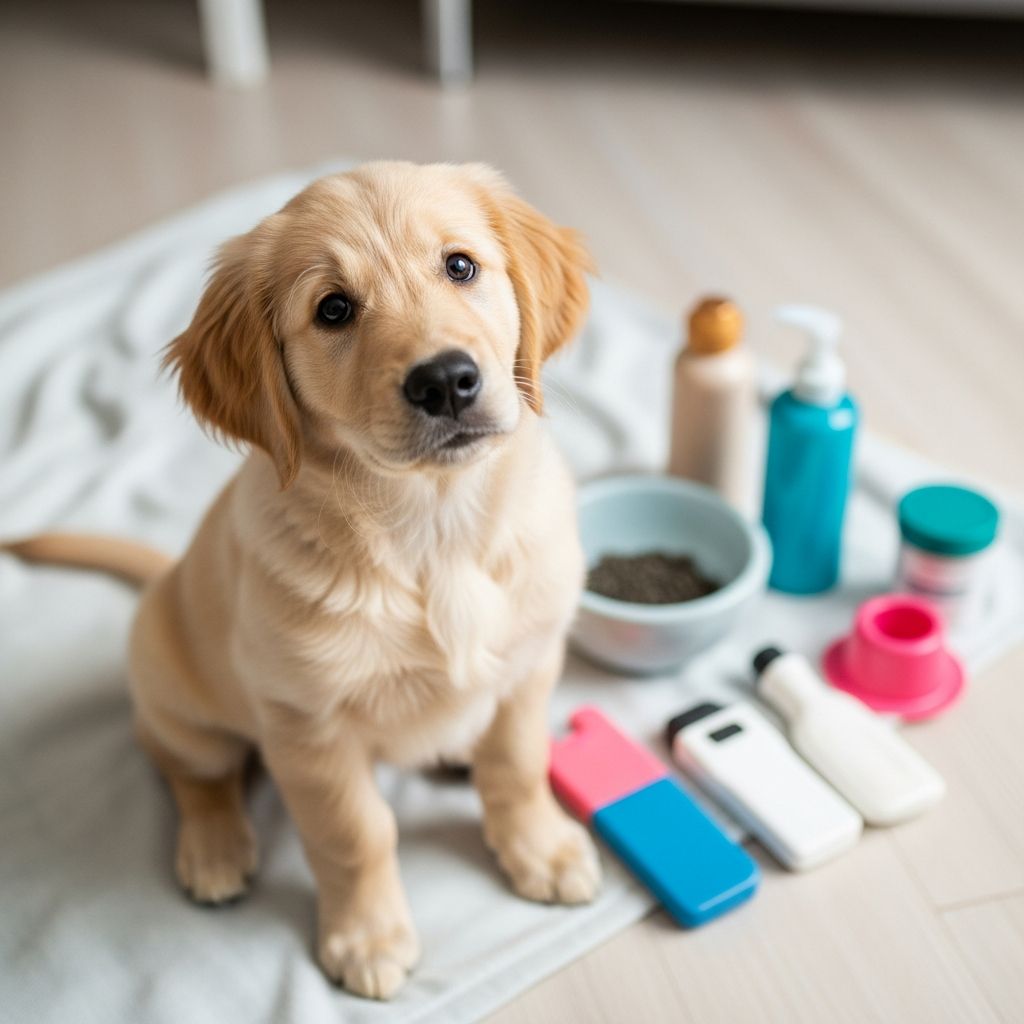
Golden Retriever Puppy Essentials: Everything You Need to Know
Bringing home a Golden Retriever puppy is an exciting and rewarding experience, but it requires careful preparation and planning. Whether you’re a first-time dog owner or adding to your canine family, understanding what essentials you’ll need ensures a smooth transition for both you and your new furry companion. Golden Retrievers are known for their friendly, intelligent, and energetic nature, making them one of America’s most beloved dog breeds. However, their care requirements are unique, particularly during the critical puppy stage.
This comprehensive guide walks you through everything you need to prepare for your new Golden Retriever puppy, from basic supplies to training considerations, grooming needs, and health essentials. By following this roadmap, you’ll create a nurturing environment that supports your puppy’s healthy development and helps establish a strong bond from day one.
Essential Supplies for Your New Puppy
Food and Water Bowls
Selecting the right food and water bowls is more important than many first-time puppy owners realize. Stainless steel or ceramic bowls are your best options, offering durability, easy cleaning, and freedom from harmful chemicals that can leach into your puppy’s food and water. Avoid plastic bowls, which can harbor bacteria and may cause allergic reactions in some dogs.
Consider investing in slow-feeder bowls, which can slow your dog’s eating by up to 10 times and aid digestion. These specially designed bowls help prevent common issues like gagging, choking, vomiting, indigestion, and bloat, which can be particularly problematic in large-breed puppies like Golden Retrievers.
High-Quality Puppy Food
Nutrition forms the foundation of your Golden Retriever puppy’s health and development. Choose a veterinarian-recommended brand specifically formulated for large-breed puppies, as these formulations are carefully balanced to support healthy growth without promoting excessive growth that can stress developing bones and joints. Large-breed puppies have different nutritional requirements than small-breed puppies, making breed-specific formulas essential.
Your veterinarian can recommend specific brands based on your puppy’s individual needs and any dietary sensitivities. Puppies typically require three to four meals daily, so investing in quality food is an investment in your puppy’s long-term health. Store opened food in airtight containers to maintain freshness and measure portions accurately using a proper measuring cup.
Crate and Bedding
A properly sized crate serves multiple purposes: it provides a safe den-like space where your puppy can rest, assists with house training, and keeps your puppy secure when you cannot supervise them directly. The crate should be large enough for your puppy to stand up, turn around, and lie down comfortably, but not so large that they can eliminate waste in one corner and sleep in another, which defeats the house-training purpose.
Include soft, washable bedding in the crate to create a comfortable resting spot. As your puppy grows—Golden Retriever puppies typically weigh between 12 to 22 pounds at 8-12 weeks old—you may need to upgrade to a larger crate to accommodate their rapid growth.
Collar, Leash, and ID Tag
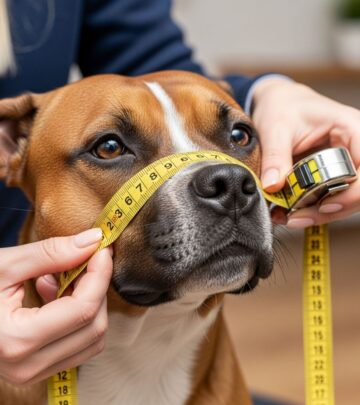
Ensure your puppy is secure and identifiable from day one by investing in a properly fitting collar, quality leash, and ID tag with your contact information. Most Golden Retriever puppies will need a size small collar initially. A harness is also an excellent training tool for puppies who haven’t yet mastered leash walking, as it helps prevent tangling and reduces pressure on the trachea.
Toys and Chew Items
Puppies are natural chewers, particularly during the teething phase. Providing durable, age-appropriate chew toys serves multiple purposes: they help save your furniture from destruction, promote dental health by keeping gums and teeth clean, provide mental stimulation, and can serve as comfort items that help curb anxiety. Include a variety of toys, such as rope toys, balls, plush toys, and interactive toys like Kongs that can be stuffed with treats or food.
Grooming Supplies
Golden Retrievers have distinctive thick, double coats that require regular maintenance from puppyhood. Essential grooming supplies include a slicker brush with fine, wire-angled teeth that remove tangles and mats, a metal comb, and an undercoat rake to remove loose hair from both coat layers. Daily brushing keeps your puppy’s coat comfortable, shiny, and tangle-free while reducing shedding.
Additional grooming supplies include quality shampoo and conditioner, nail clippers, and a brush for routine maintenance. Starting grooming routines early helps your puppy become accustomed to handling, making future grooming and veterinary visits much easier.
Training and Behavioral Essentials
House Training Supplies
House training is a critical aspect of puppy care that requires patience and consistency. Stock up on enzymatic pee cleaners specifically designed for pet accidents, as they break down the uric acid that causes lingering odors and encourages re-soiling in the same spots. Additionally, keep poop bags readily available for outdoor potty breaks and cleanup.
House training pads can be helpful during the initial stages, though many trainers recommend transitioning quickly to outdoor elimination. Enzymatic cleaner is essential for managing inevitable accidents during the house-training process.
Crate Training and Confinement
Crate training is one of the most effective tools for house training and managing your puppy’s behavior. Dogs naturally avoid soiling their sleeping areas, making crates invaluable for teaching bladder control. Additionally, exercise or playpen areas allow your puppy safe solo playtime when you’re busy with household tasks, preventing destructive behavior and boredom.
Training Treats and Rewards
Prepare a variety of training treats for the first few months with your puppy. Golden Retrievers are intelligent and food-motivated, making treats an effective training tool for teaching basic commands like “sit,” “stay,” and “come.” Keep training sessions short—about 15 minutes—but consistent, with multiple sessions throughout the day to maintain your puppy’s attention and enthusiasm.
Health and Veterinary Care
Scheduling Initial Veterinary Visits
Schedule a veterinary appointment within the first week of bringing your puppy home. Your veterinarian will conduct a thorough health examination, establish a vaccination schedule, discuss parasite prevention, and address any health concerns. This initial visit is crucial for establishing your puppy’s health baseline and creating a preventative care plan.
Vaccination and Preventative Care
Your veterinarian will recommend a vaccination schedule to protect your puppy from serious diseases like distemper, parvovirus, and rabies. Additionally, discuss parasite prevention strategies for intestinal parasites, fleas, ticks, and heartworms, which are particularly important in puppies who are more susceptible to severe complications from parasitic infections.
Microchipping and Identification
In addition to an ID tag on the collar, ask your veterinarian about microchipping. A microchip provides permanent identification that can reunite you with your puppy if they become lost, as it contains your contact information that can be retrieved by any veterinary clinic or animal shelter with a microchip reader.
Creating a Routine and Training Structure
Establishing Consistency
Consistency is the cornerstone of successful puppy raising. Establish routines for feeding, potty breaks, playtime, and training, then stick to them religiously. Puppies thrive on predictability and develop better bladder control, behavior, and obedience when they know what to expect throughout the day.
Feeding Schedule
Puppies typically eat three to four times daily. Set specific meal times and remove uneaten food after 15-20 minutes to encourage a consistent eating schedule. This routine also makes house training more predictable, as puppies typically need to eliminate 15-30 minutes after eating.
Potty Break Routine
Take your puppy outside frequently, especially after meals, naps, playtime, and before bedtime. Most puppies can hold their bladder one hour for each month of age, so an 8-week-old puppy can typically hold their bladder for about two hours. Frequent outdoor trips combined with consistent praise and rewards when your puppy eliminates outside accelerates house training.
Training and Socialization
Golden Retrievers are ranked number 4 on the American Kennel Club’s list of most intelligent dog breeds, making them highly trainable with consistent routines. Balance playtime with learning basic commands like “sit,” “stay,” and “come” through short, positive-reinforcement-based training sessions.
Early socialization is equally important. Between 3-14 weeks of age, your puppy experiences a critical socialization window when exposure to different people, environments, sounds, and experiences helps shape a confident, well-adjusted adult dog. Consider enrolling your puppy in socialization classes or puppy kindergarten during this period.
Exercise and Play Requirements
Golden Retriever puppies require regular exercise for both physical and mental development. Ideally, puppies should have two to three 20-30 minute exercise and play sessions daily. Provide a variety of play opportunities including fetch games, interactive toys, and free play in a safely fenced area.
Exercise pens are ideal for allowing your puppy safe solo playtime while you attend to household tasks. These confined spaces prevent destructive behavior and boredom while ensuring your puppy cannot access dangerous items or areas of your home.
Addressing Chewing and Destructive Behaviors
Puppies explore their world through their mouths, making chewing a natural developmental behavior. Teach your puppy what’s appropriate to chew on by immediately offering a toy whenever they chew on something undesirable. You can also use bitter apple spray as a deterrent for items you want your puppy to avoid.
Providing appropriate chew toys, engaging in regular play, and maintaining a consistent routine significantly reduce destructive behaviors. Remember that your puppy looks to you to determine if you’re the pack leader, so establish yourself as a confident, calm authority figure through firm but loving, consistent commands and guidance.
Grooming and Coat Care
Golden Retrievers shed considerably year-round, with increased shedding during seasonal coat blows. Establish grooming routines early by using a slicker brush, metal comb, and undercoat rake every one to two weeks to avoid painful matting. Between these thorough brushing sessions, use a soft brush for daily maintenance.
Introduce your puppy to bathing early and often. Using positive associations with shampoo and bathtime during puppyhood makes future baths significantly easier when your puppy is older and potentially less cooperative. Regular grooming also allows you to check for skin issues, parasites, or other health concerns early.
Nutrition and Diet Considerations
Beyond selecting quality food, monitor your puppy’s growth and body condition closely. Large-breed puppies grow rapidly, and overfeeding or feeding inappropriate diets can lead to developmental orthopedic disease affecting bones and joints. Your veterinarian can recommend appropriate portion sizes based on your puppy’s age, current weight, and expected adult size.
Avoid feeding table scraps or human food, which can cause digestive upset and encourage begging behaviors. Stick to high-quality puppy food and appropriate training treats to maintain proper nutrition and prevent obesity, which is particularly problematic in large-breed dogs.
Preparing Your Home
Puppy-Proofing Your Space
Before bringing your puppy home, thoroughly puppy-proof your living space. Remove or secure electrical cords, toxic plants, medications, cleaning supplies, and small objects that could be choking hazards. Install baby gates to restrict access to certain areas and create designated puppy zones where your puppy can play safely under supervision or in a crate when unsupervised.
Safe Sleeping Area
Establish a designated sleeping area, typically a crate with comfortable bedding, where your puppy learns to rest and sleep. Place this crate in a family living area rather than isolated spaces, helping your puppy feel included while developing independence.
Frequently Asked Questions
Q: How much should I spend on Golden Retriever puppy supplies?
A: Initial costs typically range from $500-$1,500 depending on quality and brand choices. While quality supplies require more upfront investment, they prove more durable and often safer for your puppy. U.S. pet owners spent over $136 billion on pet products in 2022, reflecting the commitment pet parents make to their animals.
Q: What age can Golden Retriever puppies leave their mother?
A: Most puppies are ready to leave their mother and littermates between 8-12 weeks of age. At this point, puppies typically weigh 12-22 pounds and are ready to begin learning about their new families.
Q: How often should I bathe my Golden Retriever puppy?
A: Bathe your puppy every 4-6 weeks or as needed, using quality puppy shampoo and conditioner. Starting bathing routines early helps your puppy become comfortable with the process, making future baths significantly easier.
Q: Is crate training necessary for Golden Retrievers?
A: Yes, crate training is highly beneficial for house training, safety, and providing your puppy with a secure resting space. Most dogs learn to love their crates when properly introduced, viewing them as safe dens rather than punishment.
Q: When should I start training my Golden Retriever puppy?
A: Start training immediately upon bringing your puppy home. Puppies are capable of learning basic commands and house training from 8 weeks old. Short, positive-reinforcement-based training sessions of 10-15 minutes work best for maintaining puppy attention and enthusiasm.
Q: What health checks does my puppy need?
A: Schedule a veterinary appointment within the first week to establish a health baseline. Your veterinarian will recommend appropriate vaccination schedules, parasite prevention, microchipping, and discuss any breed-specific health concerns affecting Golden Retrievers.
Q: How much exercise do Golden Retriever puppies need?
A: Puppies should have 2-3 play sessions of 20-30 minutes daily. Avoid excessive exercise during the growth phase, as this can stress developing bones and joints. Adjust exercise levels as your puppy grows under veterinary guidance.
References
- Pre-Puppy Checklist: Everything You Need to Prepare for Your New Golden Retriever — Golden Puppies. 2024. https://www.goldenpuppies.com/post/pre-puppy-checklist-everything-you-need-to-prepare-for-your-new-golden-retriever
- New Golden Retriever Puppy Checklist – What Will You Need? — Snowy Pines White Labs. 2024. https://www.snowypineswhitelabs.com/blog/new-golden-retriever-puppy-checklist/
- What to Buy for a New Puppy — Golden Retriever Life. 2024. https://www.goldenretrieverlife.com/blog/what-to-buy-for-a-new-puppy
- 13 Things You Need For Your New Golden Retriever Puppy — Golden Retriever Care Guide. 2024. https://www.youtube.com/watch?v=_30m4fuVL1I
Similar Articles






Read full bio of medha deb