

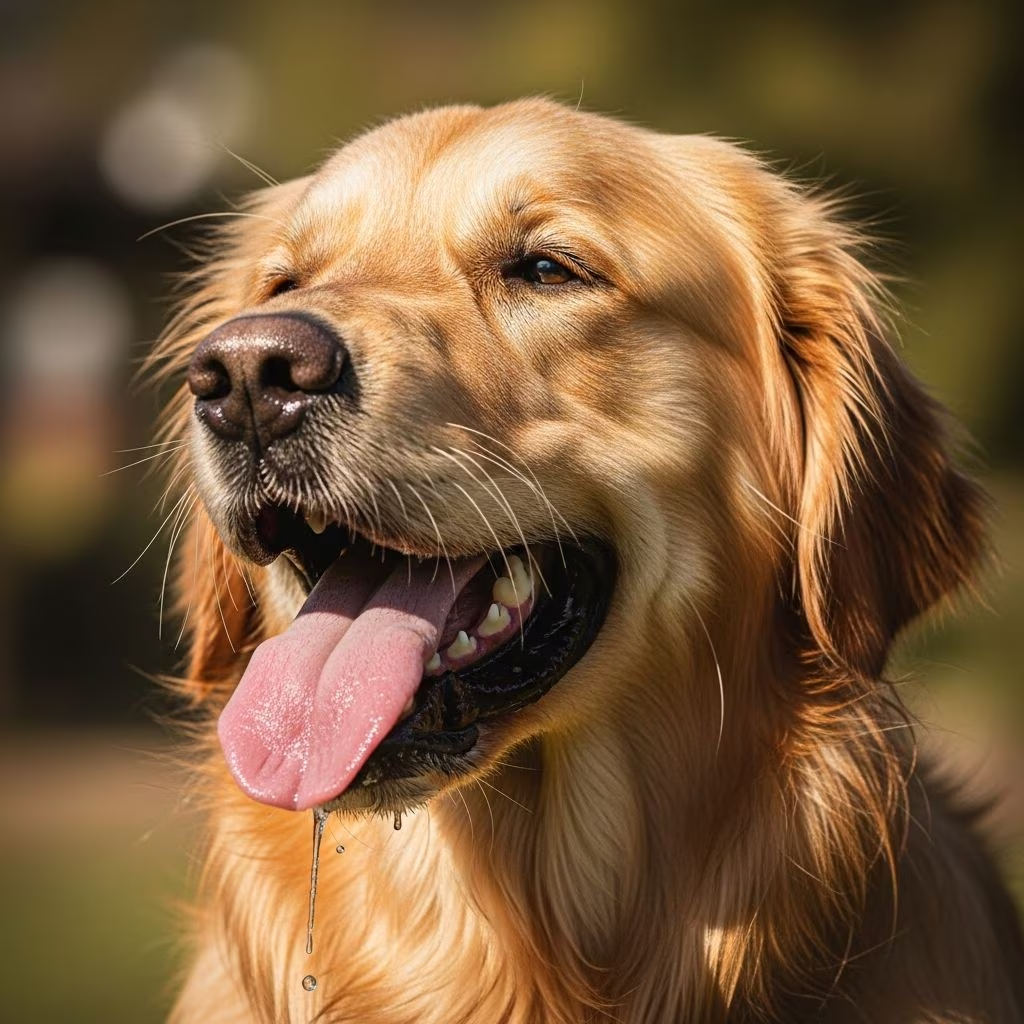
Golden Retrievers often pant more than other breeds due to their thick double coat, high energy levels, and enthusiastic personality, which demand efficient cooling mechanisms. While panting primarily serves as a dog’s way to regulate body temperature since they lack sufficient sweat glands like humans, excessive or unusual patterns can signal underlying issues requiring attention.
The Biology of Panting in Dogs
Dogs pant to evaporate moisture from their tongue and respiratory tract, dissipating heat effectively. In Golden Retrievers, this process is amplified by their dense fur that traps warmth, especially during activity. Normal resting respiratory rates for dogs range from 10-30 breaths per minute, but post-exercise, it can spike to 180-300 breaths per minute in active breeds like Goldens to manage heat buildup.
This thermoregulatory function is vital, as dogs cannot cool down through sweating across their body. Instead, rapid breathing increases airflow over moist surfaces, promoting evaporation and cooling. Factors like breed traits make Goldens particularly prone to visible panting even in mild conditions.
Everyday Triggers for Panting
Many instances of panting stem from benign, situational causes tied to a Golden Retriever’s lively nature.
- Physical Activity: Play sessions, fetch games, or walks elevate heart rate and oxygen demand, prompting panting to supply air and expel heat. This is expected and subsides with rest.
- Excitement and Joy: Hearing words like “walkies” or greeting family sparks happy panting, reflecting their affectionate temperament rather than distress.
- Warm Environments: Moderate temperatures or humidity prompt preventive panting, as their coat insulates against cold but hinders cooling in heat.
Owners should monitor duration; panting tied to these should normalize within 10-20 minutes of cooling down.
When Panting Signals Overheating Risks
Golden Retrievers’ love for water and outdoors increases vulnerability to heat-related distress. Heatstroke develops rapidly—within 30 minutes—in high humidity or poor ventilation, marked by relentless panting as the primary symptom.
| Stage of Heatstroke | Symptoms | Immediate Actions |
|---|---|---|
| Early | Heavy panting, bright red gums, restlessness | Move to shade, offer cool water, use fans |
| Advanced | Excessive drooling, vomiting, weakness | Cool with wet towels, seek emergency vet care |
| Critical | Collapse, seizures, blue gums | Rush to vet; do not delay |
Prevention includes avoiding midday exercise, providing shaded areas, and ensuring constant fresh water access, especially in summer.
Emotional Factors: Stress and Anxiety
Panting often accompanies fear or unease in sensitive breeds like Golden Retrievers. Triggers include thunderstorms, fireworks, car trips, or separation from owners, leading to rapid breathing as a stress response.
- Separation anxiety manifests as panting when alone, paired with pacing or vocalizing.
- Loud noises cause sudden onset, with additional signs like trembling or hiding.
- Mild stress from vet visits or new environments resolves quickly once calmed.
Calming strategies involve creating a quiet space, using pheromone diffusers, or consulting vets for supplements. Persistent cases may warrant behavioral training.
Panting Linked to Pain or Injury
Injuries prompt defensive panting as dogs cope with discomfort. Golden Retrievers, being playful, risk sprains, cuts, or internal issues from roughhousing.
Observe for:
- Limping or favoring a limb alongside panting.
- Guarding specific body areas with focused licking.
- Sudden panting without activity, indicating acute pain.
Chronic conditions like arthritis in older Goldens cause ongoing panting during movement. Veterinary exams, including X-rays, pinpoint sources; pain management improves quality of life.
Health Conditions Mimicking Normal Panting
Several medical issues elevate panting frequency, demanding prompt evaluation.
Respiratory and Cardiac Problems
Conditions like laryngeal paralysis, pneumonia, or heart disease force labored breathing. Heart failure increases respiratory effort to oxygenate blood, with signs like coughing or fatigue.
Allergic Responses
Exploratory Goldens may encounter allergens during hikes, causing swollen airways and rapid panting. Accompanying swelling, hives, or mood changes necessitate antihistamines or epi pens from vets.
Metabolic Disorders
Cushing’s disease boosts panting via hormonal imbalances affecting temperature control, often with increased thirst and appetite.
Other Concerns
Anemia reduces oxygen-carrying capacity, prompting compensatory panting; obesity exacerbates all issues by straining respiration.
Recognizing Emergency Warning Signs
Not all panting requires alarm, but these red flags demand immediate vet intervention:
- Continuous panting unresponsive to rest or cooling.
- Bluish/purple gums signaling oxygen deprivation.
- Gum tears, vomiting, or collapse.
- Lethargy, refusal to eat, or behavioral shifts.
- Whining, snapping, or inability to stand.
Erratic patterns, like nighttime panting, rule out environmental causes first, then pursue diagnostics like bloodwork or ultrasounds.
Practical Tips for Golden Retriever Owners
Proactive management minimizes risks:
- Schedule activities for cooler times: dawn or dusk walks.
- Maintain ideal weight through balanced diet and portion control to ease breathing.
- Regular vet checkups catch early issues; annual heartworm tests are essential.
- Train desensitization for anxiety triggers using positive reinforcement.
- Provide cooling mats or vests for hot days.
Monitor baseline panting post-exercise to spot deviations early.
FAQs on Golden Retriever Panting
Is panting at night normal for Golden Retrievers?
Occasional mild panting from dreams is fine, but persistent or distressed nighttime panting suggests pain, anxiety, or respiratory issues—check room temperature and consult a vet.
Does breed size affect panting in Goldens?
Larger Goldens pant more due to greater body mass generating heat, compounded by their coat; maintain fitness to mitigate.
Can medications cause excessive panting?
Yes, steroids or certain painkillers increase panting as a side effect; discuss alternatives with your vet.
How do I differentiate heatstroke from regular panting?
Heatstroke panting persists despite shade/water, with rapid progression to weakness—act fast to prevent fatality.
Should I worry about panting after eating?
Mild post-meal panting from excitement is common, but heavy or frequent episodes may indicate bloat or nausea; monitor closely.
Breed-Specific Insights for Golden Retrievers
Their heritage as hunting dogs fosters endurance but sensitivity to heat. Owners report higher panting during retrieval games, underscoring hydration needs. Compared to short-haired breeds, Goldens require vigilant environmental monitoring.
References
- Why Does My Golden Retriever Pant So Much? Vet Approved Facts — Dogster. 2023. https://www.dogster.com/dog-health-care/why-does-golden-retriever-pant-so-much
- Causes of Excessive Panting in Dogs & When To Be Concerned — Advanced Care Animal Clinic. 2022-11-30. https://www.advancedcareanimalclinic.com/site/blog/2022/11/30/excessive-panting-dog
- Golden Retriever Panting: What Every Owner Should Know — Big Hearted Breeders. 2025-05-01. https://www.bigheartedbreeders.com/2025/05/01/golden-retriever-panting/
- Why is My Dog Panting? Common Reasons and What You Can Do — Dix Hills Animal Hospital. N/A. https://dixhillsanimalhospital.com/blog/dog-panting/
- Panting in Golden Retrievers: What Is Normal And What Isn’t? — YouTube (Video Transcript). N/A. https://www.youtube.com/watch?v=IAHdq3aL9jc
- How to Calm a Panting Dog — Harlingen Veterinary Clinic. N/A. https://harlingenveterinaryclinic.com/blog/how-to-calm-a-panting-dog/
- Why Do Dogs Pant? What To Know About Dogs and Panting — PetMD. N/A. https://www.petmd.com/dog/general-health/why-do-dogs-pant



