
Complete Guide to Goat Nutritional Needs
Master the essential nutrients and feeding strategies for optimal goat health and productivity
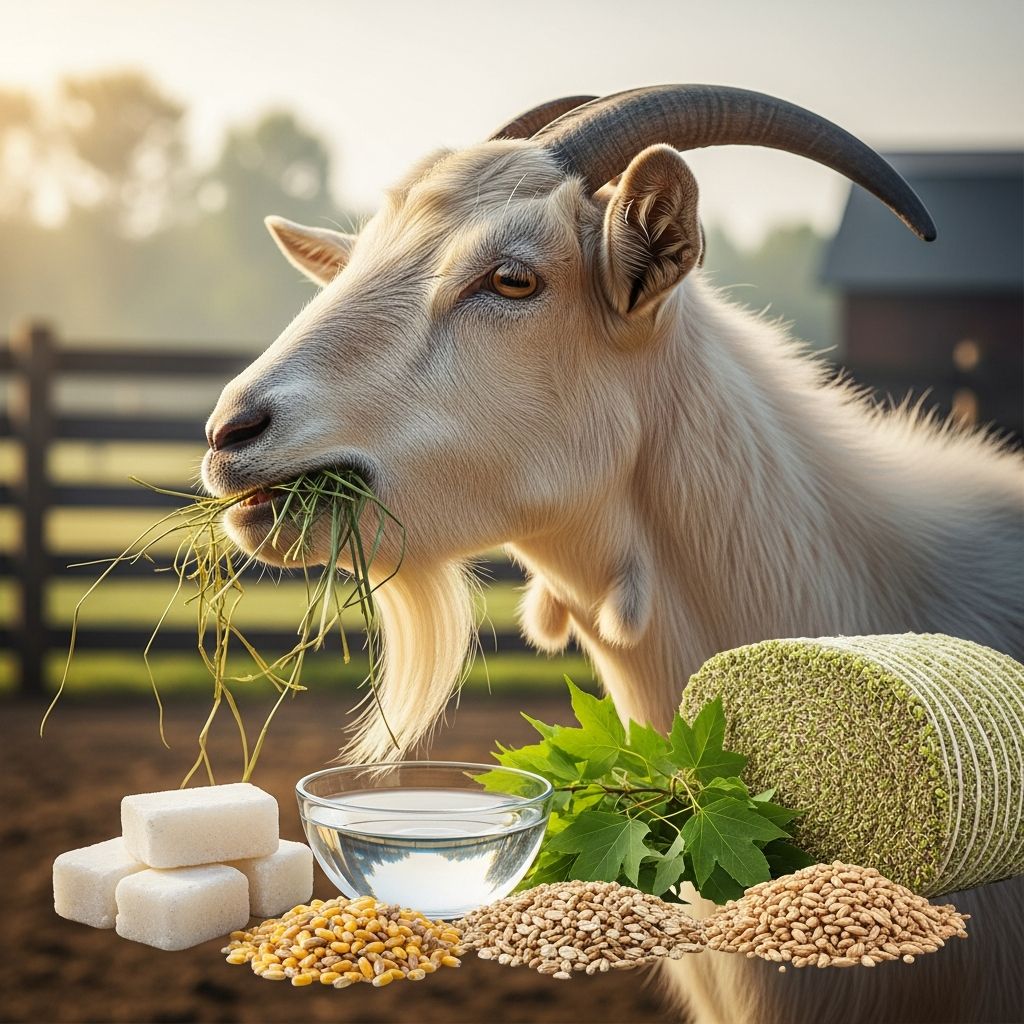
Goats are versatile livestock animals that can thrive in diverse environments, but their success depends fundamentally on proper nutrition. Understanding the specific dietary requirements for different life stages and production goals is essential for any goat keeper. Whether you’re raising meat goats, dairy goats, or animals primarily for fiber production, meeting their nutritional needs directly impacts their health, productivity, and longevity.
The Foundation: Understanding Goat Dietary Basics
Goats are ruminant animals with a specialized four-chambered stomach that allows them to digest fibrous plant materials efficiently. This unique digestive system requires a diet rich in fiber and forage to function properly. The rumen, the largest chamber, relies on beneficial microorganisms to break down plant material and ferment it into volatile fatty acids that provide energy for the animal.
A well-balanced goat diet must account for this biological reality while providing all necessary macronutrients and micronutrients. Daily feed intake for goats typically ranges from 3-4% of their body weight, though this varies based on age, production status, and environmental conditions. The composition of this feed dramatically influences overall herd health and productivity metrics.
Protein: Building and Maintaining Body Tissue
Protein represents one of the most critical macronutrients in goat nutrition because it provides essential amino acids required for numerous physiological functions. These include muscle development, tissue repair, milk synthesis, hair growth, and immune system function. However, goat protein nutrition is more complex than simply meeting a numerical protein percentage because goats require both dietary nitrogen for rumen microbes and specific amino acids that escape rumen degradation.
The baseline protein requirement for adult goats in maintenance is 7% crude protein on a dry matter basis. This level supports basic body functions and is typically sufficient for non-productive animals. However, requirements increase significantly for animals with greater nutritional demands:
- Young kids: 16% crude protein for very young animals, declining to 10% for weaned growing kids
- Growing animals: Higher levels to support rapid tissue accretion and frame development
- Pregnant does: Elevated protein to support fetal development, particularly in late gestation
- Lactating does: Substantially increased protein to support milk synthesis and maintain maternal body condition
- High-production dairy animals: May require 14% or greater crude protein depending on milk yield
Grass-based forages generally contain adequate protein for maintenance purposes. However, when animals have increased requirements—such as lactating does, growing kids, or animals recovering from illness—supplementation becomes necessary. Legume hays like alfalfa and clover provide higher protein levels than grass hays, while protein supplements such as soybean meal, cottonseed meal, and canola meal offer concentrated sources of both degradable and bypass protein.
Energy Requirements: Fueling Metabolic Processes
Energy availability directly affects goat productivity and efficiency. Goats require energy for basal metabolism, daily activity, growth, and milk production. Energy is typically measured in megacalories and is often expressed as a percentage of dry matter intake, though specific requirements vary based on production status.
Different classes of goats have distinct energy requirements. Maintenance bucks require approximately 60% energy, while dry does at maintenance need about 55%. Animals in late gestation require 60% energy to support fetal growth, and lactating does need 60-65% depending on milk production level. High-producing dairy goats may require up to 65% energy to sustain elevated milk output while preventing excessive weight loss.
Energy sources for goats come primarily from digestible carbohydrates in forages and from grains and other concentrated feeds. The quality of forage significantly impacts energy availability—leafy, young forage provides more digestible energy than mature, stemmy hay. When forage quality is limited, grain supplementation becomes increasingly important for meeting production goals.
Macrominerals: Structural and Functional Components
Macrominerals are dietary minerals required in relatively large amounts (measured in grams per day or expressed as percentages of dry matter). These elements serve multiple critical functions including skeletal structure formation, electrolyte balance, nerve conduction, and muscle contraction.
Calcium and Phosphorus
Calcium and phosphorus work together to support skeletal development and function. These minerals are particularly important during growth, late pregnancy, and lactation. For maintenance, goats require 0.18% calcium on a dry matter basis, but this requirement increases dramatically to 0.65% during lactation to support milk production.
Dairy goats, especially high-producing animals, face increased risk of calcium-related metabolic disorders if dietary intake is inadequate. Late pregnancy creates significant demands for fetal skeletal development, while lactation depletes maternal calcium reserves as milk is produced. Some animals may develop gestational or postpartum hypocalcemia if calcium intake doesn’t meet the elevated demands of these life stages.
Legume-based forages naturally provide excellent calcium sources, while grass-based diets may require supplemental calcium through limestone or dicalcium phosphate. A calcium-to-phosphorus ratio of approximately 2:1 is recommended for optimal mineral balance and absorption.
Other Essential Macrominerals
Beyond calcium and phosphorus, goats require magnesium, sodium, potassium, chloride, and sulfur. Magnesium supports muscle function and metabolic processes. Sodium and chloride maintain osmotic balance and acid-base equilibrium. Potassium is essential for nerve impulse transmission and muscle contraction. Sulfur, while not directly required by goats, provides substrate for rumen microbes to synthesize sulfur-containing amino acids, with a recommended dietary nitrogen-to-sulfur ratio of 10:1 to 12:1.
Microminerals: Trace Elements with Profound Effects
Microminerals or trace minerals are required in small quantities (measured in milligrams per kilogram or parts per million) but exert significant physiological effects. Deficiencies in these elements can manifest as poor coat quality, reduced reproductive performance, weakened immune function, and metabolic dysfunction.
Copper
Copper plays essential roles in hair pigmentation, connective tissue formation, and parasite resistance. Goats require adequate copper for maintaining healthy coat color and texture, and copper deficiency can result in rough, discolored hair coats. Additionally, copper supports immune function and helps goats resist internal parasites.
Importantly, sheep mineral supplements often contain insufficient copper for goat requirements, making it critical to use goat-specific mineral mixes. Excessive dietary molybdenum or sulfur can interfere with copper absorption, potentially leading to deficiency even when dietary copper appears adequate.
Zinc and Selenium
Zinc functions in over 200 enzymatic processes and influences tissue growth, reproduction, immunity, and general metabolism. Maintenance requirements for zinc range from 10-15 mg/kg dry matter, but lactating goats require 40-50 mg/kg to support elevated physiological demands.
Selenium works synergistically with vitamin E as a membrane antioxidant, protecting cells from oxidative damage. Selenium status is particularly important in regions where soil selenium is limited, and deficiency can impair reproductive performance and increase disease susceptibility. Black oil sunflower seeds provide both zinc and selenium, making them a valuable supplemental feed ingredient.
Cobalt and Other Trace Minerals
Cobalt’s primary function is providing substrate for rumen microbes to synthesize vitamin B12 (cyanocobalamin), an essential enzyme cofactor for glucose metabolism. The recommended dietary cobalt concentration is 0.1 mg/kg dry matter.
Additional trace minerals required by goats include iron, manganese, iodine, and molybdenum. Each plays specific roles in metabolic processes, with deficiencies or excesses potentially causing health problems. Proper mineral balance is as important as ensuring adequate quantities of individual minerals.
Vitamins: Regulatory and Protective Functions
Vitamins serve as cofactors and regulatory molecules essential for virtually all metabolic processes. The fat-soluble vitamins (A, D, E, and K) are stored in body tissues, while water-soluble vitamins are not stored and must be provided through diet or synthesized by rumen microbes.
Fat-Soluble Vitamins
Vitamin A supports vision, bone remodeling, epithelial cell differentiation, and immune function. High-quality green forage provides excellent vitamin A sources, but dried hay, especially poor-quality hay, contains minimal vitamin A. Winter feeding programs often require vitamin A supplementation through fortified grain mixes or injections.
Vitamin D is essential for calcium homeostasis and bone development, working with calcium and phosphorus to maintain skeletal integrity. Goats with access to direct sunlight can produce some vitamin D through skin exposure, but dietary sources through quality forage or fortified feeds remain important.
Vitamin E functions as an antioxidant in cell membranes, working synergistically with selenium. Stress, illness, and reproductive demands increase vitamin E requirements. Requirements are based on body weight and increase during lactation.
Water-Soluble Vitamins
Rumen microbes synthesize B vitamins and vitamin C in quantities usually sufficient for goat metabolism under normal circumstances. However, stress, illness, and antimicrobial use can impair microbial synthesis, potentially requiring supplementation. Vitamin C supports immune system function and becomes increasingly important during periods of physiological stress.
Nutritional Requirements by Life Stage
Growing Kids
Young goats have dramatically elevated nutritional requirements to support rapid growth and development. Protein requirements of 16% for very young kids decline progressively as animals mature, reaching 10% in weaned growing kids. Energy requirements also increase substantially to fuel growth processes and development of all body systems.
Adult Maintenance
Non-productive adult goats require baseline nutrition for maintenance of body weight and function. These animals have the lowest nutritional requirements and can thrive on good-quality forage alone in most cases. Wethers and dry does maintained for pets, companionship, or fiber production typically fall into this category.
Pregnancy and Late Gestation
Pregnant does, particularly in late gestation when fetal growth accelerates, require increased protein and energy to support both maternal needs and fetal development. Calcium requirements increase to support skeletal development of the growing fetus and prepare the doe for lactation. Feeding management during pregnancy significantly impacts kid birth weight, vigor, and survival.
Lactation
Lactating does have among the highest nutritional requirements of any production class. Milk synthesis demands substantial protein, energy, and minerals. High-producing dairy goats require the greatest nutrient density to sustain production while preventing excessive body weight loss. Does producing average milk require approximately 11% protein, while high-producing animals may need 14% or greater.
Forage Quality and Selection
Forage should comprise the foundation of every goat’s diet, with recommendations suggesting that at least 75-80% of daily feed should come from forage sources. High-quality forage provides fiber for rumen function, energy, protein, and numerous micronutrients.
Legume hays including alfalfa and clover provide superior protein and mineral content compared to grass hays. Grass hays like timothy and orchard grass offer lower calcium and protein but suit maintenance diets and wethers well. Fresh pasture and browse materials encourage natural feeding behaviors while providing variable but often excellent nutrient composition.
Forage quality decreases as plants mature, with young, leafy forage providing significantly more digestible energy and protein than mature, stemmy material. Harvest timing, curing methods, and storage conditions all impact final forage nutritional value.
Supplemental Feeds and Mineral Provision
While quality forage forms the diet foundation, most goats benefit from supplemental feeds and mineral products. Mineral supplements should be offered free-choice, allowing animals to meet individual requirements and account for variations in forage mineral content. Mineral mixes formulated specifically for goats provide appropriate ratios of macrominerals and microminerals balanced with vitamin fortification.
Salt (sodium chloride) should always be available free-choice, as goats have diverse sodium requirements depending on production status and forage mineral content. Beet pulp, when available, provides excellent fiber and energy while improving coat quality and body condition.
Water: An Often-Overlooked Essential
Clean, fresh water is absolutely vital for all physiological processes including digestion, nutrient absorption, and milk production. Water availability affects feed intake and must never be neglected, even in discussions focused on other nutrients. Lactating does especially require abundant water access to support milk synthesis.
Frequently Asked Questions
What percentage of a goat’s diet should be forage?
Forage should comprise at least 75-80% of daily dry matter intake for most goats. This ensures adequate fiber for proper rumen function and provides the foundation of a balanced diet.
How often should mineral supplements be provided?
High-quality mineral supplements formulated for goats should be offered free-choice continuously, allowing animals to self-regulate their intake based on individual requirements and dietary variations.
Why do my goats need copper if sheep minerals are available?
Sheep have different copper requirements than goats, and sheep mineral mixes typically contain insufficient copper for optimal goat health. Using goat-specific formulations ensures appropriate mineral balance.
Do all goats require grain supplementation?
Not necessarily. Animals in maintenance (non-productive) status can thrive on high-quality forage alone. Grain supplementation becomes important for growing animals, pregnant and lactating does, and high-production dairy goats.
How do energy requirements differ among production types?
Maintenance animals require approximately 55-60% energy, while lactating does need 60-65%, with high-producing dairy goats requiring the maximum levels to sustain milk production.
References
- Essential Nutritional Needs for Healthy Goats: What Every Owner Should Know — RV Vet. Accessed February 24, 2026. https://rvsvet.com/essential-nutritional-needs-for-healthy-goats-what-every-owner-should-know/
- Nutritional Requirements of Goats – Management and Nutrition — Merck Veterinary Manual. Accessed February 24, 2026. https://www.merckvetmanual.com/management-and-nutrition/nutrition-goats/nutritional-requirements-of-goats
- What to Feed Goats: Ultimate Guide to Goat Nutrition — Goat Farmers. Accessed February 24, 2026. https://www.goatfarmers.com/blog/feeding-goats-guide-nutritional/
- Choosing the Best Goat Feed: Nutrition Essentials for Healthy Herds — Kreamer Feed. Accessed February 24, 2026. https://kreamerfeed.com/blogs/articles/choosing-the-best-goat-feed-nutrition-essentials-for-healthy-herds
- Goat Diet – What To Feed Pet Goats — RSPCA. Accessed February 24, 2026. https://www.rspca.org.uk/adviceandwelfare/farm/farmanimals/goats/diet
- Goats and their Nutrition — Manitoba Agriculture. Accessed February 24, 2026. https://www.gov.mb.ca/agriculture/livestock/goat/pubs/goats-and-their-nutrition.pdf
- Nutrient Requirements of Sheep and Goats — University of Alabama Cooperative Extension. Accessed February 24, 2026. https://www.aces.edu/wp-content/uploads/2018/11/ANR-0812.pdf
Similar Articles








Read full bio of Sneha Tete


