
Goat Nutrition Essentials: Practical Feeding Guide For Farmers
Master the art of feeding goats for optimal health, growth, milk production, and disease resistance with this detailed guide.
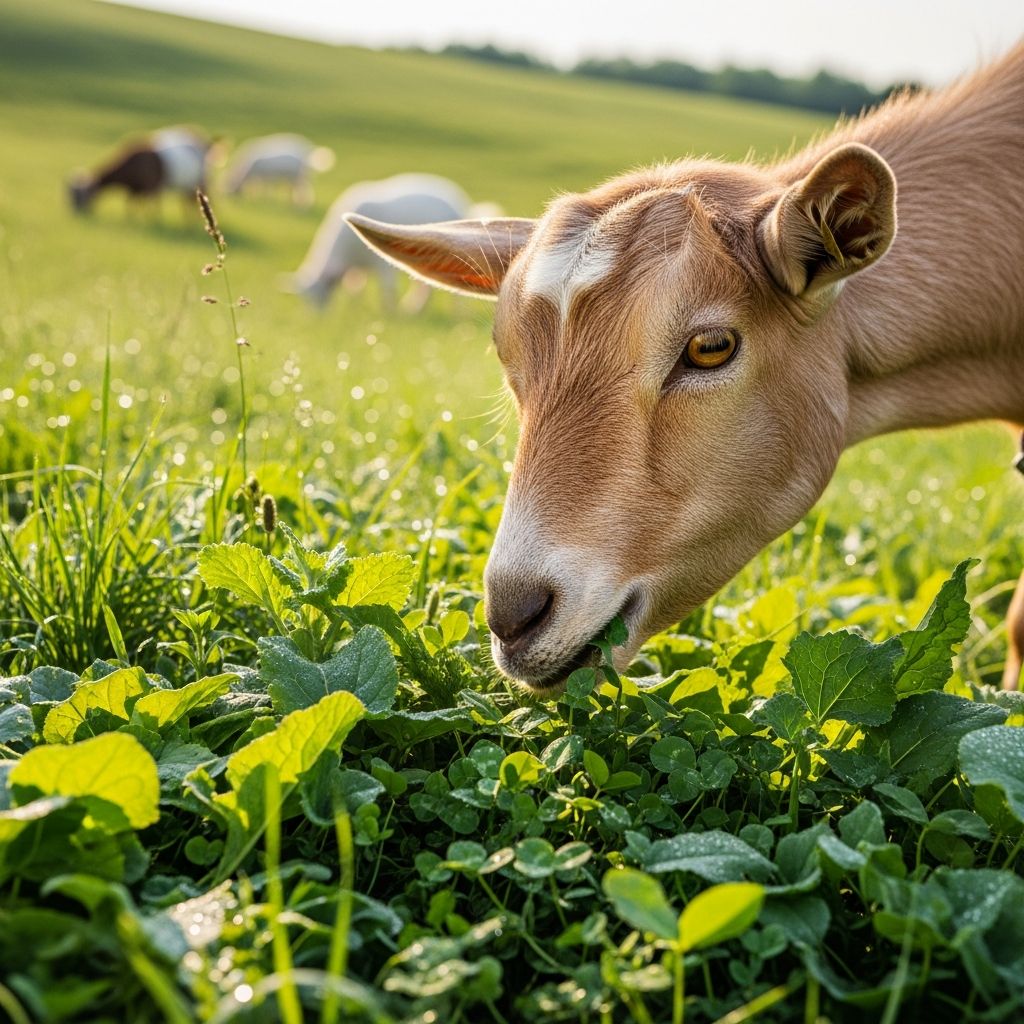
Proper nutrition forms the foundation of successful goat husbandry, directly influencing growth rates, milk yields, reproductive success, and overall vitality. Goats, as ruminants, possess a unique four-chambered stomach that enables efficient fermentation of fibrous plant materials, converting them into usable energy and nutrients. This guide delves into the core components of goat diets, from macronutrients to micronutrients, offering practical strategies for farmers and hobbyists alike.
Understanding the Ruminant Digestive System in Goats
Goats thrive on high-fiber diets thanks to their rumen, where microbes break down cellulose from forages into volatile fatty acids for energy. The rumen requires a balance of fermentable carbohydrates and degradable proteins to support microbial populations, which in turn provide high-quality microbial protein to the host animal.Key Insight: Diets deficient in rumen-degradable protein reduce fiber digestion and intake, compromising health.
- Rumen microbes synthesize essential vitamins like B12 from cobalt.
- Browse and diverse forages enhance selective feeding, mimicking natural behaviors.
- Grain introduction must be gradual to prevent acidosis.
Energy Sources: Forages, Grains, and Supplements
Forages such as grass hay, alfalfa, and pasture form 70-80% of a goat’s diet, providing essential fiber for rumen health. Grass hays suit maintenance, while legume hays like alfalfa boost energy and protein for lactating or growing goats. Energy demands rise during peak lactation or cold weather, necessitating concentrates like corn, barley, or oats.
| Feed Type | Primary Benefit | Suitable For |
|---|---|---|
| Grass Hay | High fiber, moderate energy | Maintenance, dry does |
| Alfalfa Hay | Protein, calcium-rich | Lactating does, kids |
| Cereal Grains (corn, barley) | Concentrated energy | Growing kids, high producers |
| Beet Pulp | Fiber-energy hybrid | Supplementation |
Limit grains to 1-2% of body weight to avoid bloat or laminitis. Soaking beet pulp expands it, aiding hydration and digestion.
Protein Needs Across Life Stages
Dietary protein supplies amino acids for tissue repair, milk synthesis, and immunity. Minimum crude protein is 7% of dry matter for maintenance, escalating to 10-16% for growth and lactation. Rumen microbes thrive on degradable protein (RDP), while bypass proteins meet post-ruminal needs.
- Maintenance: 7-9% CP from grasses.
- Growing Kids: 14-16% CP to support rapid tissue deposition.
- Lactating Does: 12-14% CP, supplemented with soybean or canola meal.
Browse plants often match legume quality, allowing goats to self-select nutritious options when possible.
Mineral Management for Peak Performance
Minerals are critical; imbalances cause issues like hypocalcemia or weak bones. Goats need macrominerals (Ca, P, Mg, K, Na, Cl, S) and trace minerals (Cu, Zn, Se, I, Co, Mn).
| Mineral | Requirement (% DM unless noted) | Function | Sources |
|---|---|---|---|
| Calcium | 0.18-0.65% | Bone health, milk production | Alfalfa, limestone |
| Phosphorus | 0.16-0.35% | Energy metabolism | Grains, dicalcium phosphate |
| Copper | 10-80 ppm | Enzyme function | Supplements (avoid excess Mo) |
| Selenium | 0.1-0.3 ppm | Antioxidant with Vit E | BOSS seeds, kelp |
Maintain Ca:P ratio of 2:1. High molybdenum forages antagonize copper absorption. Provide free-choice loose minerals over blocks for better intake.
Vitamins: Beyond the Basics
Fat-soluble vitamins A, D, E, and water-soluble ones like B-complex and C support immunity and metabolism. Rumen microbes produce most B vitamins, but cobalt ensures B12 synthesis (0.1 mg/kg DM). Vitamin E pairs with selenium for muscle health; deficiencies manifest as white muscle disease.
- Boost vitamin intake with black oil sunflower seeds (BOSS) for E and selenium.
- Kelp meal supplies iodine for thyroid function and milk yield.
- Apple cider vinegar in water aids digestion and mineral uptake.
Tailored Feeding Programs by Age and Purpose
Newborn Kids and Weaning
Kids rely on colostrum for passive immunity, transitioning to milk replacers (18-20% CP, milk-based proteins). Introduce hay and limited grain (up to 1 lb/day) post-week 1. Wean at 8-12 weeks onto 14% CP creep feed.
Growing and Meat Goats
Aim for 0.2-0.3 lb daily gain with 12-14% CP diets plus ad lib hay. Energy from grains supports frame development without excess fat.
Dairy Goats: Maximizing Lactation
Peak milkers need 16-18% total digestible nutrients (TDN), high calcium, and protein. Feed 4-6 lbs concentrate daily alongside alfalfa.
Breeding Stock
Bucks require energy surges pre-breeding; does need 20-30% more in late gestation for udder and fetal growth.
Common Feeding Mistakes and Prevention
Avoid overfeeding grains causing rumen acidosis, or imbalanced minerals leading to deficiencies. Monitor body condition scores (BCS 2.5-3.5 on 5-point scale). Rotate pastures to prevent parasitism and ensure forage quality.
- Sudden diet changes disrupt rumen flora.
- Inadequate water (3-5 gal/day) impairs digestion.
- Use goat-specific minerals; horse feeds often lack copper.
Supplements and Natural Additives
Enhance diets with BOSS for shine and minerals, kelp for iodine, or probiotics for gut health. Vegetables like carrots and pumpkins treat selectively but not as staples.
FAQs on Goat Nutrition
What is the best hay for goats?
Alfalfa for lactating or growing goats; grass hay for maintenance. Mix for balance.
How much grain should I feed daily?
0.5-2% of body weight, split into meals, based on production needs.
Can goats eat garden scraps?
Yes, safe veggies in moderation; avoid nightshades or wilted greens.
Why loose minerals over blocks?
Goats prefer them, ensuring consistent intake without wear on teeth.
How to spot nutritional deficiencies?
Poor coat, weight loss, lameness, or reduced milk—test forages and blood.
References
- Nutritional Requirements of Goats — Merck Veterinary Manual. 2023. https://www.merckvetmanual.com/management-and-nutrition/nutrition-goats/nutritional-requirements-of-goats
- What to Feed Goats: Ultimate Guide — GoatFarmers.com. 2024. https://www.goatfarmers.com/blog/feeding-goats-guide-nutritional%2F
- Goats and their Nutrition — Government of Manitoba Agriculture. 2022-05-01. https://www.gov.mb.ca/agriculture/livestock/goat/pubs/goats-and-their-nutrition.pdf
- Goat Nutrition Guide — NRM. 2023-03. https://nrm.co.nz/wp-content/uploads/2023/03/NRM-Goat-Guide.pdf
- Chapter 5: Goat Nutrition — Oklahoma State University Extension. 2023. https://extension.okstate.edu/programs/meat-goat-production/site-files/docs/chapter-5-goat-nutrition.pdf
Similar Articles








Read full bio of Sneha Tete


