
Goat Lameness: 4-Step Diagnostic Guide For Owners
Comprehensive insights into detecting, treating, and preventing lameness issues in goats for healthier herds.
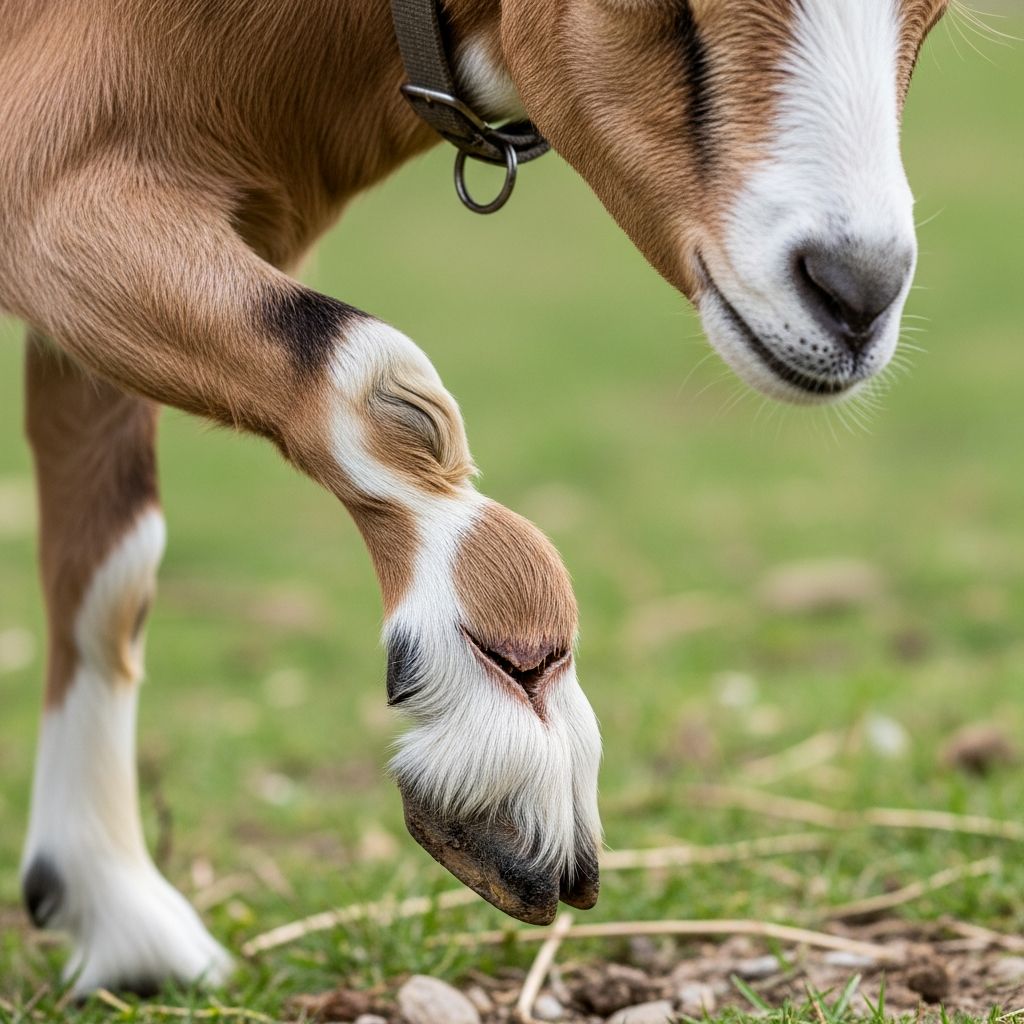
Lameness in goats disrupts normal movement, impacting health, productivity, and herd dynamics. This condition arises from various factors including infections, trauma, and poor management, requiring prompt identification and intervention for optimal recovery.
Recognizing Signs of Lameness
Early detection of lameness prevents escalation into chronic problems. Goats with lameness often exhibit limping, stiffness, or reluctance to bear weight on affected limbs. Subtle indicators include head nodding during steps, frequent lying down, or isolation from the group. Observing goats on even terrain during routine checks reveals these signs reliably.
- Acute signs: Sudden limp, swelling, or heat in limbs.
- Behavioral changes: Reduced activity, appetite loss, or aggression when touched.
- Chronic indicators: Deformed hooves, persistent favoring of one side.
Regular monitoring, especially in wet seasons, catches issues before they spread.
Primary Causes of Mobility Issues
Understanding root causes guides effective management. Lameness stems from infectious agents, mechanical problems, nutritional gaps, and systemic illnesses.
Infectious Conditions
Bacterial invasions like foot rot and scald thrive in damp environments, producing foul odors and interdigital skin erosion. Foot rot affects both claws, while scald targets skin between toes. Joint infections in kids often trace to navel bacteria, causing swelling and fever.
Hoof Structural Problems
Overgrown or misshapen hooves from infrequent trimming lead to uneven pressure and pain. Cracks invite debris and bacteria, fostering abscesses. Neglect results in sled-runner deformities where toes elongate excessively.
Trauma and Injuries
Sharp objects, slips, or mounting cause bruises, fractures, or sprains. Swollen joints signal these acute events.
Nutritional and Metabolic Factors
Deficiencies in selenium or copper weaken hoof integrity. Laminitis, linked to grain overload or infections like mastitis, inflames hoof tissues, making feet hot and painful.
Age-Related and Systemic Diseases
Arthritis affects older goats, worsened by prior injuries. Retroviruses contribute to chronic joint issues.
| Cause Category | Examples | Key Risk Factors |
|---|---|---|
| Infectious | Foot rot, scald, joint ill | Wet bedding, overcrowding |
| Structural | Overgrowth, cracks | Infrequent trimming, soft ground |
| Trauma | Bruises, fractures | Rough terrain, poor footing |
| Nutritional | Laminitis, deficiencies | Imbalanced feed, sudden diet changes |
Step-by-Step Diagnostic Approach
A systematic exam pinpoints issues. Isolate the goat in a clean pen for observation.
- Visual gait analysis: Note which limb is affected and severity.
- Physical inspection: Check for swelling, heat, wounds, or odors. Palpate joints gently for pain responses.
- Hoof evaluation: Trim excess to expose sole, white line, or underrun areas.
- Systemic check: Assess temperature, appetite, and other illness signs.
Veterinary input confirms diagnoses like bacterial cultures for infections.
Treatment Strategies by Condition
Tailored therapies improve outcomes. Always consult vets for prescriptions.
Handling Infections
Clean affected areas with antiseptics, apply antibiotic sprays or injectables like penicillin or oxytetracycline. Foot rot demands foot baths with copper sulfate.
Managing Hoof Overgrowth
Trim to balanced surfaces, avoiding over-cutting. Repeat every 4-6 weeks.
Addressing Injuries
Immobilize with slings if needed, provide soft bedding. NSAIDs like meloxicam reduce inflammation.
Laminitis Care
Cool feet with ice soaks, administer flunixin meglumine. Correct underlying triggers like infections.
Supportive Measures
Ensure rest, hydration, and nutrition. Monitor progress daily.
For severe cases, hospital pens with bedding prevent pressure sores.
Prevention Through Management
Proactive steps minimize occurrences.
- Hoof Maintenance: Trim routinely, especially pre-rainy seasons.
- Housing: Dry, well-drained pens reduce bacterial growth.
- Nutrition: Balanced minerals, avoid sudden rich feeds.
- Herd Health: Vaccinate, quarantine newcomers.
- Monitoring: Daily walks for early spotting.
Breeds and pregnancy influence risks; adjust care accordingly.
Long-Term Impacts and Monitoring
Untreated lameness leads to weight loss, mastitis, or culling. Recovered goats need follow-ups to prevent relapse. Track herd incidence to refine practices.
Frequently Asked Questions
What is the most common cause of goat lameness?
Hoof overgrowth and infections like foot rot top the list, often from poor hygiene and neglect.
How often should I trim goat hooves?
Every 4-6 weeks, or more in soft conditions.
Can lameness spread in the herd?
Yes, infectious types like foot rot are contagious; isolate promptly.
Is laminitis curable in goats?
Acute cases respond well to anti-inflammatories and cooling if addressed early.
What home remedies work for minor lameness?
Cleaning and drying hooves help, but vet care is essential for antibiotics.
References
- Laminitis in Goats – Management & Prevention — The Lifestyle Vet Auckland. 2020-04-01. https://thelifestylevet.co.nz/index.php/2020/04/laminitis-in-goats-management-prevention/
- How to Identify, Treat, and Prevent Lameness in Goats — Bivatec Ltd. 2023-01-01. https://www.bivatec.com/blog/how-to-identify-treat-and-prevent-lameness-in-goats
- Lameness – Veterinary Handbook — Veterinary Handbook. 2022-01-01. https://www.veterinaryhandbook.com.au/Diseases.aspx?diseasenameid=101
- Lameness and Hoof Disorders in Sheep and Goats from Small Ruminant Farms — PMC (PubMed Central). 2024-01-01. https://pmc.ncbi.nlm.nih.gov/articles/PMC12248598/
- Lameness in Sheep and Goats — Department of Natural Resources and Environment Tasmania (nre.tas.gov.au). 2023-01-01. https://nre.tas.gov.au/biosecurity-tasmania/animal-biosecurity/animal-health/sheep/lameness-in-sheep-and-goats
- Laminitis in Goats – Musculoskeletal System — MSD Veterinary Manual. 2025-01-01. https://www.msdvetmanual.com/musculoskeletal-system/lameness-in-goats/laminitis-in-goats
- Overview of Lameness in Goats – Musculoskeletal System — Merck Veterinary Manual. 2025-01-01. https://www.merckvetmanual.com/musculoskeletal-system/lameness-in-goats/overview-of-lameness-in-goats
Similar Articles








Read full bio of medha deb


