

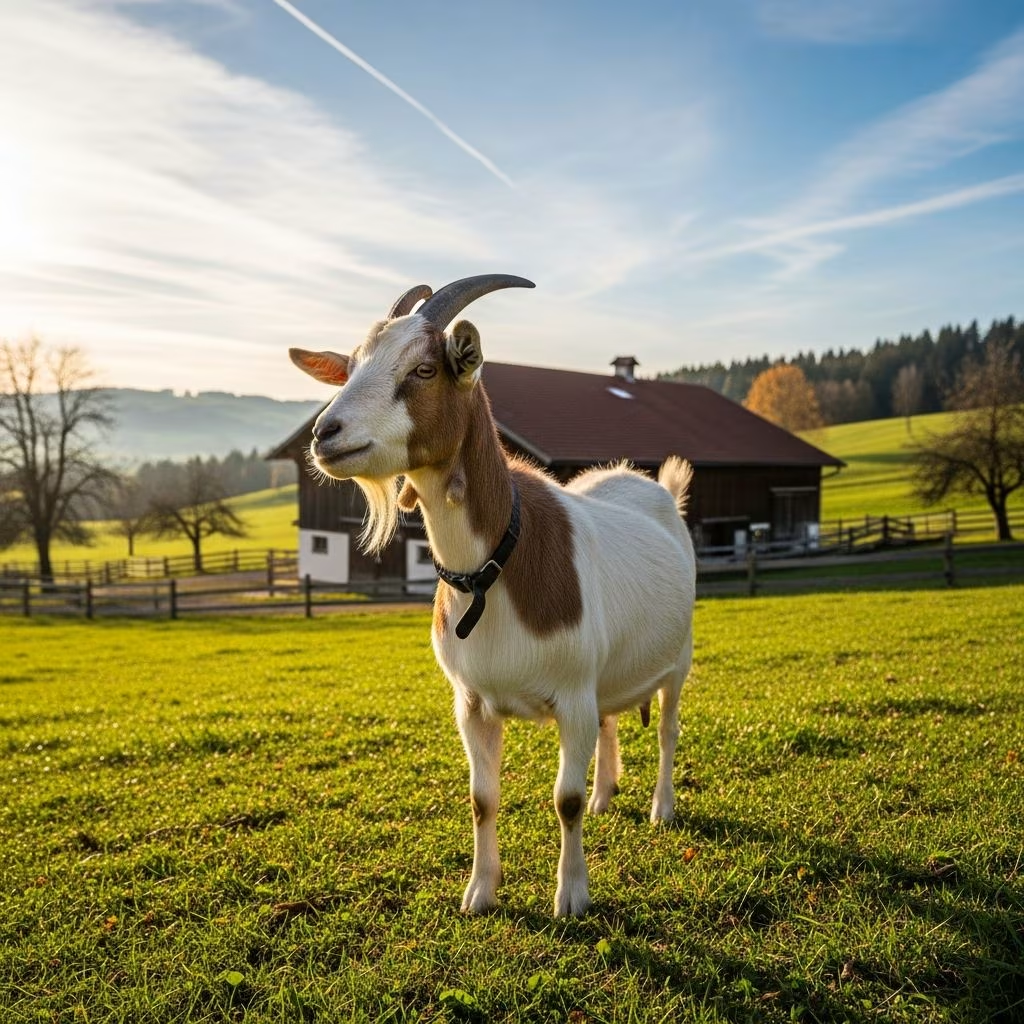
Successful goat farming hinges on understanding the unique needs of these versatile animals, which thrive as browsers rather than grazers. Proper management ensures healthy herds, optimal production for meat, milk, or fiber, and sustainable land use. This guide explores key practices drawn from established veterinary and extension resources.
Designing Effective Housing Systems
Goats require protection from harsh weather while maintaining good air circulation to avoid respiratory issues. Structures should be spacious, dry, and well-ventilated, with separate areas for different herd groups to prevent disease spread.
- Use open-front sheds or three-sided shelters elevated off the ground to keep bedding dry.
- Provide at least 15-20 square feet per adult goat indoors, plus outdoor loafing areas.
- Incorporate ample ventilation to reduce ammonia buildup from manure, especially in cold climates.
Dedicated kidding pens with easy-clean surfaces minimize stress during birth, while isolation areas for sick animals limit contagion. Dry substrates like straw or wood shavings absorb moisture and reduce foot-related problems.
Secure Fencing and Pasture Strategies
Robust fencing is non-negotiable, as goats are adept escape artists. Combine woven wire (4-5 inches mesh at bottom, tighter higher) with electric strands for predator deterrence and containment.
| Fence Type | Height | Best For |
|---|---|---|
| Woven Wire + Electric | 4-5 feet | Perimeter security |
| Electric Netting | 3.5-4 feet | Rotational grazing |
| High-Tensile Wire | 4 feet (5 strands) | Large pastures |
Implement rotational grazing to prevent overgrazing and parasite buildup: move herds daily to fresh paddocks using portable electric nets. This mimics natural browsing, controls weeds, and enhances forage quality. Stocking rates should stay below land carrying capacity to promote rangeland health.
Nutrition for Peak Performance
Goats excel on diverse diets including browse, hay, grains, and supplements. Offer free-choice minerals, salt blocks, and baking soda to support rumen health.
- High-quality legume hay (alfalfa) for lactating does; grass hay for others.
- Grains like oats or barley for energy, limited to avoid acidosis.
- Seeds (black oil sunflower, pumpkin) and kelp for natural vitamins.
Elevated, covered feeders prevent waste and mold exposure, critical for pregnant goats to avoid bloat or miscarriage. In winter, heated waterers ensure hydration. Daily browsing access reduces parasite risks by encouraging higher foraging.
Breeding and Reproduction Management
Controlled breeding boosts productivity. Separate bucks from does except during planned mating to avoid exhaustion and unwanted kids.
- Breeds like Boers for meat, Nubians for milk; select hardy stock.
- “Milk through” lactations give does pregnancy breaks for health.
- Dam-raise kids for strong immunity via colostrum.
Monitor estrus cycles (21 days) and use marking harnesses on bucks. Provide kidding areas with clean bedding and warmth for newborns.
Health Maintenance and Parasite Control
Proactive care prevents costly issues. Develop a herd health plan with routine exams, vaccinations (CL, CDT), and deworming based on fecal tests.
- Trim hooves every 6-8 weeks to prevent overgrowth and infections.
- Rotate pastures and use herbal supports for natural parasite management.
- Quarantine new arrivals for 30 days.
Watch for anemia (pale eyelids), scours, or coughing. Clean waterers daily and remove manure accumulations to curb pathogens.
Daily and Seasonal Care Routines
Establish consistent schedules: morning/evening checks, milking twice daily for dairy breeds. Shear fiber goats in summer for comfort.
Train kids early to stands, leashes, and fences for easier handling. In hot weather, provide shade and misting; in cold, deep bedding and windbreaks.
Milking Techniques and Equipment
For dairy operations, sturdy stands with headlocks ensure safety. Sanitize udders and equipment to prevent mastitis.
- Hand-milk or use machines; reward with grain for cooperation.
- Chill milk promptly to 38°F.
Practice builds efficiency; does adapt to routines quickly.
Manure and Waste Management
Compost manure regularly to fertilize pastures or sell. This controls odors, flies, and nutrients runoff.
Common Challenges and Solutions
| Issue | Solution |
|---|---|
| Parasites | Fecal tests, rotation, dewormers judiciously |
| Predators | Guardian dogs, secure fencing |
| Heat Stress | Shade, ventilation, electrolytes |
FAQs
What is the best beginner goat breed?
Nubians or Nigerians for milk; Boers or Spanish for meat due to hardiness.
How often should I deworm goats?
Test feces first; avoid overuse to prevent resistance.
Can goats improve my land?
Yes, via weed control and firebreak creation in managed systems.
What vaccinations are essential?
CDT for clostridial diseases; CLA for abscesses.
How much space per goat?
200-250 sq ft pasture per adult; adjust for climate.
References
- 9-Step Essential Beginners Guide to Raising Goats — GoatFarmers.com. 2023. https://www.goatfarmers.com/blog/beginners-guide-raising-goats/
- Goat Husbandry Practices — Sugar Top Farm, LLC. Accessed 2026. http://www.sugartopfarm.com/goat-husbandry-practices.html
- General Management of Goats — MSD Veterinary Manual. 2023-02-24. https://www.msdvetmanual.com/management-and-nutrition/preventative-health-care-and-husbandry-of-goats/general-management-of-goats
- Beginner’s Guide to Raising Goats — Manna Pro. 2023. https://mannapro.com/blogs/news/beginners-guide-to-raising-goats
- Goat Care Practices — Washington State University Extension. 2023-05. https://wpcdn.web.wsu.edu/wp-extension/uploads/sites/2056/2023/05/Goat-Care-Practices.pdf
- Raising Goats: Production and Management — Penn State Extension. Accessed 2026. https://extension.psu.edu/animals-and-livestock/goats/production-and-management/



