
Goat Farming Complete Guide: Breeds, Care, And Profitability
Unlock the potential of goat farming with proven strategies for sustainable meat, milk, and fiber production on diverse landscapes.
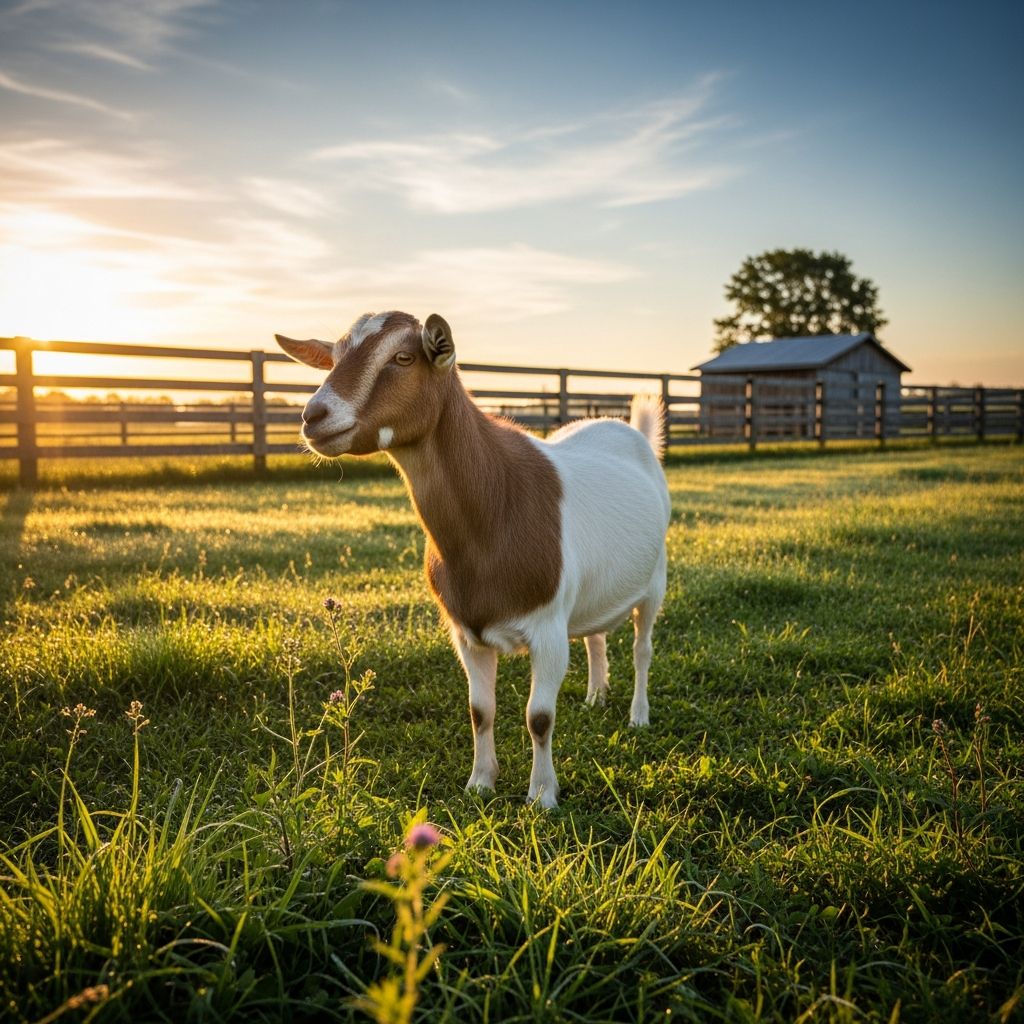
Goat farming represents a versatile and resilient branch of animal husbandry, enabling producers to generate income from meat, milk, fiber, and skins while thriving on marginal lands unsuitable for other livestock. Domestic goats (*Capra aegagrus hircus*) excel at converting low-quality forage into valuable products, making them ideal for small-scale operations or integration with existing farms.
Why Choose Goats for Your Farm?
Goats offer unique advantages over traditional livestock like cattle or sheep. Their ability to browse on weeds, shrubs, and rough vegetation clears land naturally and improves pasture quality for subsequent grazing animals. This efficiency suits arid or hilly terrains where other species struggle. Nutritionally, goat milk provides higher calcium and healthy fats than cow milk, aiding digestibility for lactose-sensitive consumers, while lean chevon meat appeals to health-conscious markets.
Economically, startup costs remain lower due to smaller space requirements and faster reproduction rates—does often kid twice yearly, producing 1-3 offspring per cycle. Diverse revenue streams, from direct meat sales to value-added dairy products, enhance profitability. In regions like the U.S., demand for goat products surges due to ethnic markets and gourmet preferences, supporting premium pricing.
Selecting the Right Goat Breeds
Breeds align with production goals: meat, dairy, fiber, or dual-purpose. For
meat production
, Boer goats dominate, originating from South Africa, prized for rapid growth (reaching market weight in 6-8 months) and high carcass yield up to 50% of live weight. Their adaptability to varied climates bolsters U.S. farms.**Dairy breeds** like Saanen, Nubian, and Alpine yield 2-3 gallons daily per doe, with milk richer in medium-chain fatty acids for cheese and yogurt. Fiber enthusiasts favor Angora for mohair or Cashmere goats for luxurious undercoat. Dual-purpose options, such as Spanish or Kiko, balance meat and milk while resisting parasites.
| Production Type | Top Breeds | Key Traits | Avg. Output |
|---|---|---|---|
| Meat | Boer, Kiko | Fast growth, muscling | 50-70 lbs carcass |
| Dairy | Saanen, Nubian | High milk volume | 2-3 gal/day |
| Fiber | Angora, Cashmere | Long mohair | 5-10 lbs/year |
| Dual-Purpose | Spanish | Hardy, versatile | Meat + moderate milk |
Land and Facility Requirements
Adequate space prevents overcrowding and disease: allocate 200-250 sq ft per goat in pastures, plus secure housing. Fencing must be 4-5 ft high woven wire or electric to contain agile climbers. Barns feature elevated platforms (10-12 inches) for cleanliness, ventilation to reduce humidity, and separate kidding areas for doe-kid bonding.
Incorporate rotational grazing on 10-20 divided paddocks to mimic natural foraging, minimizing parasite loads. Water access every 100 ft ensures hydration, critical in hot climates. For dairy ops, dedicate a sanitized parlor with stainless-steel equipment compliant with health regs.
- Pasture Management: Plant legumes like clover for protein boost.
- Housing Essentials: Bedding of straw or shavings, changed weekly.
- Scalability: Start with 50-head herd, expand via retained kids.
Nutrition and Feeding Strategies
Goats require 2-4% body weight in dry matter daily, split 60% forage and 40% concentrates. Pasture suffices seasonally, supplemented with hay (alfalfa for lactating does) and grain mixes (16% protein). Minerals like copper (cautiously, toxicity risk) and selenium address deficiencies.
Breeding stock needs higher energy pre-kidding; kids wean at 8 weeks onto creep feed. Cost control targets feed at 50-60% of expenses—bulk purchasing and silage cut costs 20-30%.
Breeding and Reproduction Management
Does reach puberty at 6-12 months; breed at 70-80% adult weight for twins. Bucks serve 20-30 does per season (Aug-Nov for spring kidding). Use charts tracking estrus (21-day cycles) and pregnancy (gestation 150 days). Castrate excess males early for meat.
Monitor body condition scoring (1-5 scale) to optimize fertility. Vaccinate against enterotoxemia and tetanus pre-breeding.
Health Management and Biosecurity
Common issues: parasites (barber pole worm), CAE, CL abscesses, foot rot. Implement FAMACHA eye scoring for anemia, quarterly fecals, and copper oxide wire particles. Quarantine new stock 30 days; hoof trimming bi-monthly prevents lameness.
Veterinary partnerships ensure compliance with USDA standards for meat inspection—slaughter only at approved facilities. Biosecurity: footbaths, rodent control, all-in-all-out kidding groups.
Business Planning and Financial Projections
A solid plan outlines startup ($50K-$1M depending on scale), ops, and marketing. Revenue mix: 35% milk, 25% meat, rest breeding stock/workshops. Initial herd: 250 does + bucks; scale to 2,500 by year 10 via 20% annual growth.
COGS dominated by feed (95% variable costs)—aim breakeven month 1 via premium sales. Project $300K year 1 revenue from USDA-certified chevon ($4-6/lb), breeding goats ($300/head).
| Year | Herd Size | Revenue | Profit Margin |
|---|---|---|---|
| 1 | 250 | $300K | 15% |
| 5 | 1,000 | $1.2M | 25% |
| 10 | 2,500 | $3M | 35% |
Marketing Your Goat Products
Target ethnic grocers, restaurants, farmers’ markets for chevon; artisanal dairies for milk. Certify organic/grass-fed for 20-50% premiums. Sell breeding stock via auctions; host workshops ($50/head) building loyalty.
Direct-to-consumer: CSA shares, farm tours. Export potential for mohair/leather.
Regulatory Compliance Essentials
Secure zoning, ag licenses; USDA inspection for meat sales. Animal welfare: humane handling per AVMA guidelines. Waste management: compost manure for fertilizer sales.
Common Challenges and Solutions
- Predators: Livestock guardian dogs, secure fencing.
- Market Volatility: Diversify products, contracts.
- Labor: Family ops or hire skilled breeders ($15-20/hr).
FAQs
What is the best breed for beginners?
Boer for meat due to hardiness; start with 10-20 head.
How much land for 100 goats?
20-40 acres with rotation.
Is goat farming profitable?
Yes, with 20-35% margins post-year 1 via scale.
Goat milk vs. cow milk?
Goat: easier digest, higher nutrients.
Startup costs?
$800/doe initial; $867K full-scale.
References
- Goat farming – Wikipedia — Wikipedia. 2023. https://en.wikipedia.org/wiki/Goat_farming
- Goat Farming Business Plan — BSBCON. 2024. https://www.bsbcon.com/us/blog/goat-farming-business-plan/
- 7 Steps to Write a Goat Farming Business Plan — Financial Models Lab. 2023. https://financialmodelslab.com/blogs/write-business-plan/goat-farming
- Goat Farming Business Plan Template — Growthink. 2024. https://www.growthink.com/businessplan/help-center/goat-farming-business-plan
- Starting a Dairy Goat Farm Business Plan — Goat Journal. 2023. https://goatjournal.iamcountryside.com/home-dairy/starting-a-dairy-goat-farming-business-plan/
- Chapter 1: So You Want to be a Goat Rancher — Oklahoma State University Extension. 2022. https://extension.okstate.edu/programs/meat-goat-production/site-files/docs/chapter-1-so-you-want-to-be-a-goat-rancher.pdf
Similar Articles








Read full bio of medha deb


