

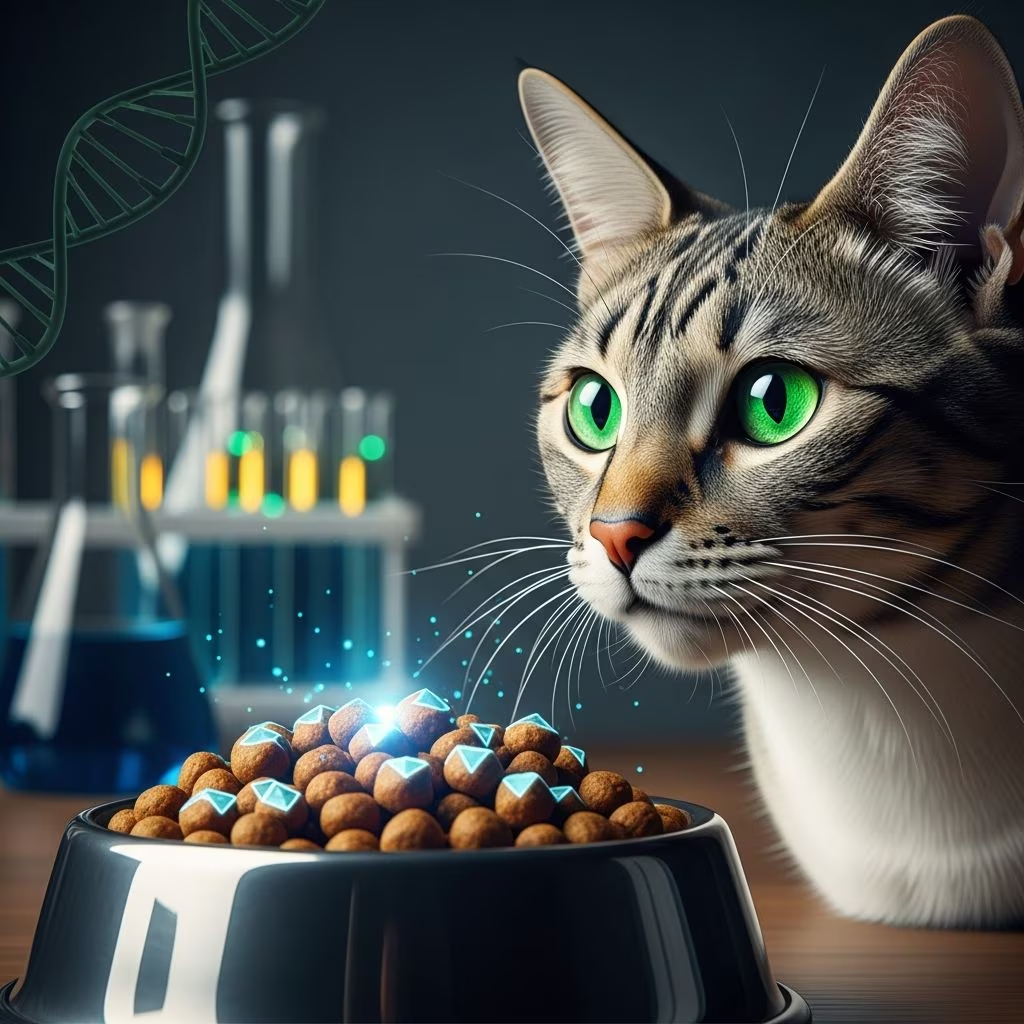
Genetically modified organisms (GMOs) are prevalent in many commercial cat foods, sparking debates among pet owners about safety and long-term health effects on cats. This comprehensive guide examines GMOs in feline diets, their risks, benefits, labeling, and superior non-GMO alternatives to help you choose wisely for your cat’s well-being.
What Are GMOs?
GMOs are plants, animals, or microbes whose genetic material has been altered using biotechnology techniques, often to enhance traits like pest resistance or yield. In cat food, common GMO crops include corn, soy, and canola, used as fillers, protein sources, or oils.
Cats, as obligate carnivores, derive primary nutrition from animal proteins, making plant-based GMO ingredients secondary but still impactful on overall diet quality. Unlike wild cats that consume prey with minimal plant matter, domestic cats often ingest substantial carbohydrates from GMOs, potentially disrupting their natural dietary balance.
Are GMOs Safe for Cats?
The safety of GMOs in cat food remains controversial. Regulatory bodies like the FDA and AAFCO deem approved GMOs safe for animal consumption based on short-term studies, but critics argue long-term effects on feline health are under-researched.
Cats process GMOs differently from humans due to their unique metabolism. Potential issues include altered gut microbiomes from pesticide residues like glyphosate in GMO crops, linked to digestive sensitivities in sensitive felines. While no direct causation is proven, observational data suggests higher allergy rates in cats on GMO-heavy diets.
Potential Health Risks of GMO Cat Food
- Digestive Issues: GMO corn and soy may cause diarrhea, vomiting, or inflammatory bowel disease (IBD) flare-ups, especially in cats with sensitive stomachs. Probiotics in non-GMO foods better support gut health.
- Allergies and Skin Problems: Common GMO ingredients like soy are top allergens, leading to itching, hair loss, and chronic ear infections.
- Organ Stress: High-carb GMO fillers strain kidneys and livers, organs already vulnerable in aging cats.
- Nutrient Imbalance: GMOs dilute meat content, reducing essential taurine and arachidonic acid levels critical for heart and eye health.
- Pesticide Exposure: GMO crops are engineered for herbicide tolerance, exposing cats to residues that may accumulate and affect endocrine function.
Studies on obligate carnivores indicate plant-heavy diets mismatch evolutionary needs, with GMOs exacerbating carb overload linked to obesity and diabetes.
Benefits of Non-GMO Cat Food
Switching to non-GMO cat food offers tangible advantages, prioritizing high-quality animal proteins and minimal fillers.
- Superior Digestion: Absence of GMO grains reduces bloating and stool issues, promoting a balanced gut microbiome.
- Improved Coat and Skin: Cleaner ingredients enhance fur shine and reduce shedding.
- Weight Management: Lower carbs prevent feline obesity, a growing epidemic.
- Holistic Health: Non-GMO foods often include probiotics, omega-3s, and antioxidants for immune and joint support.
- Environmental Sustainability: Many non-GMO brands source ethically, avoiding pesticide-heavy monocrops.
How to Spot GMOs on Cat Food Labels
Understanding labels is crucial, as U.S. law doesn’t require GMO disclosure on pet food.
| Label Claim | GMO Likelihood | Explanation |
|---|---|---|
| “Corn,” “Soy,” “Canola” in ingredients | High | 95%+ of U.S. crops are GMO unless specified organic/non-GMO. |
| “Grain-Free” | Medium | May still use GMO peas, lentils, or potatoes. |
| “Made with Chicken” | Variable | Only 3% chicken; rest often GMO fillers. |
| “Organic” | Low | USDA Organic prohibits GMOs. |
| “Non-GMO Project Verified” | None | Third-party certified GMO-free. |
Ingredient lists are by weight; avoid foods with unnamed “animal by-products” or vague “vegetable matter,” often GMO-laden. Seek AAFCO “complete and balanced” statements for nutritional adequacy.
Best Non-GMO Cat Foods
Top-rated non-GMO options emphasize meat-first recipes with transparent sourcing.
- Acana Grasslands Cat Food: 75% animal ingredients, non-GMO veggies, grain-free. Supports urinary health with low carbs.
- Orijen Regional Red Cat: 90% fresh meats, non-GMO lentils. High taurine prevents heart issues.
- Instinct Raw Boost: Freeze-dried raw toppers, Non-GMO Verified, probiotics for digestion.
- Ziwi Peak Air-Dried: 96% meat/organs, New Zealand-sourced non-GMO greens.
- Stella & Chewy’s Freeze-Dried Raw: Single-protein options, organic fruits/veggies.
Consult vets for transitions, especially for kittens, seniors, or those with conditions. Prices range $3–$7/lb, but portion control yields savings via better satiety.
GMO Regulations in Pet Food
The FDA oversees pet food safety, collaborating with AAFCO on labels, but doesn’t mandate GMO labeling. EU requires disclosure; U.S. lags despite consumer demand. Cultured meats like mouse-based foods face similar biotech scrutiny, with safety affirmed but adoption slow.
FAQs
What percentage of cat foods contain GMOs?
Over 80% of conventional dry kibbles include GMO corn/soy; wet foods less so if meat-dominant.
Can GMO cat food cause cancer?
No conclusive evidence, but glyphosate (Roundup) is a probable carcinogen per IARC; long-term cat studies lacking.
Is grain-free always non-GMO?
No—many use GMO legumes. Verify certifications.
How do I transition to non-GMO food?
Mix gradually over 7–10 days to avoid tummy upset.
Are vegan cat foods non-GMO?
Some are, supplementing taurine, but obligate carnivores need animal proteins.
Conclusion
Opting for non-GMO cat food aligns with your pet’s carnivorous needs, minimizing risks and maximizing vitality. Prioritize meat-rich, certified options for lifelong health.
References
- Comprehensive Review of Cat Foods in 2024 — GoOver AI SEO Report. 2024-07-01. https://seo.goover.ai/report/202407/go-public-report-en-82679b80-7c51-4185-8772-3b133cae1e55-0-0.html
- Mouse Meat Cat Food: Vet-Reviewed Pros, Cons & Future Uses — Catster. 2024. https://www.catster.com/nutrition/mouse-meat-cat-food/
- How to Read Cat Food Labels: Vet Approved Advice — Catster. 2024. https://www.catster.com/lifestyle/how-to-read-cat-food-labels/
- Food Safety Modernization Act (FSMA) — U.S. Food and Drug Administration (FDA). 2023-05-15. https://www.fda.gov/food/guidance-regulation-food-and-dietary-supplements/food-safety-modernization-act-fsma
- AAFCO Dog and Cat Food Nutrient Profiles — Association of American Feed Control Officials (AAFCO). 2025-01-01. https://www.aafco.org/



