

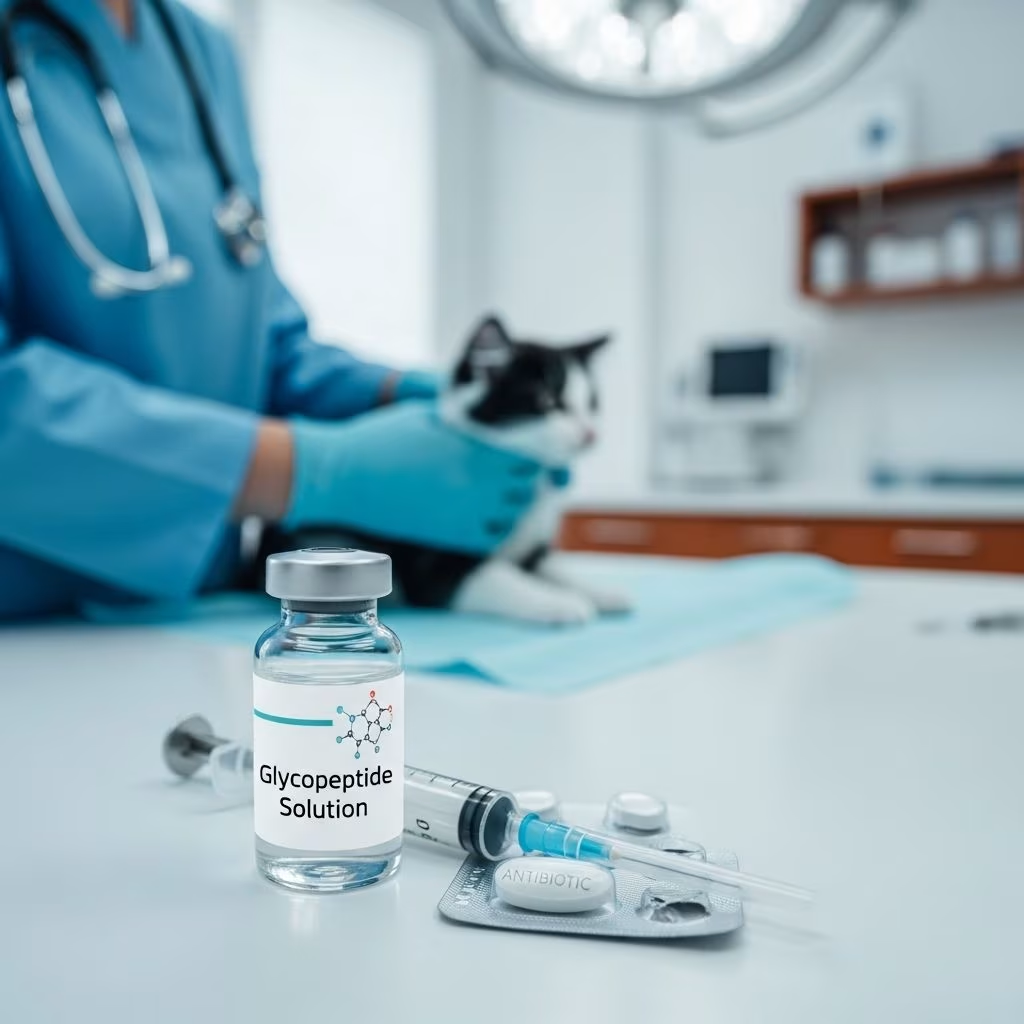
Understanding Glycopeptide Mechanisms in Animal Therapeutics
Glycopeptide antibiotics represent a specialized class of antimicrobial agents with significant clinical importance in both human and veterinary medicine. These compounds function through a distinctive mechanism that fundamentally disrupts bacterial cell wall integrity. Unlike beta-lactam antibiotics that directly interfere with cross-linking, glycopeptides operate by binding to peptidoglycan precursors within the bacterial cell wall structure. This binding action prevents penicillin-binding protein enzymes, particularly transpeptidases, from incorporating these precursors into the expanding cell wall matrix. The result is rapid cessation of cell wall synthesis, culminating in bactericidal activity that is particularly pronounced in actively dividing bacterial organisms.
The therapeutic significance of this mechanism lies in its effectiveness against bacteria that have developed resistance to conventional beta-lactam agents. Gram-positive bacteria, which possess simpler cell wall structures compared to gram-negative organisms, are particularly susceptible to glycopeptide action. The bactericidal nature of these antibiotics distinguishes them from bacteriostatic agents, making them valuable options for serious systemic infections requiring rapid bacterial elimination.
Spectrum of Activity and Bacterial Susceptibility
The antimicrobial spectrum of glycopeptides encompasses a broad range of gram-positive pathogens, though important limitations exist. Vancomycin, the most clinically established glycopeptide, demonstrates activity against multiple staphylococcal species, including those expressing beta-lactamase enzymes and methicillin-resistant phenotypes. Clostridia and enterococci also fall within the susceptible organism range, making vancomycin particularly valuable for infections caused by these genera. The anaerobic gram-positive bacteria susceptible to glycopeptide treatment provide options for polymicrobial infections involving obligate anaerobes.
Conversely, gram-negative bacteria remain intrinsically resistant to glycopeptide antibiotics due to structural barriers within their cell membranes. The molecular size of glycopeptide compounds and their limited membrane permeability prevent adequate penetration across the outer membrane of gram-negative organisms. This spectrum limitation necessitates alternative therapeutic approaches when gram-negative pathogens are identified or suspected in clinical situations.
Primary Bacterial Targets
- Staphylococcus aureus – particularly methicillin-resistant strains representing serious therapeutic challenges
- Clostridium difficile – especially relevant for gastrointestinal infections in hospitalized animals
- Enterococcal species – important nosocomial pathogens in veterinary settings
- Anaerobic gram-positive cocci – including streptococci and peptostreptococci
Vancomycin: Properties and Clinical Considerations
Vancomycin stands as the prototypical glycopeptide antibiotic with the most extensive clinical experience in veterinary medicine, though its use remains highly restricted in animal species. As a complex molecular structure derived from Streptomyces species, vancomycin exhibits time-dependent pharmacodynamics, meaning that therapeutic efficacy correlates more closely with the duration of adequate serum concentrations than with peak levels achieved. This pharmacodynamic profile influences dosing strategies and administration intervals when vancomycin therapy is contemplated.
The absorption characteristics of vancomycin create distinct clinical implications based on the route of administration. Oral administration results in poor gastrointestinal absorption, with the drug remaining largely confined within the intestinal tract. This limitation actually proves advantageous for treating localized gastrointestinal infections, particularly those caused by Clostridium difficile, where high local concentrations are desirable without systemic absorption. Conversely, intravenous administration achieves widespread tissue distribution throughout the body, with reported volumes of distribution in dogs ranging from 0.4 to 5.5 liters per kilogram. The relatively modest protein binding (10-50%) permits adequate distribution to both extracellular and intracellular compartments.
Vancomycin demonstrates cerebrospinal fluid penetration when meningeal inflammation is present, though inadequate concentrations are achieved in non-inflamed meninges. This property permits consideration of vancomycin for serious central nervous system infections caused by susceptible gram-positive organisms, provided appropriate dosing adjustments are implemented.
Pharmacokinetic Parameters in Common Species
| Species | Plasma Half-Life | Volume of Distribution (L/kg) | Protein Binding |
|---|---|---|---|
| Canine | Approximately 2 hours | 0.4–5.5 | 10–50% |
| Equine | Approximately 3 hours | Variable | 10–50% |
Renal elimination of vancomycin in its active form necessitates careful attention to renal function status. Animals with compromised renal perfusion or structural renal disease may accumulate toxic vancomycin concentrations, leading to potential nephrotoxicity and ototoxicity. This consideration becomes particularly important in geriatric animals or those with conditions predisposing to acute kidney injury.
Clinical Applications and Therapeutic Indications
The clinical indications for glycopeptide use in veterinary medicine remain narrow due to regulatory restrictions and the preservation of these agents for serious infections resistant to conventional therapy. Parenteral vancomycin administration is restricted to documented or highly suspected infections caused by methicillin-resistant Staphylococcus aureus presenting as life-threatening systemic disease. The rationale for this conservative approach stems from the critical importance of glycopeptides to human medicine, where they serve as essential therapeutic options for serious nosocomial infections.
Vancomycin demonstrates apparent synergy when combined with aminoglycoside antibiotics, potentially enhancing bactericidal activity against resistant organisms. This combination approach may be considered in severe polymicrobial infections or when monotherapy has proven inadequate, though such regimens require careful pharmacokinetic monitoring to prevent cumulative toxicity, particularly regarding renal function.
Adverse Effects and Tolerability Concerns
Vancomycin administration carries specific adverse effect risks that merit careful consideration during treatment planning. Febrile reactions and thrombophlebitis at intravenous infusion sites represent commonly encountered local complications, particularly when vancomycin is administered via peripheral venous access. The tissue irritation and inflammatory response generated by vancomycin can compromise vascular integrity and necessitate central venous administration for prolonged courses.
Systemic hypersensitivity reactions occur infrequently but remain possible, especially in animals with prior exposure or multiple antibiotic sensitivities. Vancomycin flushing syndrome, associated with rapid histamine release, represents a specific adverse reaction documented primarily in human medicine but relevant to understanding potential animal responses. Administration should always proceed via slow intravenous infusion over a minimum one-hour period to minimize the risk of such reactions, rather than rapid bolus administration.
Emerging Resistance Patterns and Clinical Challenges
Although vancomycin resistance develops relatively slowly compared to other antibiotics, emerging resistance represents an increasingly recognized problem as utilization patterns expand globally. Enterococcal resistance to vancomycin, mediated through specific genetic determinants designated vanA and vanB, can be transferred either chromosomally or via plasmid-associated elements among susceptible bacterial populations. This horizontal gene transfer capability raises concerns about resistance dissemination, particularly in densely housed animal populations or hospital environments where multiple antibiotic-resistant organisms coexist.
The appearance of vancomycin-resistant Staphylococcus aureus strains represents an additional therapeutic challenge, though these remain uncommon in most veterinary settings. Continued surveillance for resistance emergence remains important to guide rational antibiotic selection and preserve the clinical utility of glycopeptides for serious infections where alternatives prove inadequate.
Regulatory Status and Restrictions in Veterinary Medicine
Significant regulatory constraints substantially limit glycopeptide availability and use in veterinary medicine, particularly in the United States. The absence of any glycopeptide antibiotics approved specifically for veterinary use creates a fundamental restriction on their availability for animal species. Additionally, regulations specifically prohibit extralabel drug use of glycopeptides in all food-producing animal species, regardless of whether such use might be therapeutically justified.
These regulatory frameworks reflect deliberate policy decisions designed to preserve glycopeptide efficacy for human medicine and minimize the potential for cross-species resistance development. Production animals, including cattle, swine, and poultry, are absolutely prohibited from receiving glycopeptide therapy, even when serious multidrug-resistant infections are documented. Companion animals may have more flexibility depending on specific jurisdictional regulations, but practitioners must carefully review local and regional requirements before considering glycopeptide therapy.
Alternative Glycopeptide Agents and Future Directions
Several newer lipoglycopeptide derivatives have emerged in human medicine with enhanced antimicrobial properties and improved pharmacokinetic characteristics. Telavancin, dalbavancin, and oritavancin represent semi-synthetic modifications of naturally occurring glycopeptides, designed to overcome some limitations of vancomycin while maintaining bactericidal activity against resistant gram-positive organisms. These agents incorporate secondary mechanisms of action beyond simple cell wall inhibition, potentially offering advantages in specific clinical scenarios.
However, the absence of published veterinary efficacy and safety data regarding these newer agents necessitates their exclusive reservation for human medicine at present. Veterinary practitioners cannot justify their use in animal species until appropriate pharmacokinetic and clinical studies establish their safety profiles and therapeutic efficacy in target species.
Historical Context: Discontinued and Specialized Applications
Ristocetin represents an interesting historical example of a glycopeptide antibiotic that, despite demonstrated bactericidal activity comparable to vancomycin, was discontinued for therapeutic use due to an unfavorable attribute. This agent causes platelet aggregation, rendering it unsuitable for systemic administration. Interestingly, this same property has found application in diagnostic medicine, where ristocetin testing helps identify von Willebrand’s disease in both human and veterinary patients.
Other glycopeptides, including avoparcin, A4696, actaplanin, and A35512, have been marketed and continue to be used as feed additives in some countries, particularly in poultry and swine production. These applications differ substantially from therapeutic use, representing growth promotion and productivity enhancement rather than treatment of clinical disease. The regulatory status and utilization of these agents vary considerably across different geographic regions and continue to evolve as concerns about antimicrobial resistance influence policy decisions.
Frequently Asked Questions
Q: Why are glycopeptides restricted in veterinary practice?
Glycopeptides remain restricted to preserve their efficacy for human medicine, where they serve as essential agents for serious multidrug-resistant infections. Limiting veterinary use reduces the potential for resistance development and ensures availability for critical human therapeutic applications.
Q: Can vancomycin be used orally in animals?
Vancomycin can be administered orally for treatment of local gastrointestinal infections such as Clostridium difficile colitis, where the poor absorption actually proves beneficial. Systemic infections require intravenous administration to achieve adequate tissue concentrations.
Q: What is the primary indication for parenteral vancomycin in veterinary medicine?
The primary indication is serious infection caused by methicillin-resistant Staphylococcus aureus in companion animals, particularly when the infection presents as life-threatening systemic disease unresponsive to conventional therapies.
Q: How does vancomycin achieve bactericidal activity?
Vancomycin binds to peptidoglycan precursors in bacterial cell walls, preventing their incorporation into the growing cell wall structure. This halts cell wall synthesis and results in bacterial cell death during active division.
Conclusion and Clinical Implications
Glycopeptide antibiotics, particularly vancomycin, occupy a unique but restricted position within veterinary pharmacology. Their exceptional activity against multidrug-resistant gram-positive bacteria makes them invaluable for serious infections resistant to conventional therapy. However, regulatory constraints, lack of veterinary-approved formulations, and deliberate policy decisions to preserve these agents for human medicine substantially limit their availability and use in animal species. Veterinary practitioners must maintain awareness of glycopeptide properties, appropriate indications, and regulatory restrictions to practice responsibly and contribute to antimicrobial stewardship goals. Understanding the mechanisms by which these antibiotics function against resistant organisms provides context for evaluating emerging resistance patterns and appreciating why preservation of glycopeptide efficacy remains a priority for both human and veterinary medicine.
References
- Merck Manual of Veterinary Pharmacology: Glycopeptides Use in Animals — Merck & Co., Inc. 2026. https://www.merckvetmanual.com/pharmacology/antibacterial-agents/glycopeptides-use-in-animals
- The specter of glycopeptide resistance: current trends and future implications — PubMed Central. 1998. https://pubmed.ncbi.nlm.nih.gov/9684651/
- Antibiotics in Veterinary Medicine — University of Minnesota AMR Learning & Surveillance System. 2024. https://amrls.umn.edu/antibiotics-veterinary-medicine
- Developments in Glycopeptide Antibiotics — PubMed Central. 2018. https://pmc.ncbi.nlm.nih.gov/articles/PMC5952257/
- Glycopeptide Antibiotics: Mechanism of Action and Resistance — Basic Medical Key. 2023. https://basicmedicalkey.com/glycopeptide-antibiotics/



