

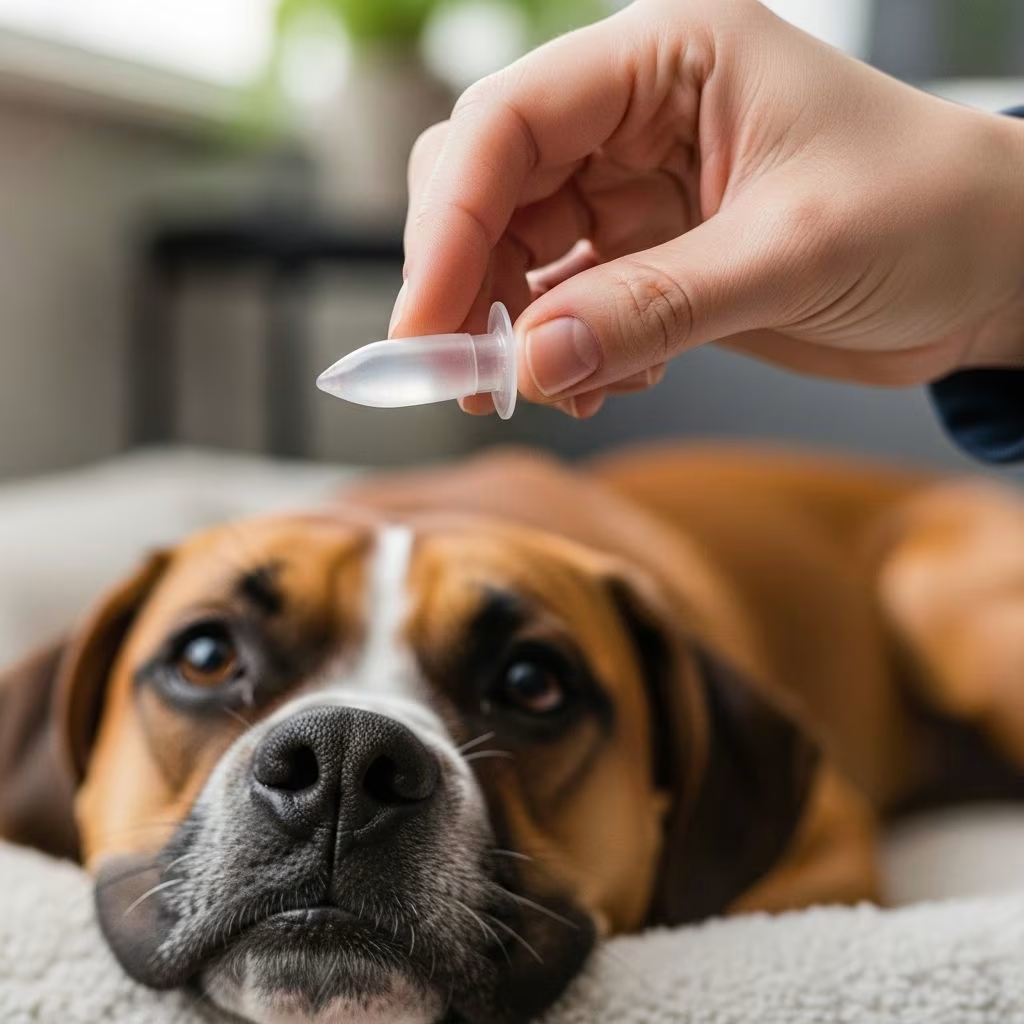
Glycerin suppositories offer a targeted approach to relieving constipation in dogs by drawing moisture into the rectum and stimulating bowel movements. These pediatric-formulated products are generally safe for canine use when applied correctly under veterinary guidance.
Understanding Constipation in Canines
Constipation occurs when a dog struggles to pass firm, dry stools, often due to dehydration, low-fiber diets, lack of exercise, or ingestion of indigestible materials like bones or toys. Acute cases typically resolve with simple interventions, while chronic issues may signal underlying conditions such as megacolon or obstructions.
Recognizing symptoms early is crucial: infrequent defecation, straining, hard pellets, or traces of blood in stool. If accompanied by vomiting, lethargy, or abdominal pain, seek immediate veterinary care to rule out blockages or infections.
How Glycerin Suppositories Function in Dogs
Glycerin acts as a hyperosmotic laxative, irritating the rectal lining mildly to promote fluid secretion and soften stool for easier expulsion. This local action provides relief within minutes to hours, making it ideal for mild, acute constipation.
Unlike oral laxatives, suppositories bypass the digestive tract, reducing systemic absorption risks. Veterinary manuals endorse them alongside options like bisacodyl or sodium citrate for compliant pets. Food-grade vegetable glycerin, derived from plant oils like coconut or rapeseed, ensures safety in proper doses, as confirmed by regulatory bodies.
Safety Profile and Potential Risks
When used as directed, glycerin suppositories pose minimal risks for dogs. The FDA recognizes food-grade glycerin as non-toxic, even in treats and topicals. However, excessive intake may cause diarrhea, gas, or cramping, particularly in diabetic dogs sensitive to glycerol’s glucose effects.
- Allergies: Rare reactions include vomiting or itching; discontinue if observed.
- Overuse: Chronic reliance can lead to dependency or electrolyte imbalances.
- Contaminants: Avoid products with toxic sources like Jatropha, linked to past pet food incidents.
Suppositories require a calm dog and patient owner; forceful administration risks rectal injury. Always consult a vet before use, especially for puppies, seniors, or those with comorbidities.
Step-by-Step Administration Guide
Administering rectal medications demands gentleness to avoid stress or injury. Follow these steps for success:
- Prepare: Select pediatric-sized suppositories (1g for small dogs, 2g for larger breeds). Wear gloves and lubricate with petroleum jelly.
- Position: Place the dog on its side or standing with tail lifted. Calm with treats or reassurance.
- Insert: Gently advance 1-2 inches into the rectum, point-first. Hold tail to prevent expulsion.
- Monitor: Expect results in 15-60 minutes; walk the dog to encourage defecation.
- Clean: Wipe the area and wash hands thoroughly.
For non-compliant dogs, veterinary clinics offer professional administration. Pair with oral therapies like polyethylene glycol for enhanced efficacy.
Comparing Treatment Options for Dog Constipation
Choose remedies based on severity and cause. Here’s a comparison:
| Remedy | Type | Onset | Best For | Notes |
|---|---|---|---|---|
| Glycerin Suppository | Hyperosmotic | 15-60 min | Acute, mild cases | Rectal; vet-approved |
| Canned Pumpkin | Fiber | 12-24 hrs | Dietary fiber boost | 1-2 tsp/day; plain only |
| Lactulose | Stool Softener | 24-48 hrs | Chronic issues | Vet-prescribed dose |
| Bisacodyl | Stimulant | 6-12 hrs | Moderate constipation | Contraindicated in obstruction |
| Polyethylene Glycol | Osmotic | 12-24 hrs | Maintenance | 1/8-1/4 tsp every 12 hrs |
Natural and Dietary Alternatives
Prioritize prevention through high-fiber diets rich in omega-3s and probiotics. Brands starting with meat proteins outperform grain-heavy formulas.
- Pumpkin: Soluble fiber hydrates stool; start with 1 tsp per 10 lbs body weight.
- Exercise: Daily walks stimulate peristalsis.
- Hydration: Ensure constant fresh water access.
- Herbals: Pet-specific blends with psyllium or dandelion support regularity.
Avoid human laxatives without vet approval, as many contain xylitol or stimulants unsafe for dogs.
When to Escalate to Professional Care
Mild cases resolve at home, but persistent symptoms warrant diagnostics like X-rays or bloodwork. Conditions like megacolon require enemas or surgery. Watch for toxicity signs from contaminated glycerin: lethargy, vomiting, or bloody diarrhea.
Frequently Asked Questions (FAQs)
Are glycerin suppositories safe for puppies?
Use smallest pediatric sizes under vet supervision; avoid in dehydrated or very young pups.
How often can I give them?
Limit to 1-2 times weekly; not for long-term use without guidance.
Can I use human suppositories for my dog?
Pediatric plain glycerin versions are suitable; check for additives.
What if my dog resists insertion?
Try with a helper or seek clinic help to prevent injury.
Does glycerin affect diabetic dogs?
High doses may impact blood sugar; monitor closely.
Preventing Constipation Long-Term
Integrate fiber gradually (e.g., sweet potatoes, green beans), promote activity, and schedule regular vet check-ups. Transition to quality foods minimizes risks. Glycerin suppositories serve as a reliable short-term tool in a holistic wellness plan.
References
- Is Glycerin Bad for Dogs? — Dog Food Advisor. 2023. https://www.dogfoodadvisor.com/red-flag-ingredients/is-glycerin-bad-for-dogs/
- How Safe Are Glycerin Suppositories for Dogs? — Vetinfo.com. N/A. https://www.vetinfo.com/how-safe-are-glycerin-suppositories-for-dogs.html
- Constipation, Obstipation, and Megacolon in Small Animals — Merck Veterinary Manual. 2023. https://www.merckvetmanual.com/digestive-system/diseases-of-the-large-intestine-in-small-animals/constipation-obstipation-and-megacolon-in-small-animals
- How To Treat Your Dog’s Constipation At Home — Dutch. 2024. https://www.dutch.com/blogs/dogs/dog-constipation-home-remedies
- How to Administer Rectal Medications — VCA Animal Hospitals. 2023. https://vcahospitals.com/know-your-pet/how-to-administer-rectal-medications



