

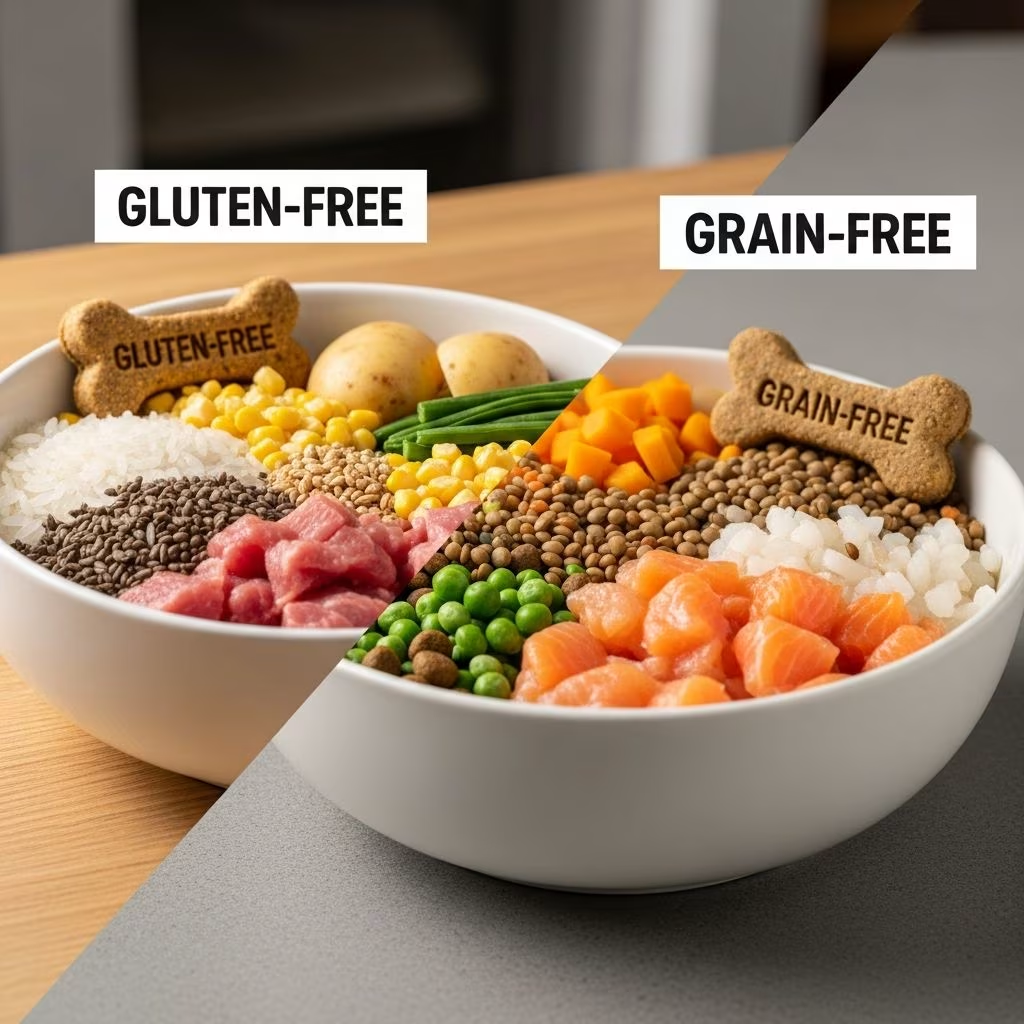
Choosing the right dog food involves understanding specialized diets like gluten-free and grain-free options, which cater to different nutritional needs and health concerns. While both aim to address sensitivities, they differ significantly in composition and purpose, impacting your dog’s overall well-being.
Defining Gluten-Free Dog Food
Gluten-free dog food excludes gluten, a protein found in specific grains such as wheat, barley, and rye. This diet allows other grains like rice, corn, oats, or sorghum, making it less restrictive than grain-free formulas. It’s designed for dogs with gluten sensitivities, though true gluten allergies remain uncommon in canines.
Dogs on gluten-free diets benefit from sustained energy from permissible grains, which provide digestible carbohydrates and fiber. These ingredients support steady blood sugar levels and gut health without triggering immune responses in sensitive pups. High-quality gluten-free recipes often prioritize meat proteins alongside these grains for balanced nutrition.
- Maintains essential carbs from non-gluten grains for active dogs.
- Suitable for mild digestive issues linked to wheat proteins.
- Typically more affordable and widely available than grain-free alternatives.
Understanding Grain-Free Dog Food
Grain-free dog food eliminates all grains entirely, replacing them with alternatives like potatoes, peas, lentils, sweet potatoes, or tapioca. The focus shifts to higher animal protein content, mimicking ancestral canine diets while avoiding potential grain allergens.
This type suits dogs with broader grain intolerances, leading to improvements in skin condition, coat shine, and stool quality due to higher digestibility. However, the reliance on legumes and starchy veggies can elevate carbohydrate levels, which may not suit less active or overweight dogs.
- Ideal for grain-allergic dogs showing symptoms like itching or diarrhea.
- Often includes superfoods and nutraceuticals for comprehensive health support.
- May require smaller portions due to denser calorie content.
Nutritional Breakdown and Comparisons
To illustrate differences, consider a typical ingredient profile:
| Aspect | Gluten-Free | Grain-Free |
|---|---|---|
| Grains Included | Rice, corn, oats (non-gluten) | None |
| Carb Sources | Grains, some veggies | Potatoes, legumes, peas |
| Protein Focus | Balanced with grains | Higher meat content |
| Common Benefits | Affordable energy source | Digestion, allergy relief |
| Potential Drawbacks | May include allergens for some | Higher carbs, cost |
Gluten-free options provide cost-effective nutrition with grains offering vitamins like B-complex and minerals such as magnesium. Grain-free formulas excel in protein density but demand careful monitoring to avoid excess carbs from substitutes.
Health Benefits for Specific Conditions
Allergies and Sensitivities
Dogs exhibiting food allergies often display itchy skin, ear infections, or gastrointestinal upset. Grain-free diets address multiple grain triggers, while gluten-free targets wheat-related issues specifically. Studies indicate grains like wheat and corn rank among top allergens, making these diets valuable interventions.
Digestive Health Improvements
Switching to grain-free can firm stools and reduce frequency, signaling better nutrient absorption. Gluten-free aids those with wheat intolerance by preserving other fiber-rich grains that promote regularity without inflammation.
Skin and Coat Enhancements
Higher meat in grain-free foods supplies omega fatty acids for lustrous coats and reduced shedding. Gluten-free maintains similar benefits if formulated with quality oils, proving effective for overall dermal health.
Potential Risks and Controversies
Grain-free diets have faced scrutiny for links to dilated cardiomyopathy (DCM), a heart condition possibly tied to legume-heavy formulas lacking taurine. While not causative, the FDA monitors this, advising balanced nutrition over trends. Gluten-free avoids this by retaining grains that naturally provide taurine precursors.
Overly restrictive diets risk nutritional gaps; puppies and active breeds may struggle with grain-free’s kidney load from excess protein. Sedentary dogs on high-energy grain-free might gain weight, necessitating portion control.
Who Should Consider Each Diet?
- Gluten-Free: Dogs with confirmed wheat/barley sensitivity, budget-conscious owners, or those thriving on grains.
- Grain-Free: Pups with multi-grain allergies, digestive sensitivities, or high-energy needs.
- Standard Grain-Inclusive: Healthy dogs without issues, benefiting from wholesome grains like brown rice or quinoa.
Consult veterinarians for allergy testing before changes, ensuring AAFCO compliance for complete nutrition.
Practical Tips for Transitioning Diets
Introduce new foods gradually over 7-10 days to prevent tummy upset:
- Days 1-3: 25% new food, 75% old.
- Days 4-6: 50/50 mix.
- Days 7-9: 75% new, 25% old.
- Day 10: Full switch.
Monitor for adverse reactions like vomiting or lethargy, adjusting as needed. Pair with fresh water and probiotics for optimal gut adjustment.
Cost and Availability Factors
Grain-free typically costs more due to premium proteins and substitutes, but denser nutrition means less volume per meal, balancing expenses. Gluten-free offers middle-ground pricing with everyday access in stores. Compare labels for value, prioritizing named meats over by-products.
Expert Recommendations on Diet Selection
Veterinarians emphasize individualized plans over fads. Active breeds may favor grain-free for energy, while seniors benefit from gluten-free’s steady carbs. Routine bloodwork helps detect deficiencies early.
Frequently Asked Questions (FAQs)
Is grain-free dog food healthier than grain-inclusive?
Not inherently; it depends on your dog’s needs. Healthy grains provide vital nutrients, while grain-free suits allergies.
Can all dogs eat gluten-free food?
Yes, but it’s unnecessary without sensitivity. Most dogs digest grains well.
Does grain-free prevent allergies?
It manages symptoms in grain-sensitive dogs but doesn’t cure allergies.
Are there risks with grain-free for puppies?
High protein may strain developing kidneys; opt for puppy-specific formulas.
How do I know if my dog needs a special diet?
Observe symptoms and consult a vet for elimination trials or testing.
Conclusion: Tailoring Nutrition to Your Dog
Gluten-free and grain-free dog foods serve distinct roles in pet nutrition. By weighing allergies, lifestyle, and veterinary input, owners can select diets promoting longevity and vitality. Prioritize quality ingredients and balanced profiles for thriving companions.
References
- Regular vs. Grain Free Dog Food — Phoenix Pet Food. 2023. https://phoenixpetfood.com/blogs/news/regular-vs-grain-free-dog-food
- Dog Food Diets: Grain Free vs Grain Inclusive — Stella & Chewy’s. 2024. https://www.stellaandchewys.com/blogs/articles/grain-or-no-grain
- Is Gluten Bad for Dogs? — Purina. 2025-02-01. https://www.purina.com/articles/dog/health/nutrition/difference-between-gluten-free-and-grain-free-dog-food
- Weighing in on the Grain Debate: Is Grain-Free Dog Food Better? — Outward Hound. 2024. https://outwardhound.com/furtropolis/health-wellness/is-grain-free-dog-food-better
- Grain-Free Dog Food FDA Investigation — FDA.gov. 2023-10-01. https://www.fda.gov/animal-veterinary/outbreaks-and-advisances/fda-investigation-potential-link-between-certain-diets-and-canine-dilated-cardiomyopathy



