

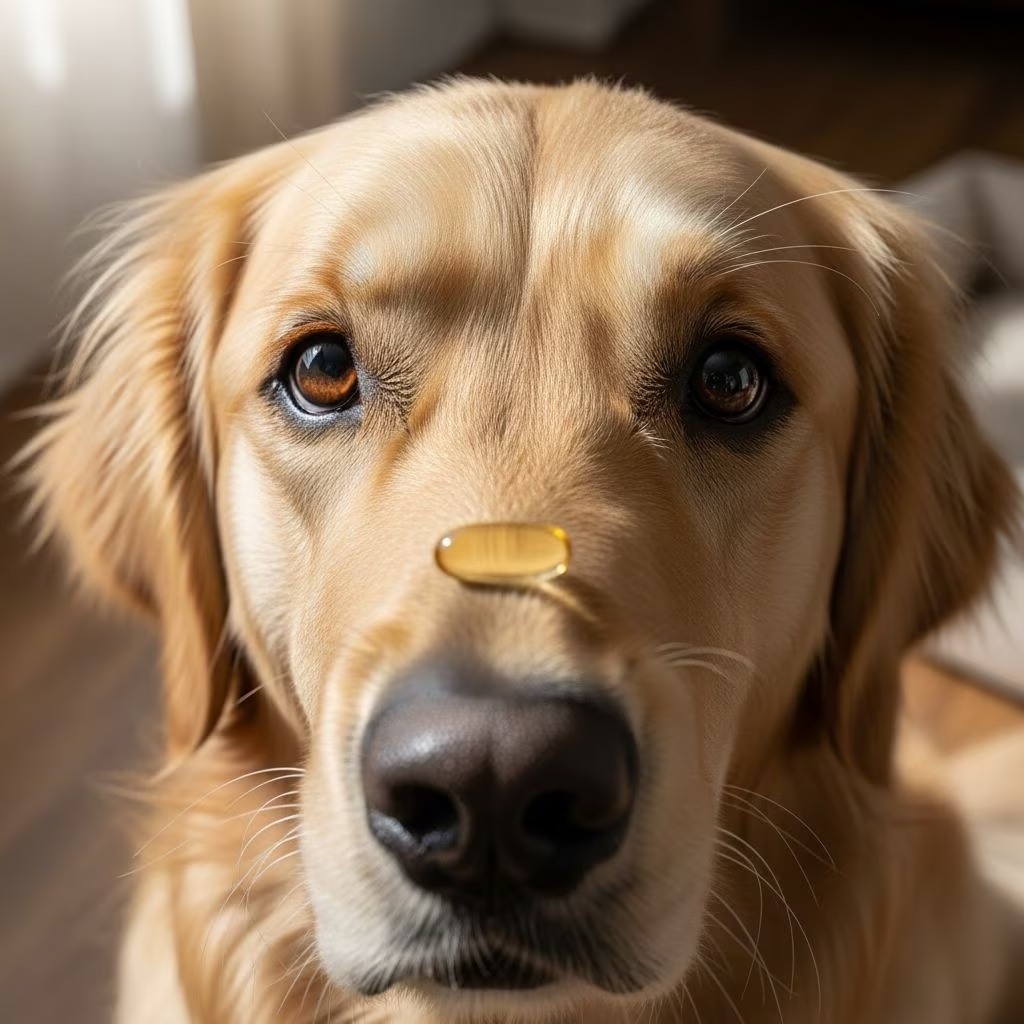
Glucosamine supplements have become a cornerstone of canine joint health management, helping countless dogs navigate the challenges of arthritis and degenerative joint conditions. Yet, as with many beneficial substances, the margin between therapeutic benefit and potential harm can narrow considerably when dosing guidelines are not followed carefully. While glucosamine is generally regarded as one of the safer supplements available for dogs, excessive consumption can trigger a cascade of serious health complications that warrant immediate veterinary attention.
The Likelihood of Glucosamine Overdose in Canine Patients
Glucosamine overdose in dogs remains an uncommon occurrence, yet it is far from impossible. Most accidental exposures result from dogs gaining unsupervised access to supplement bottles, consuming multiple tablets before their owners intervene. Intentional overdosing is virtually nonexistent in veterinary practice, as responsible pet owners follow prescribed dosing instructions. The rarity of these incidents, however, should not create a false sense of security—when overdose does occur, the consequences can be severe and occasionally life-threatening.
Understanding the distinction between mild and serious glucosamine exposure is crucial for pet owners. A single extra tablet consumed by mistake typically produces minimal consequences, whereas consuming dozens or hundreds of tablets within a short timeframe creates genuine toxicological concern.
Recognizing the Initial Warning Signs
The early manifestations of glucosamine toxicity tend to be gastrointestinal in nature. When dogs consume excessive glucosamine, their digestive systems often react first and most noticeably. Pet owners should be alert to the following initial indicators:
- Vomiting or retching, potentially beginning within 30 minutes to 48 hours of ingestion
- Diarrhea or loose stools, sometimes progressing to severe bowel dysfunction
- Reduced appetite or complete food refusal
- Lethargy and unusual fatigue
- Increased thirst and excessive urination
- Behavioral changes including restlessness or disorientation
These early warning signs should prompt immediate veterinary consultation, particularly if they emerge in conjunction with known glucosamine consumption.
Hepatic Complications and Liver Dysfunction
Among the most serious consequences of glucosamine overdose is damage to hepatic tissues. The liver, functioning as the body’s primary detoxification organ, bears significant burden when processing excessive supplement intake. Research from the ASPCA Animal Poison Control Center documented multiple cases where overdose led to hepatotoxicity, with some dogs exhibiting serum alanine aminotransferase (ALT) levels exceeding 1,000 U/L—substantially above the normal range of 14–151 U/L.
The progression of liver damage can occur rapidly. Initial elevations in liver enzymes may progress to acute liver failure, characterized by:
- Jaundice (yellowing of the eyes, gums, and skin)
- Coagulopathy (impaired blood clotting)
- Multi-organ dysfunction requiring intensive intervention
- Hemorrhagic complications
Case studies have documented scenarios where dogs ingesting extreme quantities of joint supplements developed fatal liver necrosis, making hepatotoxicity one of the most concerning overdose complications.
Renal System Stress and Electrolyte Imbalances
The kidneys serve as glucosamine’s primary elimination pathway, making renal function central to overdose pathophysiology. Excessive glucosamine consumption can trigger osmotic diuresis—a phenomenon where high solute concentrations force increased fluid movement through the kidneys. This mechanism manifests as:
- Polydipsia (excessive thirst)
- Polyuria (frequent urination)
- Potential urinary incontinence
One documented case involved an 11-year-old Labrador Retriever whose glucosamine dose was increased from 500 mg to 1,000 mg daily, subsequently developing pronounced polyuria and polydipsia. Symptoms resolved when dosage was reduced to the original level, indicating a direct causative relationship.
Beyond diuretic effects, glucosamine overdose can cause severe electrolyte disturbances. Hypernatremia (elevated blood sodium) represents a particularly dangerous complication, as it can trigger neurological manifestations including seizures, ataxia, and obtundation. One case involved a dog that consumed 40 Dasuquin chews (equating to 4,615 mg/kg of glucosamine hydrochloride), developing seizures and severe hypernatremia requiring intensive sodium level management to prevent permanent neurological damage.
Metabolic Disruption and Glucose Regulation
Emerging evidence suggests that excessive glucosamine may impair normal glucose metabolism. The supplement appears capable of interfering with pancreatic insulin secretion, subsequently elevating blood glucose levels. A case involving a 9-year-old Maltese mix demonstrated glucosamine overdose-induced hyperglycemia requiring insulin administration for normalization.
This metabolic complication raises particular concern in dogs with pre-existing diabetes or metabolic susceptibility, where glucosamine supplementation must be implemented with heightened caution.
Multi-System Failure in Severe Cases
The most catastrophic glucosamine overdose scenarios involve widespread organ damage affecting multiple physiological systems simultaneously. A documented case of a 5-year-old Pug that consumed approximately 100 joint supplement tablets illustrated this catastrophic cascade:
- Initial presentation: vomiting and neurological dysfunction (ataxia)
- Laboratory findings: hypernatremia, hyperchloremia, acidosis, and elevated liver enzymes
- Progressive complications: hepatic failure, coagulopathy, and renal thrombosis
- Postmortem findings: centrilobular liver necrosis, acute tubular necrosis, pancreatic necrosis, and myocardial necrosis
Another case documented a Bernese Mountain Dog that ingested over 200 joint supplement tablets, experiencing vomiting, melena (blood in feces), liver dysfunction, clotting abnormalities, and azotemia (elevated blood urea nitrogen indicating kidney dysfunction).
A 6-year-old Dachshund developed thrombocytopenia (low platelet count), azotemia, blood clotting abnormalities, and widespread organ damage following excessive joint supplement consumption, surviving only through aggressive intensive care.
Complicating Factors: Additional Supplement Ingredients
The toxicity risk escalates considerably when glucosamine products contain additional active ingredients. Many commercial joint supplements include compounds such as chondroitin sulfate, methylsulfonylmethane (MSM), vitamin D, and zinc.
Vitamin D toxicity and zinc toxicity represent particularly serious concerns, as these substances carry lower safety thresholds than glucosamine itself. A dog ingesting a product containing elevated vitamin D or zinc levels alongside glucosamine faces compounded risk of serious toxicity. Such circumstances warrant immediate veterinary emergency care.
Comparative Toxicity Profile
Scientific research has established approximate lethal dose estimates for glucosamine. The LD50 (dose lethal to 50% of test subjects) for oral glucosamine in animals is approximately 8,000 mg/kg, with no adverse effects documented at 2,700 mg/kg over 12-month periods. These figures provide context for understanding how dramatically exceeded dosing must be to produce toxicity.
Despite these relatively high thresholds, the documented cases of severe toxicity involved doses that were only moderately above these levels, suggesting individual variation in susceptibility and potential synergistic effects from supplement formulations.
Appropriate Response to Suspected Overdose
Immediate action is essential when glucosamine overdose is suspected. The ASPCA Animal Poison Control Center recommends decontamination procedures if ingestion occurred within 2 hours of presentation, including potential gastric decontamination and activated charcoal administration.
Supportive care forms the foundation of overdose management, with veterinarians implementing:
- Intravenous fluid therapy for electrolyte management and diuresis
- Gastroprotectant medications to shield the digestive tract
- Hepatoprotective agents such as SAM-e, N-acetylcysteine, and silymarin
- Monitoring of liver function, kidney function, and coagulation parameters
- Intensive care management for severe cases involving organ dysfunction
Early intervention dramatically improves prognosis, with many dogs recovering fully when treatment is initiated promptly.
Safe Supplementation Practices for Joint Health
Glucosamine remains a valuable therapeutic tool for managing canine joint conditions when used appropriately. Pet owners can ensure safe supplementation by:
- Following veterinarian-prescribed dosing instructions precisely
- Storing supplements in secure locations inaccessible to curious dogs
- Reviewing all supplement ingredients, particularly noting presence of vitamin D or zinc
- Monitoring for early warning signs of adverse reactions
- Consulting with veterinarians before beginning or modifying supplement regimens
- Maintaining awareness that individual dogs may have varying sensitivities
When to Seek Immediate Veterinary Care
Pet owners should contact veterinarians immediately if their dog:
- Consumes a large quantity of glucosamine or joint supplement tablets
- Develops persistent vomiting or severe diarrhea after supplement ingestion
- Experiences behavioral changes or neurological symptoms
- Shows signs of jaundice or unusual lethargy
- Develops seizures or other acute neurological manifestations
- Ingests a product containing vitamin D, zinc, or other potentially toxic ingredients
Veterinarians can perform appropriate testing and implement life-saving interventions when toxicity is suspected.
The Balance Between Benefit and Risk
Glucosamine toxicity, while uncommon, represents a genuine concern that deserves appropriate respect and understanding. Most dogs derive significant benefit from glucosamine supplementation at recommended doses, experiencing improved mobility and reduced pain from joint conditions. However, the potential for serious complications when excessive doses are consumed underscores the importance of responsible supplementation practices.
Pet owners should view glucosamine as a therapeutic medication requiring the same careful handling and dosing precision as pharmaceutical drugs. Storage safety, accurate dosing, and veterinary guidance combine to create a supplementation approach that maximizes benefits while minimizing risks.
Frequently Asked Questions
Can my dog die from glucosamine overdose?
While death from glucosamine overdose is rare, severe cases involving extreme quantities have resulted in fatal organ damage. Prompt veterinary intervention significantly improves survival outcomes.
What should I do if my dog accidentally ate extra glucosamine tablets?
If your dog consumed one or two extra tablets, mild gastrointestinal upset may occur but typically resolves without intervention. However, if large quantities were ingested, contact your veterinarian immediately.
Are certain dog breeds more susceptible to glucosamine toxicity?
Cases have been documented across multiple breeds, suggesting that toxicity risk relates more to dose ingested than breed predisposition.
How long after ingestion do symptoms appear?
Clinical signs typically emerge within 30 minutes to 48 hours of overdose ingestion.
Is there a specific antidote for glucosamine overdose?
No specific antidote exists; treatment relies on supportive care, decontamination, and hepatoprotective medications.
References
- Risks of Over-Supplementing Glucosamine & Chondroitin – Dogs — Venttura. 2024. https://venttura.com/blogs/neutraceuticals/detriments-of-glucosamine-chondroitin-over-supplementation-dogs
- Can My Dog Overdose on Glucosamine? Vet-Reviewed Safety Facts — Dogster. 2024. https://www.dogster.com/dog-health-care/can-my-dog-overdose-on-glucosamine
- Glucosamine and or Chondroitin – Can My Dog Take Too Much? — Top Dog Health. 2024. https://topdoghealth.com/can-my-dog-take-too-much-glucosamine-and-chondroitin/
- Can a Dog Overdose on Joint Supplements? — Mighty Munch. 2024. https://us.mightymunch.com/blogs/news/can-a-dog-overdose-on-joint-supplements
- Glucosamine for Dogs: Does It Help Dogs With Arthritis? — PetMD. 2024. https://www.petmd.com/dog/nutrition/glucosamine-for-dogs
- Case report: Treatment of joint supplement toxicity resulting in multiorgan dysfunction — Frontiers in Veterinary Science, Vol. 10, Article 1141978. 2023. https://www.frontiersin.org/journals/veterinary-science/articles/10.3389/fvets.2023.1141978/full
- Multiorgan dysfunction syndrome secondary to joint supplement toxicity in dogs — Canadian Veterinary Journal, PMC4357907. National Center for Biotechnology Information. https://pmc.ncbi.nlm.nih.gov/articles/PMC4357907/



