

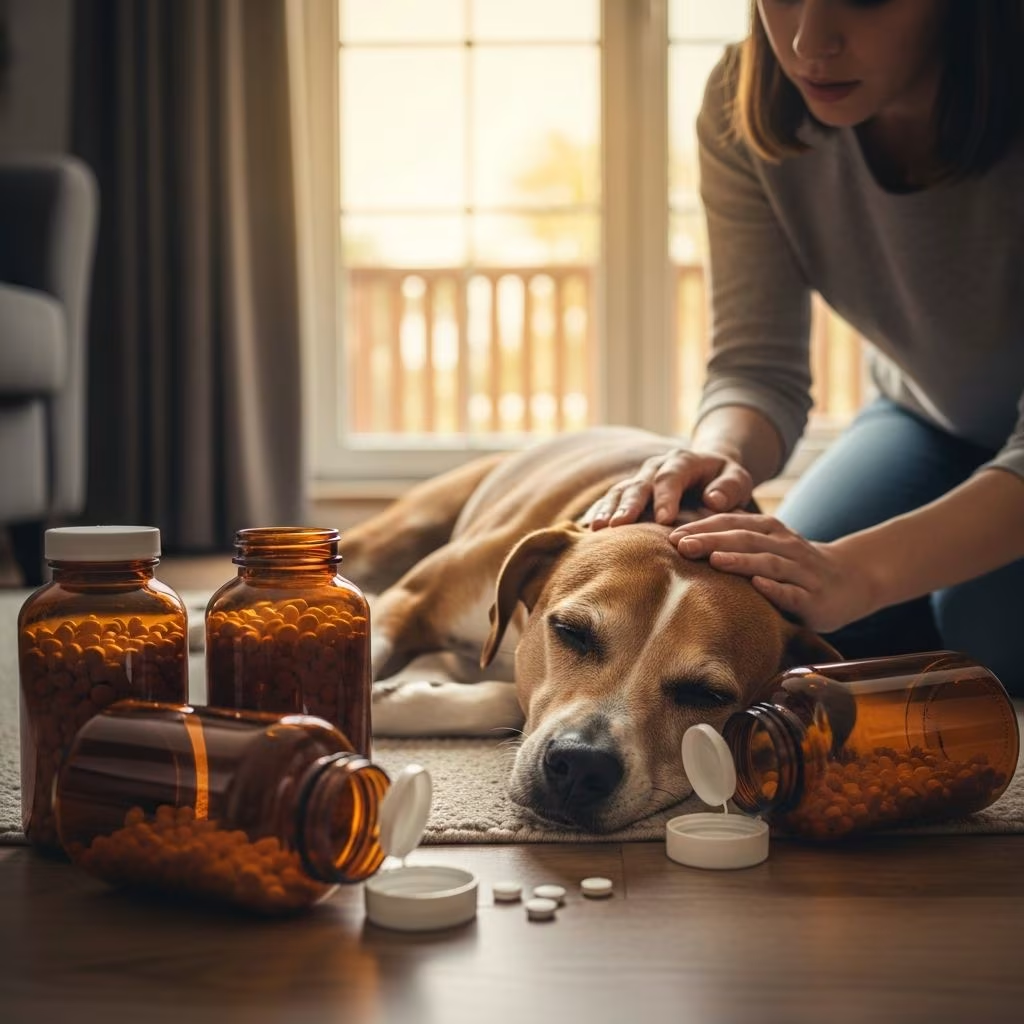
Glucosamine, a popular supplement for supporting joint health in dogs, can lead to serious health complications when given in excessive amounts. While it’s generally safe at recommended doses, overdoses—often from accidental ingestion or overzealous supplementation—can cause gastrointestinal upset, organ damage, and even life-threatening conditions. This comprehensive guide details the symptoms, underlying mechanisms, prevention strategies, and treatment options based on veterinary case studies and toxicological data.
Why Dogs Take Glucosamine and When It Becomes Risky
Glucosamine is an amino sugar naturally found in cartilage, commonly used to manage osteoarthritis in aging or active dogs. It helps reduce inflammation, alleviate pain, and potentially slow joint degeneration. Veterinarians often pair it with chondroitin sulfate, MSM, or omega-3s for enhanced effects. However, the margin between therapeutic and toxic doses narrows quickly, especially with flavored chews that appeal to dogs.
Overdose typically occurs when dogs consume entire bottles of supplements, with reported intakes exceeding 4,000 mg/kg leading to acute toxicity. The LD50 (lethal dose for 50% of subjects) for oral glucosamine is around 8,000 mg/kg, but adverse effects appear at much lower levels, such as 2,700 mg/kg over extended periods. Factors like a dog’s size, age, pre-existing conditions (e.g., liver or kidney disease), and concurrent medications amplify risks.
Common Early Warning Signs of Overdose
The first indicators of glucosamine excess often mimic mild indigestion but can escalate rapidly. Recognizing these prompts timely intervention.
- Vomiting and Diarrhea: Most frequent initial symptoms, appearing within 30 minutes to 48 hours. These result from gastrointestinal irritation.
- Lethargy and Loss of Appetite: Dogs may seem unusually tired or refuse food, signaling systemic distress.
- Increased Thirst and Urination (Polydipsia/Polyuria): Glucosamine acts as an osmotic diuretic, straining kidneys and causing excessive fluid loss.
In mild cases, like an extra tablet or two, symptoms resolve without intervention, but larger ingestions demand immediate veterinary attention.
Severe Symptoms: Organ and Metabolic Damage
Untreated overdoses progress to critical issues, affecting multiple systems. Case reports highlight the progression’s speed and severity.
Gastrointestinal and Hepatic Toxicity
High doses irritate the gut lining, leading to melena (bloody stools) and pancreatitis. Liver enzymes like ALT can spike over 1,000 U/L (normal: 14-151 U/L), indicating hepatotoxicity. Necropsy findings in fatal cases show centrilobular hepatic necrosis.
Neurological Effects and Electrolyte Imbalances
Hypernatremia (elevated sodium) from sodium chondroitin sulfate causes seizures, ataxia, and brain swelling. One case involved a dog ingesting 4,615 mg/kg glucosamine, resulting in vomiting, seizures, and requiring intensive care.
Metabolic Disruptions: Hyperglycemia and Acidosis
Glucosamine impairs insulin secretion, elevating blood sugar. A 9-year-old Maltese developed hyperglycemia post-overdose, treated successfully with insulin. Metabolic acidosis and hyperchloremia compound the crisis.
| Symptom Category | Examples | Onset Time | Potential Complications |
|---|---|---|---|
| Gastrointestinal | Vomiting, diarrhea, melena | 30 min – 2 days | Pancreatitis, peritonitis |
| Renal | Polyuria, incontinence | Hours to days | Acute kidney injury, tubular necrosis |
| Neurological | Seizures, ataxia | Hours | Brain swelling, hypernatremia |
| Metabolic | Hyperglycemia, acidosis | Hours | Multi-organ failure |
Case Studies: Real-World Examples of Overdose
Veterinary literature documents harrowing cases underscoring overdose dangers.
- A 5-year-old Pug ingested ~100 tablets (10,344 mg/kg glucosamine), presenting with vomiting and ataxia. It developed hepatic failure and was euthanized on day 6; autopsy revealed multi-organ necrosis.
- An 11-year-old Labrador on doubled dose (1,000 mg/day) showed polydipsia and polyuria, resolving upon dose reduction.
- A Bernese Mountain Dog consumed 200+ tablets, leading to coagulopathy and euthanasia despite treatment.
These illustrate that even non-lethal cases require hospitalization, with prognoses ranging from good (mild) to poor (advanced organ failure).
Safe Dosing Guidelines and Prevention Tips
Follow weight-based dosing: typically 20-50 mg/kg daily for glucosamine, split into two doses. Consult vets for personalized plans, especially for breeds prone to joint issues like Labs or Bulldogs.
- Store Securely: Keep supplements in child-proof containers out of reach.
- Use Dog-Specific Products: Avoid human formulas with toxic additives like vitamin D.
- Monitor Weight and Health: Adjust doses as dogs age or gain weight.
- Regular Vet Check-Ups: Bloodwork catches early imbalances.
Over-supplementation risks outweigh benefits; start low and observe.
Emergency Response: What to Do If Overdose Suspected
Act fast: Contact a vet or poison hotline (e.g., ASPCA at 888-426-4435) immediately. Provide details on amount ingested, time, and symptoms.
- Prevent further ingestion; do not induce vomiting without guidance.
- Monitor vitals: hydration, alertness, urine output.
- Expect diagnostics: blood tests for electrolytes, liver/kidney panels, glucose.
- Treatment may include IV fluids, anti-emetics, insulin, or sodium correction.
Supportive care saves lives; one hypernatremic dog stabilized after 3 days of ICU.
FAQs on Glucosamine Overdose in Dogs
Q: Can a single extra dose harm my dog?
A: Unlikely for small excesses, but vomiting may occur. Call vet for advice.
Q: Are all joint supplements risky?
A: Primarily glucosamine/chondroitin combos; check labels for sodium content.
Q: How do I know if it’s overdose vs. regular side effects?
A: Mild effects (gas, drowsiness) are common at normal doses; overdose adds lethargy, seizures.
Q: Is glucosamine safe long-term?
A: Yes, at proper doses; monitor liver enzymes periodically.
Q: What breeds are most vulnerable?
A: Large breeds or those with kidney/liver issues; puppies and seniors too.
Alternatives and Complementary Joint Support
If concerned about glucosamine, consider vet-recommended options:
- Omega-3 fatty acids for anti-inflammatory effects.
- Green-lipped mussel extracts.
- Physical therapy, weight management, acupuncture.
Always prioritize evidence-based choices over unverified products.
References
- Risks of Over-Supplementing Glucosamine & Chondroitin – Dogs — Venttura. 2023. https://venttura.com/blogs/neutraceuticals/detriments-of-glucosamine-chondroitin-over-supplementation-dogs
- Can My Dog Overdose on Glucosamine? Vet-Reviewed Safety Facts — Dogster. 2024. https://www.dogster.com/dog-health-care/can-my-dog-overdose-on-glucosamine
- Can a Dog Overdose on Joint Supplements? — Mighty Munch. 2023. https://us.mightymunch.com/blogs/news/can-a-dog-overdose-on-joint-supplements
- Case report: Treatment of joint supplement toxicity resulting in… — Frontiers in Veterinary Science. 2023-05-12. https://www.frontiersin.org/journals/veterinary-science/articles/10.3389/fvets.2023.1141978/full
- Overdoses of Oral Chondroprotective Agents — ASPCApro. 2022. https://www.aspcapro.org/resource/overdoses-oral-chondroprotective-agents



